Toronto food tours guide
Toronto: Culinary Adventure Co. Food Walking Tour
Are Toronto food tours worth it?
Yes if you have limited time and want context alongside the food — a good guide explains why a neighborhood's food scene developed the way it did, not just what to order. If you have a full day and enjoy figuring things out yourself, self-guided grazing at St. Lawrence Market or Kensington Market costs less and moves at your own pace.
Why a guided tour beats guesswork for a first food day
Toronto’s food scene is spread across a handful of dense, walkable neighborhoods — St. Lawrence Market, Kensington Market, Chinatown, the Distillery District, Little Italy — each shaped by a different wave of immigration and each with its own vendor logic that isn’t obvious from the outside. A good food tour guide explains that context in real time: why peameal bacon became a Toronto signature, why Kensington Market has no chain stores, why Spadina Avenue became Chinatown’s spine in the 1970s. That’s the actual value proposition, more than the food itself, which you could largely find on your own with enough research.
| Cost | CAD $75-140 per person (group); $180-220 (small/private) |
| Length | 2.5-4 hours, 1.5-3 km, 5-8 tastings |
| Group size | Typically 8-15, some premium options 6-8 |
| Booking | 1-2 weeks ahead; 2-3 weeks for weekends or TIFF season |
| Skip if | You know the neighborhood well or prefer no fixed schedule |
Where tours earn their price is time efficiency and access — a guide has already identified which stalls are worth the wait and which aren’t, and several tour operators have standing relationships with vendors that get groups seated or served faster than a solo walk-in. Where they don’t earn their price is if you already know a neighborhood well or would rather wander without a schedule.
The main options, compared honestly
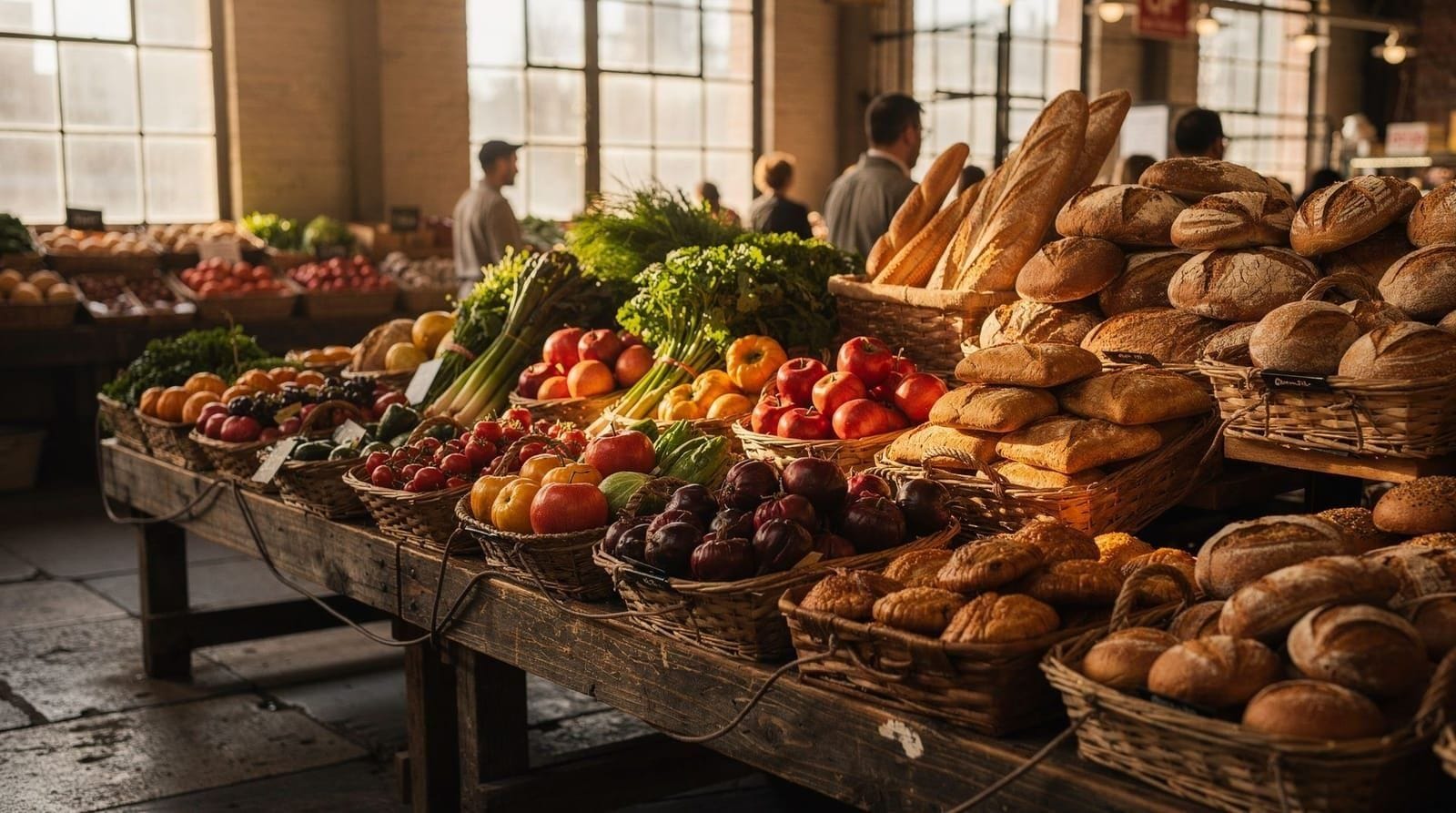
St. Lawrence Market and Old Town food tour: Covers the market’s greatest hits (peameal bacon, aged cheese, Ontario produce) plus a walk through the surrounding Old Town, one of Toronto’s oldest neighborhoods, with stops explaining the city’s founding-era history. Best for first-time visitors who want an orientation to both the market and the broader downtown east end in one outing. The St. Lawrence Market and Old Town food and history walking tour runs this route with a licensed local guide.
Culinary adventure food walking tour: A broader, multi-stop tour that typically threads together several neighborhoods rather than focusing on one market, useful if you want breadth over depth and a genuine sampling of Toronto’s culinary diversity in a single outing. The culinary adventure food walking tour is built around this wider-lens approach.
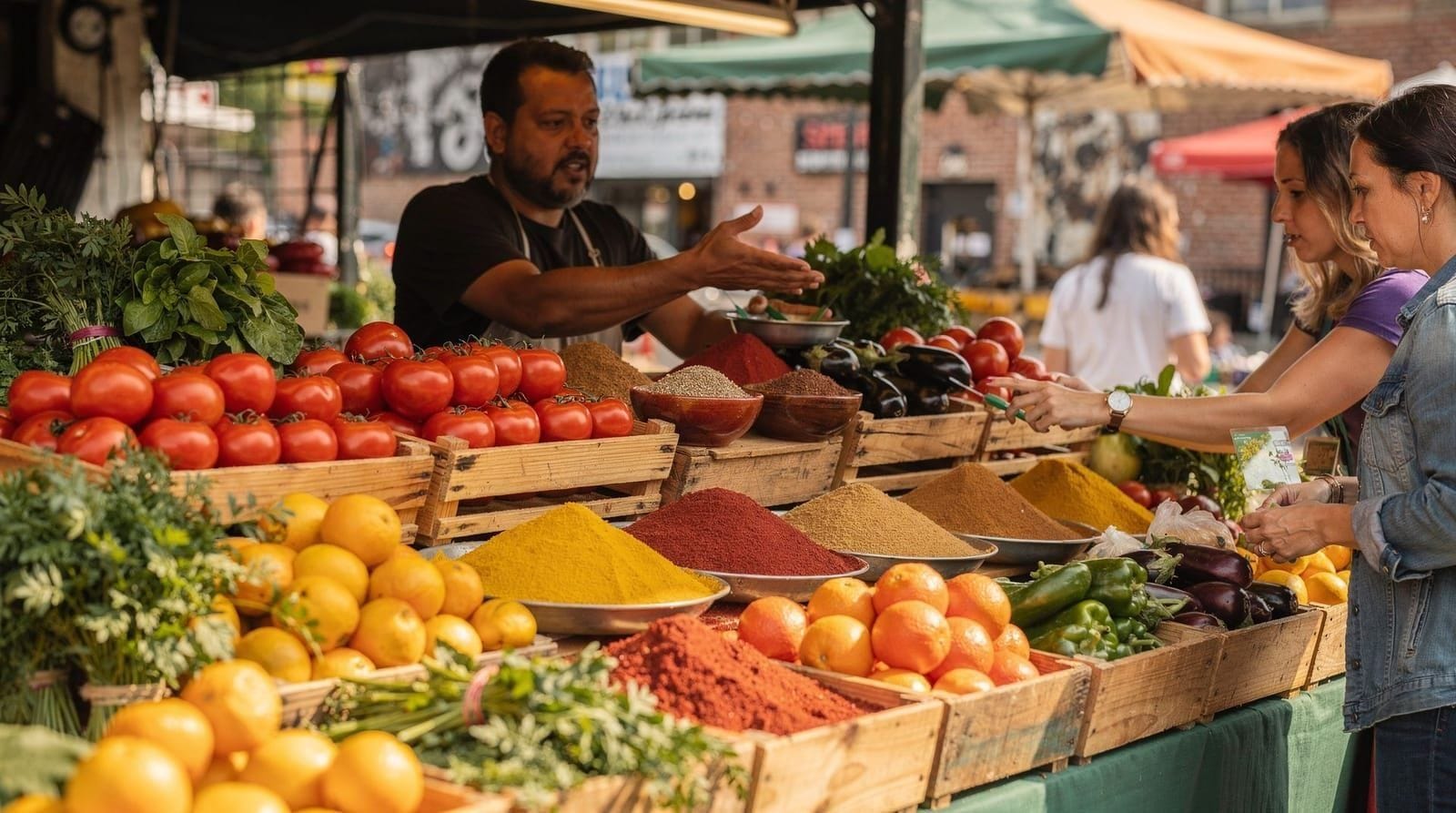
Kensington Market “Taste the World” tour: Focused specifically on Kensington’s multicultural food stalls — Jamaican, Portuguese, Mexican, Caribbean — with a guide who explains the neighborhood’s layered immigration history block by block. Best if Kensington is your main draw and you want the context without piecing together vendor history yourself; covered in depth in our Kensington Market food guide. The Kensington Market “Taste the World” food tour runs this specific route.
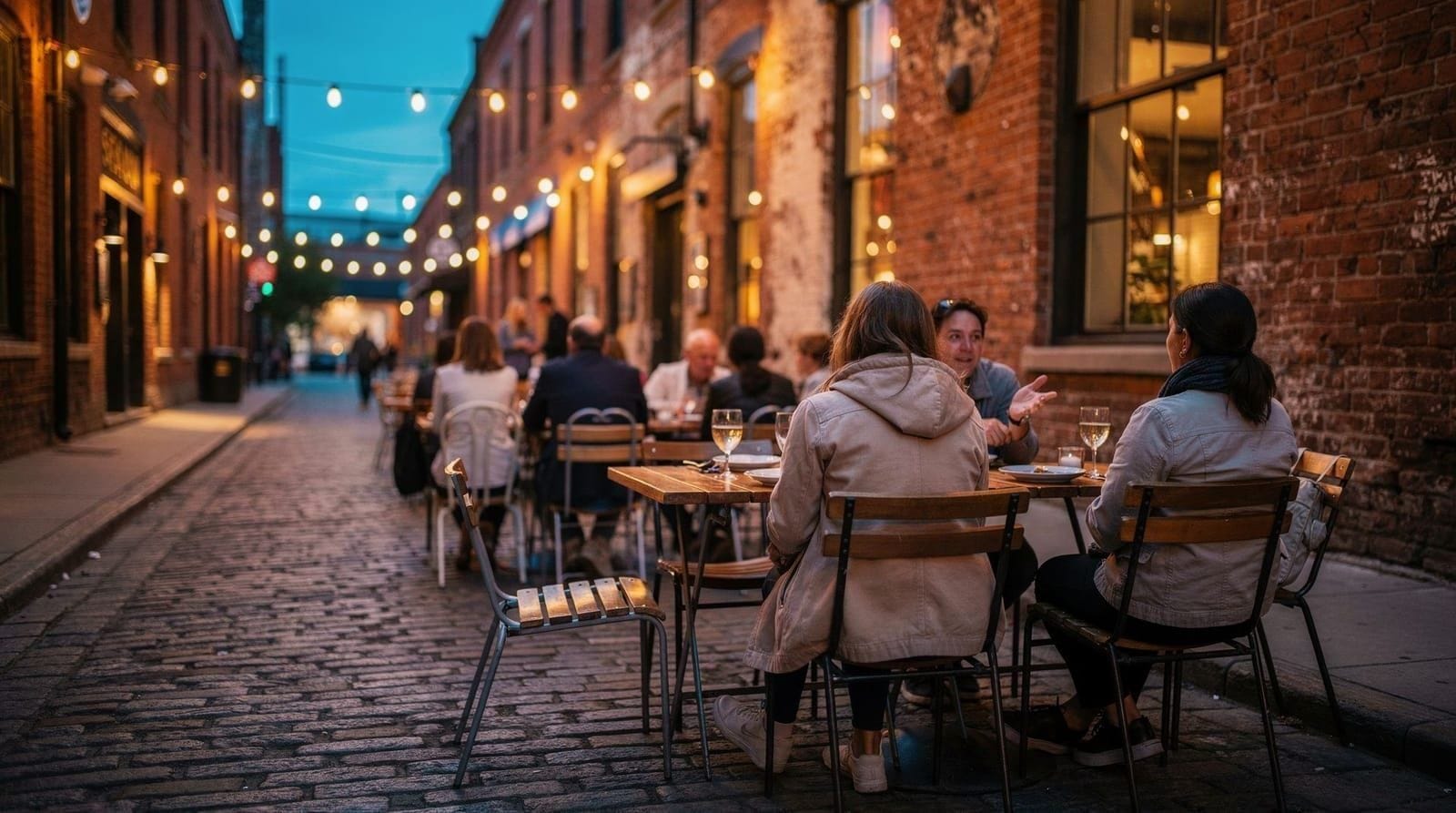
Distillery District breakfast tour: Combines a guided walk through the historic Gooderham & Worts complex with a sit-down breakfast, useful as an early-morning start before the district’s afternoon crowds arrive. Covered in our best restaurants in the Distillery District guide alongside the district’s self-directed dining options.
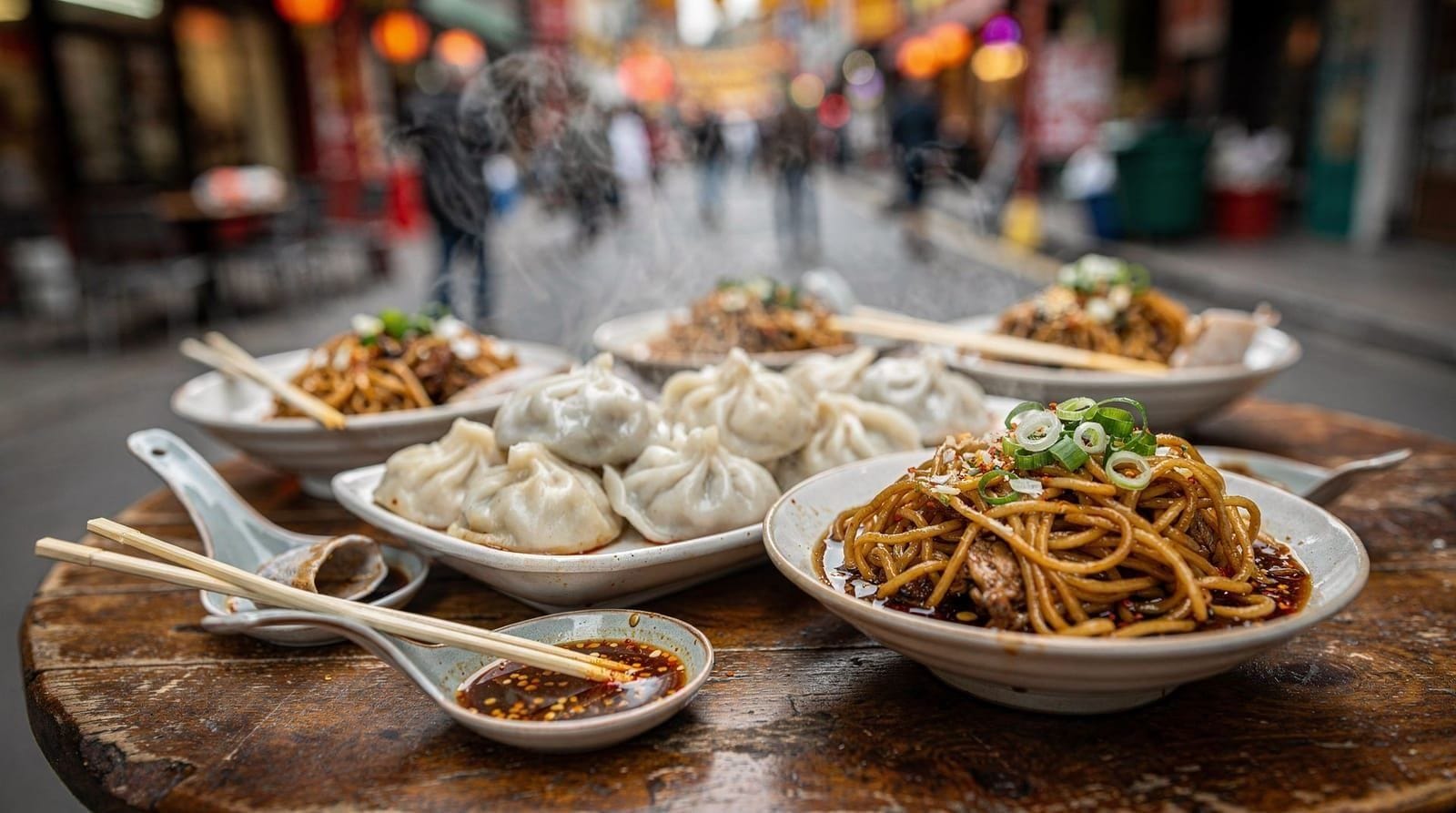
Kensington-Chinatown hidden gems walk: Splits time between Kensington Market and neighboring Chinatown, useful for visitors who want to see both adjoining neighborhoods without doing two separate tours on two separate days. Covered further in our Chinatown Toronto food guide.
What a typical tour actually looks like
Most Toronto food tours run 2.5-4 hours, cover 1.5-3 km on foot, and include 5-8 tastings sized to add up to a full meal by the end — arrive hungry, not full. Groups are typically 8-15 people with a single guide, though some operators offer smaller premium groups capped at 6-8 for a higher price. Expect a mix of standing tastings at counters and a couple of short sit-down stops, plus running commentary on the neighborhood’s history between stalls rather than a rushed vendor-to-vendor sprint.
Pricing runs CAD $75-140 per person for a standard group tour, rising to CAD $180-220 for smaller private or premium options. That’s more than a self-guided grazing lunch (CAD $20-35 per person doing the same neighborhood solo), and the gap is the fair way to think about whether a tour is worth it for your trip: you’re paying for context, efficiency, and a curated route, not cheaper food.
When to skip the tour and go solo
If you’re staying in Toronto more than three or four days, doing St. Lawrence Market or Kensington Market solo on one visit and returning without a tour on a second visit is a reasonable way to save the tour budget for a neighborhood you’re less confident navigating alone, like Chinatown if you don’t read Chinese-language signage easily. Solo visits also let you linger at one stall rather than moving to a schedule, which matters if you find a vendor you want to sit with rather than sample and move on from.
Families with young children are often better served going solo too — most food tours are paced for adults and don’t build in the flexibility a tired toddler requires. Our things to do with kids in Toronto guide has more on family-friendly food options that don’t require a fixed tour schedule.
Combining a tour with the rest of your trip
A single morning food tour pairs well with an afternoon at a nearby attraction rather than a second food-focused activity — St. Lawrence Market tours leave you close to the Distillery District and Harbourfront, while Kensington Market tours leave you close to Queen West and the University of Toronto campus. Trying to stack two food tours in one day is rarely worth it; by the second tour’s tastings, most visitors are too full to appreciate what’s in front of them.
If food is a major reason for your Toronto trip rather than one activity among many, consider spacing two different-neighborhood tours across separate days of your visit instead — a St. Lawrence Market tour on day one, a Kensington Market or Chinatown tour on day three, with a non-food day in between to reset your appetite and your budget.
What guides actually add beyond the food
The best Toronto food tour guides are usually longtime residents of the neighborhood they’re walking you through, not generalist tour company employees rotating between routes. That distinction matters more than it sounds — a guide who’s shopped at St. Lawrence Market for 15 years knows which vendor’s cheese counter has the best selection this particular week, not just which stall is famous. Ask your operator, when booking, whether guides are neighborhood residents or company-trained generalists; the better operators lead with this as a selling point because it’s genuinely a differentiator.
Guides also tend to know the unwritten rules that keep a tour running smoothly and respectfully — which vendors prefer smaller groups approaching at once, which stalls get overwhelmed during lunch rush and are better visited at 10am, and which neighborhood customs (haggling norms, photography etiquette inside a working market) aren’t posted anywhere but matter to the people running these small businesses every day. A rushed, poorly guided tour can leave vendors annoyed at repeat foot traffic; a well-run one builds a relationship that keeps vendors happy to host tour groups season after season.
Seasonal considerations for booking
Food tours run year-round in Toronto, but the experience shifts with the seasons in ways worth planning around. Summer (June-August) is peak season across every neighborhood — expect the largest tour groups, the longest vendor lines even with a guide’s help, and the widest tour schedule with multiple daily departures. Fall, especially September during TIFF, brings a surge in demand alongside the film festival crowds, and tours can sell out further in advance than usual.
Winter tours run smaller and slower, since several outdoor food stalls close seasonally, but indoor-heavy routes like St. Lawrence Market hold up well through the colder months since the market itself is fully enclosed. Spring is generally the quietest season for tour availability and the easiest time to book close to your travel dates without worrying about sell-outs.
Comparing a tour to building your own route
If you’re weighing whether to book a tour or design a self-guided food day, a useful middle ground is booking one guided tour for the neighborhood you’re least familiar with (often Chinatown or Kensington Market for first-time visitors) and self-directing the rest using our neighborhood-specific food guides, which lay out the same signature stops a tour would hit — St. Lawrence Market food guide, Kensington Market food guide, and Chinatown Toronto food guide all follow this same practical, vendor-by-vendor structure. This hybrid approach typically costs less than two full guided tours while still giving you the context and efficiency of a guide for the neighborhood that benefits from it most.
Practical notes
- Booking window: Popular tours, especially weekend mornings in summer and during TIFF in September, can sell out 1-2 weeks ahead — book earlier than you’d expect for a walking tour.
- Dietary restrictions: Most operators can accommodate vegetarian requests with advance notice; vegan and allergy accommodations vary by tour and are worth confirming directly before booking rather than assuming.
- What to bring: Comfortable walking shoes, a reusable water bottle, and loose layers — most tours run rain or shine with only severe weather triggering a reschedule.
- Tipping: Not mandatory but customary for a guide who does the job well — CAD $5-10 per person is a reasonable range for a half-day tour.
Building a two-day food itinerary around tours
For visitors with two full days to dedicate to Toronto’s food scene, a workable structure is a guided tour on day one to build orientation and confidence, followed by a self-directed day two revisiting favorite stops from day one plus a neighborhood the tour didn’t cover.
A common version: morning one, the St. Lawrence Market and Old Town tour; afternoon one, a self-directed walk through the Distillery District using our restaurant guide; morning two, a self-directed Kensington Market grazing session using our food guide; afternoon two, a Chinatown food walk, guided or solo depending on comfort level. This structure covers Toronto’s four strongest food neighborhoods across two days without over-scheduling either one, and leaves the second day flexible enough to linger somewhere that surprised you on day one.
If you’d rather sit down than walk
Not every food-focused outing needs to be a walking tour — our Toronto food halls guide compares Assembly Chef’s Hall and Stackt Market for groups who’d rather sit at one table and order from several vendors than walk a neighborhood route.
Frequently asked questions about Toronto food tours
Can I do a Toronto food tour if I have food allergies?
Most operators can work around common allergies with advance notice, but options narrow considerably for severe or multiple allergies. Contact the tour operator directly before booking rather than assuming the standard route can be adapted on the day.
Are Toronto food tours suitable for vegetarians?
Yes, most tours include at least two or three vegetarian-friendly stops, though the overall route may still lean toward meat-heavy signature dishes like peameal bacon. If vegetarian options are essential rather than incidental, ask the operator how many of the tastings are vegetarian before booking.
What’s the difference between a St. Lawrence Market tour and a Kensington Market tour?
St. Lawrence Market tours focus on a single historic indoor market with Canadian and European-Canadian food traditions; Kensington Market tours cover an open-air, multicultural neighborhood with a very different, scrappier character. They make a good pair across two separate visits rather than a choice between one or the other.
How far in advance should I book a Toronto food tour?
One to two weeks for weekday tours, two to three weeks for weekend mornings in peak summer season or during TIFF in mid-September, when demand for guided experiences across the city spikes.
Is a food tour a good idea on a first day in Toronto with jet lag?
It can help — the fixed schedule and food keep you moving and fed rather than napping through your first afternoon, which is a reasonable strategy for resetting to local time. Choose a shorter, less alcohol-heavy tour for a jet-lagged first day.
Do Toronto food tours work for large groups?
Most standard group tours cap around 12-15 people, which comfortably fits a large family or group booking as a block. For groups larger than that, contact the operator about a private tour, since standing in a pack of 20 at a small market counter defeats the purpose of a guided food tour.
Is a food hall a cheaper alternative to a guided food tour?
Yes, if you mainly want a variety meal without the neighborhood history — our food halls guide compares Assembly Chef’s Hall and Stackt Market, both considerably cheaper than a guided tour per person.
Top experiences
Bookable activities with verified prices and instant confirmation on GetYourGuide.