Leslieville
Guide to Leslieville, Toronto's east-end brunch and design neighbourhood: Queen Street East cafes, antique shops, and how it compares to The Beaches.
Quick facts
- Best base for
- Brunch, independent design shops, a slower morning
- Nearest transit
- 501 Queen streetcar
- Character
- Former industrial strip turned brunch capital
- Nickname
- Toronto's unofficial 'brunch district'
From industrial strip to brunch capital
Leslieville’s transformation is one of the more thorough examples of Toronto’s east-end gentrification story. Through much of the 20th century, this stretch along Queen Street East between Carlaw and Coxwell was a working-class industrial and manufacturing area — the name itself comes from a 19th-century postmaster, George Leslie, whose family ran a large nursery business on the site.
By the 2000s, artists and young families priced out of Queen West began moving east, and the neighbourhood’s low-rise commercial strip filled in with cafés, design shops, and enough brunch spots that Leslieville earned an unofficial reputation as Toronto’s brunch capital — a title residents will debate with The Beaches but that sticks regardless.
The brunch scene, and why it earned the reputation
Leslieville’s density of well-regarded brunch and all-day breakfast spots along a fairly compact stretch of Queen Street East is genuinely unusual even by Toronto standards — you can walk a few blocks and pass half a dozen places with a weekend line out the door by 10am. The appeal isn’t any single legendary restaurant so much as a consistently high floor: it’s hard to pick badly here on a Saturday morning, which is rarer than it sounds in a city with this much restaurant turnover. Expect a 20-40 minute wait at the most popular spots on weekend mornings; weekday brunch (where offered) is a far calmer experience.
Antiques and independent design
Beyond food, Leslieville has built a reputation for antique and vintage furniture shops, several clustered along the eastern stretch of Queen Street East. This isn’t curated, expensive vintage in the Queen West mould so much as genuine secondhand furniture and homeware dealing, appealing to design-minded locals furnishing a home rather than tourists after a small souvenir. It’s worth a browse even without buying intentions, purely for the range of mid-century and older Canadian furniture on display.
A sample morning route
Start at the western edge near Carlaw Avenue and work east along Queen Street East, stopping wherever the shortest line looks manageable rather than committing to a single named restaurant, since the quality gap between the well-known spots and their less-hyped neighbours is genuinely small. After brunch, browse the antique and design shops clustered further east toward Greenwood Avenue, then finish with a coffee before continuing on to The Beaches via the same streetcar line if you have the afternoon free. The whole loop, brunch included, comfortably fills three hours.
The design and homeware scene beyond antiques
Alongside the secondhand furniture dealers, Leslieville has developed a smaller but notable cluster of contemporary Canadian design and homeware shops, several run by local makers selling directly from storefronts rather than through third-party retailers. It’s a useful contrast to the antique shops nearby — old and new Canadian design sitting within a few blocks of each other, both reflecting the neighbourhood’s broader identity as a magnet for design-minded residents over the past two decades.
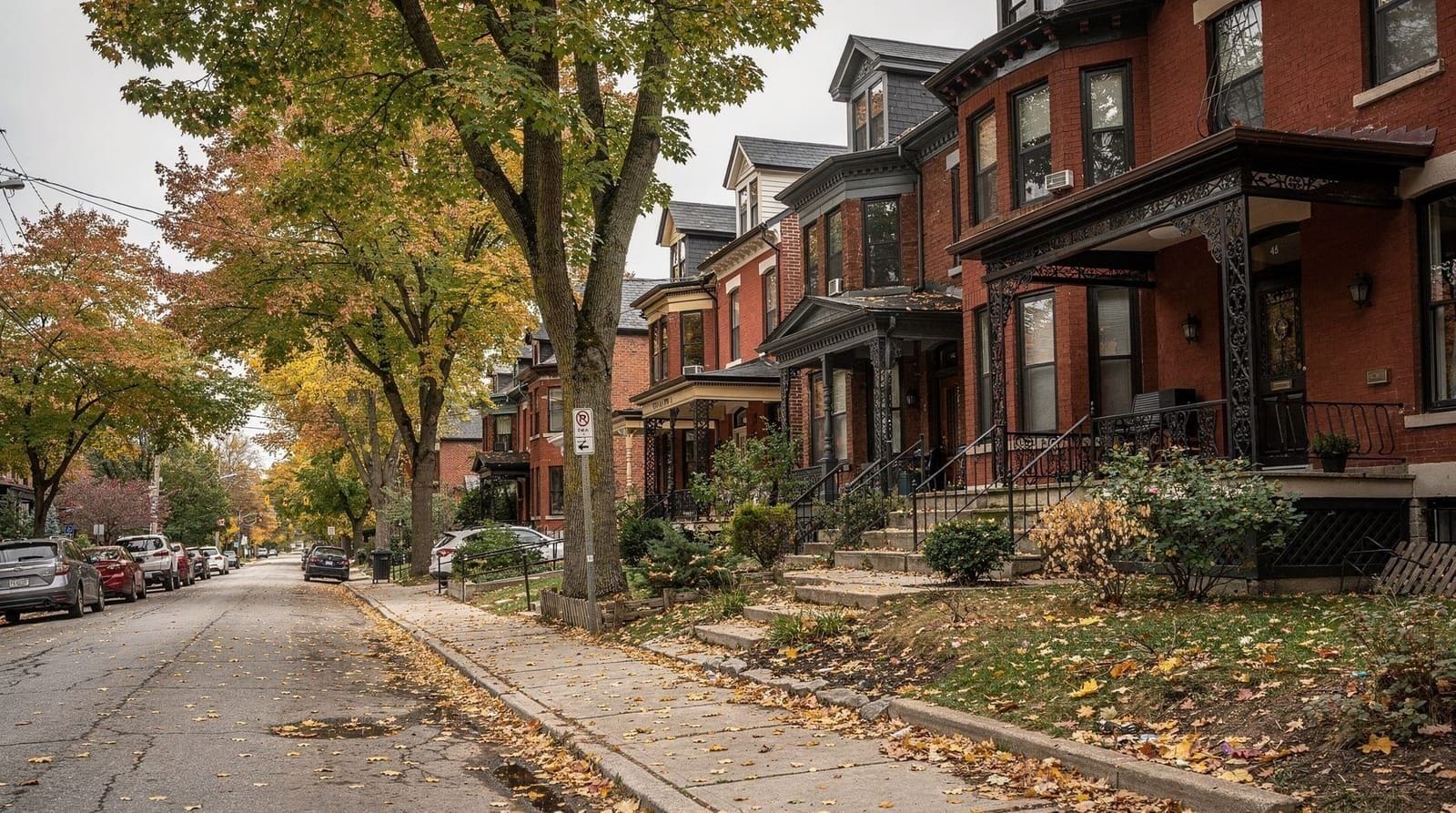
A quieter, more residential pace
Leslieville reads as more residential and less nightlife-driven than Queen West or the Entertainment District — the neighbourhood largely winds down by evening outside of dinner hours, and its appeal centres on daytime café culture and slow browsing rather than a bar scene. This makes it a comfortable half-day add-on rather than a full destination in its own right for most visitors, best paired with a nearby neighbourhood to fill out the day.
Getting there
The 501 Queen streetcar runs directly through Leslieville, connecting it to both downtown to the west and The Beaches further east along the same line. There’s no subway station directly serving the neighbourhood, which is part of why it retains a slightly less transit-thronged, more locally-oriented character than neighbourhoods with a station of their own.
Pairing Leslieville with a bigger day
Given its modest size, most visitors treat Leslieville as a stop rather than a full day out — a brunch or coffee break on the way to or from The Beaches further east, or Cabbagetown and the Distillery District to the west. The streetcar makes stringing these together in a single afternoon straightforward without doubling back through downtown.
Best time to visit
Weekend mornings are when Leslieville is at its most characteristic, with the brunch scene running at full capacity from roughly 9am through early afternoon. Since most of the neighbourhood’s draw is indoor dining and shopping rather than outdoor scenery, it holds up reasonably well year-round, unlike a park- or beach-dependent destination that loses its appeal in winter — though the outdoor patio seating that supplements several cafés in summer does add to the warm-weather experience specifically.
Leslieville’s coffee scene beyond brunch
Separate from the brunch restaurants, Leslieville has developed a solid independent coffee-shop scene, several roasting their own beans on-site, which makes the neighbourhood a reasonable stop even outside typical brunch hours if you just want a good coffee and a quiet spot to sit. This layer of the neighbourhood gets less attention than the headline brunch reputation but is arguably more useful for a shorter, less time-committed visit.
Getting a fuller picture of the east end
Leslieville sits within a broader stretch of east-end neighbourhoods — Cabbagetown to the west, The Beaches further east — that together give a genuinely different read on Toronto than the downtown core or west-end neighbourhoods like Queen West. Visitors with more than a couple of days often find stringing these three together along the 501 Queen streetcar corridor gives a more complete, less tourist-concentrated picture of how the city actually lives day to day.
Practical tips
If brunch is the priority, arrive before 10am on weekends or expect a genuine wait at the most popular spots — most don’t take reservations for smaller parties. The neighbourhood’s antique shops keep somewhat irregular hours compared to standard retail, so it’s worth checking specific opening times before making a special trip for a particular shop. Leslieville is compact enough to cover on foot in an hour or two once you’re there, making it easy to combine with a longer day elsewhere in the east end.
From George Leslie’s nursery to today’s design district
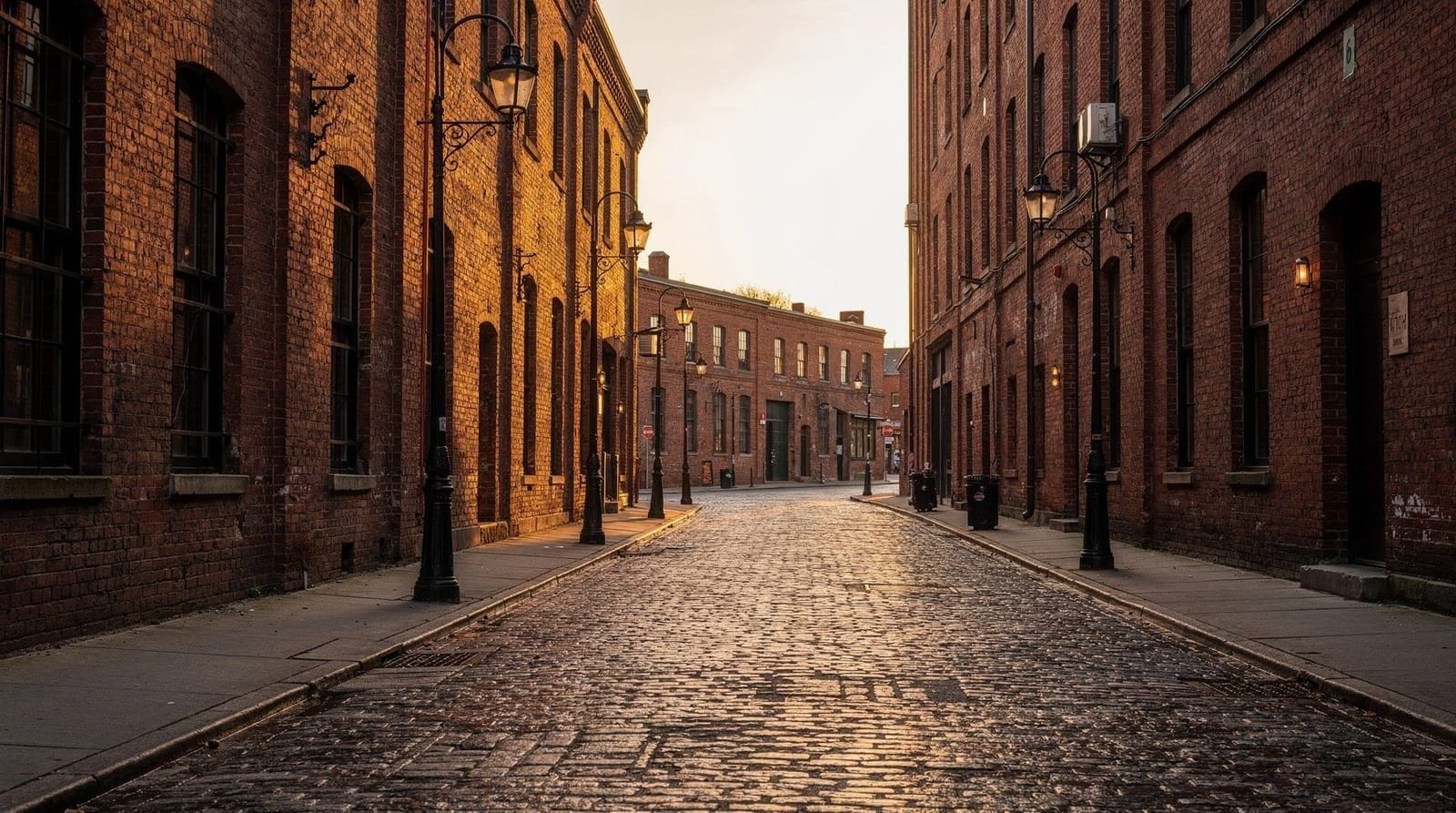
The neighbourhood’s namesake, George Leslie, ran a substantial nursery and horticultural business on the site through the mid-to-late 1800s, and while nothing of that operation remains visible today, the connection is a fitting bit of trivia given how strongly the current neighbourhood identity leans into a curated, design-conscious aesthetic — from its antique furniture shops to its carefully styled brunch spots. The industrial period that followed Leslie’s era, running through most of the 20th century, left the low-rise commercial building stock that today’s cafés and shops now occupy, largely unchanged in footprint even as the interiors and signage have been completely reimagined.
A neighbourhood still in transition
Unlike more fully gentrified strips such as Queen West, Leslieville still has visible pockets of its industrial and working-class past mixed in among the newer cafés and design shops — an auto body shop next to a specialty coffee roaster, a decades-old hardware store beside a boutique. This ongoing, incomplete transition is arguably part of the neighbourhood’s current appeal, giving it a texture that a fully polished retail strip lacks, though locals note it’s changing quickly enough that the balance shifts noticeably year over year.
Weekday versus weekend character
Leslieville shows a noticeably different face on weekdays versus weekends. Weekday mornings are genuinely quiet, with cafés serving a mix of remote workers and neighbourhood regulars rather than the lengthy brunch queues that define a typical Saturday. If you’re specifically trying to avoid crowds while still experiencing the neighbourhood’s café culture, a weekday visit delivers a calmer, arguably more authentic read on how residents actually use the strip day to day, at the cost of missing the particular energy that draws people here on weekends.
What makes Leslieville worth the detour
For visitors who’ve already covered the major downtown sights and want a genuine sense of how a comfortable, design-conscious Toronto neighbourhood actually functions day to day, Leslieville delivers that better than most tourist-oriented stops precisely because it isn’t built around a single attraction. It’s a neighbourhood of small, cumulative pleasures — a good coffee, a browse through vintage furniture, a relaxed brunch — rather than a checklist item, which is either exactly what a slower travel day calls for or, if you’re working through a tight sightseeing itinerary, a stop better saved for a return trip.
Practical budget expectations
A typical brunch for two, coffee included, runs roughly C$40-60 depending on the spot, broadly comparable to similar café-and-brunch neighbourhoods elsewhere in the city rather than a premium destination. Antique furniture prices vary far more widely, from modest decorative pieces to genuinely significant mid-century finds priced accordingly, so browse with a specific budget in mind if furniture shopping is part of your plan.
One more practical detail
Street parking along Queen Street East is limited and metered during business hours, so if you’re driving rather than taking the streetcar, budget extra time to find a spot, particularly on weekend mornings when the brunch crowd is also competing for the same limited spaces.
Leslieville versus The Beaches for a brunch morning
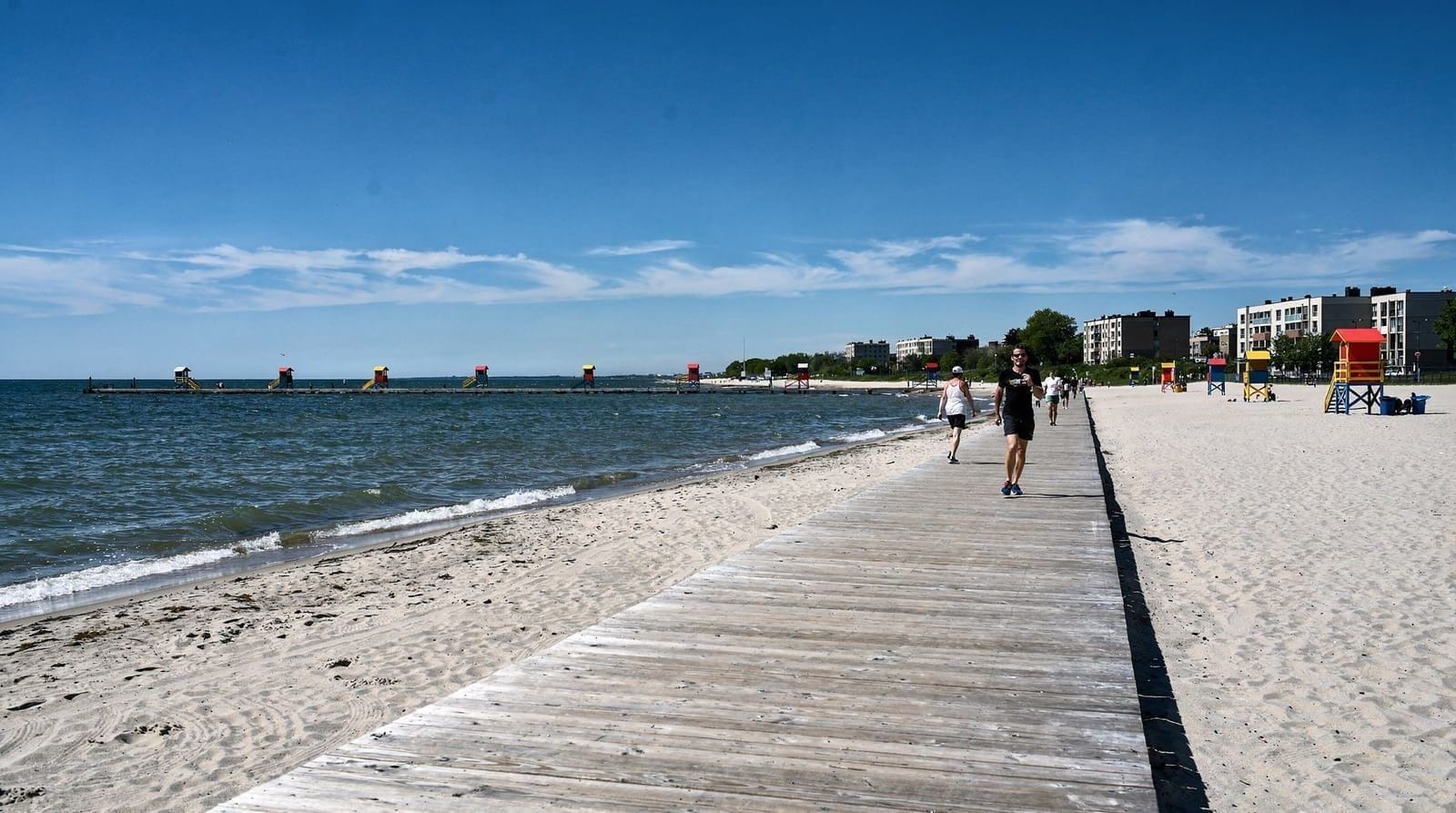
Both neighbourhoods sit on the 501 Queen streetcar line and both claim a “brunch destination” reputation, but the experiences differ. The Beaches pairs its cafés with a genuine boardwalk and lake views, making it feel more like a day out; Leslieville’s appeal is denser and more concentrated, a tighter walk between more restaurants per block without the beach backdrop. If sunshine and a walk along the water matter as much as the food, go east to The Beaches; if you want to maximize the number of good brunch options within a short walk, Leslieville has the edge.
A final honest note
Leslieville is a genuinely pleasant, low-key neighbourhood, but visitors expecting a major standalone attraction on the scale of the Distillery District or Kensington Market should recalibrate expectations — its charm is cumulative and low-key rather than built around a single must-see landmark, which suits a relaxed morning better than a tightly scheduled sightseeing itinerary.
Frequently asked questions about Leslieville
Why is Leslieville called Toronto’s brunch capital?
The neighbourhood built an unusually high concentration of well-regarded brunch and all-day breakfast restaurants along a compact stretch of Queen Street East starting in the 2000s, and the reputation has stuck as more spots have opened since.
How do I get to Leslieville from downtown?
The 501 Queen streetcar runs directly through the neighbourhood; there’s no subway station serving Leslieville directly.
Is Leslieville worth a full day?
Not typically on its own — most visitors pair a few hours here with a visit to The Beaches further east or Cabbagetown to the west, both reachable via the same streetcar corridor.
Does Leslieville have nightlife?
Limited compared to Queen West or the Entertainment District — the neighbourhood’s character is more daytime café and brunch-focused than bar- or club-driven.
What’s the best time to visit Leslieville for brunch?
Weekday mornings for shorter waits, or arrive before 10am on weekends if you want the full atmosphere without a long line.
Are the antique shops in Leslieville expensive?
Prices vary widely by shop and item, generally reflecting genuine secondhand and vintage furniture value rather than curated boutique markups, though standout pieces can still carry a premium.