The Beaches
Guide to The Beaches, Toronto's east-end lakefront neighbourhood: the boardwalk, Kew Gardens, Queen Street East shops, and how to get there by streetcar.
Toronto: City Walking Tour
Quick facts
- Best base for
- A slower, residential side of the city
- Nearest transit
- 501 Queen streetcar
- Boardwalk length
- About 3km along Lake Ontario
- Character
- Small-town feel inside city limits
Toronto’s small-town neighbourhood
The Beaches sits at the far east end of the city, close enough to downtown to reach by a single streetcar line but far enough removed that it genuinely feels like a different place — low-rise houses with front porches, a main street of independent shops rather than chains, and a boardwalk that draws a mostly local crowd rather than tour buses. Toronto proper has a handful of neighbourhoods that trade the density of the core for a slower pace, and The Beaches (locals debate whether it’s “Beach” singular or “Beaches” plural, and both are used interchangeably in practice) is the most complete version of that trade.
| Where | East end Toronto, along Lake Ontario |
| Time needed | Half-day to full day |
| Getting there | 501 Queen streetcar (~30-40 min from downtown) |
| Cost | Free to walk; meals/cafes casual and mid-range |
| Best time | June-September for the beach; year-round for the neighbourhood |
The boardwalk and the beaches themselves
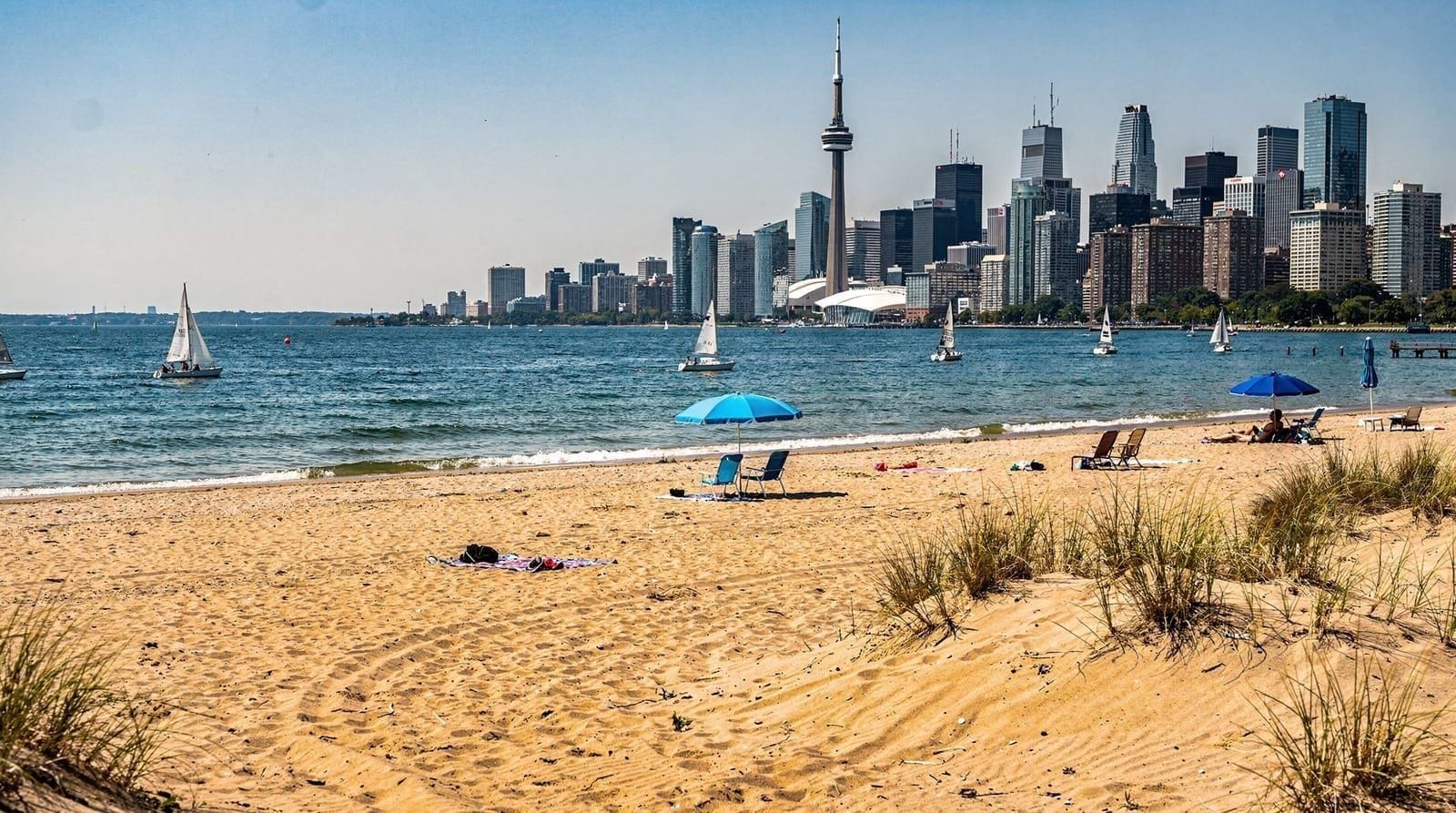
A roughly three-kilometre wooden boardwalk runs along Lake Ontario from Woodbine Beach in the west to Balmy Beach in the east, connecting a string of sandy beaches that get progressively quieter the further east you walk. Woodbine, the largest, has the most amenities — a supervised swimming area in summer, beach volleyball courts that host regular pickup games and occasional tournaments, and the closest parking. Kew Beach, fronting Kew Gardens park, is the most central and popular with families. Balmy Beach, furthest east, is the quietest and best for an actual walk rather than a crowd scene. Lake Ontario’s water quality here is tested regularly by the city; check current advisories before swimming, particularly after heavy rain.
If you’d rather start with an orientation before wandering the boardwalk on your own, a broader Toronto city walking tour that includes an east-end stretch can be a useful primer, giving context on the neighbourhood’s cottage-community origins before you set off exploring solo.
Kew Gardens and the residential streets
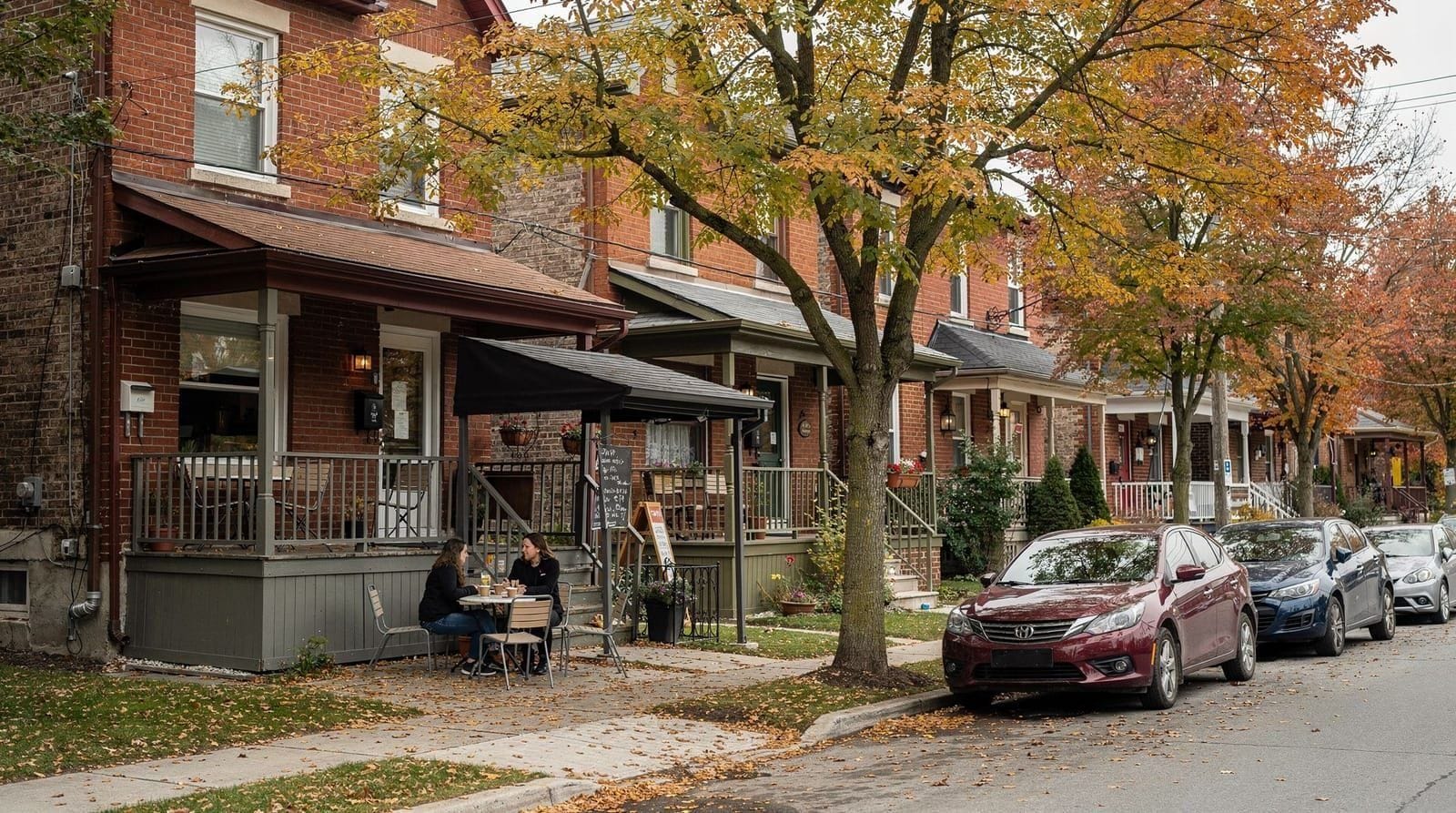
Kew Gardens, a park just off the boardwalk, anchors the neighbourhood’s community life — it hosts a farmers’ market in summer, has tennis courts and a wading pool, and its Victorian-era gazebo is a popular, low-key wedding photo spot. Wander a block or two inland from the lake and you’ll find the neighbourhood’s real character: tree-lined streets of century-old homes, many with the wraparound porches and gabled roofs typical of the area’s early-20th-century development as a lakeside cottage community before it was absorbed into the city proper.
Queen Street East
The neighbourhood’s commercial spine runs along Queen Street East, a stretch of independent boutiques, cafés, and restaurants that has largely avoided the chain-store creep affecting comparable strips elsewhere in the city. It’s a good place for a slow coffee-shop afternoon rather than a checklist of must-see stops — the appeal here is closer to a small town’s main street than a destination attraction. Ed’s Real Scoop, a long-running ice cream shop, is a neighbourhood institution worth the stop in summer.
From lakeside cottages to city neighbourhood
The Beaches began in the late 1800s as a cluster of summer cottage communities built by Torontonians escaping the city’s heat, strung along the lakeshore well outside the city limits of the time.
Amusement parks (long since gone) and a streetcar line extended out from downtown in the early 1900s gradually turned the seasonal cottage colony into a year-round residential neighbourhood, though the area wasn’t formally annexed into the City of Toronto until 1884, and its distinct, small-town character survived that administrative absorption more intact than most annexed communities managed. Many of the neighbourhood’s older homes still carry the compact footprint and porch-forward design of their cottage-era origins, even where they’ve been renovated and expanded over the decades.
The Beaches International Jazz Festival
Every July, Queen Street East and the boardwalk host the Beaches International Jazz Festival, a free, multi-day event with dozens of stages ranging from a main outdoor stage to small storefront performances. It draws a genuinely large crowd for a neighbourhood this size, and if your visit lines up with the festival dates, expect Queen Street East to be considerably busier and livelier than a typical summer weekend — check the current year’s dates before planning around it, since it shifts slightly year to year.
Cycling the Martin Goodman Trail
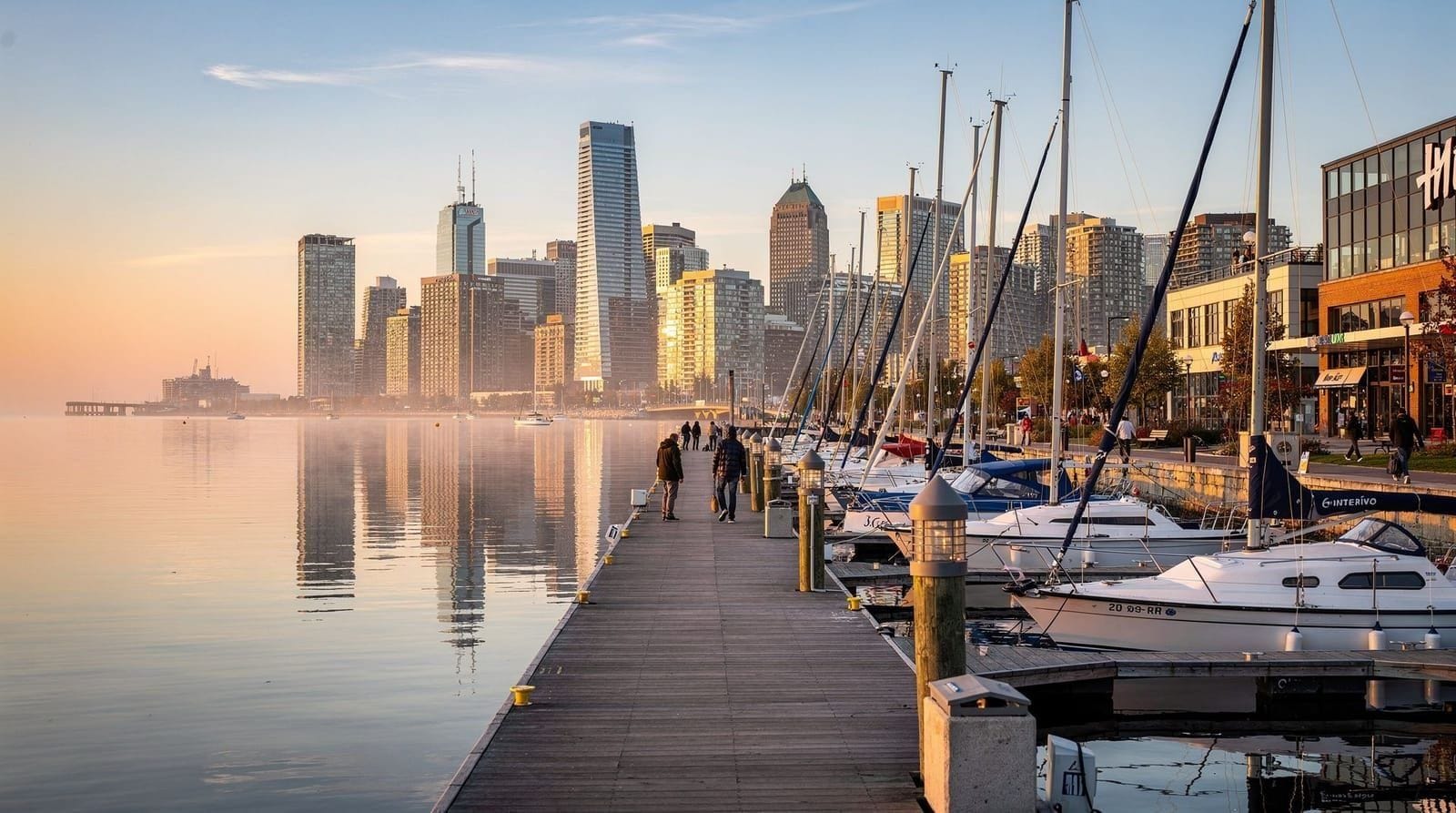
The Martin Goodman Trail, a paved multi-use path, runs the length of the boardwalk and continues west all the way to Harbourfront and beyond, making The Beaches a natural starting or ending point for a longer waterfront ride. A general bike tour through the heart of downtown can be extended informally into this stretch if you’re comfortable riding independently afterward, since the trail itself needs no guide once you’re on it — it’s flat, well-marked, and hard to get lost on.
Getting there
The 501 Queen streetcar runs directly through The Beaches along Queen Street East, connecting to downtown in roughly 30-40 minutes depending on traffic — this is a genuinely slower route than a subway ride would be, since streetcars share the road with cars for most of the line, so budget extra time versus a Line 1 or Line 2 trip. There’s no direct subway service to the neighbourhood, which is part of why it retains a slightly removed, less transit-thronged feel compared to neighbourhoods with a station of their own.
Off-season and shoulder-season notes
Visitors weighing an off-peak trip should know the neighbourhood doesn’t shut down outside summer — Queen Street East’s cafés and independent shops run year-round, and a crisp fall or early spring boardwalk walk has its own appeal without the crowds of a July weekend. Winter is the quietest stretch, with the beaches themselves largely empty, but the boardwalk stays walkable for anyone bundled up for a cold-weather stroll along the frozen-edged shoreline.
Where to eat
Beyond Queen Street East’s independent cafés, the neighbourhood has a solid, unpretentious mix of casual restaurants geared toward locals rather than tourists — fish and chips shops, brunch spots that fill up on weekends, and a scattering of ice cream and gelato stops that do brisk business on summer evenings. It’s not a destination for fine dining the way Yorkville is; the appeal is casual and unhurried.
Best time to visit
June through September is peak season, when the boardwalk, beaches, and volleyball courts are all in full use and the neighbourhood’s outdoor patios fill up. Spring and fall offer a quieter version of the same walk with fewer crowds, still pleasant given the neighbourhood’s residential character holds up regardless of season. Winter is genuinely quiet — the beaches empty out, but the boardwalk itself remains walkable and has its own stark, windswept appeal for a cold-weather walk if you’re already in the city.
Accessibility along the boardwalk
The boardwalk itself is a level, paved-and-wood surface that’s manageable for wheelchairs and strollers along most of its length, and Woodbine Beach in particular has better facilities and access points than the quieter, less developed stretches further east toward Balmy Beach. Some sections of sand access remain naturally harder terrain regardless of infrastructure, as with any beach.
Where to stay if basing here
A small number of bed-and-breakfast style accommodations and boutique guesthouses operate in The Beaches’ residential streets, offering a genuinely different experience from a downtown hotel — quieter mornings, a short walk to the boardwalk, and a 30-40 minute streetcar commute into the core for anything you need there. This suits visitors prioritizing a slower, more residential feel over proximity to downtown’s density, though it’s a less practical base if your itinerary is otherwise concentrated in downtown or the west end.
Practical tips
If you’re coming specifically for the beach on a hot summer weekend, arrive early — parking near Woodbine Beach fills quickly, and the streetcar gets crowded with the same crowd you’re trying to beat. This is a genuinely residential neighbourhood, so keep noise down on the smaller side streets, particularly in the evening. The boardwalk itself has minimal shade, so plan for sun exposure on a summer walk.
Wildlife and the natural side of the boardwalk
Because the boardwalk runs directly along Lake Ontario with green space buffering much of its length, it’s a reasonably good spot for casual birdwatching, particularly during spring and fall migration when the lakeshore draws a variety of waterfowl and songbirds passing through. It’s not a dedicated nature reserve the way a spot like High Park’s savannah sections are, but the combination of open water, mature trees, and minimal car traffic makes for a pleasant, quieter walk than most other lakefront stretches in the city offer.
Comparing The Beaches to Toronto’s other lakefront options
Visitors deciding between a beach day here versus the Toronto Islands should weigh a few practical differences: The Beaches requires no ferry and no queue, making it the more time-efficient option if you’re short on hours, while the islands offer the better skyline view and a more distinctly “getaway” feeling despite being closer to downtown as the crow flies. Families with young kids may find The Beaches’ more developed amenities (permanent washrooms, nearby residential streets for a stroller walk) slightly more convenient than the islands’ more seasonal, ferry-dependent infrastructure.
Comparing The Beaches to the Scarborough Bluffs
Both are lakefront options in the city’s east, but they deliver different experiences. The Scarborough Bluffs trade convenience for dramatic cliff scenery and a longer transit trip, while The Beaches offers an easy streetcar ride, a level boardwalk, and a genuinely walkable neighbourhood around it. Families or anyone short on time will generally get more out of The Beaches in a single afternoon; photographers and hikers chasing a more striking natural landscape may find the extra travel time to the bluffs worth it. The best beaches for families in Toronto guide has the fuller comparison across the city’s beach options if you’re weighing more than these two.
Real estate and why the neighbourhood feels different
The Beaches consistently ranks among the more expensive residential neighbourhoods in the city, a reflection of its lakefront position and low-density housing stock relative to the condominium towers common elsewhere in Toronto. This economic reality shapes the neighbourhood’s visible character — well-maintained houses, a distinct absence of the construction cranes common downtown, and a demographic that skews toward established families rather than the younger renter population found in neighbourhoods like Queen West or Kensington Market.
A final note on expectations
Visitors expecting a Caribbean-style beach vacation from the name alone should recalibrate — this is a genuine city beach on a great lake, with all the character and limitations that implies: good for a summer swim and a relaxed walk, not a substitute for a warm-water tropical getaway. Framed correctly, as a distinctly Toronto neighbourhood with lake access rather than a resort destination, it delivers exactly what it promises.
Combining a Beaches visit with other east-end stops
If The Beaches is your furthest point east for the day, consider working backward toward downtown along the same streetcar corridor, stopping in Leslieville for a coffee or a late lunch on the way. This turns a single-neighbourhood outing into a fuller sampling of the city’s less-touristed east end without requiring a separate trip out another day.
Frequently asked questions about The Beaches
Is The Beaches the same as the Toronto Islands?
No, they’re different places. The Beaches is a mainland neighbourhood in the city’s east end; the Toronto Islands are a separate ferry-accessible archipelago near downtown.
How do I get to The Beaches from downtown?
The 501 Queen streetcar runs directly to the neighbourhood, taking roughly 30-40 minutes from downtown depending on traffic. There’s no direct subway line to The Beaches.
Is swimming allowed at The Beaches?
Yes, with supervised swimming areas at Woodbine Beach in summer. Check the city’s current water quality advisories before swimming, particularly after heavy rain.
Is The Beaches good for a family day out?
Yes, it’s one of the more family-friendly parts of the city, with Kew Gardens’ playground and wading pool, wide sandy beaches, and a low-traffic, walkable main street.
How long should I spend in The Beaches?
Half a day covers a boardwalk walk and a stop on Queen Street East. A full day allows time to actually spend at the beach if the weather cooperates.
Is The Beaches expensive?
No, it’s noticeably more affordable and casual than neighbourhoods like Yorkville — most restaurants and shops here are mid-range rather than upscale.
Is The Beaches better than the Scarborough Bluffs for a lakefront day?
It depends on the priority — The Beaches is faster to reach, flatter, and more amenity-rich, making it the more convenient choice for families or a short visit, while the Scarborough Bluffs offer a more dramatic, distinctly natural landscape worth the longer trip for photographers and hikers.
Can I combine The Beaches with Leslieville in one visit?
Yes — they sit along the same streetcar corridor, so working from The Beaches back toward downtown with a stop in Leslieville for coffee or lunch is a natural, easy combination.
Top experiences
Bookable activities with verified prices and instant confirmation on GetYourGuide.