Niagara Falls, USA side
Planning to see Niagara Falls from the American side? Border crossing tips, Maid of the Mist, and how it compares to the Canadian view from Toronto.
Niagara Falls USA Tour with Maid of the Mist Boat Ride
Quick facts
- Distance from Toronto
- 140 km / 2 hours by car, including border crossing
- Border document required
- Passport (driver's license alone is not sufficient)
- Currency
- US dollar (CAD often accepted at par or close to it, but rates vary)
- Best time to visit
- May-October for Maid of the Mist boat season
Is it worth crossing the border to see the other side?
Niagara Falls, New York sits directly across the gorge from Niagara Falls, Ontario, connected by the Rainbow Bridge — a walk of about 10 minutes if the border line is short. Most travelers base themselves on the Canadian side, where the wider view of Horseshoe Falls and the larger tourism infrastructure make it the natural home base. But the American side has its own, genuinely different, vantage points, and for travelers with a US passport already in hand, it’s a reasonable half-day add-on rather than a full separate trip.
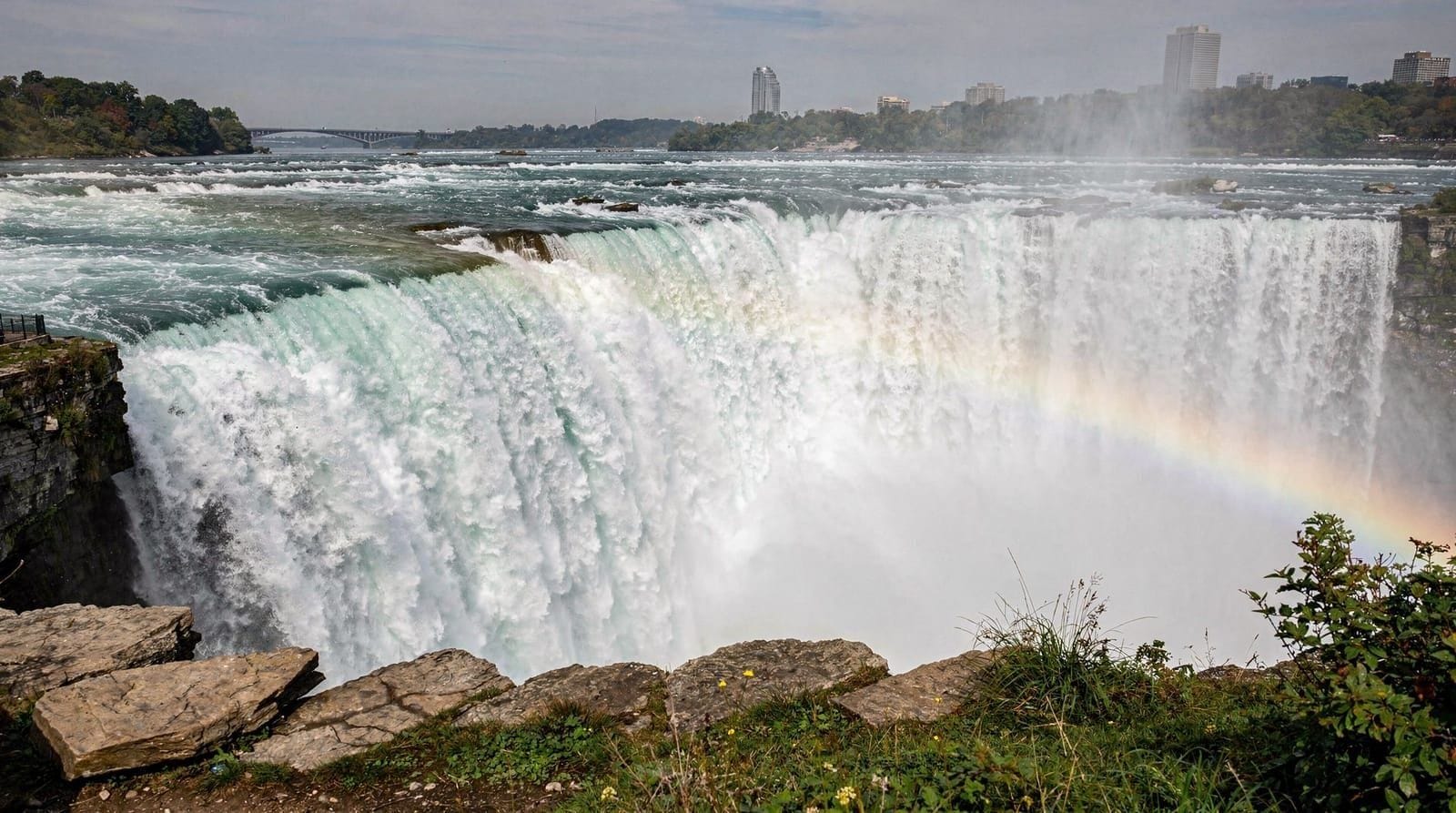
The honest comparison: the Canadian side gives you the classic postcard view, looking across at Horseshoe Falls from a distance that shows the full curve of the falls. The American side puts you closer to American Falls and Bridal Veil Falls, including viewpoints from Goat Island and Prospect Point that look down and along the water rather than across at it — a different, more immersive angle, though it doesn’t capture Horseshoe Falls’ full sweep as well.
Getting there from Toronto
By car: about 2 hours total from Toronto, factoring in the drive to the Canadian side (1.5 hours) plus the border crossing itself, which can add anywhere from 10 minutes to over an hour depending on time of day and season. Summer weekends see the longest waits at the Rainbow Bridge and Peace Bridge crossings.
On foot across the Rainbow Bridge: the most common approach for travelers already staying in Niagara Falls, Ontario — park or stay on the Canadian side, walk across, and walk back. A small toll applies for pedestrians, and passport control happens on both ends.
By organized tour: some operators run bundled itineraries covering both sides in a single day, including the crossing logistics, which removes the uncertainty of border wait times from your own planning.
What to actually do on the American side
Maid of the Mist, the US equivalent of the Canadian Hornblower cruise, has been running boat tours into the base of the falls since 1846, making it the older of the two operations by name if not by current vessel. It departs from Prospect Point and follows a similar route to the Canadian boats, into the mist at the base of the falls. The Niagara Falls USA tour with Maid of the Mist boat ride bundles the cruise with a broader sightseeing tour of the American side, useful if you’re not sure what else is worth seeing beyond the boat.
Cave of the Winds puts you on wooden platforms at the base of Bridal Veil Falls, close enough that the spray is genuinely forceful — a wetter, more physical experience than the boat tour, and one of the few attractions unique to the American side.
Goat Island sits between the American and Canadian falls, connected by a short bridge, and offers walking paths with views of both Horseshoe Falls and American Falls that you don’t get from either mainland side. It’s free to walk and often the quietest spot to actually stand and look at the falls without a crowd.
Niagara Falls State Park, America’s oldest state park, surrounds the American attractions and includes the Niagara Gorge Discovery Center and observation tower — worth combining with Maid of the Mist and Cave of the Winds in a single ticket bundle if you’re spending the better part of a day here. The Maid of the Mist boat and falls sightseeing tour covers this combination with a guide who can point out which viewpoints are worth the walk.
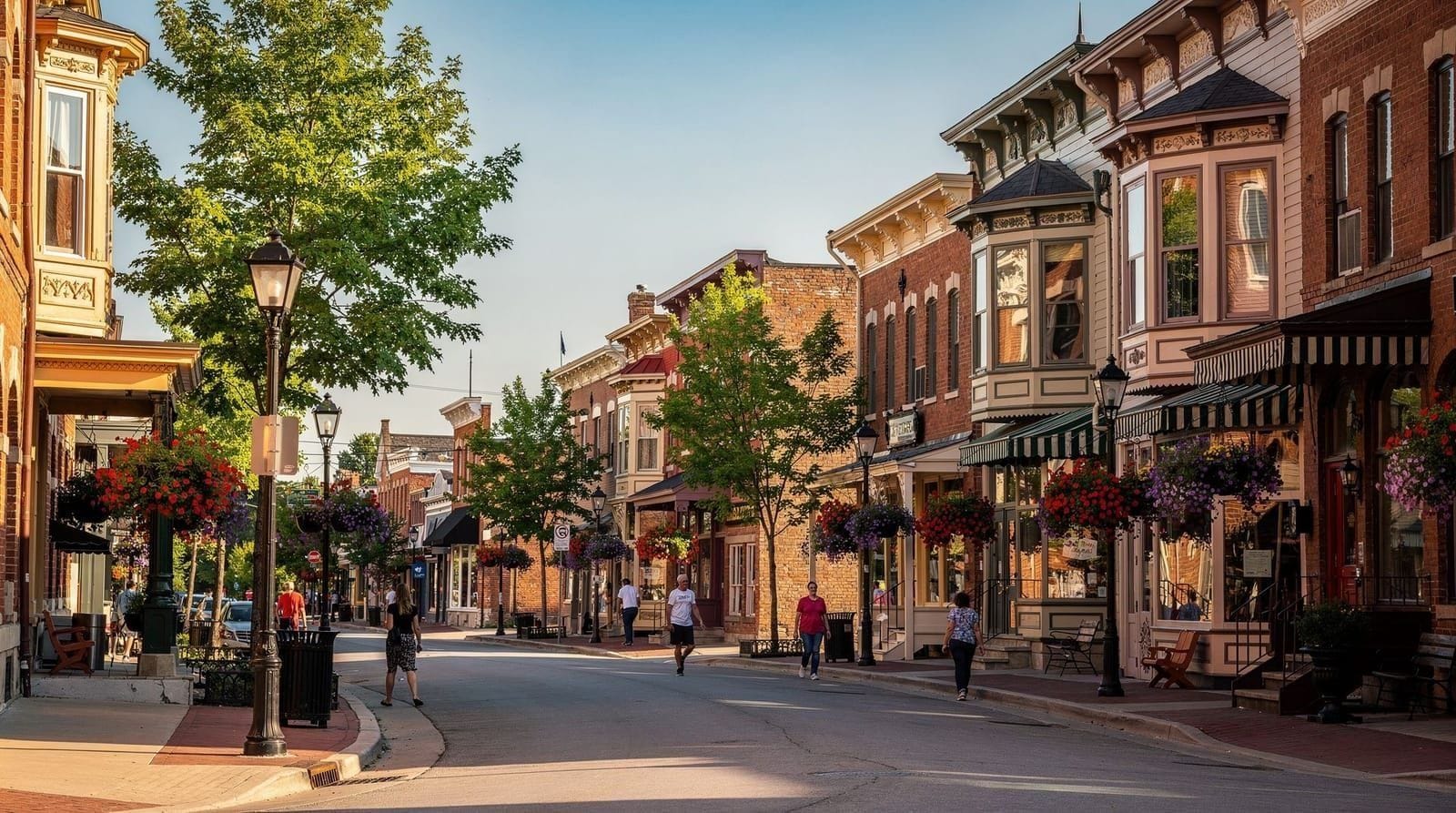
Niagara Falls, New York, the city itself, separate from the state park attractions, is a smaller and considerably less developed tourist town than its Ontario counterpart — worth knowing going in, since visitors expecting a Clifton Hill-style entertainment strip on the American side will find something quieter and less commercially built up.
History worth knowing before you cross
Niagara Falls State Park, established in 1885, holds the distinction of being the oldest state park in the United States, part of a 19th-century conservation movement to protect the falls from unchecked commercial development on the American side — a contrast to how much of the immediate area around the Canadian falls was later developed for tourism. That history is part of why Goat Island and the surrounding park grounds feel more preserved and less commercially dense than Clifton Hill just across the gorge, and it’s worth appreciating as a genuinely early and influential piece of American conservation history, not just a footnote to the falls themselves.
Best time to visit
May through October is Maid of the Mist’s operating season, closely mirroring the Canadian side’s boat schedule. Summer (June–August) is busiest and hottest; September and early October offer the same attractions with noticeably shorter lines, particularly on weekdays.
Winter visits are possible for viewing the falls and Goat Island, but Maid of the Mist doesn’t run, and several outdoor attractions close or reduce hours, making the Canadian side’s winter offerings (Skylon Tower, illuminated falls) a more complete cold-weather visit by comparison.
Practical tips
- Bring a passport, not just a driver’s license — a passport or NEXUS card is required to re-enter Canada by land, and US citizens crossing into Canada also need a passport or equivalent.
- Currency: US dollars are the default on the American side; Canadian dollars are sometimes accepted but usually at an unfavorable rate, so it’s worth having a card or small amount of USD cash.
- Check border wait times before crossing on a summer weekend — the Rainbow Bridge pedestrian crossing can back up significantly on July and August afternoons.
- Don’t plan a full separate day unless you’re specifically drawn to Goat Island or Cave of the Winds — most travelers find a half-day crossing sufficient, saving the rest of the day for the Canadian side or Niagara-on-the-Lake.
- Photography tip: the golden-hour light hits American Falls well from the Canadian side observation points in the late afternoon, so even photographers focused on the American Falls sometimes get the better shot from across the gorge.
- Keep your phone plan in mind: crossing into the United States can trigger roaming charges on a Canadian mobile plan, so check your carrier’s cross-border data policy before spending an extended period on the American side.
Where this fits in a longer trip
The American side works best as an add-on to a Niagara Falls trip based in Ontario, rather than a standalone destination. It doesn’t naturally combine with Niagara-on-the-Lake or Niagara Wine Country the same day, since the border crossing and time on the American side eat into the hours available for wine touring.
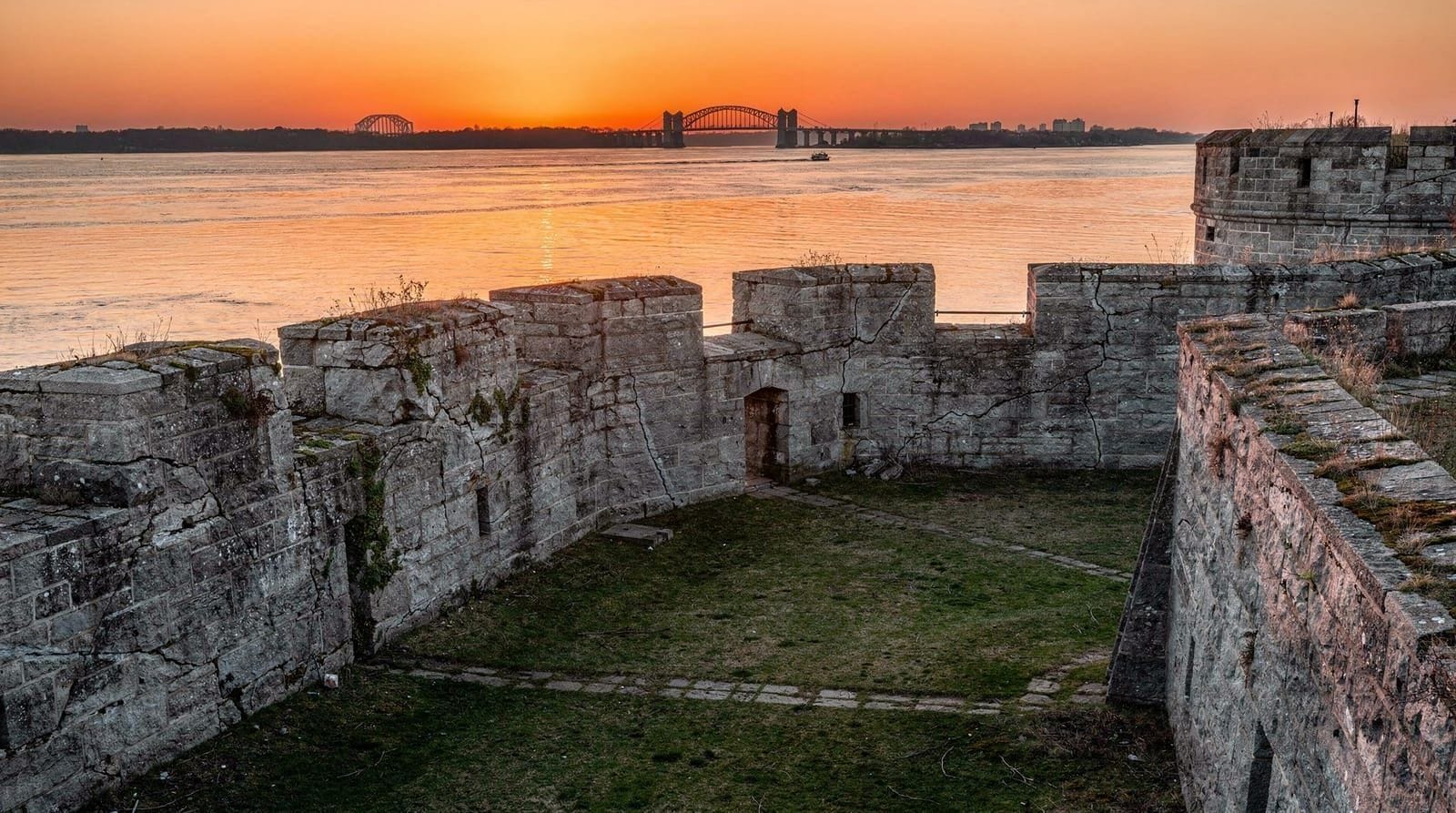
History-minded travelers sometimes pair a border-crossing day with Fort Erie, which sits across from Buffalo and shares the region’s War of 1812 history. For overall trip planning, see the Toronto and Niagara Falls in 4 days itinerary.
Related reading: our Niagara Falls Canada versus USA side comparison covers this decision in more depth, and how to get to Niagara Falls from Toronto outlines transport options for the wider trip.
If you’re weighing the boat tours specifically, Hornblower versus Journey Behind the Falls covers the Canadian-side equivalents for comparison. Honest-planner readers should also check Niagara Falls scams to avoid, which applies on both sides of the border, and whether you need a guided Niagara tour before booking a bundled cross-border package.
Budgeting the crossing
Beyond the falls attractions themselves, budget for the Rainbow Bridge pedestrian toll (a few dollars each way), USD cash or a no-foreign-transaction-fee card for meals and tickets, and a little buffer time for the border line. Combining the crossing with a bundled ticket like the Maid of the Mist boat and falls sightseeing tour simplifies same-day logistics if you’d rather not queue separately for Cave of the Winds and Maid of the Mist tickets.
Frequently asked questions about Niagara Falls, USA side
Do I need a passport to cross to the American side?
Yes. A passport or NEXUS card is required to cross the Rainbow Bridge in either direction; a driver’s license alone is not accepted at the Canada–US land border, even for a short walk across and back.
Is Maid of the Mist the same as the Canadian Hornblower cruise?
They’re separate operations on opposite sides of the border, both taking boats into the mist at the base of the falls along similar routes, but Maid of the Mist departs from the American side and Hornblower (branded Niagara Cruises seasonally) departs from the Canadian side. Many visitors do one or the other rather than both, since the experience is broadly similar.
Is the American side worth visiting if I’m short on time?
If you only have one day in Niagara, the Canadian side offers the better view and denser attraction cluster, so it’s the priority. The American side is worth adding only if you have a second day or specifically want to see Goat Island and Cave of the Winds, which are unique to that side.
How long does the border crossing take?
It varies widely — as little as 10–15 minutes on a quiet weekday morning, up to an hour or more on a summer weekend afternoon. Walking across the Rainbow Bridge on foot is often faster than driving during peak congestion.
Can I use Canadian dollars on the American side?
Some businesses accept CAD, but usually at an unfavorable exchange rate compared to using a card or carrying US dollars. It’s more practical to pay by credit card, which converts at the standard exchange rate, than to rely on cash exchange informally.
Is there a difference in view quality between the two sides?
Yes — the Canadian side faces Horseshoe Falls directly, capturing its full width in one view, while the American side sits above and beside American Falls, giving a closer but narrower perspective. Neither side sees Horseshoe Falls as well as Canada does, which is the main reason most trip planning centres on the Ontario side.
Is Niagara Falls, New York worth visiting as a town, not just the falls?
Not particularly — the American town is smaller and considerably less developed for tourism than the Ontario side, without an equivalent to Clifton Hill’s entertainment strip or the density of hotels and restaurants on the Canadian side. Most visitors treat it purely as the site of the falls-adjacent attractions rather than a destination town in its own right.
Why is Niagara Falls State Park historically significant?
It was established in 1885 as the first state park in the United States, created specifically to protect the falls and surrounding land from unchecked commercial development — an early and influential moment in the American conservation movement. That history is part of why the park grounds feel more preserved and less commercially built-up than some of the development on the Canadian side.
Top experiences
Bookable activities with verified prices and instant confirmation on GetYourGuide.