How to get to Niagara Falls from Toronto
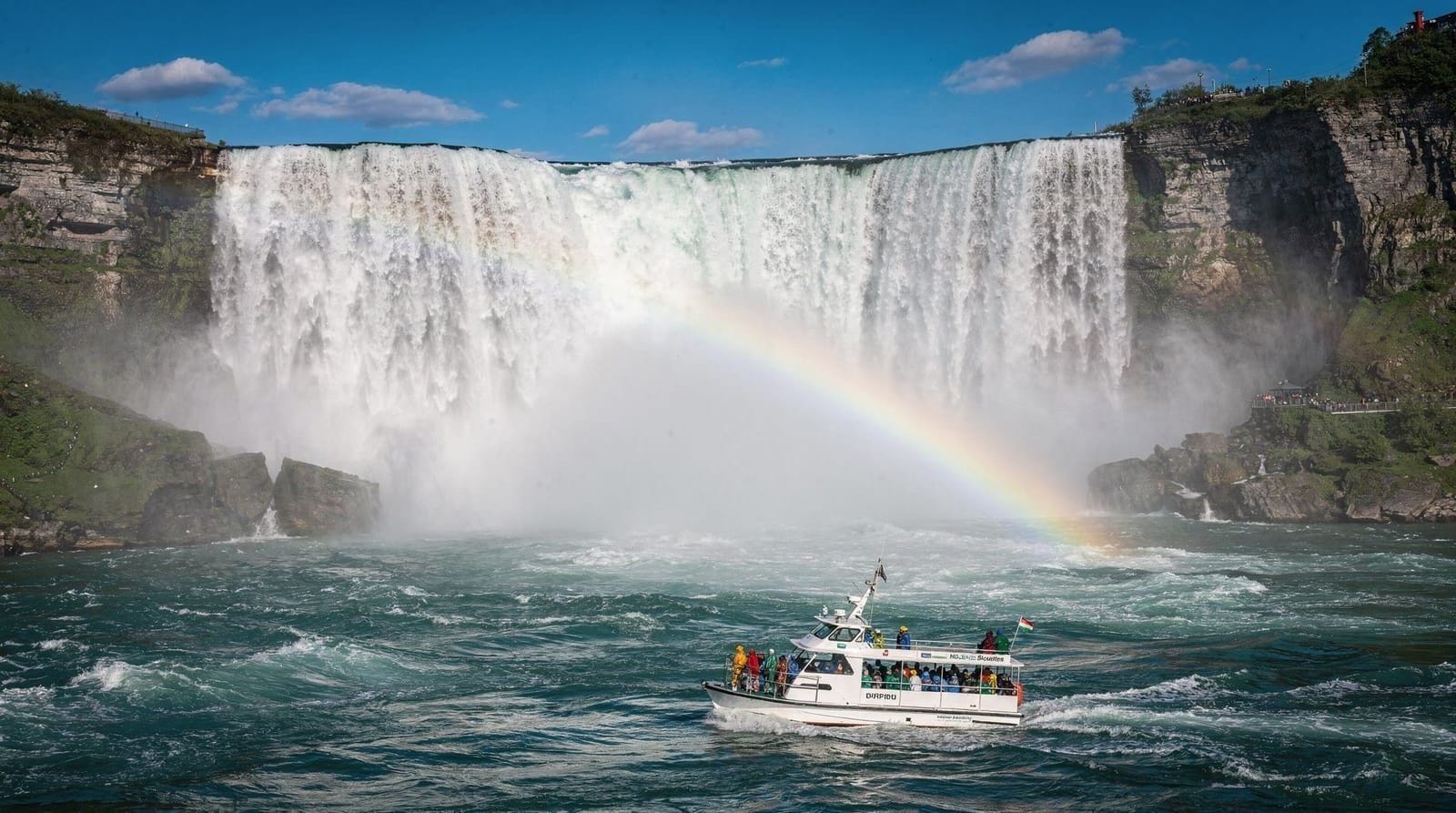
Niagara Falls Scenic Day Tour from Toronto Airport Pickup
What's the best way to get from Toronto to Niagara Falls?
Driving via the QEW is fastest at about 1.25 to 1.75 hours and gives the most flexibility, especially if you want to add Niagara-on-the-Lake. GO Transit bus is the cheapest no-car option at roughly 2 hours. A guided tour is the best choice if you want the falls plus wine country handled in one booked package.
Four ways to get there, and which one actually suits your trip
Niagara Falls is the single most popular day trip from Toronto, and as a result, it’s also the destination with the most transport options — driving, GO Transit bus, a guided tour, and, in a more roundabout way, VIA Rail’s cross-border service. Each has real trade-offs in cost, time, and flexibility, and the right choice depends less on which is objectively “best” and more on what else you’re hoping to fit into the day.
| Time | Cost (around) | Best for | |
|---|---|---|---|
| Driving (QEW) | 1.25-1.75 hrs | $30-50 CAD total, split among the car | Flexibility, adding Niagara-on-the-Lake |
| GO Transit bus | ~2 hrs | $24-40 CAD round trip/person | Cheapest car-free option |
| Guided tour | Varies, full day | $80-150+ CAD/person | Hands-off, bundled extras |
| VIA Rail (Maple Leaf) | Long | Higher, cross-border pricing | Not recommended for a day trip |
Driving via the QEW
Driving is the fastest and most flexible option, covering the roughly 130 km from downtown Toronto in 1.25 to 1.75 hours under normal conditions via the Queen Elizabeth Way (QEW), Ontario’s oldest divided highway and still the primary route to the Niagara region. Traffic adds meaningfully to this on Friday afternoons and evenings as weekend traffic builds, and again on Sunday evenings with the return flow — a Saturday morning departure generally avoids the worst congestion in both directions.
Parking near the falls runs 20 to 30 CAD for the day at the main lots close to Table Rock and Clifton Hill, somewhat less if you’re willing to park a 10 to 15-minute walk away on residential side streets, which is legal and commonly done by locals who know the area. Driving is the only option that comfortably allows a same-day add-on to Niagara-on-the-Lake, roughly 20 minutes further north — a meaningful advantage if wine touring or the historic town is part of your plan.
GO Transit bus
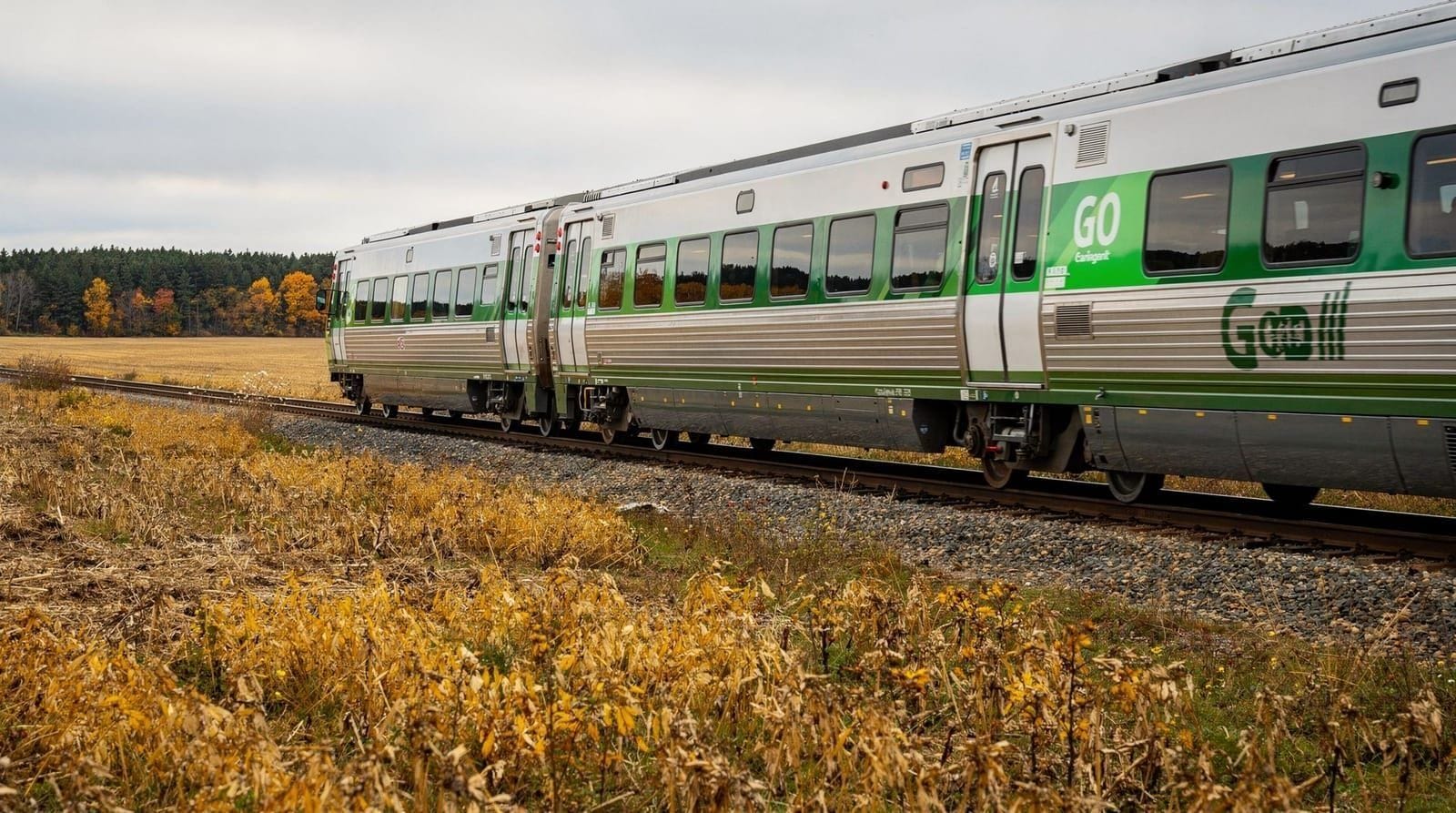
GO Transit runs a bus service (not a train, despite how it’s sometimes described informally) from Union Station and several other GTA stations directly to Niagara Falls, taking roughly 2 hours. Fares generally run 12 to 20 CAD each way depending on your boarding station and whether you use a PRESTO card, which offers a modest discount. The bus drops passengers close to the falls and connects to the WEGO shuttle network, a well-developed local transit system covering Clifton Hill, Table Rock, the Whirlpool, and other attractions along the Niagara Parkway — genuinely practical for a car-free day focused on the falls themselves.
The trade-off is reduced flexibility: you’re tied to bus schedules for both arrival and departure, and reaching Niagara-on-the-Lake from the falls by transit requires an additional, infrequent local connection that eats into your day.
VIA Rail’s cross-border service
VIA Rail doesn’t operate a standalone Toronto–Niagara Falls route the way it does for Stratford or Kingston — see our best day trips from Toronto by train guide for the routes it does serve well. The Maple Leaf service, a joint operation with Amtrak running between Toronto and New York City, does stop in Niagara Falls, but its schedule is built around the much longer cross-border journey rather than convenient same-day Toronto trips, making it an impractical choice for a standard day trip compared to the GO Transit bus.
Guided tours
A guided day tour from Toronto removes the driving and parking logistics entirely and typically packages the falls with additional stops — Niagara-on-the-Lake, a winery, or a boat cruise ticket bundled in. The Niagara Falls scenic day tour from Toronto with airport pickup is worth knowing about specifically if you’re arriving into or departing from Pearson Airport on the day of your trip, since it’s structured around airport pickup rather than a downtown departure point, a genuinely useful option for travelers routing a Niagara stop around a flight.
Guided tours generally cost more per person than doing it yourself by GO Transit, but the value proposition improves considerably once you factor in a boat cruise ticket, winery stop, or other add-ons bundled into the price, plus the convenience of not driving or navigating transit schedules yourself.
The QEW’s own history, and why it’s the route you’ll take
The Queen Elizabeth Way, opened in stages between 1937 and 1940, holds the distinction of being one of the first divided intercity highways built in North America, predating the American interstate system by roughly two decades. It was named for Queen Elizabeth, the future Queen Mother, following a royal visit shortly before its completion, and the original ceremonial gateposts commemorating that visit still stand at a few points along the route, easy to miss at highway speed but a small piece of infrastructure history for anyone curious.
Nearly nine decades later, it remains the primary route between Toronto and the Niagara region, now considerably widened and modernized from its original two-lane-each-way design but following largely the same corridor along the western end of Lake Ontario.
Renting a car specifically for a Niagara day trip
If you’re visiting Toronto without your own vehicle and don’t want to rely on GO Transit or a guided tour, a one-day car rental is a reasonable middle option worth considering, particularly for groups of three or four where the per-person cost compares favourably to GO Transit or tour pricing (see renting a car in Ontario for the practical details).
Several rental agencies operate both downtown Toronto locations and airport counters at Pearson, and a day rental combined with the QEW drive offers the same flexibility as owning a car — including the ability to add Niagara-on-the-Lake — without the ongoing cost of vehicle ownership. Factor in the rental fee, gas, and parking at the falls when comparing this option against GO Transit or a tour package, since the total can come out similar depending on group size and how far in advance you book.
Comparing the options directly
For cost alone, GO Transit is the cheapest way to reach the falls without a car. For speed and flexibility, particularly if adding Niagara-on-the-Lake, driving wins clearly. For a hands-off, fully planned day that includes more than just transport, a guided tour makes the most sense, especially for solo travelers or those uncomfortable navigating an unfamiliar highway. VIA Rail’s cross-border service is realistically not a competitive option for a standard Toronto–Niagara Falls day trip and is better understood as an Amtrak-partnered route serving the longer New York corridor.
What changes if you’re arriving from Pearson Airport
Travelers landing at Pearson (YYZ) with a layover or an early arrival before a Toronto stay sometimes consider heading straight to Niagara Falls rather than into the city first. This is workable, particularly with an airport-pickup tour option, but be realistic about timing — factor in customs and baggage claim time before any tour pickup, and confirm your tour operator’s policy on flight delays, since airport-based itineraries are less forgiving of schedule slippage than a downtown Toronto departure.
Seasonal considerations for each transport option
Winter driving on the QEW can be affected by lake-effect snow squalls, particularly in the stretch approaching the Niagara region from the Hamilton and Burlington area — check road conditions before departing on a winter day trip. GO Transit buses run on a consistent schedule regardless of season, which some travelers find preferable to driving in uncertain winter conditions. Guided tours generally continue year-round but should be confirmed for any seasonal itinerary changes, since some included stops (like certain winery experiences) may have reduced hours in winter.
Budget summary by transport method
Driving costs roughly 30 to 50 CAD total for gas and parking if split among a full car (up to four people), often the cheapest per-person option for groups. GO Transit runs 24 to 40 CAD round trip per person. A guided day tour, depending on what’s bundled in (boat cruise, winery stop, lunch), typically runs from around 80 CAD up to 150 CAD or more per person, reflecting the added activities rather than just the transport itself.
What changes if you’re traveling with a group
Group size meaningfully shifts which transport option makes the most financial sense. For a solo traveler, GO Transit is almost always the cheapest choice once Toronto parking and Niagara-area parking costs are factored in for driving. For a group of three or four, splitting the cost of a rental car or driving your own vehicle typically undercuts GO Transit’s per-person fare, especially once you add in the flexibility of being able to detour to Niagara-on-the-Lake without extra cost.
For larger groups of six or more, a private guided tour booking, rather than individual GO Transit tickets, sometimes becomes competitive on a per-person basis while adding the convenience of a single coordinated pickup rather than managing a group through public transit.
Practical tips regardless of which method you choose
Check the Rainbow Bridge border wait times only if you’re planning to cross to the US side — otherwise this is irrelevant, since the Canadian side has the better views and doesn’t require any border crossing. Book GO Transit tickets or guided tour spots in advance during July and August weekends, when demand is highest. If driving, download offline maps in case of any QEW detours, which do happen periodically for construction. Bring a printed or downloaded copy of any tour booking confirmation, since cell service, while generally reliable throughout the region, isn’t guaranteed at every pickup point.
Rideshare as a middle-ground option
Booking a one-way or round-trip rideshare directly to Niagara Falls, rather than a standard taxi, has become an increasingly common option for solo travelers or pairs who want door-to-door convenience without the cost of a full guided tour or the commitment of a rental car. Pricing for a roughly 130 km trip each way runs considerably higher than GO Transit, generally in a range comparable to or above a short-term car rental once both legs of the trip are factored in, but it removes any need to navigate transit schedules or driving yourself, a genuine convenience for travelers uncomfortable with either option.
What to know about crossing into the US on the same trip
If your Niagara day trip includes a spontaneous decision to cross the Rainbow Bridge to the US side, be aware this changes the transport calculus considerably — GO Transit’s bus service doesn’t cross the border, so a US-side detour requires either driving or walking across the pedestrian pathway on the bridge itself, plus passport control in both directions. This is realistically only worth building into a driving day trip with enough time buffer, since it adds a genuinely unpredictable amount of time depending on border wait conditions on the day.
Once you’re there: what to do with your travel time
Whichever transport option you pick, budget the actual sightseeing time separately from the journey — our things to do in Niagara Falls guide covers how to sequence the falls themselves, the Skylon Tower, and wine country into a realistic day. If the boat cruise or the tunnels behind the falls are priorities, see Hornblower vs Journey Behind the Falls for which to book and how they fit around your arrival time.
Frequently asked questions about getting to Niagara Falls from Toronto
Is it cheaper to drive or take GO Transit to Niagara Falls?
For a single traveler, GO Transit is usually cheaper once you factor in Toronto parking costs before departure and Niagara-area parking on arrival. For groups of three or four sharing a car, driving often works out more economical per person.
How early should I leave to avoid traffic?
Departing before 9 a.m. on weekends, or before the Friday afternoon rush on weekdays, generally avoids the worst QEW congestion. Sunday afternoon and evening return trips see the heaviest traffic in the opposite direction.
Can I take a bike or bring luggage on the GO Transit bus to Niagara Falls?
Standard luggage is generally accommodated in the bus’s storage compartment, though policies can vary — check GO Transit’s current guidelines if traveling with larger bags or connecting from a flight. Bike transport policies are more limited and worth confirming directly before planning around it.
Is a guided tour worth it if I just want to see the falls and nothing else?
Probably not — if the falls alone are your only goal, GO Transit or driving yourself is more cost-effective, since a guided tour’s value comes largely from the bundled extras like boat cruises or winery stops rather than the transport itself.
What’s the fastest way to get to Niagara Falls from Toronto?
Driving via the QEW is the fastest option under normal traffic conditions, typically 1.25 to 1.75 hours, faster than the roughly 2-hour GO Transit bus or most guided tour itineraries, which build in additional stops along the way.
Top experiences
Bookable activities with verified prices and instant confirmation on GetYourGuide.