Casa Loma guide
Toronto: Casa Loma Guided Tour
Is Casa Loma worth visiting in Toronto?
Yes, for most visitors — Casa Loma is a genuine early-1900s Gothic Revival castle with 98 rooms, secret passages, stables, and five acres of gardens. Adult admission runs around $45 CAD, which is steep for what's essentially a house tour, but the towers and tunnels make it a solid two-hour visit, especially with kids.
A castle built by a financier who ran out of money
Casa Loma is the closest thing Toronto has to an actual castle, and the story behind it is arguably more interesting than the building itself. Financier and military man Sir Henry Pellatt commissioned the Gothic Revival mansion in the early 1900s, spending an estimated $3.5 million (a genuinely staggering sum at the time) on a 98-room residence with secret passages, an 800-foot underground tunnel, stables designed to house his prized horses in mahogany-lined stalls, and towers modeled loosely on European castles he’d toured.
Pellatt lost most of his fortune within about a decade of completing it — rising property taxes and a business downturn forced him out, and the city took over the building in the 1930s. It’s been open to the public, in one form or another, ever since.
That backstory matters for how you experience the place: Casa Loma isn’t a centuries-old aristocratic estate like the European castles it borrows from. It’s a genuinely lavish but relatively young building whose most compelling feature is arguably the ambition and eventual failure of the man who built it, alongside the architecture itself.
| Where | Midtown Toronto, near Dupont subway station |
| Cost | Around $45 CAD adult admission, audio guide included |
| Time needed | About 2 hours; add 30-45 min for the gardens |
| Best time | Weekday mornings for fewer crowds |
| Booking | Advance recommended for the December light display |
What’s inside: towers, tunnels, and stables
The main house spans several floors, with the Great Hall, oak-paneled library, and conservatory forming the core of the formal tour route. Two towers — the Scottish Tower and the Norman Tower — are climbable via narrow stone stairs, each offering a different rooftop view over midtown Toronto; the climb is worth it on a clear day, though it’s not stroller or wheelchair accessible.
The underground tunnel, roughly 800 feet long, connects the main house to the stables and was originally built so Pellatt’s horses (and household deliveries) could move between buildings without crossing the exposed grounds in winter. It’s the section most kids remember afterward — dim, echoey, and genuinely tunnel-shaped rather than a dressed-up hallway.
The stables, at the end of the tunnel, are surprisingly ornate for what’s functionally a barn — mahogany stalls, Spanish tile floors, and brass fittings for horses that, by most accounts, lived better than most people of the era. The gardens, roughly five acres, are landscaped formally near the house and more casually toward the ravine edge, and are included in general admission.
Ticket prices and how to book
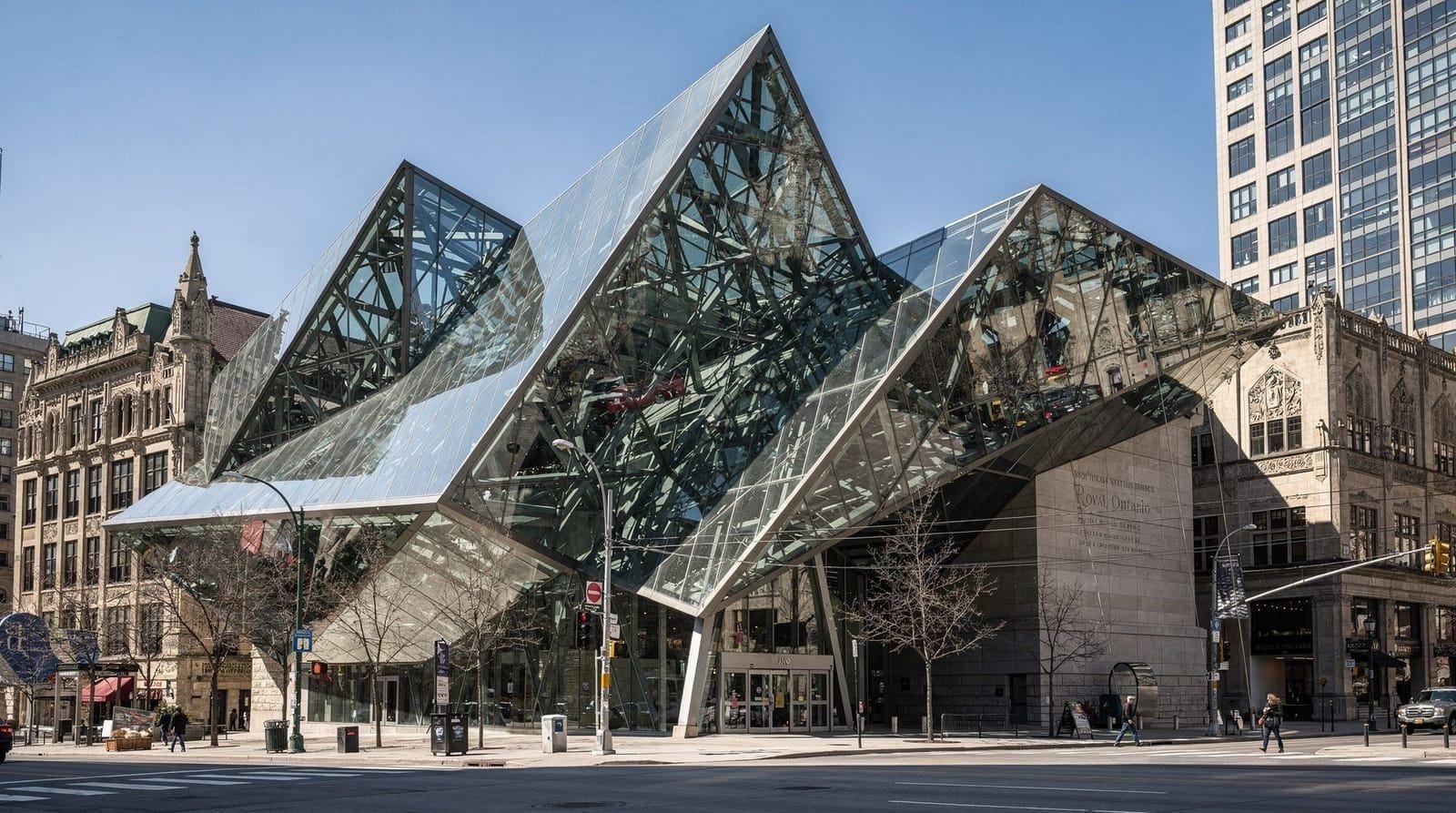
Adult general admission runs around $45 CAD, which puts Casa Loma toward the pricier end of Toronto’s paid attractions for what’s essentially a self-guided house tour — a fair comparison point is the Royal Ontario Museum guide, which offers considerably more collection depth for a comparable price. Casa Loma’s value proposition is different: it’s less about density of things to see and more about the specific experience of walking through a genuine early-1900s mansion, towers and tunnel included.
For general entry with a multimedia audio guide included:
Casa Loma entry ticket with multimedia audio guideGuided tour vs. self-guided visit
Casa Loma’s self-guided audio tour, included with standard admission, covers the house’s history room by room and is genuinely well-produced — most visitors don’t need a live guide to get the full story. That said, a guided walkthrough adds a level of storytelling and Q&A that the audio guide can’t replicate, particularly around the more colorful details of Pellatt’s rise and fall:
Casa Loma: the ultimate castle experienceHow much time to budget
Two hours covers the house, towers, tunnel, and stables at a reasonable pace without rushing. Add 30-45 minutes if you want to walk the full gardens rather than just glancing at them from the terrace, and note that the towers involve a genuine physical climb — several flights of narrow stone stairs — worth factoring in if you’re visiting with young children, older relatives, or anyone with mobility considerations.
Best time to visit and seasonal notes
Casa Loma runs seasonal events throughout the year — a Christmas light and decoration display in December draws considerably larger crowds than a typical daytime visit, and occasional Halloween-themed evening events lean into the building’s genuinely atmospheric tunnels and towers. Outside of these special events, weekday mornings are the quietest general-admission window, similar to most Toronto attractions. The gardens are at their best from late spring through early fall; a winter visit means the grounds are largely closed off or snow-covered, with the indoor tour as the main draw.
Getting there and what’s nearby
Casa Loma sits in midtown, near Casa Loma & The Annex, a short walk from Dupont subway station on Line 1. It’s a genuinely different neighborhood mood from downtown — quieter, more residential, with the mansion feeling somewhat incongruous among the surrounding houses. Yorkville and the Royal Ontario Museum sit roughly 15-20 minutes south by transit, making a combined Casa Loma-plus-ROM day feasible if you start early, though it’s a full day rather than a half-day if you do both properly.
Is it worth it with kids?
Genuinely yes — the tunnel and towers give Casa Loma a hands-on, exploratory quality that a lot of museums lack, and kids tend to respond well to the “secret passage” framing even when the actual history goes over their heads. See things to do with kids in Toronto for how it fits into a broader family itinerary.
The Pellatt story in more detail
Sir Henry Pellatt made his fortune in electricity, holding a near-monopoly on hydroelectric power distribution in Toronto before rival utilities and, eventually, government-run Ontario Hydro eroded his position. He began construction on Casa Loma in 1911, employing an estimated 300 workers and drawing materials and craftsmen from across Europe and North America — imported marble, custom-forged ironwork, and a genuinely ambitious scale for a private residence even by the standards of the era’s wealthiest industrialists.
Pellatt and his wife Lady Mary Pellatt lived in the house for less than a decade before financial pressure, driven by a combination of rising property taxes on the massive estate and business setbacks during and after the First World War, forced them to abandon it in 1923. The city seized the property for unpaid taxes shortly after, and it passed through several uses — briefly a hotel, then largely vacant — before the Kiwanis Club of Toronto took over its operation as a public attraction in 1937, a relationship that in various forms continues to shape how the site is run today.
The film and TV history behind the walls
Casa Loma’s genuinely castle-like interiors and exteriors have made it a popular filming location for decades, appearing in productions ranging from period dramas to contemporary TV series that need a stand-in for European aristocratic settings without the cost of filming overseas. Location scouts are drawn to the same features that make it worth visiting in person — the towers, the tunnel, and the sheer variety of room styles within one building, from formal reception rooms to the more utilitarian stable block. If a specific room or hallway looks oddly familiar during your visit, there’s a reasonable chance you’ve seen it dressed differently on screen.
Seasonal and evening programming
Beyond the general-admission daytime tour, Casa Loma runs a genuinely full calendar of seasonal programming. The Casa Loma Christmas light and decoration display, running through December, transforms the grounds and several interior rooms with elaborate lighting and draws considerably larger evening crowds than a typical daytime visit — book timed tickets in advance if you’re planning to attend during peak weeks. Halloween-season evening events lean into the mansion’s genuinely atmospheric tunnels and towers with a more theatrical presentation. Outside these specific windows, the standard daytime tour remains the default and most flexible way to experience the building.
Is Casa Loma overpriced?
It’s a fair question given the admission cost relative to a house tour, and opinions genuinely split on this one. The towers, tunnel, and stables make it more than a standard historic-home visit, and the photogenic quality of the building (a genuine draw for anyone into architecture or photography) adds value beyond the straightforward “was it worth the money” calculation. If budget is the deciding factor, prioritize the Royal Ontario Museum or Art Gallery of Ontario first, both of which offer more collection depth per dollar, and treat Casa Loma as an add-on if your schedule and budget allow for a third paid attraction.
Parking and getting there by car
Casa Loma offers paid on-site parking, a genuine convenience compared to most downtown Toronto attractions where street parking is scarce and expensive — worth considering if you’re visiting as part of a day that includes other midtown stops not well served by transit. Traffic on the approach roads through the surrounding residential streets can back up during peak weekend hours in summer and during the December light display, so budget extra time if driving during those windows specifically.
How Casa Loma compares to European castles
Visitors who’ve toured genuine centuries-old European castles sometimes come away from Casa Loma slightly underwhelmed by comparison — it’s worth resetting expectations before you go. Casa Loma is barely over a century old, built by a single wealthy Canadian family rather than accumulated and expanded by generations of aristocracy, and its “castle” styling is closer to an elaborate period costume than an authentic medieval or Renaissance structure.
Judged on those terms, rather than against Edinburgh Castle or Neuschwanstein, it holds up well — a genuinely interesting, well-preserved piece of early 20th-century Toronto history with just enough theatrical flourish (the towers, the tunnel) to make the visit memorable regardless of historical authenticity concerns.
Combining Casa Loma with the rest of a midtown day
Beyond the ROM and Yorkville, Casa Loma sits a reasonable transit ride from other midtown and downtown stops if you’re building a fuller day. Families often pair it with the things to do with kids in Toronto list to slot in a second, lower-key activity afterward, while visitors more interested in art than architecture sometimes swap in the Art Gallery of Ontario as the second stop instead of the ROM. Whichever combination you choose, treat Casa Loma as a genuine two-hour commitment rather than a quick add-on — rushing the towers and tunnel is where a lot of visitors shortchange the experience.
What to bring and wear
Comfortable, closed-toe shoes matter more here than at most Toronto museums, since the tower stairs and tunnel involve genuine physical exertion rather than flat gallery floors. Bring water, especially in summer when the towers can get warm, and dress in layers if you’re visiting during a shoulder season, since the underground tunnel runs noticeably cooler than the main house. A light jacket is worth packing even on an otherwise warm day for that reason alone.
Frequently asked questions about Casa Loma
How much does it cost to visit Casa Loma?
Adult general admission runs around $45 CAD, including a multimedia audio guide. Youth, senior, and family rates are discounted from the standard adult price.
Is Casa Loma an actual historic castle?
Not in the European sense — it’s a Gothic Revival mansion built in the early 1900s by financier Sir Henry Pellatt, styled to evoke a castle rather than being one in the centuries-old, aristocratic-lineage sense.
How long does a Casa Loma visit take?
Two hours covers the house, towers, tunnel, and stables at a comfortable pace. Add 30-45 minutes for a full walk through the gardens.
Is Casa Loma good for kids?
Yes — the 800-foot underground tunnel and climbable towers give it a hands-on, exploratory feel that tends to hold children’s attention better than a standard museum tour.
Is Casa Loma wheelchair accessible?
The main floor and gardens are largely accessible, but the towers involve narrow stone stairs that aren’t accessible, and the underground tunnel has some uneven sections — check casaloma.ca for current accessibility details before visiting.
What’s the closest subway station to Casa Loma?
Dupont station on Line 1 (Yonge-University) is the closest, roughly a 10-minute walk from the entrance through the surrounding residential streets.
Does Casa Loma have a café or restaurant on site?
Yes — a café near the entrance offers light meals and snacks, a reasonable option for a break partway through the visit, though it’s not a destination dining experience in itself the way some of the Distillery District’s restaurants are.
Can I visit Casa Loma and the ROM in the same day?
It’s possible if you start early, since both sit roughly 15-20 minutes apart by transit, but each genuinely deserves two hours on its own — treat one as the primary focus and the other as a shorter add-on rather than giving both the full experience in a single day.
Is a guided tour worth it over the included audio guide?
For most visitors the included audio guide covers the essentials well, but a live guided tour adds Q&A and extra storytelling detail around Pellatt’s rise and fall that the audio track can’t replicate — worth the upgrade if you’re especially drawn to the history rather than just the architecture.
Top experiences
Bookable activities with verified prices and instant confirmation on GetYourGuide.