Overpriced Toronto attractions guide
What are the most overpriced attractions in Toronto?
Novelty wax-museum and 'immersive experience' pop-ups charging $30-plus for a short, photo-op-driven visit consistently deliver the weakest value in the city, along with premium add-ons at major attractions (extra photo packages, express-line upsells) that duplicate what standard admission already includes. Most of Toronto's headline attractions — the CN Tower, Casa Loma, the ROM — are fairly priced for what they deliver, even if the sticker price feels steep.
Overpriced isn’t the same as expensive
This is a distinction worth making before diving in: an attraction can be expensive and still worth it, and an attraction can be cheap and still poor value. The CN Tower costs upward of CAD $50, which is real money, but delivers a genuine, hard-to-replicate experience. This guide focuses specifically on where the price doesn’t match what you actually get, not simply on which attractions cost the most.
| Worst value | Novelty pop-ups and wax museums at CAD $20-45 for 30-45 minutes |
| Fairly priced | CN Tower, Casa Loma, ROM, AGO, Ripley’s Aquarium |
| Watch for | Photo package upsells, express-line upsells, reseller markup |
| City passes | Only worth it above a certain number of included stops |
| Best check | Recent, dated reviews rather than review volume |
How to research a specific attraction before booking
Recent review dates matter more than review volume for the attractions covered in this guide, particularly the rotating pop-ups and novelty experiences, since a venue’s quality can change entirely between installations while old five-star reviews for a previous exhibit linger on the listing. Cross-checking a couple of independent review sources rather than relying solely on the platform selling the ticket gives a more reliable read, since ticket-selling platforms have some incentive to surface positive reviews prominently.
Novelty “immersive experience” pop-ups
Downtown Toronto periodically hosts pop-up “immersive” attractions — themed installations built around a specific franchise or artistic concept — charging CAD $30-45 for what often amounts to a 30-45 minute walk through a series of photo backdrops. Quality genuinely varies between individual pop-ups, and some deliver real production value; others are thin on content relative to the price. Checking recent reviews specifically (these attractions rotate frequently, so older reviews may reference a different installation) before booking is the single best way to avoid disappointment here.
Wax museums and haunted-house attractions
Toronto has a smaller version of the novelty-attraction cluster that’s much more concentrated at Niagara’s Clifton Hill, but a handful of similar wax-museum and haunted-attraction venues exist downtown, typically charging CAD $20-30 for a short visit. As with the pop-ups, quality is inconsistent and doesn’t track closely with price — this is a category where checking specific reviews matters more than trusting the storefront presentation.
Photo package upsells at major attractions
Several of Toronto’s legitimate, worthwhile attractions (the CN Tower, Ripley’s Aquarium) offer professional photo packages as an add-on — a staff photographer takes your photo at a designated spot, then offers to sell prints or digital downloads at a real markup over what your own phone camera produces for free. These aren’t traps in the sense of the core attraction being poor value, but the specific add-on rarely justifies its cost unless you have a specific reason to want a professional print.
Express-line upsells at attractions with short lines
Some attractions sell an “express” or “priority” line-skip upsell even during off-peak periods when the standard line is already short — worth checking the actual current wait time (many attractions post this, or staff will tell you if asked) before paying extra for a line-skip that may save you only a few minutes.
Combo tickets and city passes — a mixed bag
Multi-attraction city pass products bundling several Toronto attractions into a single ticket can offer real savings for visitors planning to hit most of the included attractions, but they’re poor value for anyone who’ll only realistically visit one or two — the math only works out in the buyer’s favour above a certain number of included stops. Working out roughly which attractions you’d actually visit and pricing those individually before buying a bundle is the only reliable way to know if a specific pass is worth it for your itinerary.
Seasonal “holiday market” admission fees
A handful of Toronto’s seasonal pop-up markets and holiday events have begun charging admission or requiring a paid reservation in recent years, a shift from the traditionally free model most visitors expect from a market or festival. This isn’t necessarily poor value — some of these events deliver a genuinely produced experience worth the fee — but checking whether a specific market or holiday event charges admission before planning around it avoids an unexpected cost, since not all of Toronto’s seasonal events do.
What’s actually fairly priced despite the sticker shock
The CN Tower, Casa Loma, the Royal Ontario Museum, and the Art Gallery of Ontario are all priced at the higher end for Toronto attractions but consistently deliver content, scale, and experience that matches the cost — none of these should be mistaken for overpriced simply because the number is large. Ripley’s Aquarium, similarly, charges a premium price but delivers a genuinely large, well-curated facility that most visitors, including families, rate as worth the cost. The distinction that matters is between “expensive but delivers” and “priced without matching content,” and most of Toronto’s headline attractions fall into the former category.
Group and family ticket bundles — check the math
Several major attractions offer family or group ticket bundles that appear to offer a discount but sometimes work out close to, or even above, the per-person single-ticket price once you account for age brackets and group size minimums. Doing the actual math against individual tickets before assuming a “bundle” is automatically cheaper is worth the two minutes it takes.
Seasonal pricing swings
A handful of attractions adjust pricing seasonally, generally charging more during peak summer months and school holiday periods than in shoulder or off-season windows — worth checking if your travel dates have any flexibility, since the same attraction can genuinely cost less outside the busiest weeks without any change in what you actually experience.
A simple rule of thumb
If an attraction’s core offering is genuinely unique (a 553-metre tower, a real castle, a major museum collection), the price is more likely to reflect real value even if it’s steep. If an attraction’s core offering could be replicated with a smartphone and a themed backdrop, treat the price with more skepticism and check recent, specific reviews before booking.
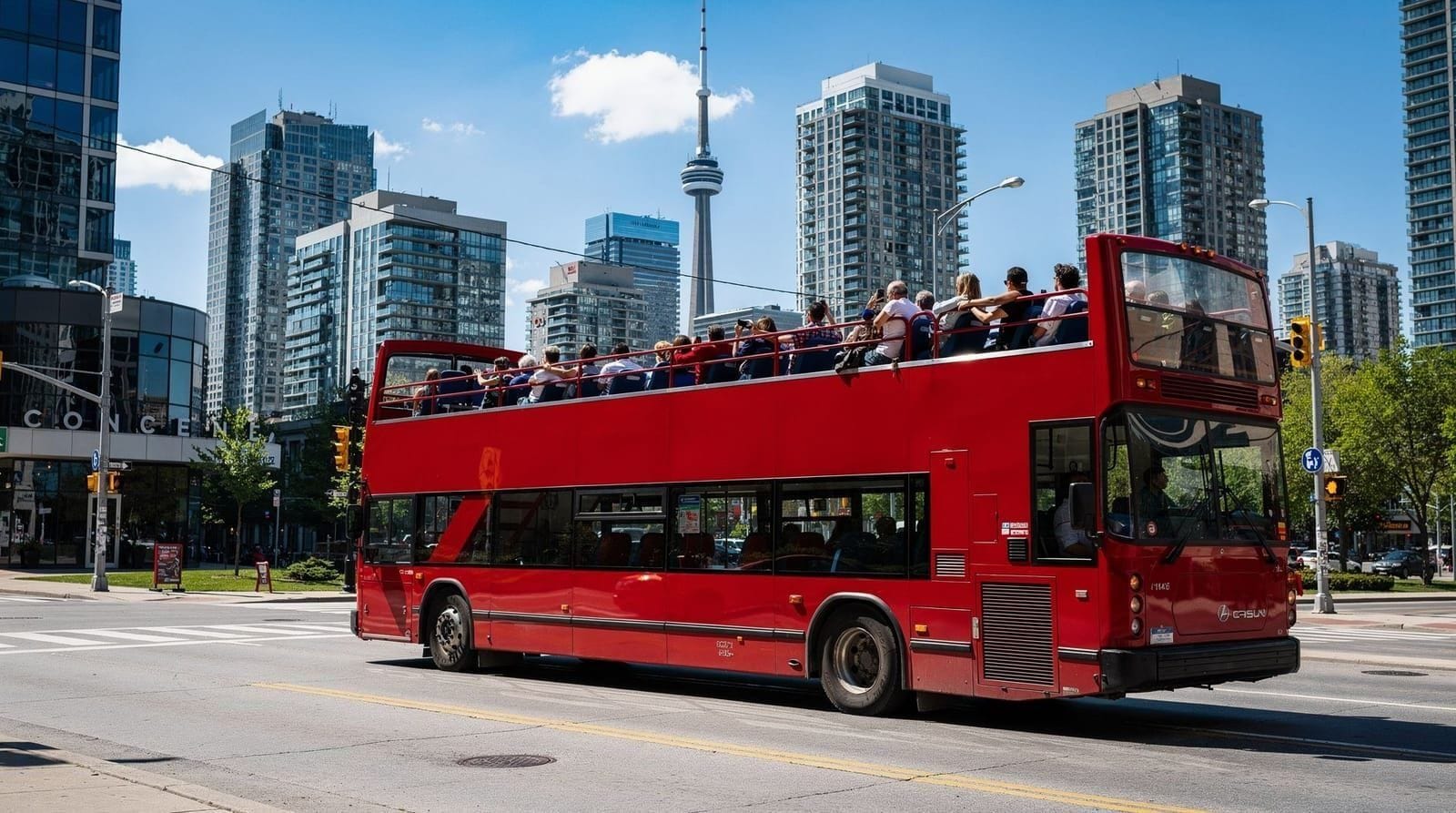
For the broader category of location-based traps rather than pricing-specific ones, see the Toronto tourist traps guide, and for genuinely free alternatives to fill out a day, see free things to do in Toronto. If you’re weighing a bus tour specifically, our honest review of the Toronto hop-on hop-off bus applies the same value-per-hour logic to that category.
Comparing per-hour value, not just ticket price
A useful way to cut through sticker-price comparisons is thinking in cost-per-hour of engagement rather than the raw ticket price alone — a CAD $50 museum visit that reasonably fills 3-4 hours often works out to better value than a CAD $30 pop-up experience that’s genuinely done in 30 minutes, even though the museum costs more upfront. This reframing is particularly useful for the novelty and pop-up category covered above, where the headline price can look deceptively reasonable until you account for how little time the experience actually occupies.
Booking directly versus through resellers
As with most Toronto attractions, booking directly through the official site or an established platform rather than an unfamiliar reseller consistently avoids markup, regardless of which specific attraction you’re weighing. This alone resolves a meaningful share of the “overpriced” complaints visitors have, since the base attraction price is usually reasonable — the inflation frequently comes from an unnecessary reseller markup layered on top.
Frequently asked questions about overpriced Toronto attractions
Is the CN Tower overpriced?
Not by the standard used in this guide — it’s expensive, but it delivers a genuine, hard-to-replicate experience that matches the cost. See is the CN Tower worth it? for a full tier-by-tier price breakdown.
Are photo packages at attractions worth buying?
Rarely — a staff photographer’s print or digital download typically costs a real premium over a free photo taken on your own phone, and quality is usually comparable.
Are Toronto’s immersive pop-up experiences worth the price?
It varies significantly by specific installation, since these attractions rotate frequently. Checking recent, dated reviews before booking is the most reliable way to gauge whether a current pop-up is worth CAD $30-45.
Is Ripley’s Aquarium overpriced?
Most visitors, including families, rate it as delivering good value despite the premium price, given the scale and quality of the facility relative to comparable aquariums.
Should I buy family ticket bundles at Toronto attractions?
Check the math against individual ticket prices first — some bundles offer a genuine discount, but others work out close to or above the per-person price once age brackets and minimum group sizes are factored in.
Is it cheaper to book Toronto attraction tickets directly or through a reseller?
Booking directly through the official attraction site or an established platform is consistently the safer bet against markup, compared to unfamiliar third-party resellers.
Are Toronto multi-attraction city passes worth it?
Only if you’ll realistically visit most of the included attractions — the savings only materialize above a certain number of stops. Pricing out your actual planned attractions individually first is the best way to check.
Do Toronto’s holiday markets charge admission?
Some do now, a shift from the traditionally free model. Checking a specific event’s current admission policy before planning around it avoids an unexpected cost.
Is the Toronto hop-on hop-off bus overpriced?
It depends on how you use it — see our honest review of the Toronto hop-on hop-off bus for a full breakdown of when it pencils out and when walking or transit serves you better.