Toronto on a budget: real numbers
Real numbers instead of “affordable” and “pricey”
Most Toronto budget guides use vague language — “reasonably priced,” “can be expensive” — without actually saying what things cost. This is the real breakdown, in Canadian dollars, split by budget tier, based on how a typical visitor actually spends money across accommodation, food, transit, and activities.
| Budget tier | Around $80-120 CAD/day |
| Mid-range tier | Around $130-200 CAD/day |
| Luxury tier | $250 CAD/day and up |
| Biggest lever | Accommodation (42% of typical spend) |
| Cheapest transit | TTC day pass, $13.50 CAD |
Budget tier comparison at a glance
| Tier | Accommodation | Food/day | Attractions |
|---|---|---|---|
| Budget | $50-90 CAD/night | $30-40 CAD | Free sights + 0-1 paid |
| Mid-range | $150-220 CAD/night | $60-80 CAD | 1 paid attraction/2 days |
| Luxury | $300-500+ CAD/night | $100+ CAD | Private tours, no ceiling |
Accommodation
Budget: hostels and budget hotels run $50-90 CAD/night for a shared or basic private room, mostly outside the immediate downtown core — areas like Leslieville or near the subway line stretch a bit further. Mid-range: a solid three-star downtown hotel or well-located Airbnb runs $150-220 CAD/night. Luxury: waterfront or Yorkville hotels run $300-500+ CAD/night in peak season (June-September). Booking 6-8 weeks ahead for summer travel typically saves 15-25% versus booking within two weeks of your trip. See our best Toronto neighborhoods to stay guide for how location affects these numbers.
Food
Street food and market stalls (patties at Kensington Market, a sandwich at St. Lawrence Market): $8-15 CAD per meal. Casual sit-down restaurants: $20-30 CAD for a main course. Mid-tier dinner with a drink: $45-65 CAD per person. A genuinely nice dinner at a well-reviewed restaurant: $80-120 CAD per person before wine. Coffee runs $4-6 CAD depending on the shop. A realistic mixed daily food spend — market breakfast, casual lunch, sit-down dinner — lands around $60-80 CAD per person. Our best new restaurants in Toronto roundup has more specific pricing by neighborhood.
Transit
A single TTC fare is $3.35 CAD; a day pass is $13.50 CAD and pays for itself after four rides, which most full sightseeing days will hit easily. A weekly pass runs $53.50 CAD, worth it for stays of five days or more. The UP Express train from Pearson Airport to Union Station is $12.35 CAD one-way (28 minutes) — meaningfully cheaper than a $50-70 CAD taxi or rideshare, and about as fast once you factor in traffic. Renting a car adds parking costs ($20-40 CAD/day downtown) with limited practical benefit inside the city itself; it only pays off for day trips beyond transit range, like Muskoka or Algonquin Park.
Attractions
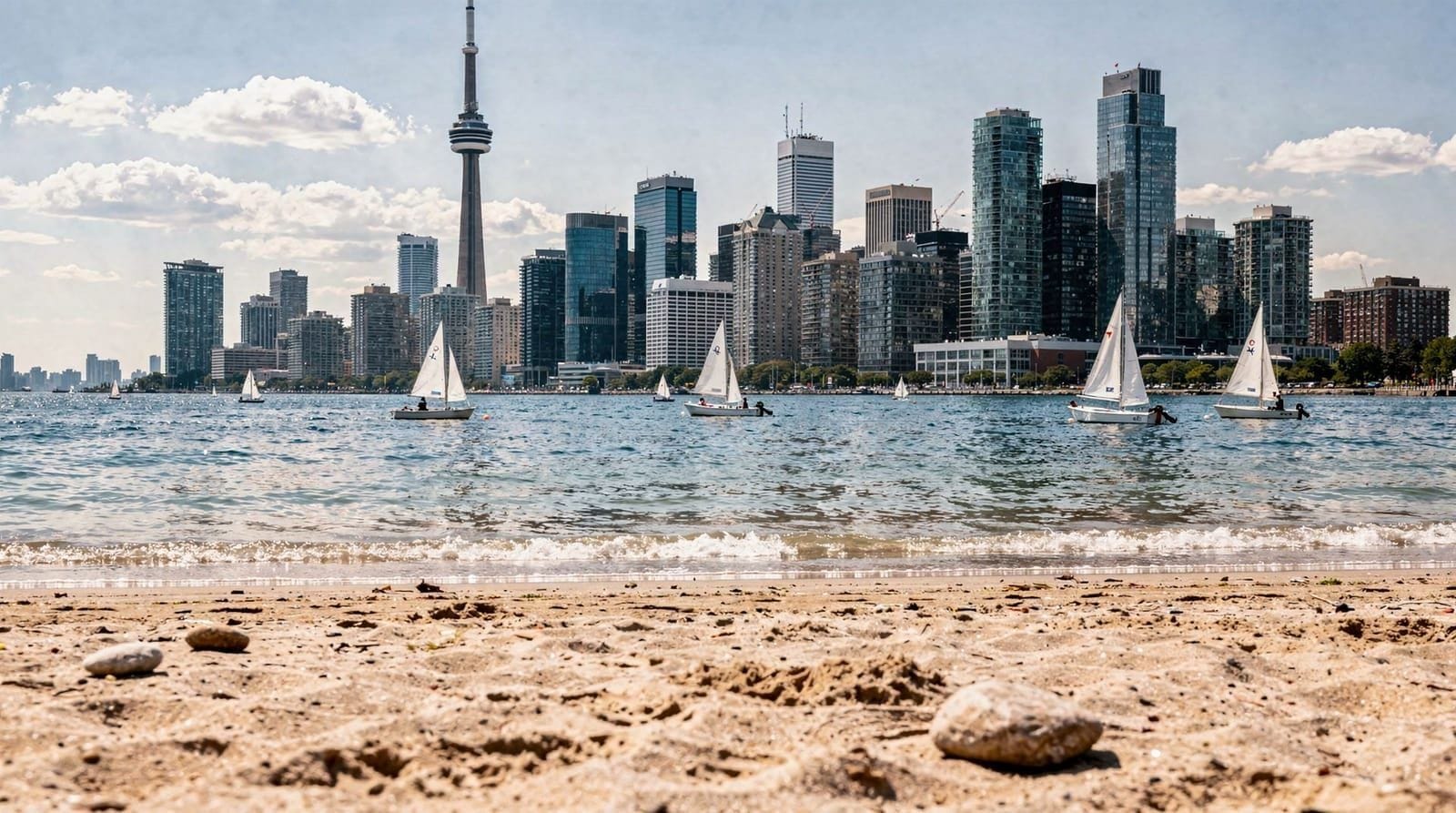
Free: Toronto Islands (ferry costs $10.05 CAD round-trip, everything else on the islands is free), walking Kensington Market and Chinatown, High Park, the harbourfront boardwalk, and St. Lawrence Market itself (just don’t buy anything if you’re truly on zero budget). See our free things to do in Toronto guide for a fuller list. Paid: CN Tower general admission runs roughly $46 CAD adults; Casa Loma around $35-40 CAD; Ripley’s Aquarium around $44 CAD; the Royal Ontario Museum around $30 CAD. Picking one or two paid attractions rather than trying to hit all of them keeps costs and time reasonable.
Toronto 2-hour downtown walking tourA guided walking tour is one of the better value-for-money activities on a budget trip — a few hours of orientation and local context for a fraction of what a single paid attraction costs, and it often ends up saving money by helping you skip attractions that aren’t worth your specific interests.
Toronto PATH underground city walking tourDaily budget by tier — the full picture
Budget traveler (hostel, street food, free/low-cost activities, transit pass): roughly $80-120 CAD/day. Mid-range traveler (three-star hotel split two ways, mix of casual and sit-down meals, one paid attraction every couple of days): roughly $130-200 CAD/day per person. Luxury traveler (upscale hotel, fine dining, private tours): $250 CAD/day and up, with no real ceiling. Typical spending breakdown across a trip: accommodation 42%, food 25%, transport 19%, activities 14% — useful as a sanity check if one category is eating an outsized share of your budget.
Where budget travelers overspend without realizing it
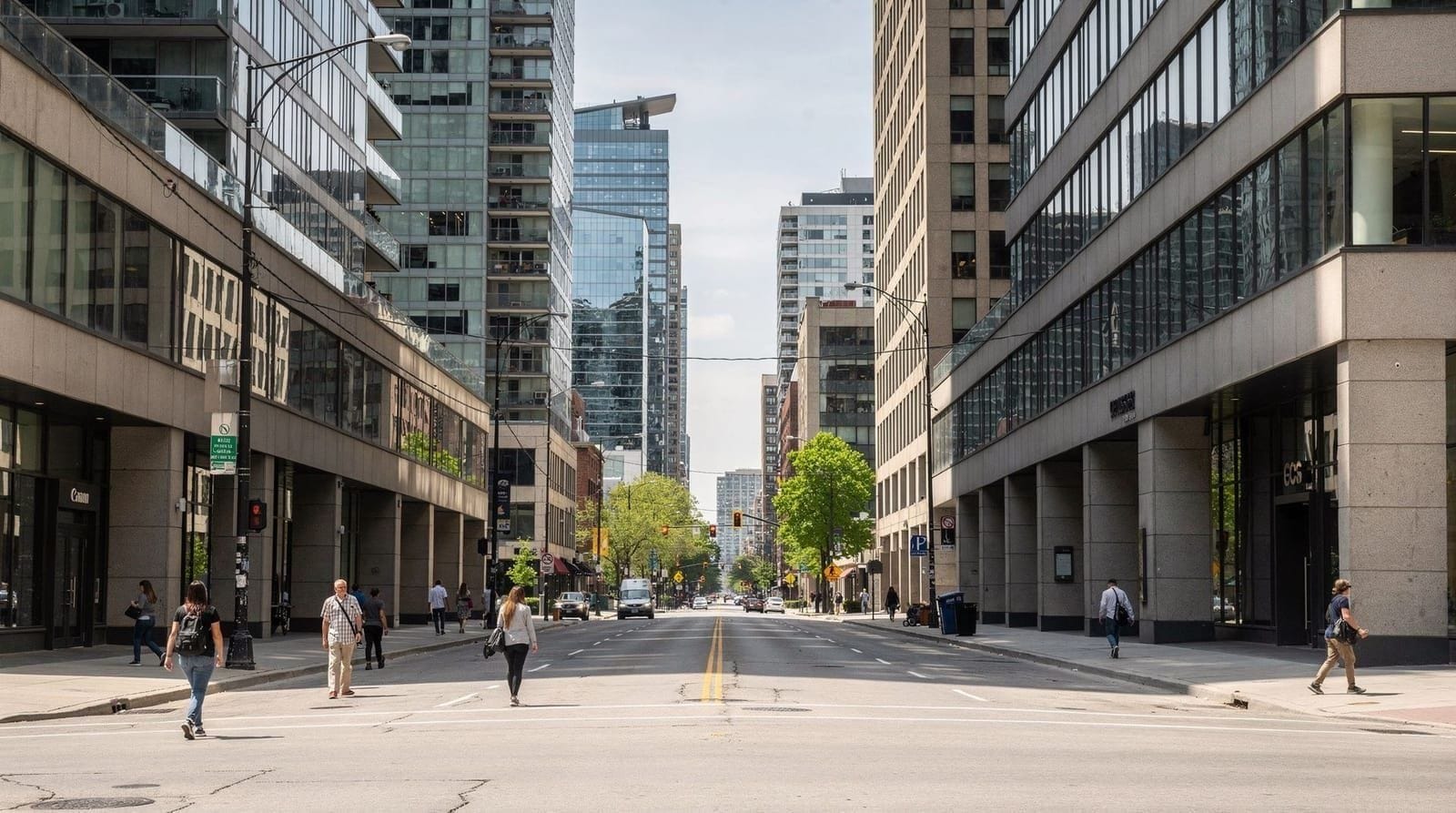
Taxis and rideshares for trips the subway covers just as fast — downtown Toronto’s grid means the TTC is rarely much slower than a car once you account for traffic and parking. Eating every meal at restaurants directly next to major attractions, where prices run 20-40% above equivalent quality a few blocks away. And buying single TTC fares repeatedly instead of a day pass once you’re taking more than three or four rides in a day — an easy math mistake that adds up over a multi-day trip.
Sample 3-day budget itemized
For a concrete example: three nights in a mid-range downtown hotel ($180 CAD/night = $540 CAD), a weekly TTC pass ($53.50 CAD), food at roughly $70 CAD/day ($210 CAD), the UP Express round trip ($24.70 CAD), and two paid attractions (CN Tower and a harbour cruise, roughly $46 CAD and $50 CAD) totals approximately $924 CAD per person before any shopping or extra activities — a realistic mid-range 3-day Toronto trip. Splitting the hotel cost between two travelers brings the effective per-person total down closer to $650-700 CAD.
Seasonal price swings to plan around
Hotel rates in Toronto follow a clear seasonal pattern: peak summer (June-August) and TIFF week in September command the highest prices, sometimes 30-40% above shoulder-season rates. Late fall through early spring, excluding major holidays, offers the best hotel value, though it trades off against colder weather and some seasonal attraction closures. If your travel dates are flexible, shifting a trip into late April/May or October can meaningfully reduce accommodation costs while still catching good weather windows.
Free walking self-tours as a budget stretch
For travelers stretching a tight budget further, a self-guided walk connecting several free stops — the harbourfront boardwalk, a loop through Kensington Market and Chinatown, and the free side of High Park — can fill an entire day with genuine sightseeing for the cost of a TTC day pass and whatever food you buy along the way. This isn’t a lesser version of a paid tour, just a different pace; it simply requires doing your own route-planning rather than following a guide.
Currency and exchange rate notes
Prices throughout this guide are in Canadian dollars (CAD). As of mid-2026, roughly 1 USD equals 1.35-1.42 CAD, meaning American visitors effectively get a discount on quoted CAD prices. European visitors should check current EUR/CAD rates, which fluctuate more. Cards are widely accepted, including tap payment on the TTC itself — carrying large amounts of cash isn’t necessary for most of a Toronto trip.
Group and family budget adjustments
Traveling as a family or group changes the math meaningfully — hotel costs split more ways, and many attractions offer family or group ticket bundles that beat individual pricing. A family of four splitting a $220 CAD/night hotel room and cooking some meals in an Airbnb kitchen can bring the effective per-person daily cost down closer to budget-tier numbers even while staying in mid-range accommodation. Kids under a certain age (varies by attraction, typically under 4-6) often get free or reduced admission at major sights, worth checking before assuming full adult pricing applies across a family group.
Shopping and souvenir budgeting
Souvenirs and shopping are easy to underbudget for. Maple syrup, a genuinely popular and packable Ontario souvenir, runs $10-20 CAD for a decent-sized bottle depending on where you buy it — market stalls generally beat gift shops near major attractions. Vintage finds in Kensington Market run $25-60 CAD, and locally made crafts from Distillery District galleries can range widely, from $15 CAD small items to $100+ CAD for larger pieces. Setting aside a rough $50-100 CAD shopping allowance for a multi-day trip avoids it eating into the rest of the budget unexpectedly.
Budget-friendly neighbourhoods beyond Leslieville
Leslieville and areas near the subway line aren’t the only budget-friendly bases — The Beaches and parts of Cabbagetown also run cheaper than downtown-core hotels while staying within a reasonable TTC ride of the main sights, and both trade a slightly longer commute for noticeably lower nightly rates in peak season.
If a day trip is part of the plan, our Niagara Falls day trip from Toronto guide and how to get to Niagara Falls from Toronto guide both break down the cheapest transport options, since a rented car isn’t the only way to reach the falls on a budget.
Toronto city walking tourA general city walking tour is another value option worth weighing against the PATH tour above — it covers more ground above street level rather than underground, useful if weather cooperates.
Budget attractions beyond the free list
Beyond the fully free sights, a handful of paid attractions offer strong value relative to cost — the things to do on Toronto Islands guide covers a ferry-only day that costs little beyond the $10.05 CAD round trip, and the Toronto budget travel guide goes deeper into stretching a tight daily number across a full multi-day trip than fits in this single post.
Ontario day trips on a tight budget
Day trips outside the city don’t have to blow the budget either — the Niagara-on-the-Lake destination guide and Niagara wine country destination guide both flag lower-cost ways to see the region (GO Train plus local transit, rather than a private tour), which can bring a full day trip down to $50-70 CAD per person before any wine tasting.
Frequently asked questions about a Toronto travel budget
How much does a week in Toronto cost?
Mid-range travelers should budget roughly $900-1,400 CAD per person for a week, covering accommodation, food, transit, and a couple of paid attractions. Budget travelers can do it for $550-850 CAD; luxury trips run $1,750+ CAD.
Is Toronto cheaper or more expensive than New York?
Generally cheaper, particularly for accommodation — Toronto hotel rates run noticeably below equivalent New York options, and food costs are comparable or slightly lower.
What’s the cheapest way to get around Toronto?
A TTC day pass ($13.50 CAD) or weekly pass ($53.50 CAD) covers subway, streetcar, and bus, and is almost always cheaper and comparably fast to taxis or rideshares within the city.
Can I visit Toronto on a tight budget?
Yes — a day of walking Kensington Market, Chinatown, the harbourfront, and the free side of Toronto Islands, paired with market-stall food, can realistically run under $50 CAD excluding accommodation.
Do I need to tip in Toronto?
Yes, 15-20% at sit-down restaurants is standard and expected, following North American norms — factor this into your food budget beyond the menu price.
Is staying outside downtown worth it to save money?
Yes for budget and many mid-range travelers — neighbourhoods like Leslieville, The Beaches or parts of Cabbagetown run noticeably cheaper per night than downtown-core hotels, and the TTC keeps the extra commute time manageable for most itineraries.
Are Ontario day trips (Niagara, Niagara-on-the-Lake) affordable without a private tour?
Yes — using GO Train or public transit rather than a private tour or rental car can bring a full day trip down to roughly $50-70 CAD per person before wine tasting or extra activities, though it takes more planning than a guided option.