Blue Mountain
Blue Mountain travel guide: skiing, the pedestrian village, Scandinave Spa, caves and hiking, and how to plan a trip from Toronto in any season.
Collingwood: Blue Mountains Wine and Cider Tasting Tour
Quick facts
- Distance from Toronto
- 165 km / 2 hours by car
- Vertical drop
- Ontario's highest ski hill vertical, roughly 220 metres
- Best known for
- Skiing, Blue Mountain Village, Scandinave Spa, Georgian Bay
- Best time to visit
- December-March for skiing, June-September for hiking and beaches
Ontario’s biggest ski hill, and a genuine four-season destination
Blue Mountain is Ontario’s most developed ski resort, built on the Niagara Escarpment above Georgian Bay near Collingwood, with the highest vertical drop of any ski hill in the province — modest by Rocky Mountain standards, but the real draw here has always been proximity to Toronto rather than scale. At roughly 2 hours from downtown, it’s close enough for a day trip in winter and has grown into a legitimate year-round destination, with mountain biking, hiking, and a large pedestrian village anchoring warm-weather visits as much as skiing anchors the cold months.
| Where | Blue Mountain Village, 165 km / 2 hrs from Toronto |
| Cost | Lift tickets around CAD 80-100/day, varies by date |
| Time needed | 1-2 days |
| Getting there | Car via Highway 400/26, organized tour, or limited coach |
| Best time | Dec-March for skiing, June-Sept for the village and hiking |
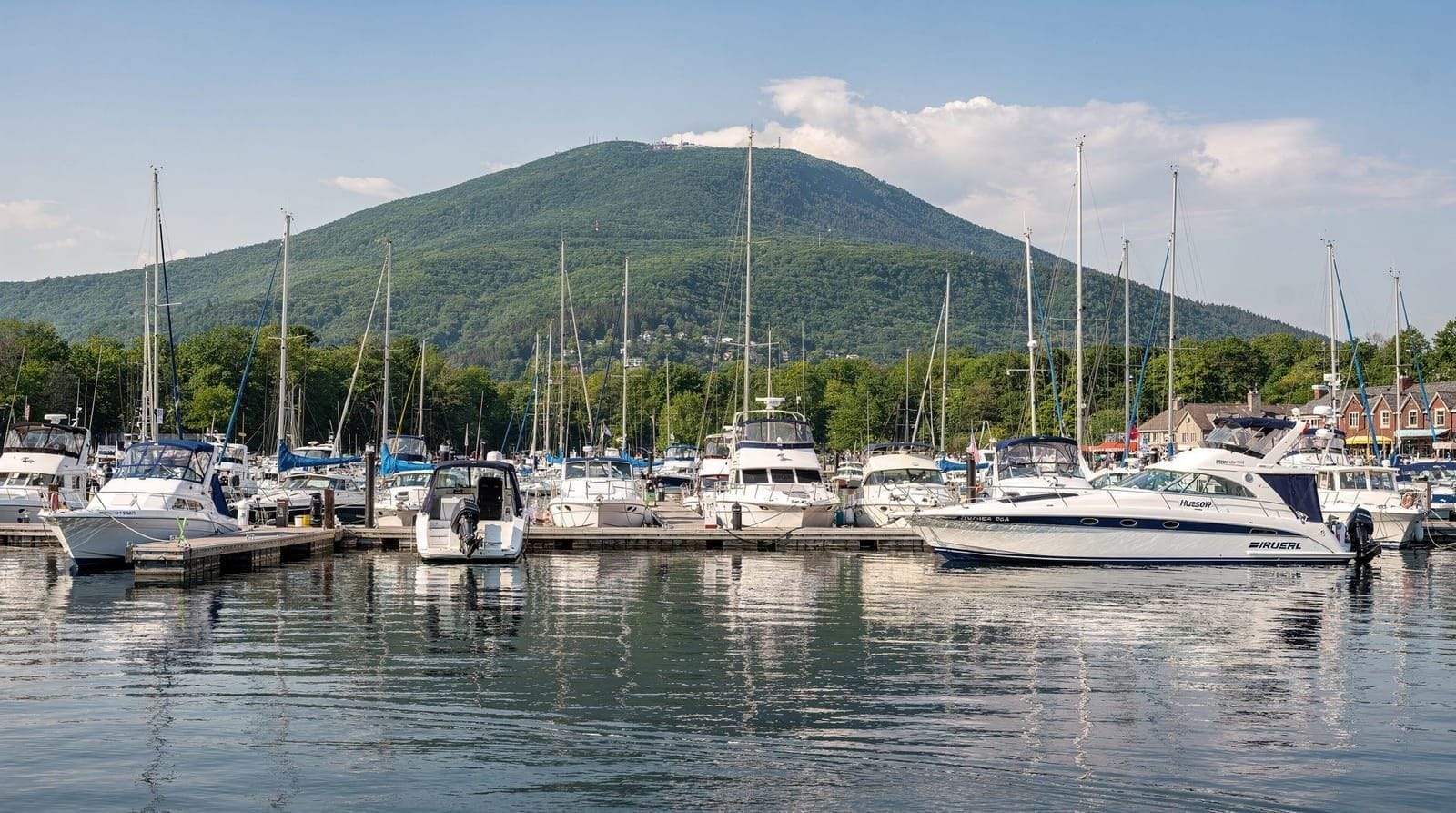
Blue Mountain Village, the resort’s car-free pedestrian core, is the practical centre of the whole area — restaurants, shops, and lodging clustered around a central plaza, with the ski lifts and (in summer) an alpine coaster and zipline course directly accessible on foot. The nearby town of Collingwood, covered in its own destination guide, has its own separate downtown and character, but the two are close enough (about 15 minutes apart) that most visitors treat a Blue Mountain trip as covering both.
The resort’s growth from a modest local ski hill into a full four-season destination happened gradually over recent decades, driven largely by investment in the village core and the addition of warm-weather attractions designed to extend the operating season well beyond winter. That evolution matters for how you plan a visit: a trip built purely around a “ski resort” mental model will undersell what’s actually available here in June, whereas treating it as a genuine year-round mountain town gets closer to how the area actually functions today.
Getting there from Toronto
By car: about 2 hours via Highway 400 to Highway 26, the standard route and the most practical option given how spread out the region’s activities are between the mountain, Collingwood, and surrounding countryside.
By organized tour: for winter ski trips or summer sightseeing without driving yourself, several tours run from Toronto directly. The Blue Mountain RV-motorhome tour from Toronto covers a full day including transport, useful for a first visit to get oriented before deciding whether to return with your own car and gear.
By bus: limited coach and shuttle services connect Toronto to Blue Mountain Village, particularly during ski season, though a car offers considerably more flexibility for exploring beyond the village itself.
What to actually do at Blue Mountain
Skiing and snowboarding are the core winter draw, with a full range of groomed runs suited to beginners through advanced skiers, night skiing on select runs, and a terrain park for freestyle riders. Ontario’s hills don’t rival Western Canada in scale, but Blue Mountain’s proximity to Toronto and reliable snowmaking make it the default choice for a GTA-based ski weekend.
Blue Mountain Village functions year-round as the resort’s social hub — restaurants and patios, a central plaza that hosts events and live music through the warmer months, and direct access to the mountain’s lift-served summer activities, including an alpine coaster, ziplines, and a ropes course that turn the ski hill into a genuine warm-weather attraction.
Scandinave Spa Blue Mountain, a Nordic-style outdoor spa with a circuit of hot and cold pools, saunas, and steam rooms set in the forest along the escarpment, operates year-round and is one of the region’s signature wellness draws, particularly striking in winter with steam rising off the heated pools against snow.
Wine and cider tasting has grown into a genuine sideline attraction in the Blue Mountain and Collingwood area, distinct from Niagara but built on the same escarpment-driven growing conditions. The Blue Mountains wine and cider tasting tour covers a selection of local producers, a good half-day add-on if skiing or hiking isn’t the entire focus of the trip.
Caves and hiking, notably the Scenic Caves Nature Adventures site and the Singhampton area caves, offer genuine rock scrambling and cave exploration along the escarpment — a distinctive activity not widely available elsewhere in Ontario. The private Singhampton Caves hike is a guided option for exploring this terrain properly rather than navigating it solo.
Georgian Bay beaches, a short drive from the village, offer sandy Great Lakes shoreline in summer — Wasaga Beach nearby is one of the longest freshwater beaches in the world, a useful add-on for a summer visit that wants both mountain and lake time.
Mountain biking has become a genuine warm-weather draw in its own right, with lift-accessed downhill trails through the resort’s forested terrain alongside cross-country routes across the broader escarpment — a growing scene that rivals the summer alpine coaster and ziplines for serious cyclists rather than casual visitors.
Blue Mountain Golf and Country Club, adjacent to the resort, adds a golf option for visitors splitting a summer trip between outdoor activity and a more relaxed round, though it operates independently from the main resort’s lift-served attractions.
Blue Mountain versus Collingwood: where to base yourself
| Blue Mountain Village | Collingwood | |
|---|---|---|
| Distance to lifts | Steps away, ski-in/ski-out | 15-minute drive |
| Price | Resort premium | Generally more affordable |
| Atmosphere | Purpose-built plaza | Genuine historic downtown |
| Best for | Ski-focused, no-car trips | Value, food and drink scene |
Neither choice is wrong — it comes down to whether ski-in/ski-out convenience or a real town atmosphere and better value matters more for a given trip. Many repeat visitors settle on Collingwood once they’ve done a first Blue Mountain Village stay and priced out the difference.
Where to eat and stay at Blue Mountain
Blue Mountain Village concentrates most of the resort’s dining directly around the central plaza, ranging from casual après-ski pubs to more polished sit-down restaurants, all within a short walk of the lifts and lodging. It’s convenient but priced at a typical resort premium; travelers looking for better value sometimes base themselves in nearby Collingwood and drive or shuttle in for the day instead.
Accommodation within the village itself ranges from hotel-style rooms to larger condo-style units suited to families or groups, with the Westin Trillium House among the more established ski-in, ski-out properties directly on the plaza. Booking well ahead is essential for winter weekends and holiday periods, when both lodging and lift access can be constrained.
Blue Mountain with kids
Families tend to do well here in any season — the village’s alpine coaster, ziplines, and ropes course in summer suit a range of ages, and the ski school’s beginner programs are set up specifically for first-time young skiers away from the busier advanced runs. Santa’s Village-style theme parks aren’t part of Blue Mountain itself, but Wasaga Beach’s easy, flat sand nearby makes a good lower-key half-day for families mixing mountain time with something more relaxed. Booking family-sized condo units in the village well ahead of school breaks and holiday weekends avoids the worst of the peak-season price surge.
Best time to visit
December through March is peak ski season, with the busiest weekends around the holidays and Family Day in February; weekday visits offer noticeably shorter lift lines and better lodging rates.
June through September brings the summer side of the resort into full swing — Blue Mountain Village’s alpine coaster and ziplines, hiking and mountain biking on the escarpment trails, and easy access to Georgian Bay beaches. Fall (September–October) adds strong foliage color along the escarpment, viewable from the village’s lift-served lookouts without needing to hike.
Practical tips
- Book ski lift tickets and lodging well ahead for holiday weekends — Blue Mountain is the closest major ski resort to Toronto and fills up accordingly on peak dates.
- Blue Mountain Village is car-free once you’re parked — bring good walking shoes even in winter, since getting between lodging, restaurants, and the lifts means walking through the plaza.
- Combine skiing with the Scandinave Spa if you have a second day — many visitors treat a ski day and a spa day as a natural weekend pairing rather than trying to fit both into one exhausting day.
- Summer activities require separate tickets from winter lift passes — the alpine coaster, ziplines, and ropes course are priced and booked independently, worth checking current rates before assuming a single resort pass covers everything.
- Combine with Collingwood for a fuller trip; the two are close enough that most visitors treat them as a single regional visit rather than an either-or choice.
Renting gear versus bringing your own
For skiers and snowboarders without their own equipment, on-site rental shops in Blue Mountain Village cover the full range from beginner packages to performance gear, though prices run at a typical resort premium. Renting in Collingwood or elsewhere en route from Toronto is often noticeably cheaper for a similar quality of gear, worth considering if you’re not committed to grabbing everything the moment you arrive at the village. Mountain bikers renting for the lift-accessed downhill trails should book ahead in peak summer weekends, when the better bikes sell out of the daily rental pool early.
Where this fits in a longer trip
Blue Mountain pairs directly with Collingwood, its close neighbor with its own historic downtown and harbour, and both are covered together in the winter escape: Toronto and Blue Mountain itinerary for a seasonal, multi-day plan. It’s also a reasonable pairing with a broader Ontario road trip for travelers exploring the Georgian Bay region alongside Muskoka further east.
Related guides: things to do in Blue Mountain expands beyond this overview, Blue Mountain day trip from Toronto covers a tighter single-day version, and Blue Mountain skiing guide details runs, passes, and season timing. Food-focused travelers should check Ontario craft cider guide and best breweries in Collingwood for the region’s drink scene beyond wine and cider tastings.
Frequently asked questions about Blue Mountain
Is Blue Mountain worth visiting outside of ski season?
Yes — the summer program, including the alpine coaster, ziplines, hiking, and Georgian Bay beach access, has grown into a genuine draw independent of skiing, and fall foliage along the escarpment adds another strong shoulder-season reason to visit.
How does Blue Mountain compare to Western Canadian ski resorts?
There’s no real comparison in scale or vertical drop — Blue Mountain’s roughly 220-metre vertical is a fraction of what Whistler or Banff offer, and Ontario visitors go in with that understanding. The appeal here is proximity to Toronto (2 hours versus a flight west) rather than competing on terrain.
Is Blue Mountain Village walkable?
Yes, and largely by design — the village core is car-free, with lodging, restaurants, shops, and lift access all within a short walk of each other. You’ll want a car to reach Collingwood, the caves, or Georgian Bay beaches, but the village itself doesn’t require one.
What is Scandinave Spa Blue Mountain like?
It’s a Nordic-style outdoor spa built around a circuit of hot pools, cold plunges, and saunas set in the forest along the escarpment, operating year-round and designed for a multi-hour, largely silent wellness experience rather than a quick spa treatment. Advance booking is recommended, particularly on weekends.
Can I visit the caves without a guide?
Some cave and cliff areas, including Scenic Caves Nature Adventures, offer self-guided access with marked trails, but the more technical Singhampton and Metcalfe/Duncan caves are better suited to a guided tour given the rock scrambling and navigation involved.
How far is Blue Mountain from Collingwood?
About 15 minutes by car, close enough that most visitors treat the two as a single regional trip rather than choosing between them — Blue Mountain for the resort and mountain activities, Collingwood for its historic downtown and harbour.
Is mountain biking good at Blue Mountain?
Yes — the resort has developed a genuine lift-accessed mountain biking scene in recent years, with downhill trails through the forested terrain in addition to cross-country routes across the broader escarpment. It’s grown enough to be a real summer draw independent of the alpine coaster and ziplines aimed at more casual visitors.
Should I stay in Blue Mountain Village or drive in for the day?
Staying in the village gives ski-in, ski-out convenience and easy evening access to restaurants and the plaza, at a real price premium. Driving in for the day, whether from Toronto directly or from a Collingwood base, works well for visitors focused purely on skiing or a single summer activity without needing overnight resort amenities.
Top experiences
Bookable activities with verified prices and instant confirmation on GetYourGuide.