Ontario craft cider guide
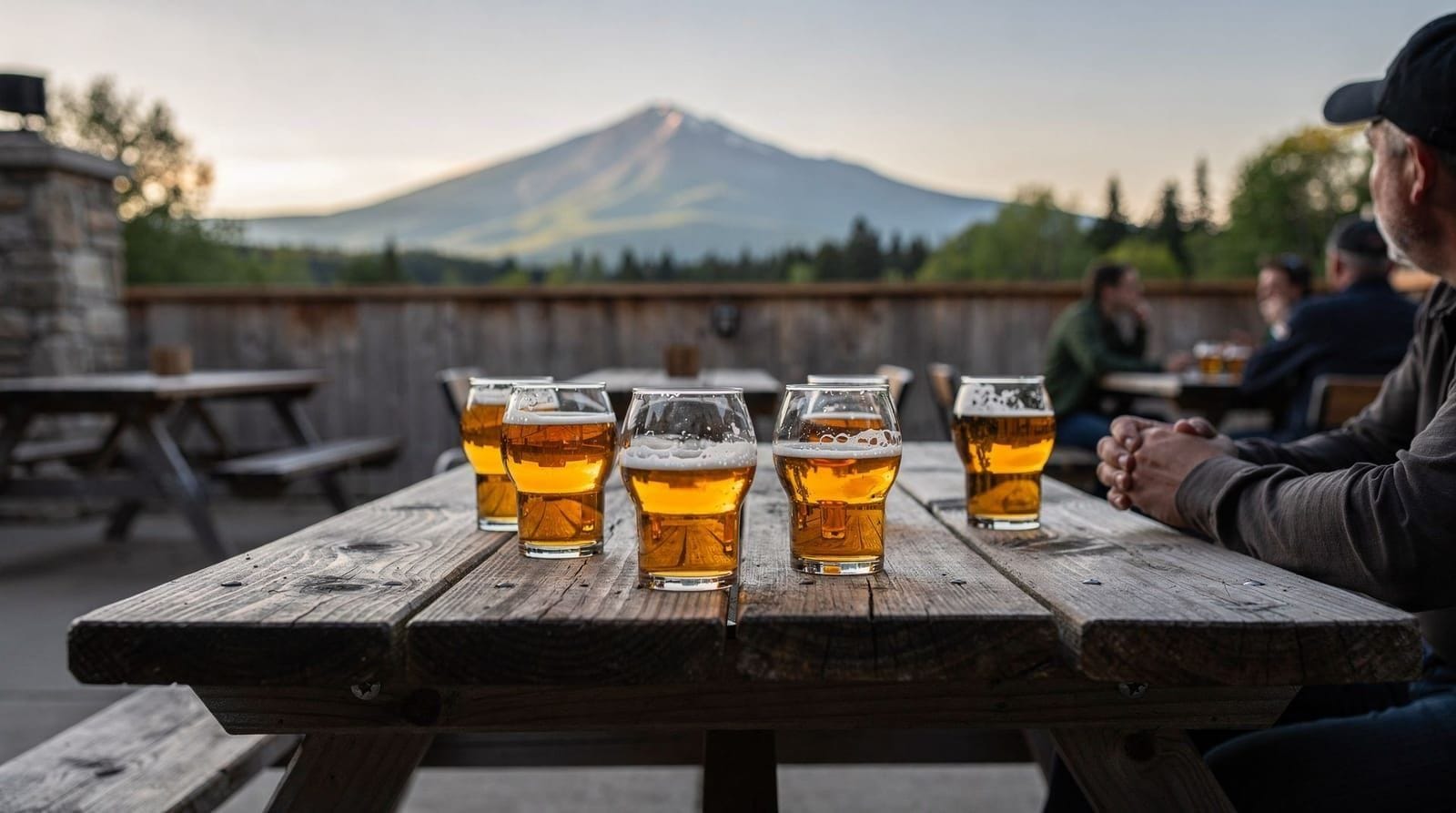
Collingwood: Blue Mountains Wine and Cider Tasting Tour
Where can I try Ontario craft cider?
The Blue Mountain and Georgian Bay region has a cluster of cideries built around the area's apple orchards, reachable on a guided tasting tour from Collingwood. Prince Edward County and Norfolk County, both established fruit-growing regions, also have notable cider producers worth a stop if you're already visiting for wine.
Ontario’s quieter craft beverage scene
While Niagara wine and Toronto craft beer get most of the attention, Ontario’s craft cider scene has grown steadily alongside both, built around the province’s genuinely strong apple-growing regions — particularly the Georgian Bay area near Blue Mountain and Norfolk County along Lake Erie. Cider is fermented from apples rather than grapes or grain, typically landing at 4-7% alcohol, lighter than most wine and comparable to a session beer, which makes it an approachable middle option for visitors who find wine tastings too formal and beer tastings too filling for an afternoon of sampling.
| Where | Blue Mountain/Collingwood area, Prince Edward County, Norfolk County |
| Cost | Around CAD $12-20 for a 4-6 pour tasting flight |
| Best time | September-November for fresh-pressed harvest releases |
| Getting there | Guided tour from Collingwood, or self-drive with a designated driver |
| Booking | Not usually required outside harvest weekends, but confirm hours in winter |
The Blue Mountain and Georgian Bay cluster
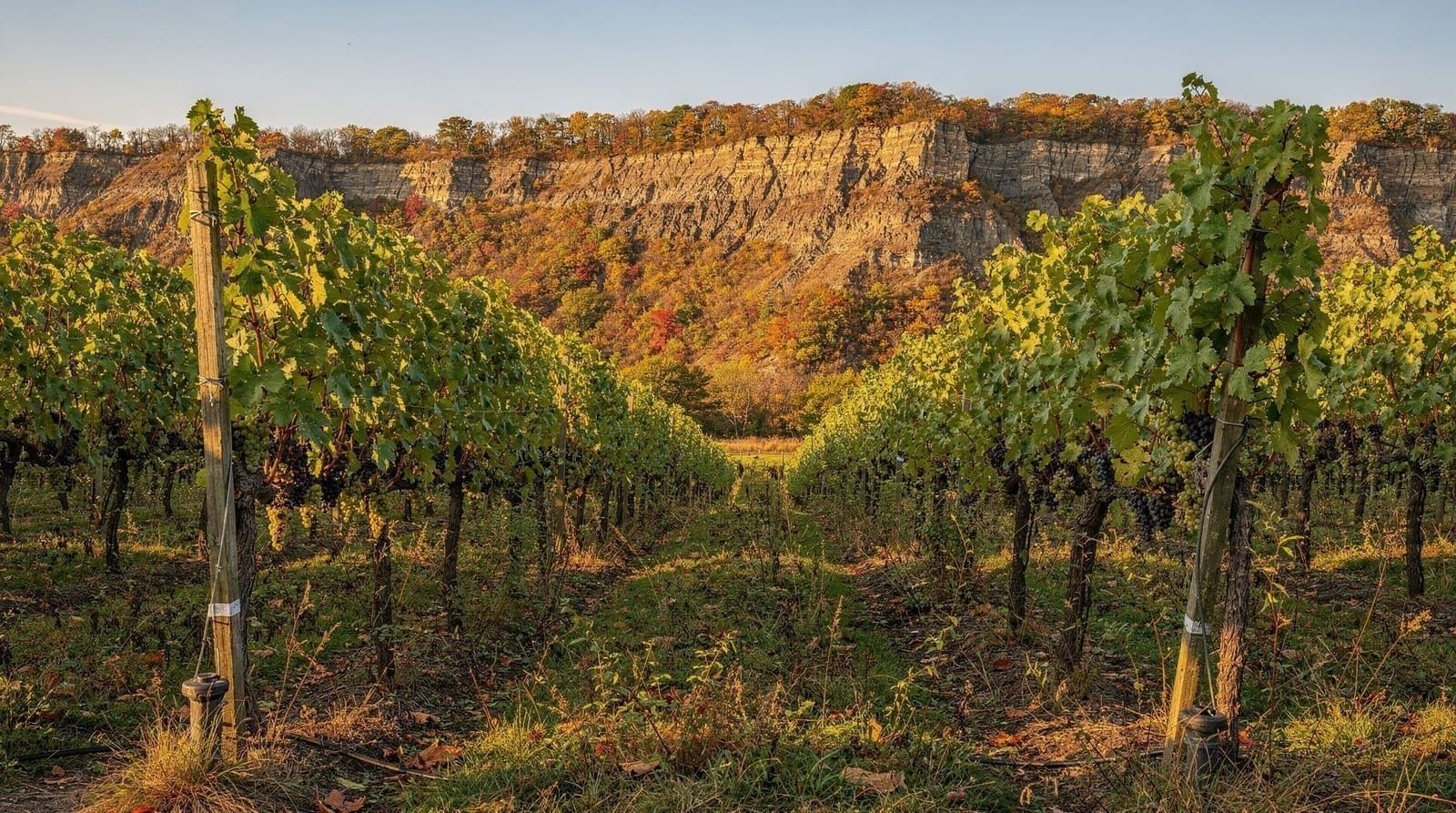
The hills around Blue Mountain and Collingwood have long grown apples commercially, and that orchard tradition has fed a small but genuine craft cider scene in recent years, with producers making both traditional dry, English-style ciders and sweeter, more modern approachable styles from local fruit. The region’s cool climate and well-drained soil, similar in some respects to what makes it suitable for skiing terrain in winter, gives the apple crop here a genuine quality edge that local producers lean into in their marketing and, more importantly, in the final product.
Tasting tours
The Blue Mountains wine and cider tasting tour combines stops at both wine and cider producers in the region, a practical option if your group has mixed preferences or you want to sample both categories without arranging separate visits and a designated driver for each. Tasting flights typically run CAD $12-20 for 4-6 pours, and most producers sell bottles on-site to take home, generally priced comparably to what you’d find at an LCBO store.
Prince Edward County and Norfolk County
Beyond the Blue Mountain area, Prince Edward County — better known for its wine, covered in our Prince Edward County wine guide — also has cider producers worth a stop if you’re already in the region for a wine day and want variety. Norfolk County, along Lake Erie southwest of Toronto, is one of Ontario’s oldest and largest fruit-growing regions and has its own cluster of cider producers, though it sits far enough from Toronto (roughly 2 hours) that it’s a less practical add-on to a typical weekend trip unless cider specifically is the focus.
How Ontario cider compares to what you might know elsewhere
Visitors familiar with UK or French cider traditions will find Ontario’s dry, traditional-style ciders a reasonably close comparison, while those used to sweeter American commercial cider brands will find the modern-style Ontario ciders a closer match. The province’s cideries increasingly experiment with hopped ciders (bridging the gap with craft beer), fruit-infused varieties, and ice cider — a dessert-style cider made using a process similar to icewine, concentrating sugars through freezing before fermentation — which is worth trying if you’re also exploring Niagara’s icewine scene, covered in our icewine in Niagara guide.
Buying cider to bring home
Most Blue Mountain-area cideries sell bottles and cans on-site, and several offer mixed cases that let you sample multiple styles without committing to a full case of one variety, useful if you’re still developing a sense of which style — dry, sweet, hopped, or traditional — you prefer. Cider generally travels well in checked luggage given its lower alcohol content and typically screw-cap or crown-cap packaging, less fragile in transit than a corked wine bottle. If you’re flying home internationally, check your destination country’s alcohol import allowances before buying more than a bottle or two, since limits vary considerably and Canadian cider isn’t always widely distributed outside the country the way some larger commercial brands are.
Combining a cider day with other Blue Mountain activities
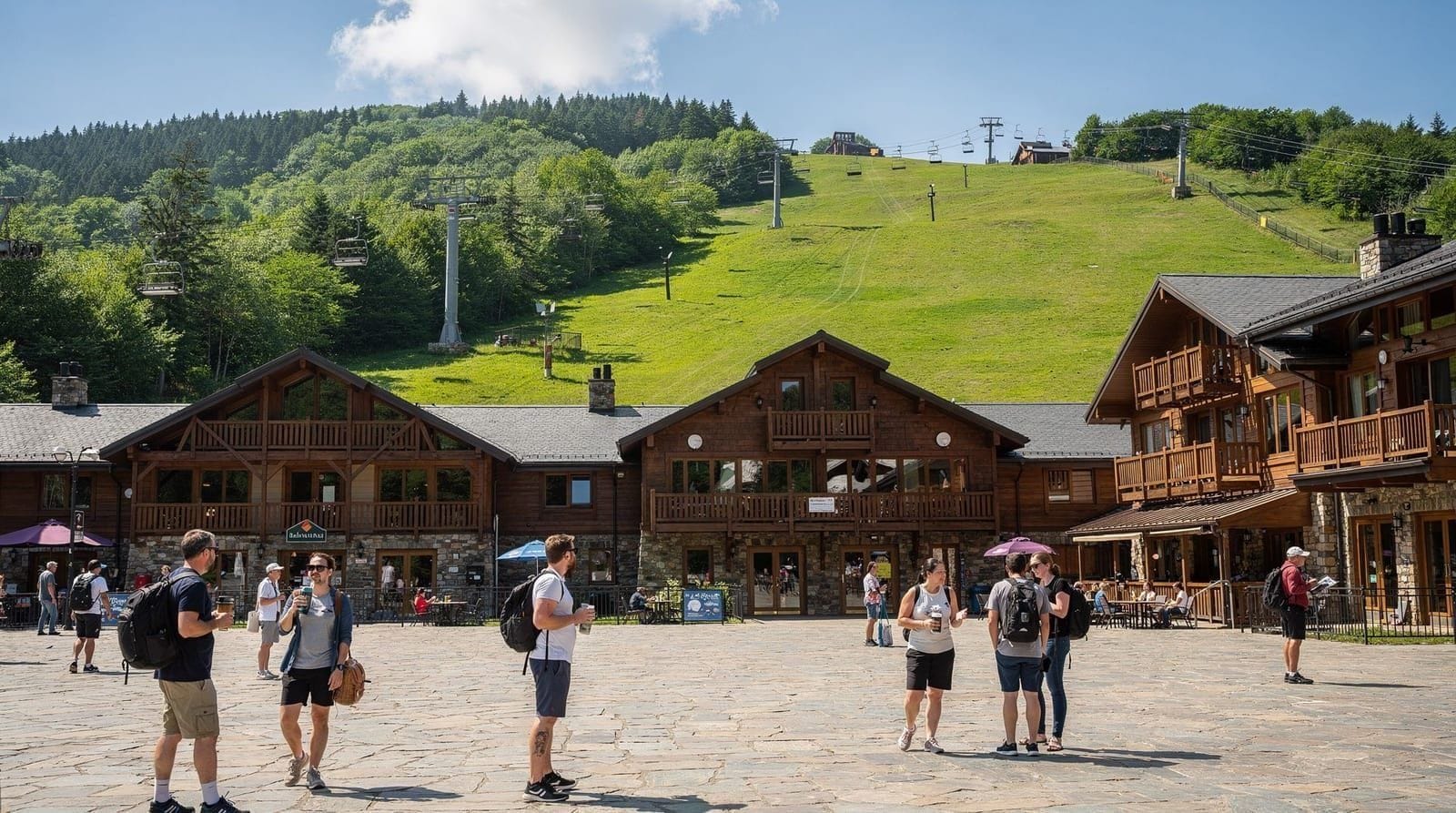
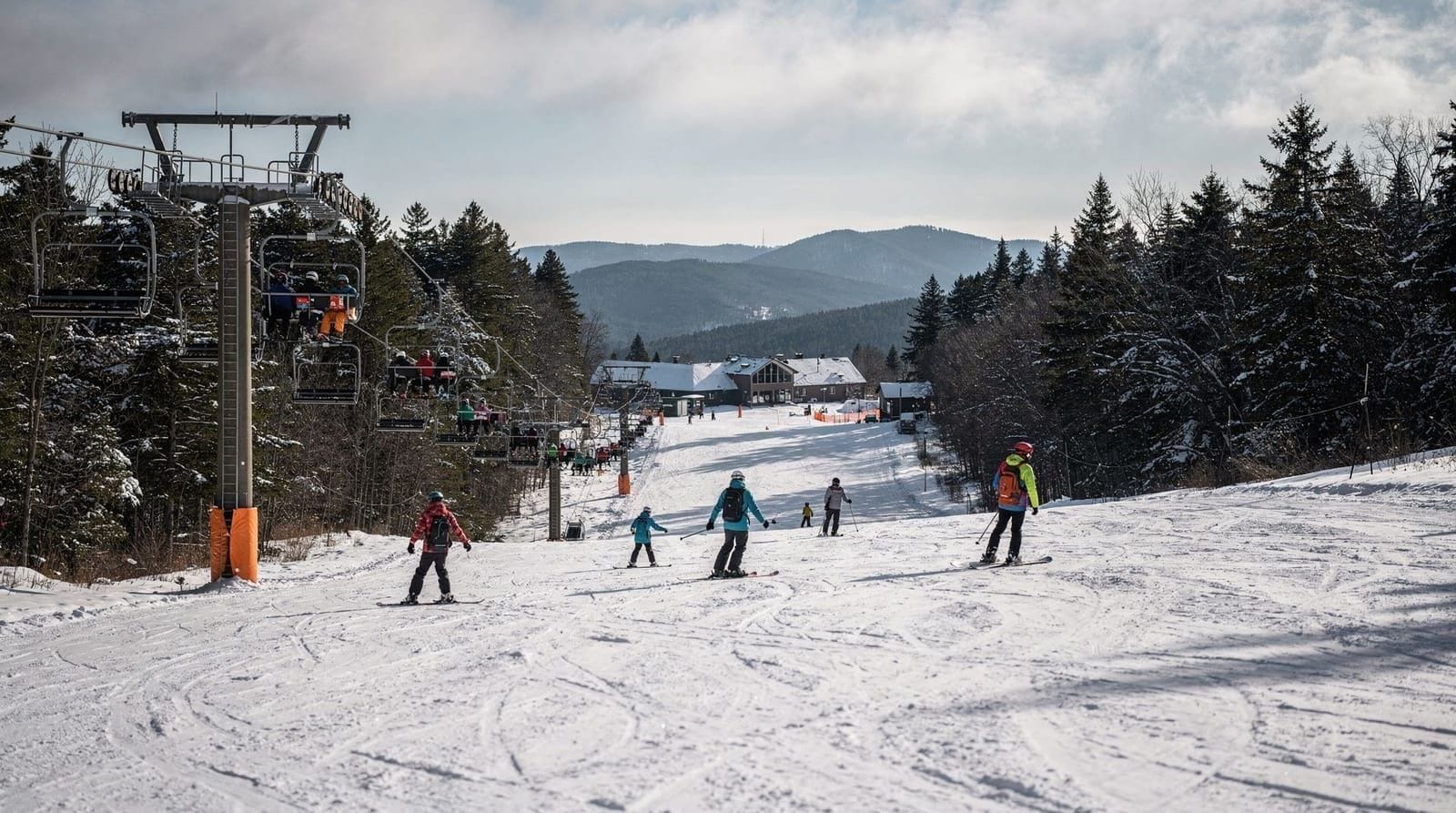
Cider tasting pairs naturally with a Blue Mountain ski day in winter or a hiking day in warmer months, given the short drive between most cideries and Blue Mountain Village. It also combines well with a Collingwood brewery stop, covered in our best breweries in Collingwood guide, for visitors who want to sample the region’s full range of craft beverages rather than cider alone.
Skiers and hikers planning the wider trip should also see things to do in Blue Mountain and the Blue Mountain skiing guide for how a cider stop slots into a longer day. A single afternoon can reasonably cover one cidery and one brewery without feeling rushed, given their proximity to each other in the Collingwood-Blue Mountain corridor.
How cider is actually made, briefly
Understanding the basic cider-making process helps explain the range of styles you’ll encounter at Ontario cideries. Apples are pressed for juice, which is then fermented much like wine — wild or cultivated yeast converts the sugars to alcohol over a period of weeks. Traditional English-style cider makers often use specific heirloom cider apple varieties, bittersweet and bittersharp types not suited for eating fresh, which produce a more tannic, complex, less immediately fruity result than cider made from dessert apples.
Ontario producers increasingly plant these traditional cider varieties alongside more common eating apples, and asking a tasting-room host which apples went into a specific bottle is a good way to understand why two ciders from the same region can taste so different from each other.
Cider events and seasonal releases
Several Ontario cideries release limited seasonal batches tied to the fall apple harvest, typically September through November, when fresh-pressed, unfiltered ciders and small-batch experimental blends become available only at the cidery itself rather than through wider retail distribution. Visiting during this window gives access to releases you won’t find at an LCBO store, similar to how a winery’s tasting-room-only bottles differ from what reaches wider retail. Some cideries also host harvest festivals in the fall, combining apple-picking with tastings — worth checking individual producer calendars if your Blue Mountain trip falls in September or October.
Practical notes
- Designated driver: Essential for any tasting day involving multiple stops — Ontario enforces impaired driving laws strictly, and rural roads around Blue Mountain aren’t forgiving, especially in winter.
- Seasonal hours: Some smaller cideries reduce hours or close entirely in the dead of winter outside ski season traffic — check current hours before a January or February visit.
- Buying bottles: Most cideries sell bottles and cases on-site, often including small-batch releases not available at LCBO stores.
- Combining with wine: If your trip includes Niagara or Prince Edward County, both regions have cider producers alongside their better-known wineries, worth asking about when booking a wine tour.
Cider’s growing role in Ontario’s broader drinks scene
Cider has grown from a genuine niche category a decade ago into a more mainstream fixture on Ontario menus and LCBO shelves, tracking a broader North American trend of drinkers looking for lighter, often gluten-free alternatives to beer without sacrificing the same social, casual-drinking context a pint provides.
That growth has encouraged more Ontario apple growers, particularly in established fruit-growing regions like the Blue Mountain area and Norfolk County, to shift a portion of their orchards toward dedicated cider apple varieties rather than solely eating apples, a long-term investment that’s slowly changing the flavor profile of Ontario cider as more traditional English and French cider apple varieties mature and enter production. Visitors returning to the region every few years often notice a genuine evolution in quality and style as this longer-term shift plays out.
Frequently asked questions about Ontario craft cider
Is Ontario cider gluten-free?
Yes, cider is naturally gluten-free since it’s fermented from apples rather than grain, making it a good option for gluten-sensitive visitors who might otherwise be limited to wine at a tasting.
How does Blue Mountain cider compare to Niagara wine as a day trip focus?
They’re complementary rather than competing — Blue Mountain’s cider scene is smaller and more casual, well-suited to combining with skiing or hiking, while Niagara’s wine scene, covered in our Niagara wine country guide, is larger and more focused on wine as the day’s central activity.
What’s ice cider and where can I try it in Ontario?
Ice cider is a dessert-style cider made using a freezing process similar to icewine production, concentrating sugars before fermentation. Some Ontario cideries, particularly in the Blue Mountain and Prince Edward County regions, produce small-batch versions worth seeking out.
Can I visit Ontario cideries without a car?
Not practically for most producers, which sit in rural areas outside Collingwood, Prince Edward County, or Norfolk County. A guided tour with transportation included, or a rental car with a designated driver, is the realistic approach.
Is cider tasting cheaper than wine tasting in Ontario?
Generally comparable, CAD $12-20 for a flight at most producers, though pricing varies by cidery and doesn’t track meaningfully lower than a similar wine tasting experience.
What food pairs well with Ontario cider?
Cheese, roast pork, and apple-forward desserts are classic pairings; several cideries in the Blue Mountain area run on-site food service or partner with nearby restaurants specifically built around cider-friendly menus.
Is a cider day trip worth combining with Niagara wine country?
They’re a fair drive apart, so most visitors treat them as separate trips rather than one day — see the Niagara wine country guide for what a dedicated wine day there looks like, and plan cider around Blue Mountain or Prince Edward County instead.
Top experiences
Bookable activities with verified prices and instant confirmation on GetYourGuide.