Winter escape: Toronto & Blue Mountain
Collingwood: Blue Mountains Wine and Cider Tasting Tour
Why winter changes what this trip looks like
Most Toronto-to-Ontario itineraries on this site assume the warmer half of the year, since so much of the province’s outdoor infrastructure — boat tours, wineries’ patio seasons, cottage-country roads — shuts down or gets harder to reach between November and April.
This itinerary is built for winter specifically: a Toronto stretch centered on the city’s cold-weather strengths (ice skating, holiday lights, indoor culture), followed by two days at Blue Mountain, Ontario’s largest ski resort, near the town of Collingwood. It works well anywhere from mid-December through March, with the caveat that snow conditions vary — check the resort’s snow report before finalizing dates if skiing is the main draw, since early December and late March can be thin.
| Where | Downtown Toronto, then Blue Mountain/Collingwood (2hrs north) |
| Cost | around $180–260 CAD/person/day |
| Time needed | 4 days |
| Getting there | Car via Highway 400/26; no direct transit |
| Best time | Mid-December–March; check the snow report for early/late season |
A car is the practical way to reach Blue Mountain, about a 2-hour drive from Toronto with no direct transit connection. Budget roughly $180–260 CAD per person per day — Blue Mountain Village’s slopeside hotels (the Westin Trillium House among them) run $250–450/night in peak ski season (late December through February, and especially over holidays), while Collingwood’s downtown hotels are a more moderate alternative a short drive from the hill.
Ski and snowboard equipment is one of this trip’s larger variable costs if you don’t own your own gear — full rental packages (skis or board, boots, poles) typically run $50–70 CAD/day at the resort, though renting from a Collingwood shop rather than directly at the hill can save $10–15 CAD/day if you’re staying in town anyway. Lift tickets are the other major cost and vary significantly by date; weekday tickets can run $30–40 CAD less than weekend or holiday-period pricing, worth factoring in if your dates have any flexibility.
Day 1: Toronto — ice skating and holiday lights
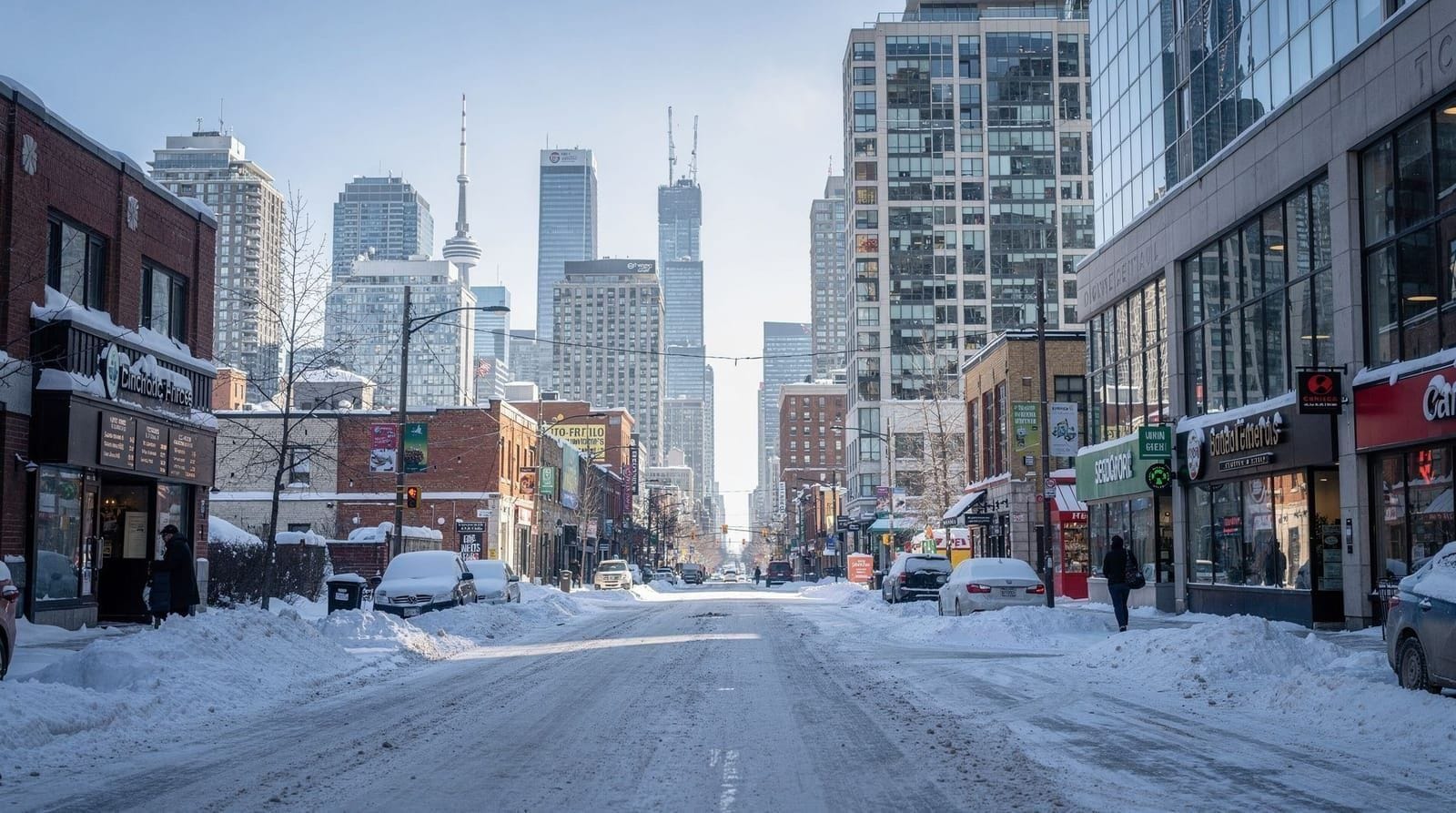
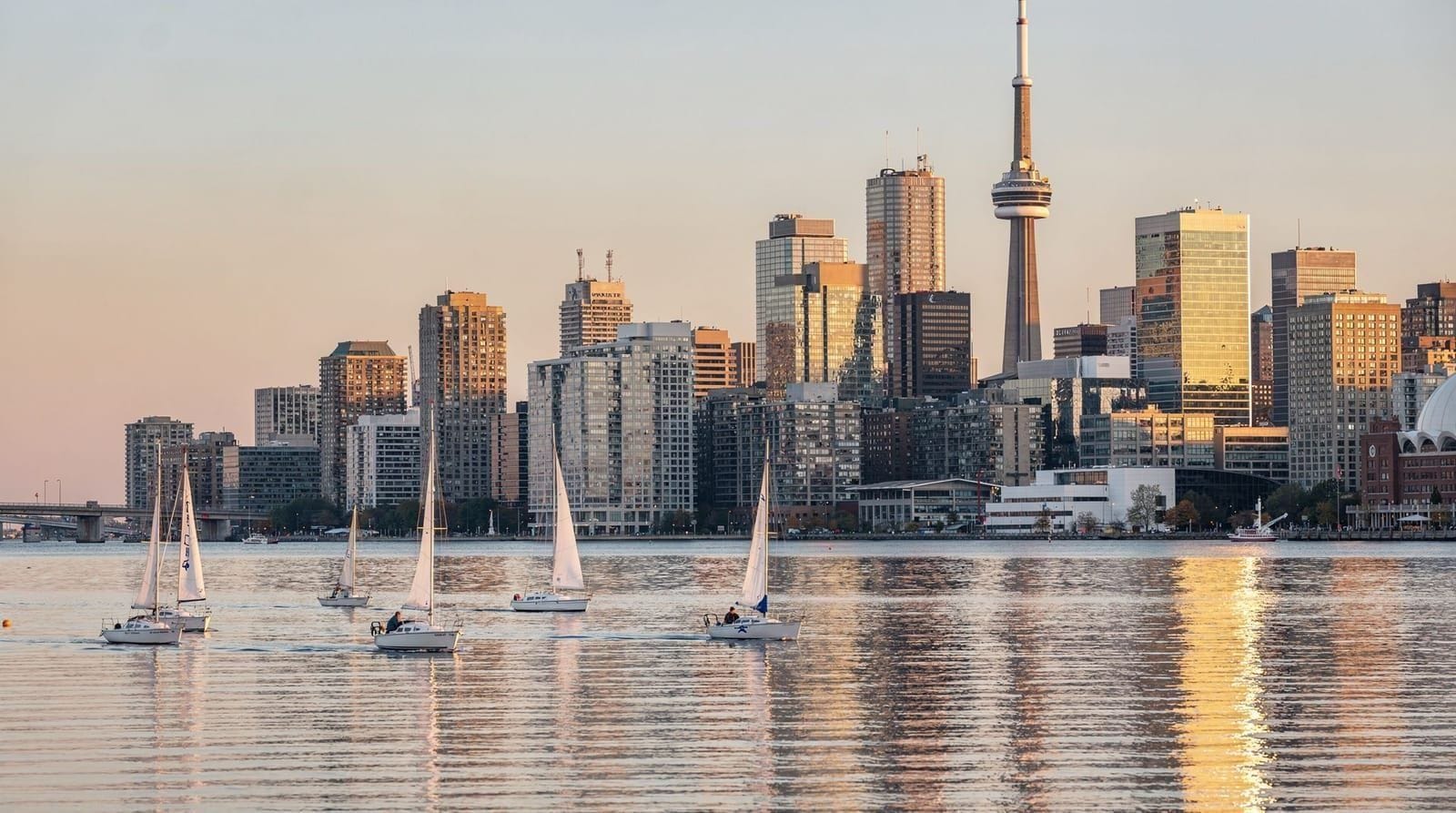
If your trip falls in December, Nathan Phillips Square’s Cavalcade of Lights and the outdoor skating rink are the city’s signature winter draw — skate rental is available on-site, and the rink itself is free to use. The Distillery District’s Winter Village (also a December fixture) adds a second dose of lights and market stalls in a more atmospheric, cobblestone setting.
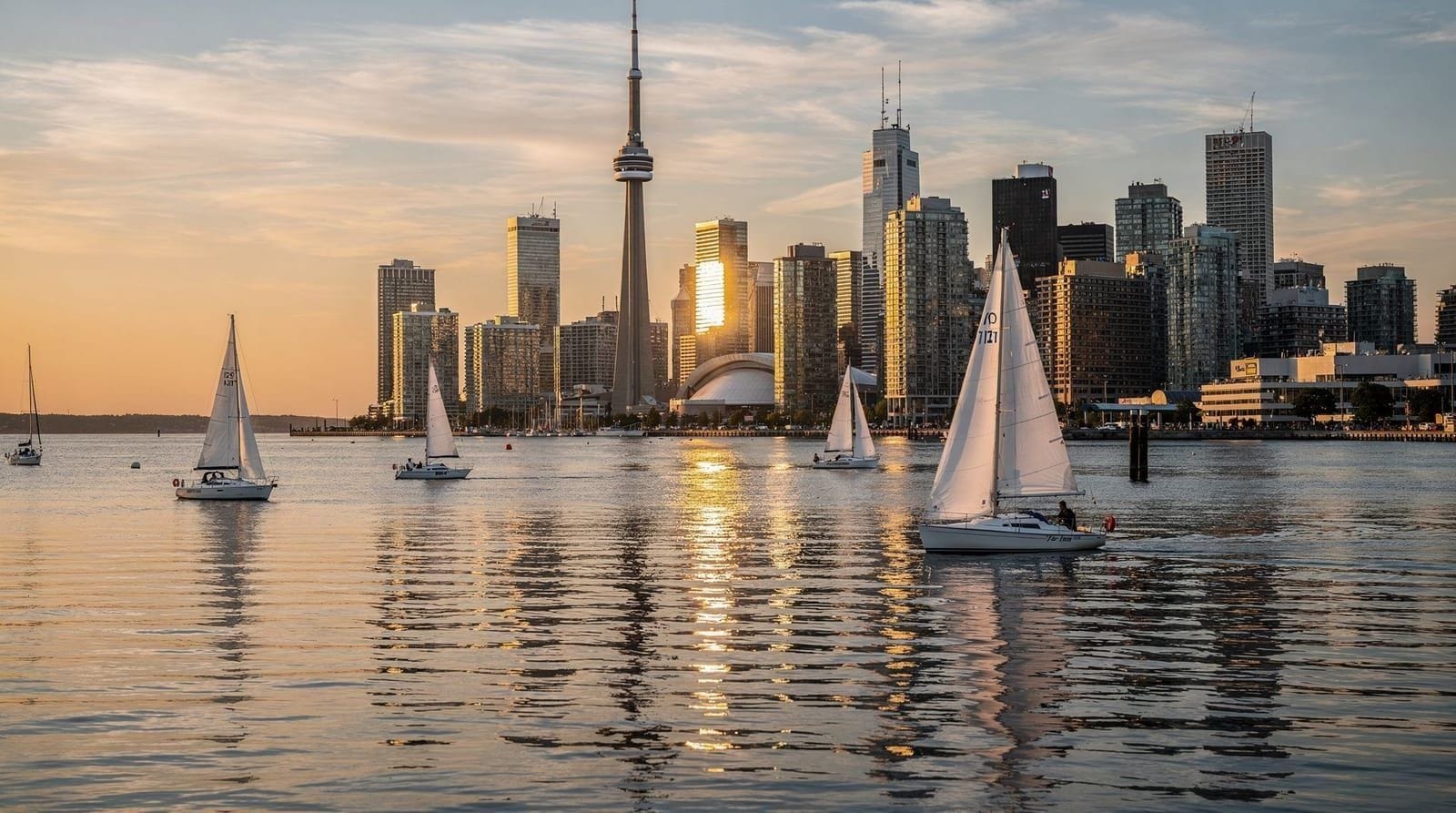
Outside the holiday window, the Harbourfront Centre’s natural ice rink at the lake’s edge is open through the winter and worth the visit for the skyline backdrop alone. The ice skating in Toronto guide and Christmas in Toronto guide both cover the seasonal specifics in more depth, including which rinks stay open latest into the season.
If you’d rather spend the day indoors, this is also a good window for the Royal Ontario Museum or Art Gallery of Ontario, both a reasonable draw regardless of season but especially useful as a warm-up day before two full days outdoors at Blue Mountain. Dinner near Yonge-Dundas Square or the Distillery District’s Winter Village combines well with either the skating or museum plan, since both are within a short walk or streetcar ride of downtown’s core hotel districts.
Day 2: Toronto to Blue Mountain
Spend the morning in Toronto — the Royal Ontario Museum or Art Gallery of Ontario are solid indoor options if the weather is unpleasant — then drive the roughly 2 hours north to Blue Mountain, arriving by mid-afternoon. Leaving Toronto before noon gives you a buffer against winter driving conditions and shorter daylight hours; sunset in January falls around 5pm, so an early-afternoon departure means arriving with at least some daylight left to get oriented at the Village before dark.
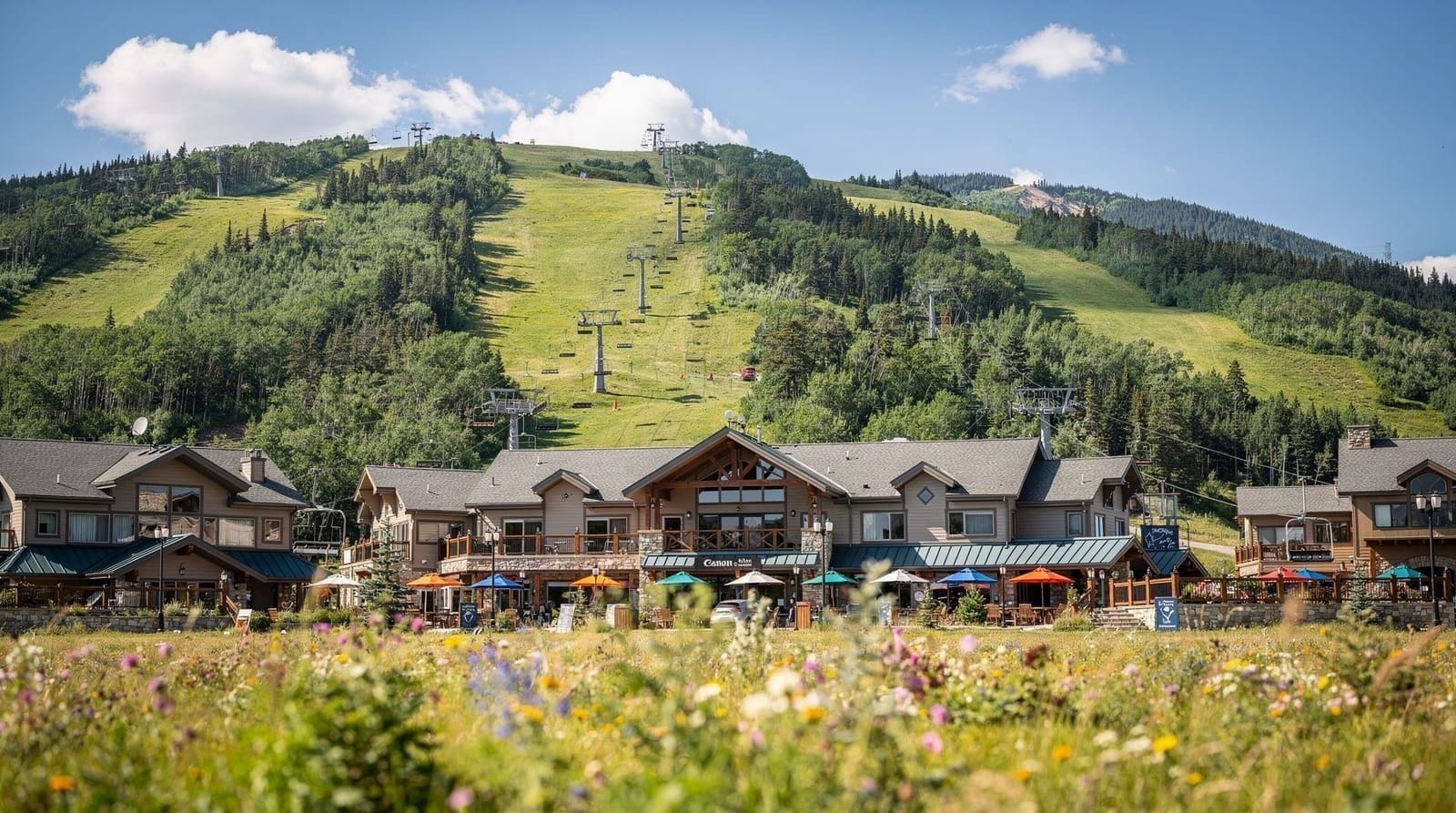
Check into your accommodation and, if there’s daylight left, walk Blue Mountain Village’s pedestrian base area, a cluster of shops, restaurants and the gondola base that’s genuinely pleasant even for non-skiers. The Blue Mountain day trip from Toronto guide has more on the drive and what to expect on arrival if you’re timing this for a specific evening activity.
Day 3: Skiing, and Scandinave Spa
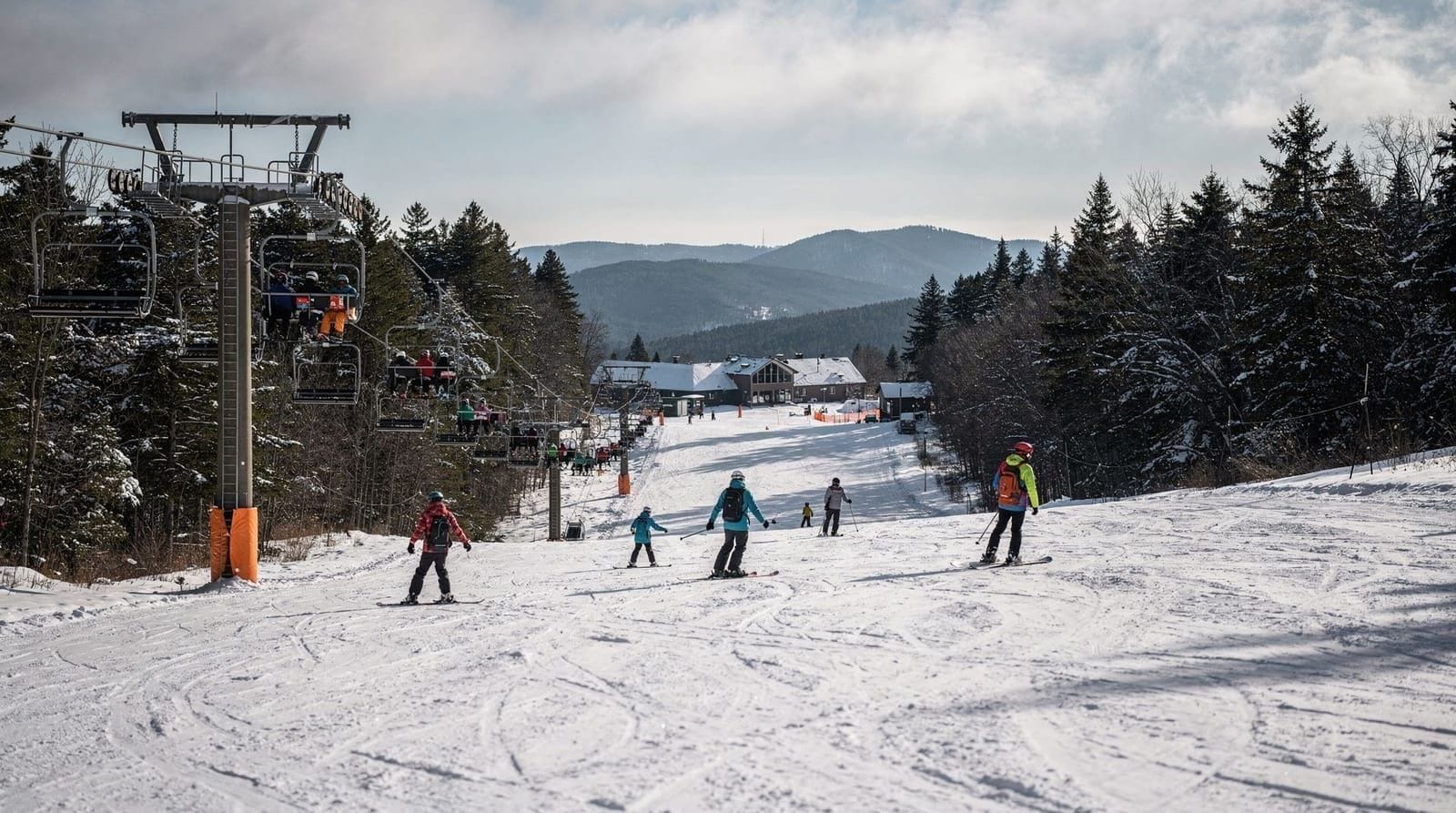
This is the ski day, if that’s part of your trip — Blue Mountain has 42 runs across a modest but respectable 220m vertical drop, better suited to intermediate skiers and families than experts looking for extreme terrain; see the Blue Mountain skiing guide for lift ticket pricing and run-by-run detail. If skiing isn’t the point of your trip, or you want a rest day from it, Scandinave Spa Blue Mountain’s Scandinavian-style hot-cold circuit (outdoor hot pools, cold plunge, sauna, repeat) is one of the region’s most-recommended non-ski activities and books up on winter weekends, so reserve ahead.
In the evening, the Private Singhampton Caves Snowshoe near Collingwood is a distinctive way to see the Niagara Escarpment’s cave formations under snow, quieter and more atmospheric than the summer hiking version of the same trail — snowshoes and poles are typically provided, so no gear investment beyond warm, waterproof layers and boots is needed. If skiing wore you out earlier in the day, this is a genuinely lower-intensity way to still get outside rather than retreating straight to the hotel, since the pace is closer to a winter walk than a workout.
Day 4: Collingwood town and cider country before heading back
Spend the morning in downtown Collingwood, a genuinely walkable small town with a good concentration of independent shops and cafés along Hurontario Street. The Blue Mountains Wine and Cider Tasting Tour covers the region’s growing cider scene, distinct from the grape-focused wine regions further south, and pairs well as a final activity before the drive back. If beer is more your interest, the Blue Mountains Brewery Tour with Tastings covers a similar circuit for the region’s craft breweries instead.
Head back to Toronto in the early afternoon, about 2 hours depending on winter road conditions — check the Ontario 511 road conditions service before leaving if snow is in the forecast, since Highway 26 can see reduced visibility during active snowfall. Leave a wider buffer than you would in summer, and consider heading out before an approaching storm rather than during one; Environment Canada’s forecasts for the Georgian Bay snowbelt are generally reliable enough to plan a departure window around.
Non-ski activities at Blue Mountain
Skiing is the headline draw, but it’s not the only reason to make this trip — the Village’s shops and restaurants, the Scandinave Spa, and a growing roster of winter-specific activities (tubing, a mountain coaster that runs year-round, snowshoeing) mean the resort works even for travelers who don’t ski or board at all. If your group is split between skiers and non-skiers, Blue Mountain Village is genuinely one of the better Ontario ski destinations for that mix, since there’s enough non-ski infrastructure clustered at the base that non-skiing members of your group aren’t left waiting around with nothing to do.
Getting there and road conditions
The drive from Toronto to Blue Mountain runs via Highway 400 and then Highway 26, with the final stretch through rural, occasionally lake-effect-snow-affected terrain near Georgian Bay. Winter tires are strongly recommended (and in some parts of Ontario, effectively expected) for this drive; rental cars in Ontario typically come equipped with all-season tires by default, so ask specifically about winter tires if you’re renting for a trip planned around snow. The Blue Mountain RV-Motorhome Tour from Toronto is a guided alternative if you’d rather not manage winter driving yourself.
Combining this with a warm-weather visit later
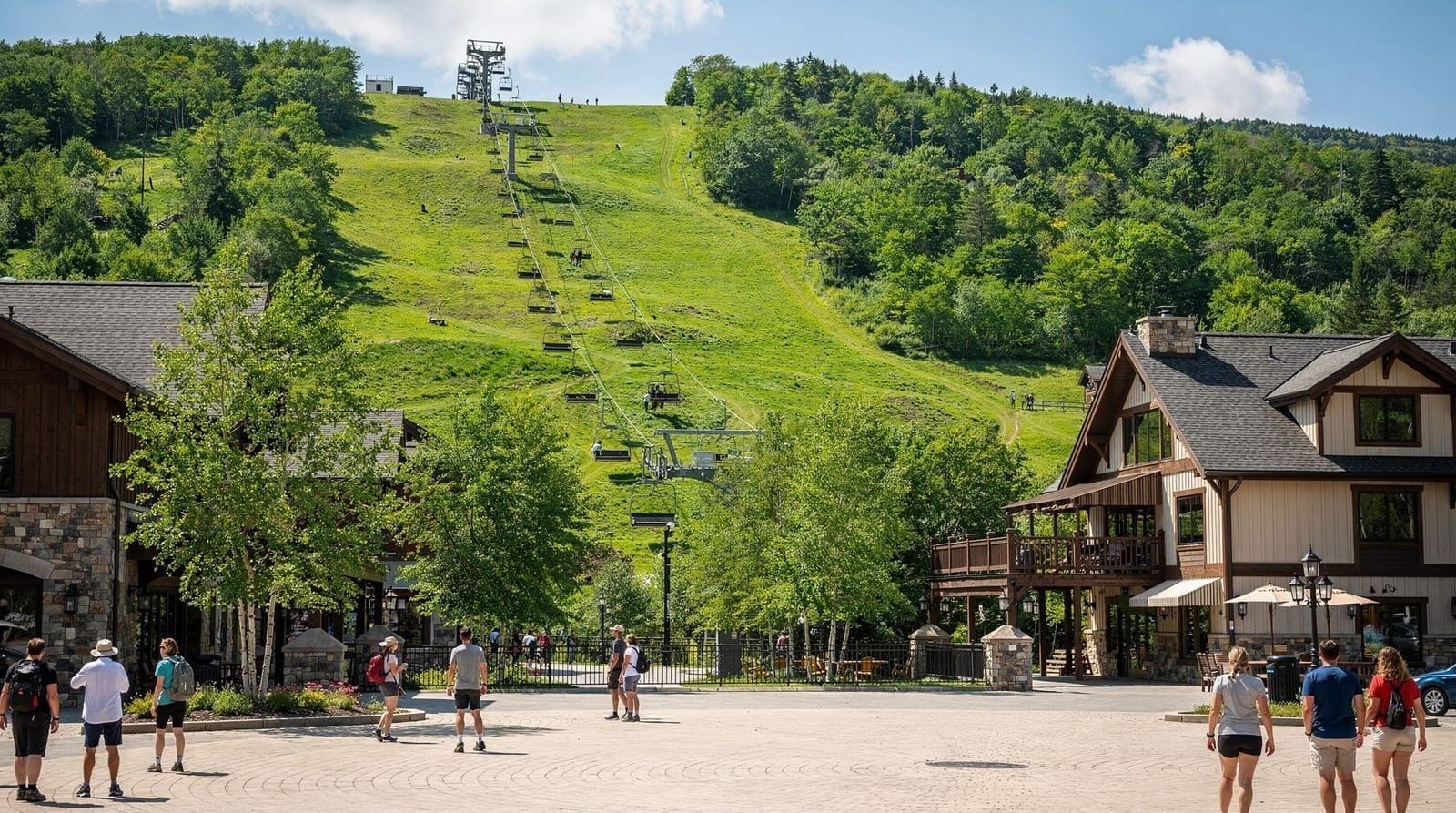
If this trip leaves you curious about Blue Mountain outside ski season, it’s worth knowing the region essentially transforms in summer — mountain biking on the Village’s lift-served trails, hiking the Bruce Trail’s northern sections, and Georgian Bay’s beaches all become the draw instead of snow. Many visitors end up returning for both versions once they’ve discovered how different the two seasons feel here, which is part of why this itinerary exists as a winter-specific companion to the region’s warmer-weather appeal.
Day-by-day summary
| Day | Focus |
|---|---|
| 1 | Toronto — ice skating, holiday lights, or an indoor museum day |
| 2 | Drive to Blue Mountain, Village base area in the afternoon |
| 3 | Skiing or Scandinave Spa, evening snowshoe near Collingwood |
| 4 | Collingwood town, wine/cider or brewery tour, drive back |
Non-skiers in the group
Skiing isn’t a requirement for this trip to work — it’s built around it, but the Scandinave Spa’s hot-cold circuit, the Village’s shops and restaurants, the snowshoe outing near Collingwood, and downtown Collingwood itself all give a non-skier a full four days without ever strapping on a board. If your group is split, the cleanest way to handle Day 3 is for the skiers to hit the hill in the morning while non-skiers book the spa, then regroup for the evening snowshoe together — it’s low-intensity enough that ski-tired legs and non-skiers are on roughly equal footing.
If ski season isn’t your priority
Blue Mountain’s Village and Scandinave Spa are worth visiting outside ski season too — see the general Blue Mountain destination page and Collingwood destination page for a broader, season-agnostic view of the region, or the best breweries in Collingwood guide for a summer-focused version of Day 4’s cider-and-beer stop.
Frequently asked questions about this winter escape
Is Blue Mountain good for beginner skiers?
Yes — it’s one of Ontario’s more beginner-and-family-friendly ski resorts, with a modest vertical drop (220m) and a good proportion of green and blue runs relative to more advanced terrain. Experienced skiers looking for challenging terrain may find it limited after a day or two.
Do I need snow tires or a 4x4 to drive to Blue Mountain in winter?
A 4x4 isn’t required for the main highway route, but proper winter tires make a meaningful difference in stopping distance and control, especially on Highway 26’s final stretch near Georgian Bay, which sees more lake-effect snow than Toronto. Confirm winter tires specifically when booking a rental car.
Is the Cavalcade of Lights only in December?
The lighting display itself runs primarily through the holiday season (typically late November through early January), though Nathan Phillips Square’s rink and much of the surrounding lights remain up and the rink stays open into February or March depending on temperatures.
How much does a ski day at Blue Mountain cost?
Lift tickets typically run $90–140 CAD for a full day depending on the date (weekday versus weekend, and holiday periods carry a premium), with equipment rental adding roughly $50–70 CAD if you don’t have your own gear. See the Blue Mountain skiing guide for current season pricing detail.
Is Scandinave Spa worth booking ahead?
Yes, especially on winter weekends, when time slots regularly sell out days in advance. Weekday visits are more likely to have same-week availability if your schedule is flexible.
Can this itinerary work without a car?
Not really — there’s no direct transit service from Toronto to Blue Mountain or Collingwood, so a rental car or a guided day-tour option is effectively required for this itinerary.
How much does a full ski weekend at Blue Mountain cost?
For two people over one ski day plus lodging, figure roughly $700–1,000 CAD at a mid-range pace — that’s a night at a Collingwood hotel ($250–350), two full-day lift tickets and rental packages ($200–280 total), and meals across the trip. Slopeside accommodation and holiday-period pricing push this meaningfully higher.
Is Blue Mountain crowded during peak ski season?
Yes, particularly over the Christmas-New Year period and Family Day long weekend in February, when lift lines and Village Base parking both get genuinely congested. Weekday visits, or booking well ahead for weekend dates in those windows, are the two practical ways to avoid the worst of it.
What if there’s not enough natural snow?
Blue Mountain runs extensive snowmaking coverage across its main runs, so skiing is generally reliable through the core season (late December through March) even in lower-snowfall years, though conditions and open-run counts vary. Check the resort’s current snow report before finalizing dates if a specific run or terrain type matters to your trip.
Can non-skiers enjoy this trip as much as skiers?
Yes — the Scandinave Spa, the Village’s shops and restaurants, downtown Collingwood and the evening snowshoe outing are all non-ski activities substantial enough to fill the itinerary without ever touching a lift ticket.
Is this itinerary better than a summer trip to the same region?
They’re genuinely different trips rather than one being “better” — this version is built around skiing, holiday lights and the spa’s cold-weather appeal, while the region’s summer version trades those for mountain biking, hiking and Georgian Bay’s beaches. The Blue Mountain destination page covers the warm-season version if you’re weighing both.
Top experiences
Bookable activities with verified prices and instant confirmation on GetYourGuide.