Collingwood
Collingwood travel guide: historic downtown, Georgian Bay harbour, breweries and caves, and how it pairs with a Blue Mountain ski trip from Toronto.
Collingwood: Blue Mountains Brewery Tour with Tastings
Quick facts
- Distance from Toronto
- 155 km / 2 hours by car
- Distance from Blue Mountain
- 15 minutes by car
- Best known for
- Historic downtown, Georgian Bay harbour, craft breweries
- Best time to visit
- June-September for the harbour and patios, December-March paired with Blue Mountain skiing
A real working town next to a resort
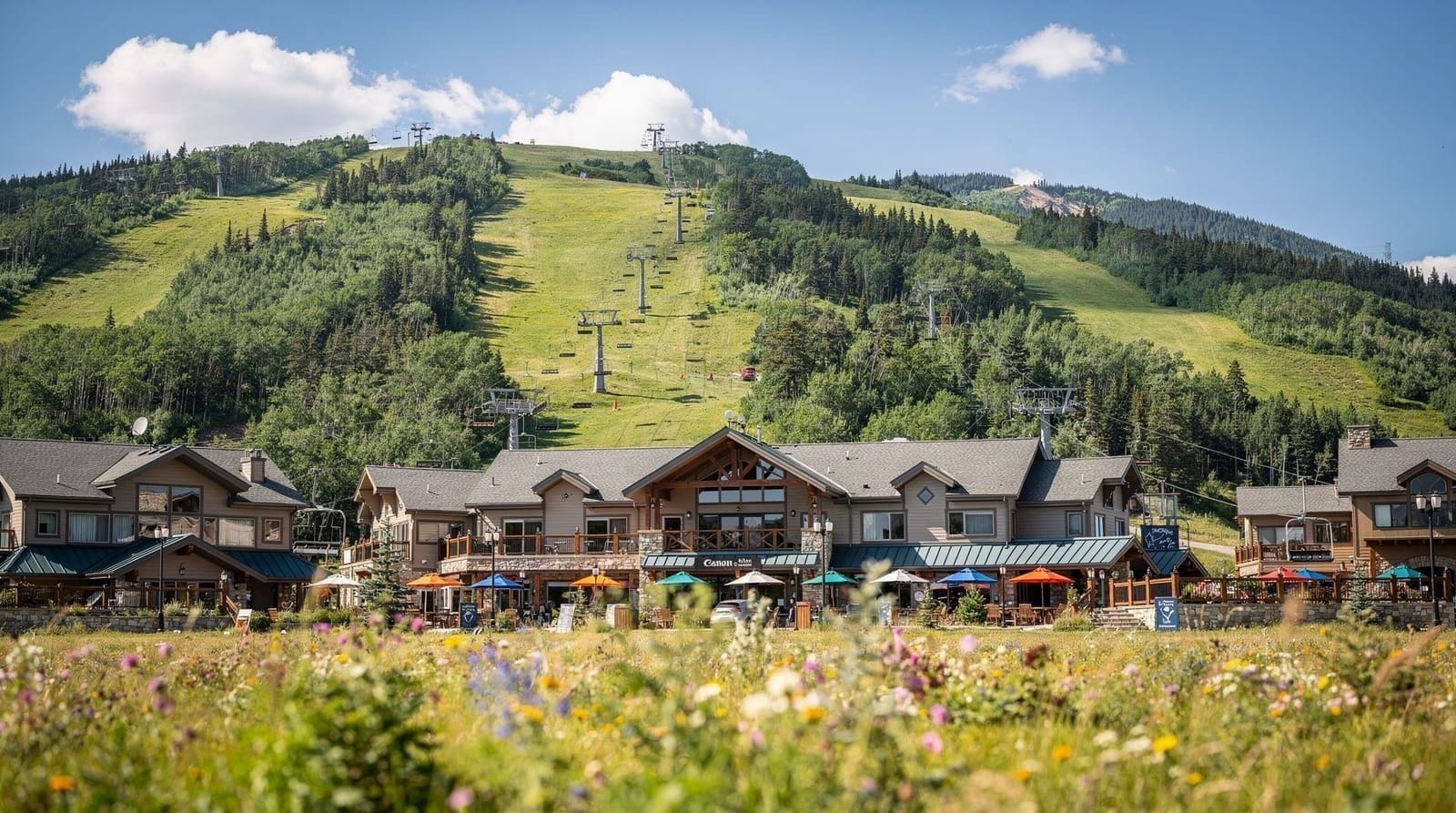
Collingwood sits on Georgian Bay a short drive from Blue Mountain, and where the resort’s own village is purpose-built around skiing and lodging, Collingwood is a genuine town with a shipbuilding and industrial history predating the ski resort by decades. That history is visible in its downtown — a well-preserved 19th-century main street along Hurontario Street, rather than a resort plaza — and it gives Collingwood a different character from Blue Mountain Village even though the two are close enough to combine easily in a single trip.
| Where | Georgian Bay, 155 km / 2 hrs from Toronto |
| Cost | Downtown free to walk; brewery tastings a few CAD each |
| Time needed | 1-2 days, or a half-day as a Blue Mountain add-on |
| Getting there | Car via Highway 400/26, or limited coach |
| Best time | June-Sept for the harbour, Dec-March paired with skiing |
The town has also become a genuine food and drink destination in its own right, with a craft brewery scene that’s grown considerably in recent years, drawing visitors independent of any ski or spa plans at Blue Mountain nearby.
Collingwood’s shipbuilding heritage is worth understanding before wandering the harbourfront, since much of what looks like industrial decoration is in fact the genuine remnant of a working port. The Collingwood Shipyards operated for over a century, building lake freighters and other vessels until closing in the late 1980s; the grain terminals still standing along the water are a direct legacy of that era rather than a themed installation, which gives the harbourfront a weight and authenticity that purpose-built resort towns rarely manage.
That contrast — real industrial history sitting a short drive from a modern ski resort — is a large part of what makes Collingwood worth treating as its own destination rather than simply “the town near Blue Mountain.”
Getting there from Toronto
By car: about 2 hours via Highway 400 to Highway 26, the standard route, and effectively necessary for reaching the caves and countryside attractions outside the downtown core.
As a Blue Mountain add-on: most visitors reach Collingwood as part of a Blue Mountain trip, with the 15-minute drive between the two making it easy to base at either location and visit the other for a meal or an afternoon.
By bus: limited coach service connects Toronto to Collingwood, workable for a downtown-focused visit without a car, though the caves and rural attractions outside town require a vehicle.
What to actually do in Collingwood
Downtown Collingwood, centred on Hurontario Street, mixes preserved 19th-century storefronts with independent shops, cafés, and restaurants — a genuinely walkable historic core that stands apart from the more manufactured feel of a resort village, and worth an afternoon on its own even without a ski or spa trip planned.
Craft breweries have become one of Collingwood’s real draws — a cluster of independent breweries in and around town, several offering tours and tasting flights. The Blue Mountains brewery tour with tastings covers a selection of the area’s producers in a single guided outing, a good way to sample the scene without driving between stops yourself.
Georgian Bay harbourfront, including the Collingwood Grain Terminals (a decommissioned industrial landmark visible from the waterfront) and the town’s marina, offers a walking trail along the water — a quieter counterpart to Blue Mountain’s alpine activities, worth a stroll particularly at sunset.
Escarpment caves, in the countryside outside town, offer genuine rock scrambling and cave exploration distinct from anything else easily reachable from Toronto. The private Metcalfe and Duncan Caves hike covers one set of formations with a guide, while the private Singhampton Caves snowshoe tour offers a winter version of similar terrain, exploring the caves and surrounding escarpment on snowshoes rather than on foot.
Blue Mountain resort activities, 15 minutes away, are the natural add-on for visitors staying in Collingwood — skiing in winter, the alpine coaster and ziplines in summer, and the Scandinave Spa year-round, all easily reached from a Collingwood base.
Collingwood Museum, housed in the town’s old grain terminal railway station, covers the area’s shipbuilding history in detail — Collingwood was once a major Great Lakes shipbuilding centre, and the museum’s collection of models and archival material gives real context to the industrial landmarks still visible along the harbourfront today.
Georgian Trail, a converted rail corridor running along the base of the escarpment between Collingwood and the surrounding towns, offers an easy, flat walking and cycling route distinct from the steeper escarpment hikes near the caves — a good option for a lower-effort outdoor stop or a rental-bike afternoon.
Collingwood versus Blue Mountain Village as a base
| Collingwood | Blue Mountain Village | |
|---|---|---|
| Character | Genuine 19th-century town | Purpose-built resort plaza |
| Price | Generally more affordable | Resort premium |
| Distance to lifts | 15-minute drive | Ski-in/ski-out |
| Best for | Value, breweries, a real downtown | No-car convenience |
For a deeper look at the resort side of that comparison, see the Blue Mountain guide and the Blue Mountain day trip from Toronto guide.
Where to eat and drink in Collingwood
Hurontario Street’s downtown core is the centre of Collingwood’s dining scene, with a mix of casual cafés, pubs, and sit-down restaurants occupying the same 19th-century storefronts that give the street its character. The town’s craft brewery scene deserves particular attention — Side Launch Brewing Company and Collingwood Brewery both operate taprooms within walking distance of downtown, and Northwinds Brewhouse, closer to the Blue Mountain side of the area, rounds out a reasonable brewery crawl for visitors who want to sample several in a day without much driving between stops.
For a sit-down meal with a view, several restaurants along the harbourfront lean into the Georgian Bay setting, and reservations are worth making on summer weekends when patio seating fills up quickly. Grocery and specialty food shopping is easiest along Hurontario Street or at the larger retail plazas on the town’s outskirts, useful if you’re self-catering during a longer stay.
Coffee culture has grown alongside the brewery scene, with a handful of independent roasters and cafés along the downtown strip offering a good pre-hike or pre-ski stop. Combined with the breweries, it’s fair to say Collingwood’s drink scene now rivals its food scene as a reason to visit on its own.
Shopping and galleries downtown
Beyond the breweries and restaurants, Hurontario Street carries a genuine mix of independent boutiques, home decor shops, and a handful of small galleries showing local and regional artists — a good complement to a downtown walk that doesn’t revolve entirely around eating and drinking. Saturdays through the warmer months often bring a farmers’ market to the downtown core, worth timing a visit around if fresh produce or local crafts appeal alongside the town’s better-known food and drink scene.
Best time to visit
June through September brings the harbourfront, breweries, and downtown patios into full swing, with warm-weather boat traffic on Georgian Bay adding to the waterfront atmosphere.
December through March pairs naturally with Blue Mountain’s ski season, using Collingwood as a lower-key alternative base to the resort village itself — often with more affordable lodging and a genuine town to explore beyond the slopes.
Fall (September–October) adds strong foliage color to the escarpment countryside around town, and the caves in particular are a rewarding hike during this window before winter access requires snowshoes.
Sunset at the harbourfront
The Georgian Bay harbourfront is worth timing deliberately for sunset, particularly in summer when the marina and grain terminals silhouette against the water — a quieter, more atmospheric version of the same waterfront that’s busy with boat traffic during the day. Combined with a brewery stop earlier in the afternoon, an evening harbourfront walk makes a natural close to a Collingwood day before dinner on Hurontario Street.
Practical tips
- Consider staying in Collingwood instead of Blue Mountain Village if you want more affordable lodging and a genuine town feel — the 15-minute drive to the ski hill is a reasonable tradeoff for many visitors.
- Book brewery tours or cave hikes ahead in peak season, particularly summer weekends and winter school holiday periods.
- The caves require proper footwear and, for winter visits, appropriate cold-weather gear — this isn’t a casual downtown stroll, and guided tours are the safer option for first-time visitors.
- Rent bikes locally if you want to ride the Georgian Trail rather than bringing your own from Toronto — several downtown shops offer rentals by the hour or day, and the flat rail-trail surface is easy on standard hybrid or road bikes.
- Check brewery taproom hours before making it the centrepiece of a visit — some smaller producers keep limited hours outside peak season, and confirming ahead avoids arriving to a closed taproom.
- Downtown parking on Hurontario Street is manageable outside peak ski weekends, when both Collingwood and Blue Mountain see increased traffic.
- Combine with Blue Mountain rather than treating the two as separate trips — most visitors move fluidly between the town and resort over a single multi-day stay.
A car-free visit to downtown Collingwood
Without a car, limited coach service reaches Collingwood, and downtown itself — Hurontario Street, the harbourfront, and the taprooms within walking distance — is genuinely walkable once you’ve arrived. The caves, Georgian Trail rentals, and Blue Mountain itself all require a car or a taxi, so a car-free trip works best if downtown and the harbourfront are the main draw rather than the escarpment countryside.
Where this fits in a longer trip
Collingwood pairs directly with Blue Mountain, its close neighbor and the region’s main resort draw, and both are covered together in the winter escape: Toronto and Blue Mountain itinerary. It’s also a reasonable stop for travelers exploring the wider Georgian Bay region alongside Muskoka further east.
Related guides: things to do in Blue Mountain covers the broader region including Collingwood, best breweries in Collingwood goes deeper on the town’s craft beer scene, and Ontario craft cider guide rounds out the drink options nearby. Skiers weighing a Collingwood versus Blue Mountain Village base should also check Blue Mountain skiing guide and Blue Mountain day trip from Toronto.
Frequently asked questions about Collingwood
Should I stay in Collingwood or Blue Mountain Village?
It depends on priorities: Blue Mountain Village puts you steps from the lifts and is entirely car-free once parked, while Collingwood offers a genuine historic downtown, generally more affordable lodging, and a real town atmosphere, with the ski hill a 15-minute drive away. Many repeat visitors prefer Collingwood specifically to avoid resort-village pricing.
Is Collingwood worth visiting without going to Blue Mountain?
Yes — the downtown historic core, craft brewery scene, and Georgian Bay harbourfront stand on their own, and a growing number of visitors come specifically for the food and drink scene rather than skiing or spa activities.
How far is Collingwood from Blue Mountain?
About 15 minutes by car, close enough that most trips combine both without difficulty, using one as a base and the other as a day or evening destination.
Are the caves near Collingwood suitable for beginners?
The Scenic Caves site offers more accessible, marked trails suitable for most fitness levels, while the Singhampton and Metcalfe/Duncan caves involve more technical rock scrambling and are better tackled with a guide, particularly for first-time visitors or winter snowshoe conditions.
What’s the best time to visit Collingwood’s breweries?
Year-round, since brewery tastings are largely an indoor activity, though summer adds the appeal of pairing a brewery visit with a walk along the Georgian Bay harbourfront, and winter pairs naturally with a day of skiing at nearby Blue Mountain.
Is Collingwood family-friendly?
Yes — the downtown core, harbourfront walk, and (with supervision) the more accessible cave trails work well for families, and combining a Collingwood stay with Blue Mountain’s family-oriented resort activities (skiing, the alpine coaster, ziplines) makes for a well-rounded family trip.
What is Collingwood’s shipbuilding history?
Collingwood was home to a major Great Lakes shipbuilding operation for more than a century, producing freighters and other vessels until the shipyard closed in the late 1980s. The grain terminals still standing along the harbourfront and the collection at the Collingwood Museum are the most visible remaining evidence of that industrial past.
Is the Georgian Trail suitable for beginners?
Yes — it’s a converted rail corridor, meaning it’s flat and well-surfaced for its full length, making it one of the more accessible walking and cycling routes in the area compared to the steeper escarpment hikes near the caves. It’s a good option for families or anyone wanting an easier outdoor outing.
Top experiences
Bookable activities with verified prices and instant confirmation on GetYourGuide.