Kingston
Ontario's first capital sits where Lake Ontario meets the St. Lawrence — Fort Henry, a historic waterfront, and the easiest base for Thousand Islands
Gananoque: 1000 Islands Cruise & Optional Boldt Castle Entry
Quick facts
- Distance from Toronto
- 2.5-3 hours (260 km) by car or direct VIA Rail
- Founded
- 1673 as a French trading post, later Ontario's first capital
- Landmark
- Fort Henry National Historic Site
- Nearby
- 25 minutes from Gananoque's cruise docks
A capital that lost the job but kept the history
Kingston was Canada’s first capital, briefly, from 1841 to 1843, before the government relocated to Montreal over concerns Kingston was too exposed to a feared American attack across Lake Ontario. That anxiety is written all over the city’s landscape: Fort Henry, a star-shaped 19th-century fortress, still stands guard over the point where Lake Ontario narrows into the St. Lawrence River, built specifically to defend the entrance to the Rideau Canal.
The city never got its capital status back, but it kept the limestone architecture, the military heritage, and — thanks to Queen’s University and the Royal Military College — a university-town energy that Ontario’s other historic river towns don’t have. That combination of history and student-driven street life makes downtown Kingston one of the more walkable, lived-in destinations in the Thousand Islands region.
Fort Henry
Fort Henry, on the eastern edge of downtown, is the city’s signature attraction — a restored fortress with costumed interpreters, artillery demonstrations, and in summer, the Sunset Ceremony, a evening program combining military drill, music, and fireworks that runs on select nights through the warm months. The fort was built after the War of 1812 specifically because British military planners judged Kingston’s position — at the junction of the lake and the Rideau Canal — too strategically important to leave undefended, even though the invasion it was built for never came.
The waterfront and downtown
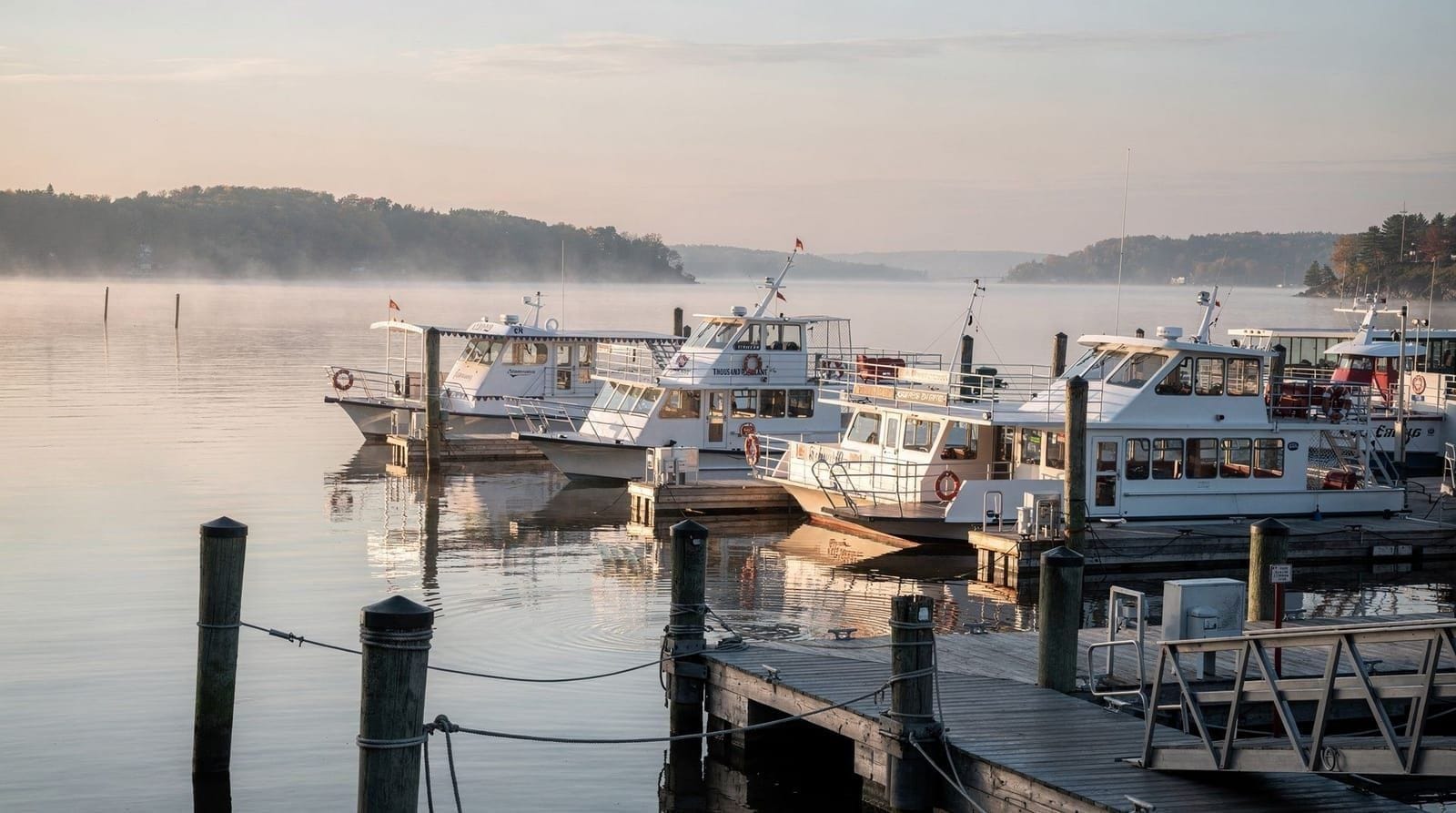
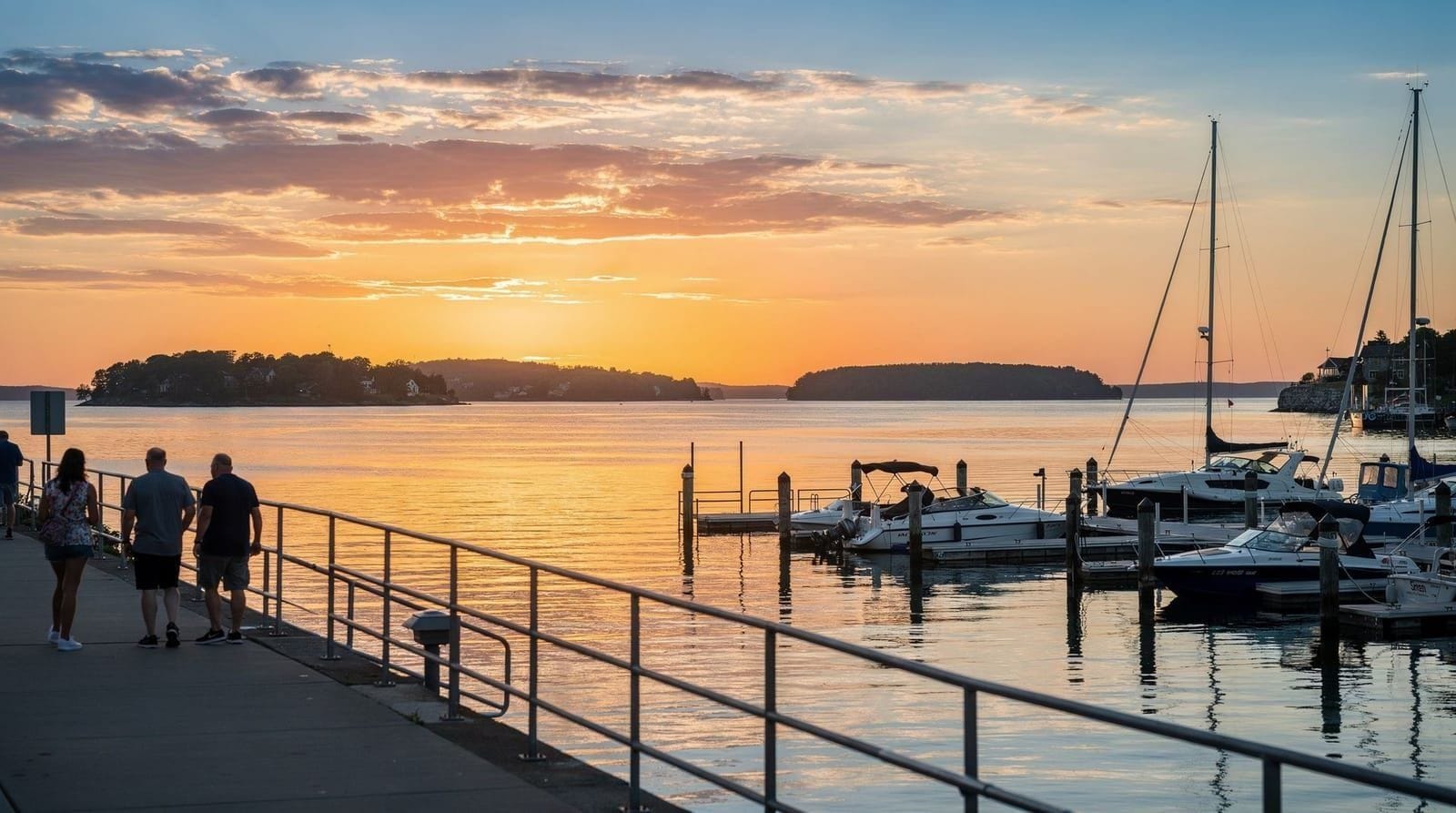
Kingston’s downtown runs along the lakefront in a compact, walkable grid of limestone buildings, many dating to the mid-1800s. Confederation Park and the waterfront path connect the downtown core to the marina, where most Thousand Islands cruise boats depart. City Hall, an 1844 limestone building originally constructed in anticipation of Kingston remaining the capital, anchors the downtown skyline and now houses a small museum on the ground floor.
Princess Street, the main commercial strip, mixes independent restaurants and bars catering to Queen’s University students with more upscale shops aimed at visitors — a combination that gives Kingston a livelier evening scene than most towns of its size in Ontario.
Cruising the Thousand Islands from Kingston
Kingston is one of two practical departure points (along with Gananoque) for cruises into the Thousand Islands archipelago. A 1000 Islands cruise with an optional Boldt Castle stop is available from the region and can typically be arranged from Kingston’s waterfront in season, covering the same scattered island landscape and Gilded Age history as cruises departing from Gananoque, without requiring the extra 25-minute drive east.
Getting there from Toronto
Kingston is about 2.5–3 hours by car (roughly 260 km) via Highway 401, or a comfortable 2.5-hour direct trip on VIA Rail from Union Station — one of the more useful train connections in this part of Ontario, since it removes the need for a rental car if you’re staying within the downtown core. From the Kingston train station, downtown and the waterfront are a short taxi or rideshare away.
For a longer trip, Kingston pairs naturally with Ottawa (about 2 hours further northeast) or a loop back through Prince Edward County (about an hour west via Highway 33).
Queen’s University and the city’s academic layer
Queen’s University, founded in 1841, occupies a large limestone campus just west of downtown and shapes much of the city’s identity — Kingston has one of the highest per-capita concentrations of students in Ontario. That means a livelier restaurant and bar scene than the town’s population alone would suggest, though it also means downtown gets noticeably quieter during the summer months when students are away, which can work in a visitor’s favor for restaurant availability.
Museums and military history
Beyond Fort Henry, Kingston has the Royal Military College of Canada, the country’s federal military academy, along with a cluster of museums covering the city’s naval and military past — the Royal Military College Museum and the Marine Museum of the Great Lakes among them. The Bellevue House National Historic Site, the restored villa where Canada’s first prime minister John A. Macdonald once lived, sits a short drive from downtown and offers a different angle on the city’s political history.
Where to eat
Kingston’s food scene mixes casual student-friendly spots on Princess Street with a smaller number of destination restaurants using produce from the surrounding farm country and Thousand Islands fishery. Chez Piggy, a long-running restaurant in a converted 1810s livery stable, has been a fixture of the city’s dining scene for decades and remains a reliable choice for a proper dinner downtown.
When to visit
Late May through September covers the fort’s full operating hours, cruise season, and the warmest weather for exploring the waterfront on foot. September in particular offers a good balance: the summer crowds and student move-in traffic have passed, weather is still mild, and most attractions remain on their full schedule before winding down for the season.
Practical notes
Downtown Kingston is compact enough to explore on foot once you’re there, but parking can be tight near the waterfront on cruise days and during Queen’s University events — a parking garage a few blocks back from the water is often more reliable than street parking. Fort Henry and most cruise operations scale back or close for the winter months, so a summer or early-fall visit is the more reliable plan if these sites are the trip’s focus.
Kingston versus Gananoque at a glance
| Kingston | Gananoque | |
|---|---|---|
| Getting there | Direct VIA Rail from Union Station | Car only, no direct train |
| Historic sites | Fort Henry, Bellevue House, Royal Military College | Built almost entirely around the cruise industry |
| Accommodation & dining | Widest range in the region | Smaller, more single-purpose |
| Distance to island cruises | Same island landscape, 25 min further | Closest departure point |
Both work as a base for Thousand Islands cruises, but Kingston gives you a fuller city to explore between boat trips, while Gananoque suits visitors who want to minimize the drive to the dock.
A day trip that adds Prince Edward County
For visitors approaching from Toronto with a car, Prince Edward County sits roughly an hour west of Kingston along Highway 33, making a loop that combines wine-country lunch stops with a Kingston overnight a realistic two- or three-day plan rather than treating either as a standalone trip.
How a first day in Kingston tends to unfold
Most visitors who arrive by train start with a slow walk from the station toward the lakefront, letting the limestone streetscape set the tone. Mornings suit Fort Henry, when the interpreters are fresh and the light over the water is at its best for photographs. Lunch fits naturally along Princess Street, and the afternoon is the moment for the waterfront path, Confederation Park and City Hall. If a cruise is part of the plan, keep it for the middle of the day or late afternoon, and leave the evening open for dinner downtown.
The pace is the point. Kingston rewards people who wander without a tight checklist, because so much of its appeal lives in side streets, old stone façades and unplanned stops. If you are used to the intensity of Downtown Toronto, the contrast is part of the charm, and it is exactly the kind of change of rhythm that a weekend escape from Toronto is meant to deliver.
Why the history here feels different
Many Ontario towns preserve a single historic building and build a heritage story around it. Kingston’s past is layered across the whole centre: military works, a former seat of government, a university campus and a working harbour all sit within a short walk of each other. That density means you can move from a fortress to a naval museum to a prime minister’s villa without needing a car or a long transfer.
It also means the city suits different kinds of travellers. Families can lean on the costumed demonstrations at the fort, history readers can spend longer in the museums, and couples can treat the whole place as a backdrop for a long dinner and a lakeside stroll. If you want a broader checklist of what to see, the dedicated guide to things to do in Kingston goes further into individual stops.
Making the most of a cruise day
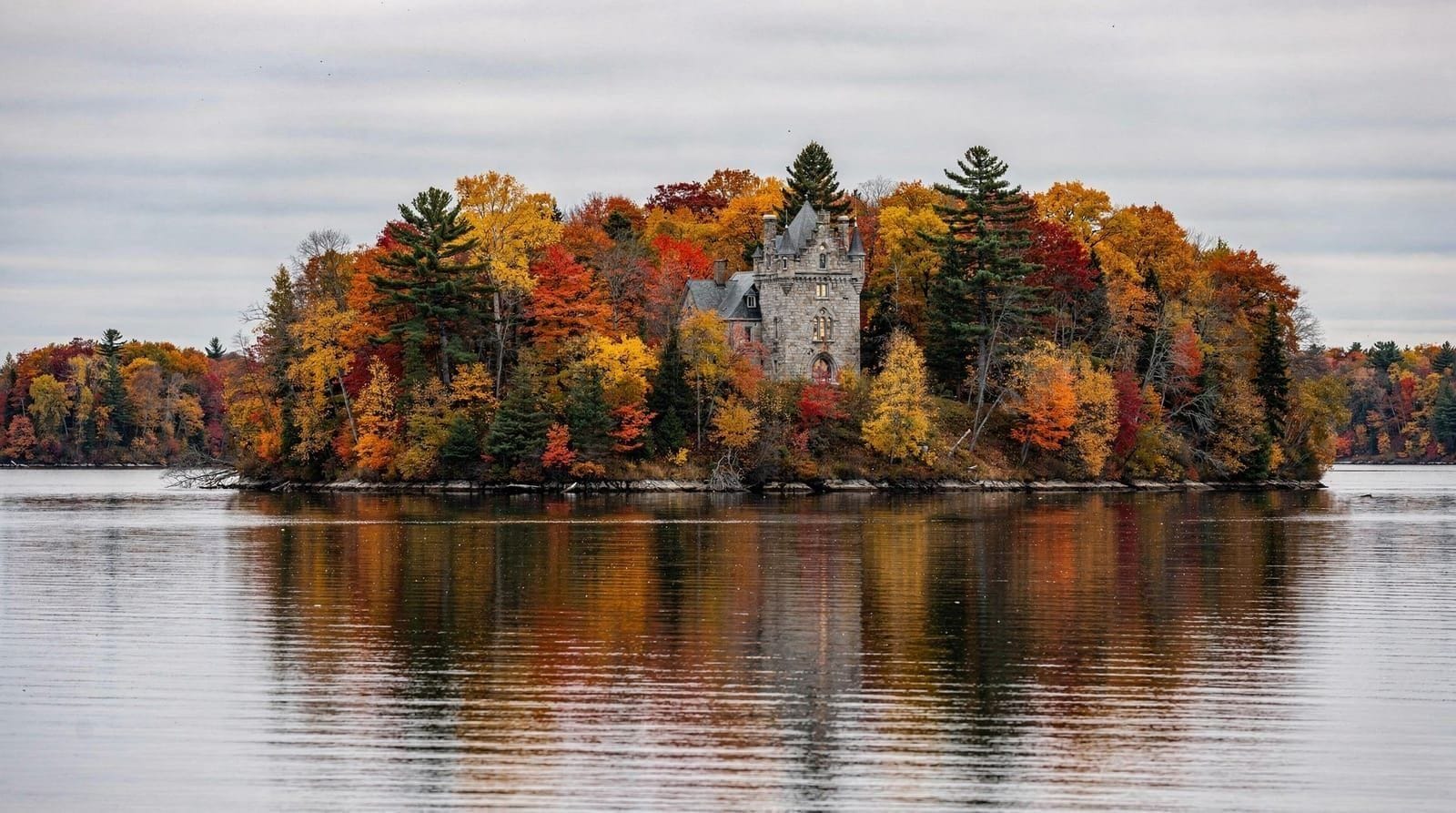
A boat trip is the easiest way to understand why this stretch of the St. Lawrence matters. From the water you see the scattered islands, the summer houses perched on rock, and the Gilded Age mansions that give the region its character. The scenic cruise through the main island channels is a good option if you simply want to take in the landscape without a long commitment.
Bring layers, even in summer, because the wind on open water is cooler than it feels on the dock. Sunglasses and a hat help in the afternoon glare, and a camera with a good zoom pays off when the boat passes close to the islands. For a detailed look at the whole region, the Thousand Islands day trip from Toronto guide explains how the pieces fit together, and the Thousand Islands getaway itinerary turns it into a plan.
Pairing Kingston with other stops
Kingston works well as one stop in a larger eastern Ontario route. Heading west, you can break the journey in Prince Edward County for wineries and quiet roads, and the Prince Edward County weekend itinerary shows how to structure that stay. Heading east, Brockville and Gananoque continue the river theme, and Ottawa closes the loop with its museums and parliamentary district. The Toronto to Ottawa capital escape uses Kingston as a natural midpoint, which is useful if you want to avoid a long single day behind the wheel.
For travellers building something bigger, the Ontario road trip itinerary for 7 days and the 10-day version both leave room for an eastern Ontario leg, and Kingston is the most comfortable overnight stop along that line.
Planning the journey from Toronto
If you are weighing the train against the car, the VIA Rail guide from Toronto covers how rail travel works from Union Station, and the best day trips from Toronto by train guide places Kingston among other rail-friendly options. If you prefer to drive, the guide to renting a car in Ontario explains what to expect, and the Kingston day trip from Toronto guide lays out how to structure a single long day if you cannot stay overnight.
An overnight stay changes the experience considerably. A day trip leaves little time for the fort, a cruise and a proper dinner together, while a night in town lets you see the waterfront in the evening light and start the next morning without a long drive behind you. If your time is limited, choose one major activity and let the rest of the day unfold around it.
Before you leave Toronto
It helps to sort out the practical details before you set off. If you are travelling from abroad, check the Canada eTA guide so entry requirements do not catch you out, and the guide to currency and tipping explains what to expect when paying in restaurants and on tours. If you are building the trip around a longer stay in the city first, the things to do in Toronto guide and the three-day Toronto itinerary make a good starting point, and the best time to visit Toronto guide helps you decide when to travel.
Frequently asked questions about Kingston
Is Kingston or Gananoque the better base for a Thousand Islands trip?
Kingston has more accommodation, restaurants, direct rail access from Toronto, and its own historic sites like Fort Henry, making it the stronger all-around base. Gananoque is smaller and more single-purpose, built almost entirely around the cruise-boat industry, which can suit visitors focused purely on the boat tour.
Can I get to Kingston without a car?
Yes — VIA Rail runs a direct, comfortable service from Toronto’s Union Station to Kingston in about 2.5 hours, and downtown Kingston is compact enough to explore on foot from the train station area.
Is Fort Henry worth visiting?
For anyone interested in Canadian military history or the War of 1812 era, yes — the costumed demonstrations and the fort’s setting overlooking the lake and canal entrance make it one of the more substantial historic sites in this part of Ontario. Families should check whether a Sunset Ceremony evening program is running during their visit, since it’s often the highlight.
How far is Kingston from the actual Thousand Islands?
The edge of the archipelago starts within a short drive east of Kingston, and cruise boats reach the denser island clusters within 20–30 minutes of departure from either Kingston or Gananoque.
What’s the best time to visit Kingston?
Late May through September for full access to Fort Henry, cruises, and warm-weather waterfront activities. September specifically offers thinner crowds than midsummer while most attractions are still operating on their regular schedule.
Is Kingston a good stop on a longer Ontario road trip?
Yes — it sits roughly midway between Prince Edward County and Ottawa, and directly on the route to Gananoque and Brockville, making it a natural anchor point for a multi-region eastern Ontario loop.
Top experiences
Bookable activities with verified prices and instant confirmation on GetYourGuide.