Ontario road trip: 7-day grand loop
Niagara Falls Hornblower Boat & Power Station Tour
The classic eastern Ontario loop
This is the itinerary for travelers who want a genuine road trip rather than a series of day trips out of a single hotel — a loop that starts and ends in Toronto, running east along the lake and the St. Lawrence River corridor before turning back through the capital. Seven days is enough to give each stop at least a full day without spending most of your trip in the car; total driving across the whole loop runs roughly 900 km, comfortably split across the days below with no single leg longer than about three hours. A car is essential for this one — VIA Rail and GO Transit cover pieces of this route (Ottawa and Kingston, mainly), but Prince Edward County and the Thousand Islands’ rural stretches genuinely require your own vehicle.
| Where | Toronto → Niagara → Prince Edward County → Thousand Islands → Ottawa |
| Duration | 7 days, ~900 km total driving |
| Cost | around $180–240 CAD/person/day |
| Getting there | car essential for the full loop |
| Best time | late May–early October |
Budget roughly $180–240 CAD per person per day at a mid-range pace across the full week — that covers a mix of city hotels, small-town inns and one or two boutique stays, plus meals, gas and a handful of paid activities. Book accommodation in Prince Edward County and Niagara-on-the-Lake well ahead if you’re traveling June through September, since both regions are popular weekend destinations for Ontarians and rooms sell out first.
A rental car is the one line-item worth budgeting carefully for this trip: a mid-size sedan typically runs $60–90 CAD/day in Ontario, plus gas (figure roughly $120–160 CAD total across the loop’s approximately 900 km) and parking, which is free or cheap at most stops outside downtown Toronto itself. One-way rentals (picking up in Toronto and dropping off elsewhere) aren’t relevant here since the loop returns to its starting point, which keeps costs more predictable than an open-jaw itinerary. See the renting a car in Ontario guide for what to know about insurance and cross-border driving if any part of your trip touches the US side of Niagara.
Getting your rental car sorted before Day 1
Book a mid-size sedan rather than anything larger unless you’re traveling with more than two people’s worth of luggage — Ontario’s highway network is straightforward and doesn’t reward a larger vehicle, while parking in Kingston’s old town and Niagara-on-the-Lake’s compact downtown is genuinely easier in a smaller car. If you’re arriving at Pearson, most rental counters are a short shuttle ride from the terminal rather than on-site, so budget an extra 20–30 minutes for pickup on Day 1 beyond your flight’s arrival time.
Day 1: Toronto
Start in downtown Toronto and spend the day on the city’s core landmarks before setting off the next morning — see the Toronto weekend escape itinerary for a compressed one-day version of the best downtown stops if you want a tighter plan for this first day.
If you’re flying in, pick up your rental car on Day 1 itself rather than waiting until Day 2 morning — most airport and downtown counters are efficient, and having the car from the start means you’re not scrambling to collect it before an afternoon departure the next day. Spend the evening near wherever you’re staying rather than venturing far, since tomorrow starts the driving portion of the trip in earnest.
Day 2: Niagara Falls
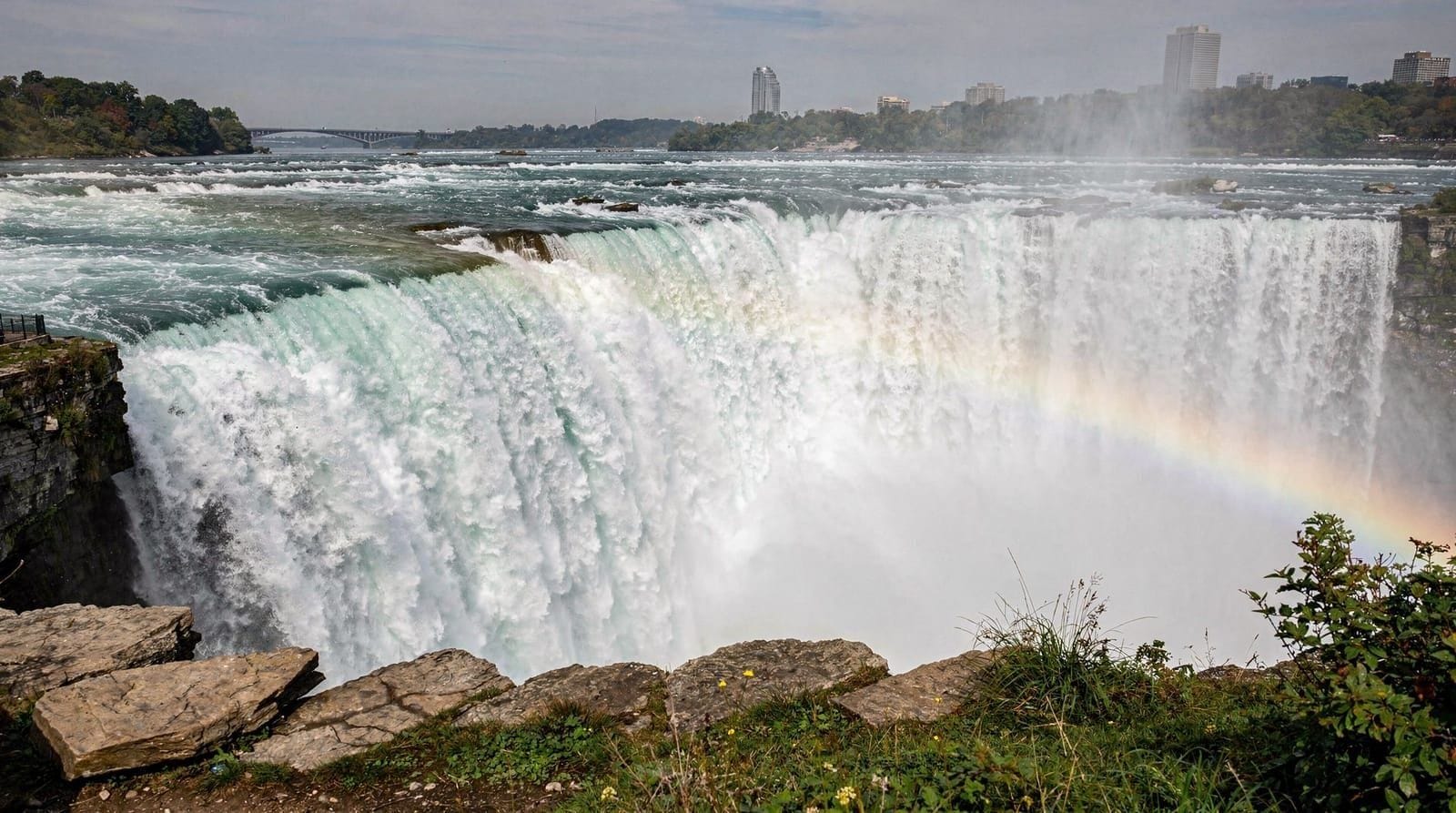
Drive about 90 minutes to Niagara Falls. Spend the day on the falls themselves — the Niagara Falls Hornblower Boat & Power Station Tour combines the classic boat-at-the-base experience with a look at the Sir Adam Beck hydroelectric station, a solid single booking that covers the falls’ two most photographed vantage points.
Note that boat tours close from November through April, so this leg of the loop is really a May–October itinerary as written; see the Niagara Falls in winter guide for a cold-weather alternative. Stay overnight in Niagara Falls or, if you’d rather be closer to tomorrow’s drive, push on to Niagara-on-the-Lake for the night.
Day 3: Prince Edward County
This is the longest single drive of the loop — about 3 hours from Niagara Falls to Prince Edward County, mostly along Highway 401. Break it up with a stop in Hamilton — Dundas Peak and Webster’s Falls, both a short detour off the highway, make a worthwhile 45-minute leg-stretch roughly a third of the way into the drive — or simply treat it as a driving day and arrive by mid-afternoon. Prince Edward County is Ontario’s more intimate wine region — 40+ wineries spread across gentler, more rural terrain than Niagara.
The Private Prince Edward County Wine Day Tour is the region’s main bookable wine experience and worth arranging for this evening or the following morning. Stay in Picton or Wellington, the county’s two main small towns, both walkable and dense with good small restaurants — Buddha Dog and The Drake Devonshire’s dining room are two well-regarded options.
Day 4: Sandbanks and the county’s beaches
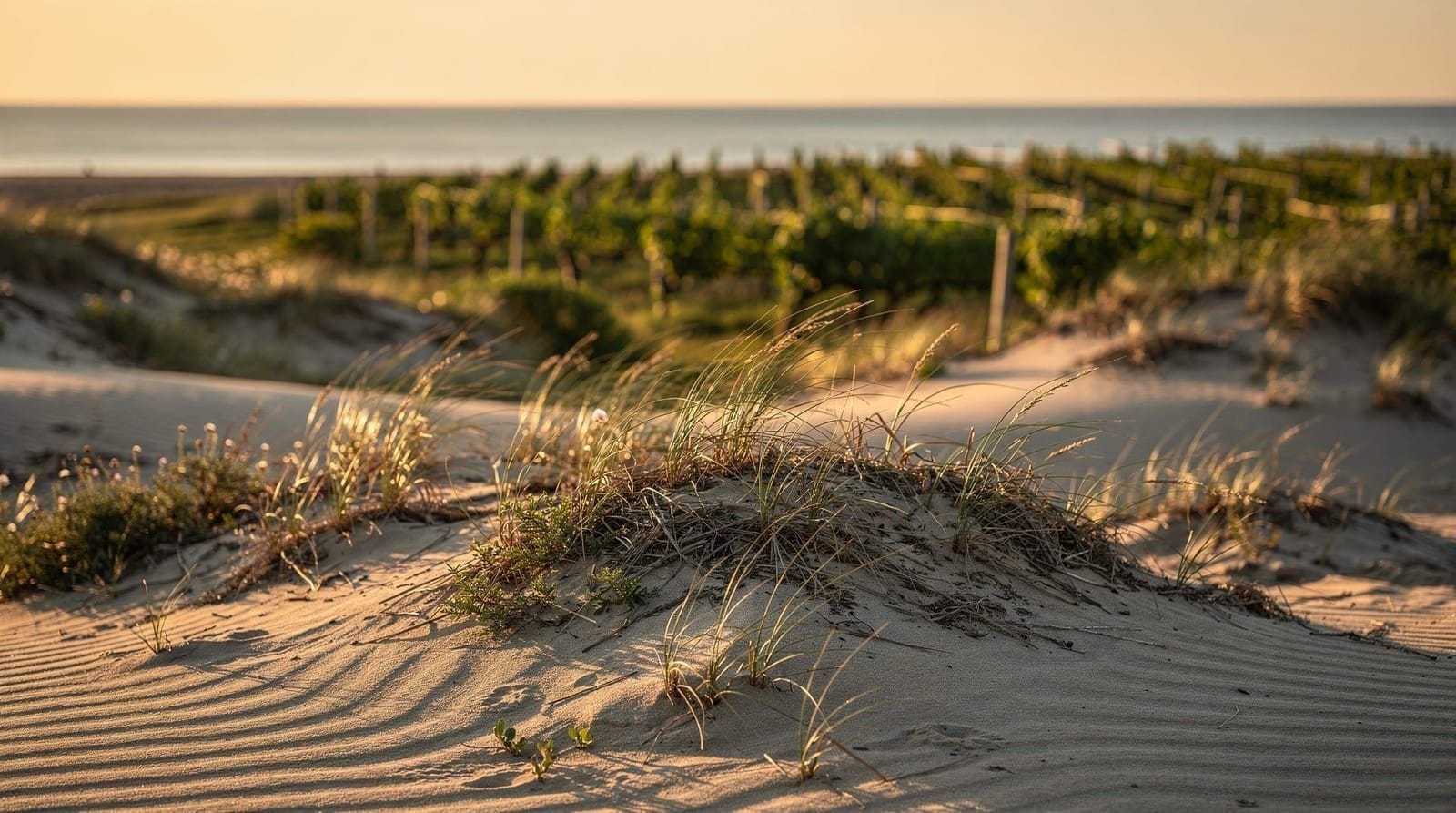
Spend the morning at Sandbanks Provincial Park, home to some of the largest freshwater sand dune formations in the world and genuinely excellent swimming beaches in summer — a distinctly different landscape from anywhere else on this loop. In the afternoon, visit one or two more wineries independently (Norman Hardie and Waupoos Estate are both well-regarded stops) before an early dinner and a shorter drive to set up tomorrow’s leg toward the Thousand Islands.
Day 5: Thousand Islands and Kingston
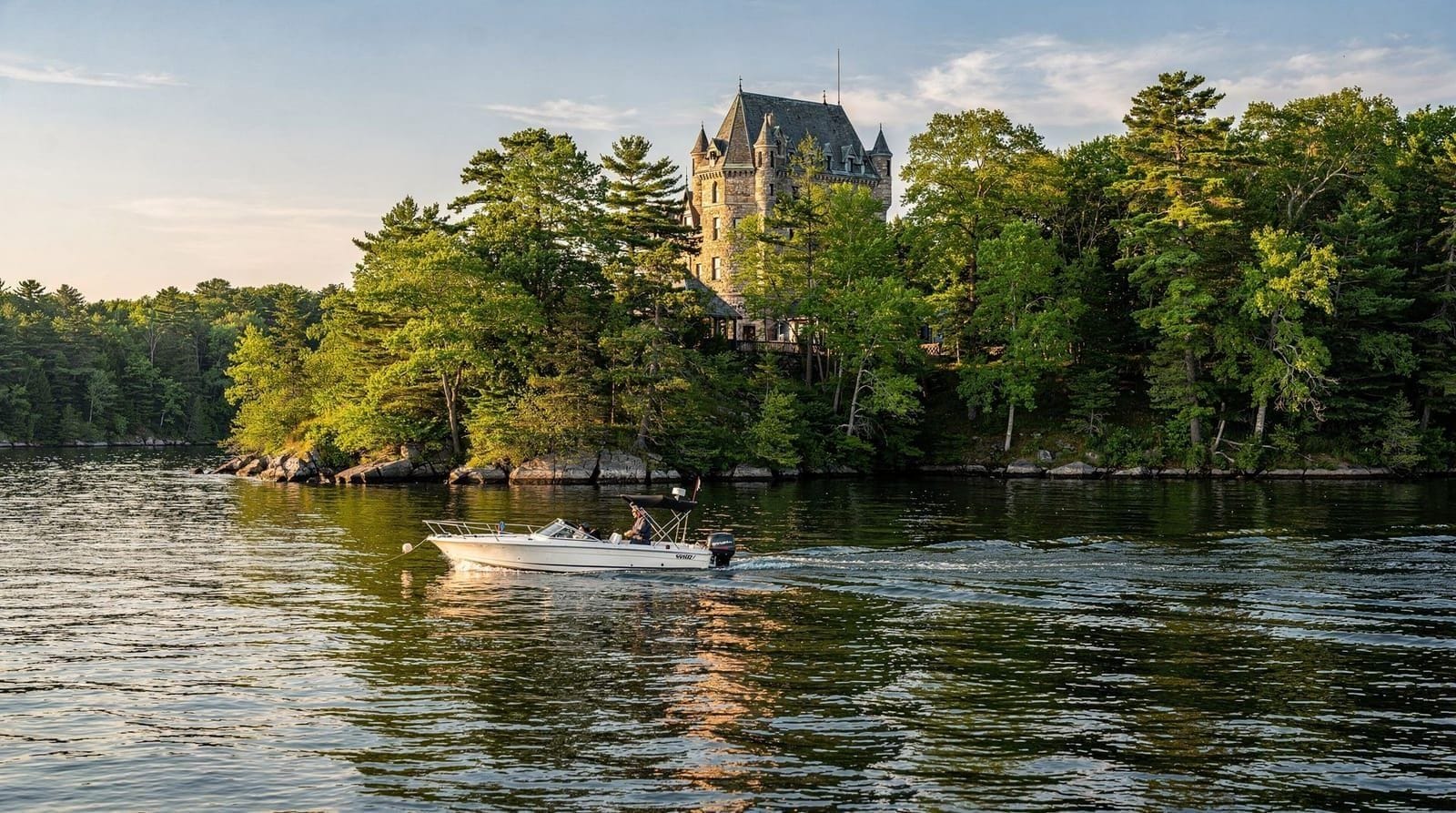
Drive roughly 2 hours from Prince Edward County to Kingston, a limestone-built university and former-capital city on Lake Ontario’s eastern edge, then continue about 25 minutes further to Gananoque, the gateway to the Thousand Islands. The 1000 Islands Cruise with Optional Boldt Castle Entry is the region’s signature activity, a scenic river cruise past the hundreds of small islands and historic Boldt Castle, an unfinished early-1900s mansion with a genuinely good backstory.
Spend the night in Kingston, whose Fort Henry and old-town limestone architecture are worth a walk before dinner — Chez Piggy, in a converted 19th-century livery stable, is a well-known local pick. If you have any daylight left after the cruise, Kingston’s waterfront path along the harbor is a pleasant, unstructured way to close out the day, and the city’s downtown core is compact enough to cover on foot without needing to move the car again until morning.
Day 6: Ottawa
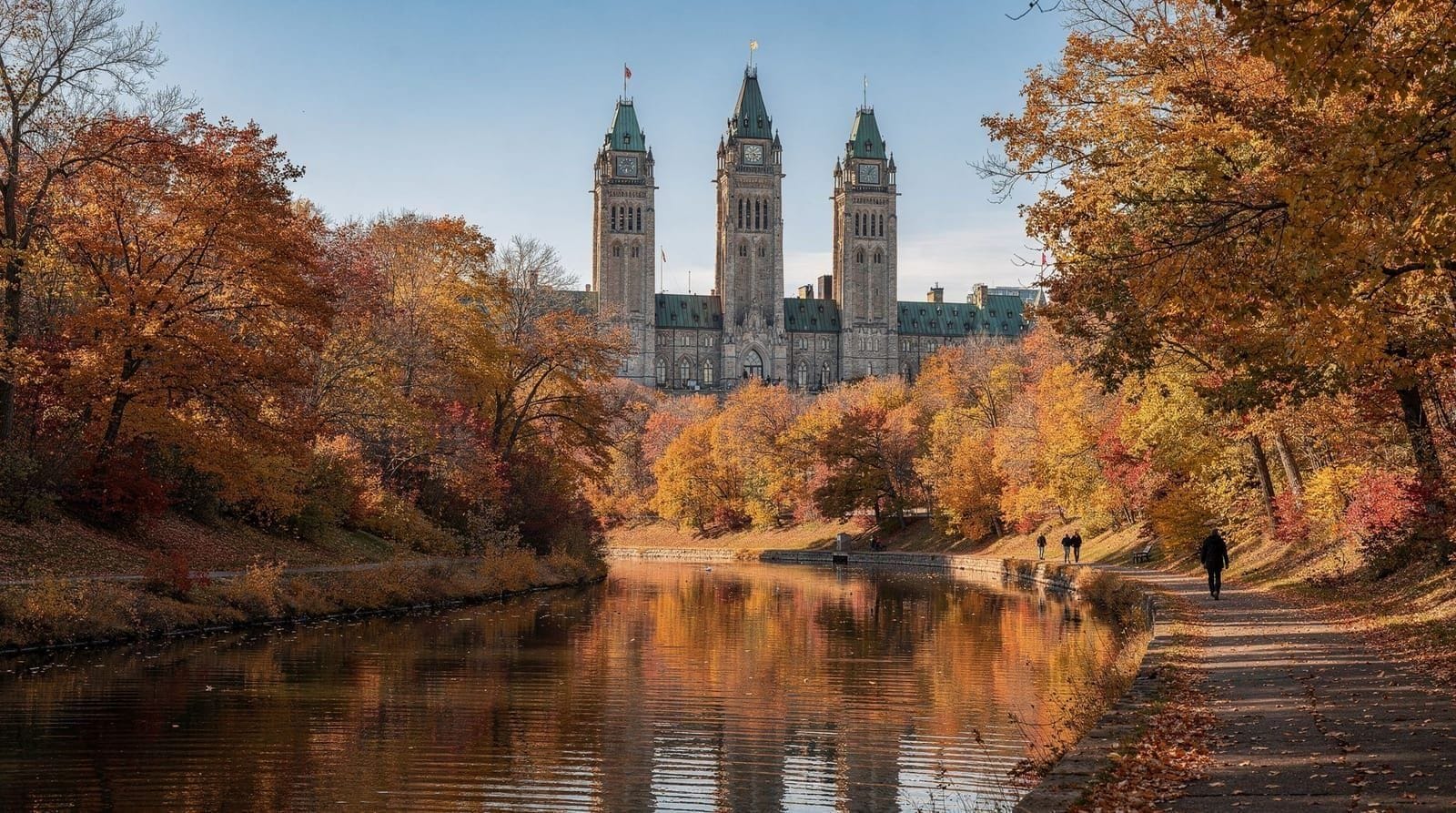
Drive about 2 hours from Kingston to Ottawa, Canada’s capital. The Rideau Canal Cruise is a good orientation to the city, running past Parliament Hill and the historic canal (a UNESCO World Heritage Site, and in winter, the world’s largest naturally frozen skating rink).
Spend the afternoon exploring Parliament Hill and the ByWard Market neighborhood, where BeaverTails — a fried-dough pastry that’s become a Canadian institution — is worth the tourist-trap reputation at least once. The things to do in Ottawa guide covers the National Gallery of Canada and the Canadian Museum of History if you have a second half-day to spend here.
Since this is a one-night stop on a longer loop rather than a dedicated Ottawa trip, prioritize Parliament Hill and the canal over the museums unless one specifically interests you — a genuinely thorough visit to either the National Gallery or the Canadian Museum of History deserves the extra time the standalone Toronto to Ottawa: capital escape itinerary allows, which this compressed single day doesn’t quite match.
Day 7: Back to Toronto
The drive back to Toronto from Ottawa is about 4.5 hours via Highway 401 — the longest single leg of the loop, so leave early if you have a flight or evening commitment. Alternatively, break the drive with a stop in the Kawarthas region around Peterborough, roughly the halfway point, if you’d rather split it into two shorter legs.
A day-by-day budget snapshot
Day 1 (Toronto) and Days 6–7 (Ottawa and the return) tend to run closest to the average $180–240 CAD/person/day, since city hotels and dining are the most predictable cost on the loop. Day 2 (Niagara Falls) can push higher if you book a falls-view room, which carries a real premium over a standard room a few blocks back — worth skipping unless the view specifically matters to your trip. Days 3–4 (Prince Edward County) are usually the loop’s priciest stretch once winery tastings and a boutique-inn stay are factored in, while Day 5 (Thousand Islands/Kingston) tends to land on the lower end of the range, since the region’s hotel and dining scene is more moderately priced than the wine country or falls-adjacent stays.
What to pack for a multi-region loop
Because this trip covers wine country, a historic river town and a national capital in the same week, packing for one region alone won’t quite cover it. A few smart-casual outfits handle wine-country lunches and Ottawa’s museums; comfortable walking shoes matter throughout, especially in Kingston’s cobblestone old town; and a light layer or rain jacket is worth having regardless of season, since lake-effect weather along the St. Lawrence and Ottawa River corridors can shift faster than a Toronto-based forecast suggests.
If you’re visiting wineries, leave room in the trunk — most travelers end up bringing home at least a bottle or two from Prince Edward County, and it’s worth packing accordingly rather than discovering the trunk is full on Day 4.
This loop’s four stops, compared
| Niagara Falls | Prince Edward County | Thousand Islands | Ottawa | |
|---|---|---|---|---|
| Character | Iconic, busy, touristy | Wine country, farm-to-table | River cruises, history | National capital |
| Days on this loop | 1 | 2 | 2 | 1 |
| Best for skipping if short on time | Not recommended for a first trip | Easiest to cut | Second-easiest to cut | Not recommended |
Niagara Falls and Ottawa are this loop’s two most iconic stops and the ones worth protecting if your schedule tightens; Prince Edward County is the single easiest region to drop if you need to compress the trip, since it’s the one closest in character to the Thousand Islands’ quieter, more independent pace. See the 10-day Ontario road trip if wine country matters less to you than wilderness — that version swaps Prince Edward County and the Thousand Islands for Muskoka and Algonquin instead.
Realistic driving totals
Toronto to Niagara Falls is about 1.5 hours; Niagara Falls to Prince Edward County is the longest leg at roughly 3 hours; Prince Edward County to Kingston/Gananoque is about 2 hours; Kingston to Ottawa is about 2 hours; and Ottawa back to Toronto is about 4.5 hours. Total driving across the full loop comes to roughly 13 hours spread across seven days — manageable, but worth knowing upfront if you’re deciding whether to extend to the 10-day version for a less rushed pace.
Frequently asked questions about this Ontario road trip
Is a car required for this itinerary?
Yes. While VIA Rail connects Toronto, Kingston and Ottawa, Prince Edward County and the Thousand Islands’ rural stretches have no meaningful transit coverage, and this loop’s whole logic depends on driving between regions rather than staying in one city.
What’s the best time of year for this road trip?
Late May through early October, since the itinerary depends on Niagara’s boat tours and both wine regions’ outdoor tasting seasons being open. September adds the bonus of fall colors starting in the eastern stretches, particularly around the Thousand Islands and Ottawa.
Can this loop be done in less than 7 days?
It’s tight but possible in 5–6 days by combining Niagara Falls and Prince Edward County into back-to-back travel days with less time at each stop, or by dropping one region entirely — Prince Edward County is the easiest to cut if you need to shorten the trip.
Which stop should I prioritize if I have to skip one?
Niagara Falls and Ottawa are the two most iconic stops for a first Ontario road trip. Prince Edward County and the Thousand Islands are the more skippable pair if time runs short, though both reward the extra effort with a genuinely different pace than the bigger destinations.
Do I need to book accommodation in advance?
Yes, especially in Prince Edward County and Niagara-on-the-Lake during summer weekends, both popular short-break destinations for Ontarians as well as tourists. Ottawa and Kingston have more hotel capacity and are more forgiving of last-minute bookings.
Is this itinerary suitable for a family with kids?
It’s workable, though the wine-country stops (Days 3–4) are less kid-focused. Families wanting a similar route with more kid-oriented activities should look at the family week: Toronto & Ontario with kids itinerary instead.
What’s the total driving distance for this loop?
Roughly 900 km across the full seven days, averaging under 130 km per driving day, though it’s unevenly distributed — the Niagara-to-Prince-Edward-County leg (about 3 hours) and the Ottawa-to-Toronto return (about 4.5 hours) are the two longest single stretches.
Can I do this loop in the opposite direction?
Yes — starting with Ottawa and finishing with Niagara Falls works equally well logistically, and some travelers prefer it since it saves the most photogenic stop (the falls) for last. The main consideration is accommodation booking patterns, since Niagara-on-the-Lake and Prince Edward County fill up on summer weekends regardless of which day of your trip you visit.
Is travel insurance worth it for a road trip like this?
Most Canadian and many international travelers already have coverage through a credit card or existing policy, but it’s worth confirming it covers rental car collision damage specifically, since Ontario rental counters often push their own (pricier) coverage add-ons at pickup. Checking this before you arrive can save $15–30 CAD/day across the week.
Top experiences
Bookable activities with verified prices and instant confirmation on GetYourGuide.