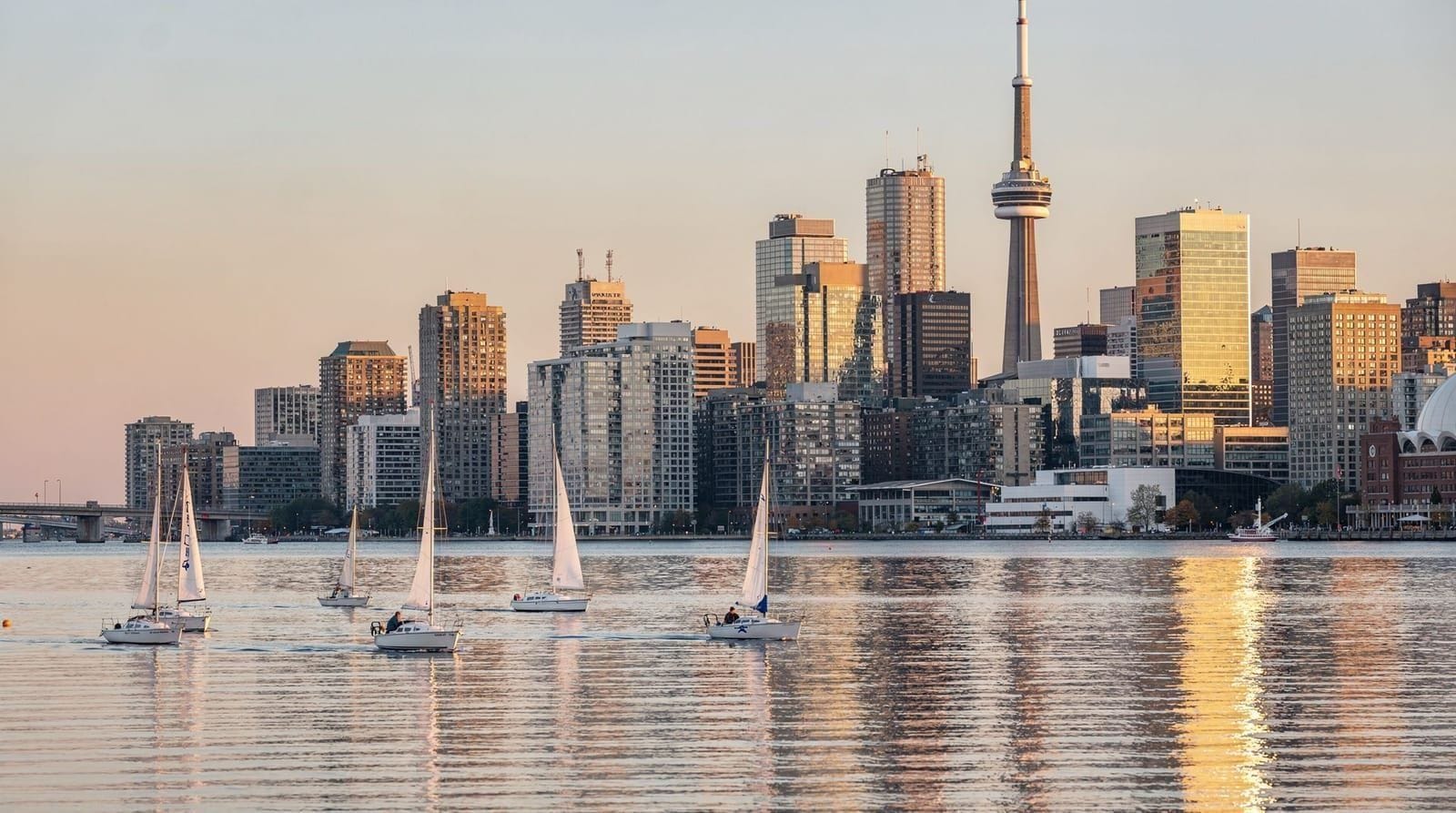
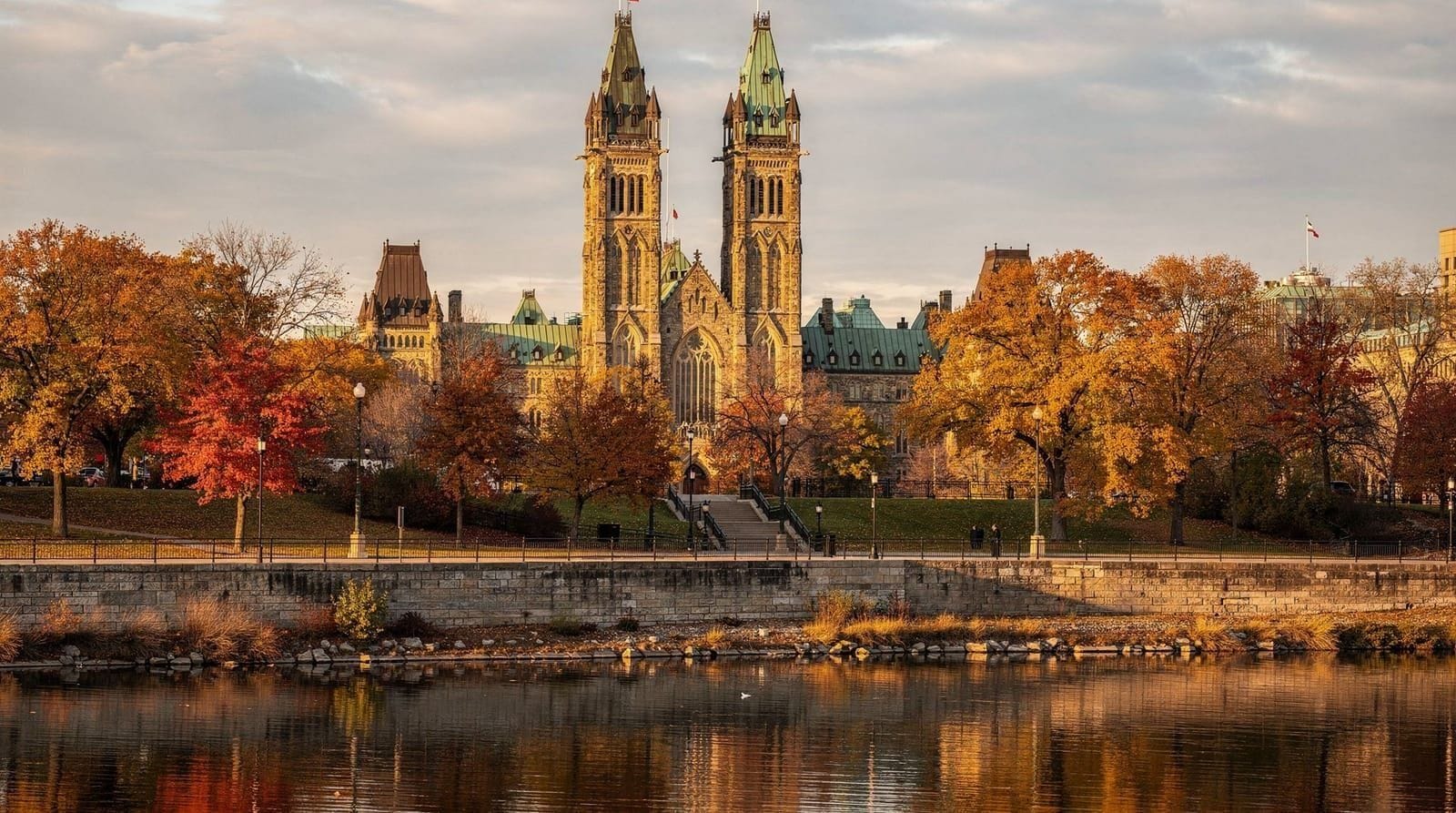
Toronto to Ottawa: capital escape
Ottawa: Rideau Canal Cruise
Two capitals-adjacent cities, by rail
Ottawa doesn’t fit naturally into a driving loop the way Niagara or Muskoka do — it sits about 4 hours by car or roughly 4.5 hours by VIA Rail from Toronto, on a different axis than most of this site’s other itineraries. This one treats the trip as a genuine city pair, connected by train rather than car, which removes the parking and driving-fatigue concerns that come with Ottawa’s distance and turns the travel time itself into a relaxed, working or reading window rather than a chore. VIA Rail’s Toronto-to-Ottawa service runs multiple times daily and is a comfortable, well-reviewed option, with business class adding meals and a quieter cabin if you want to treat the ride as part of the trip rather than dead time.
| Where | Downtown Toronto, then Ottawa (ByWard Market/Parliament Hill) |
| Cost | around $170–230 CAD/person/day, plus VIA Rail fares |
| Time needed | 5 days (3–4 day shortened version possible) |
| Getting there | VIA Rail, roughly 4.5hrs each way |
| Best time | Late spring–early fall for the canal cruise; winter for skating |
Skip the rental car for this one — both cities are compact and well served by their own transit (TTC in Toronto, OC Transpo in Ottawa), and neither benefits from a car the way Niagara or Muskoka do. Budget roughly $170–230 CAD per person per day at a mid-range pace, plus VIA Rail fares, which vary significantly by how far ahead you book — economy fares booked weeks in advance can run as low as $60–90 CAD one-way, while last-minute bookings and business class run considerably higher.
Ottawa’s hotel scene splits fairly cleanly between the ByWard Market’s livelier, restaurant-dense core and the more formal, Parliament-adjacent options like the Fairmont Château Laurier, a landmark château-style hotel directly beside the canal that’s worth considering even for non-guests as a place to have a drink and see the architecture. Expect $180–280 CAD/night for a solid mid-range Ottawa hotel, comparable to Toronto pricing outside of major event weekends.
Days 1–2: Toronto
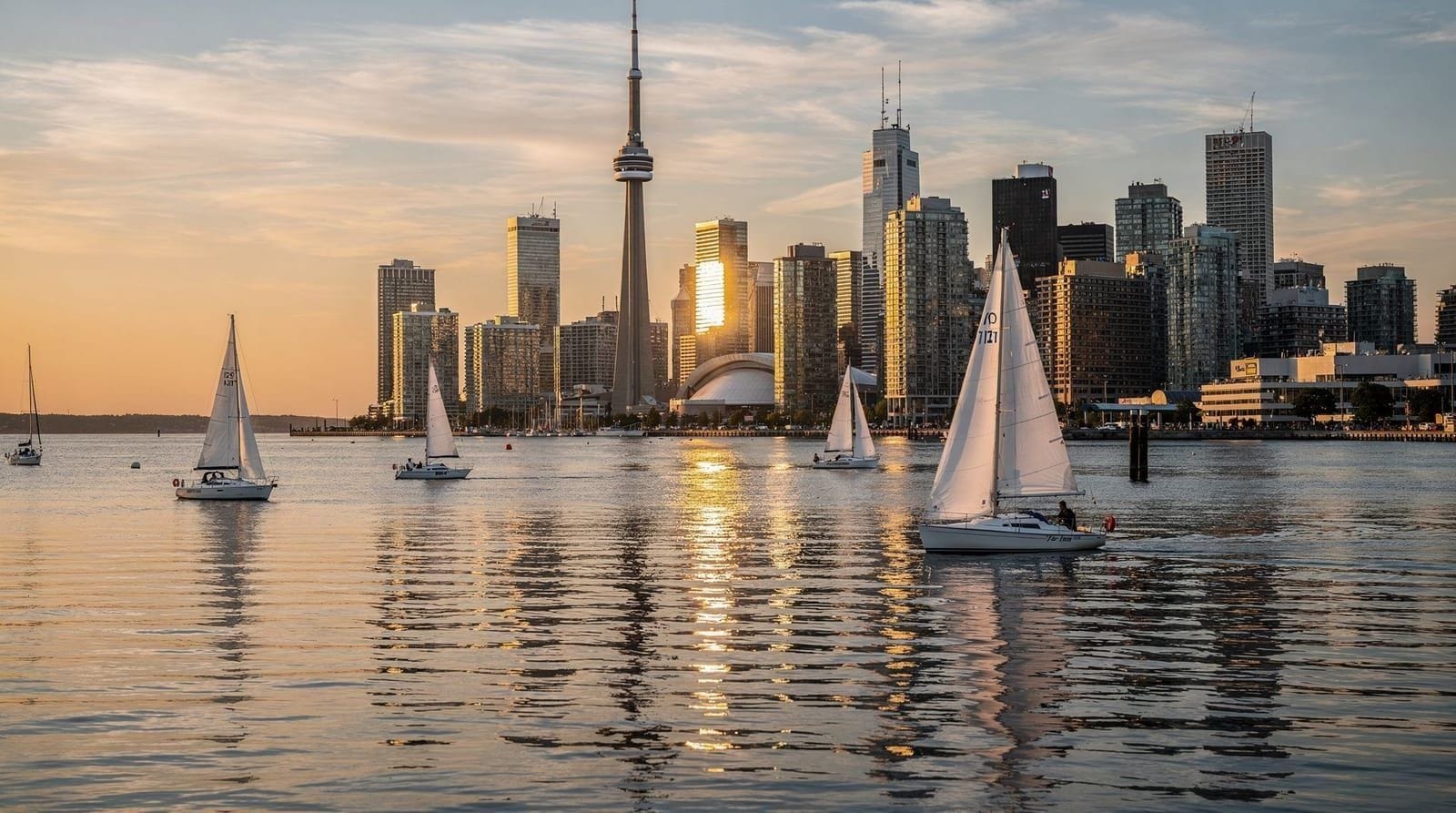
Spend the first two days in downtown Toronto. The Toronto 2-Hour Downtown Walking Tour is a solid way to orient yourself on Day 1, covering the Financial District, Nathan Phillips Square and the CN Tower’s base. See the Toronto weekend escape itinerary for a fuller two-day routine covering the Distillery District and harbourfront as well, since this trip’s Toronto half largely mirrors that shorter itinerary.
Day 3: Toronto to Ottawa by train
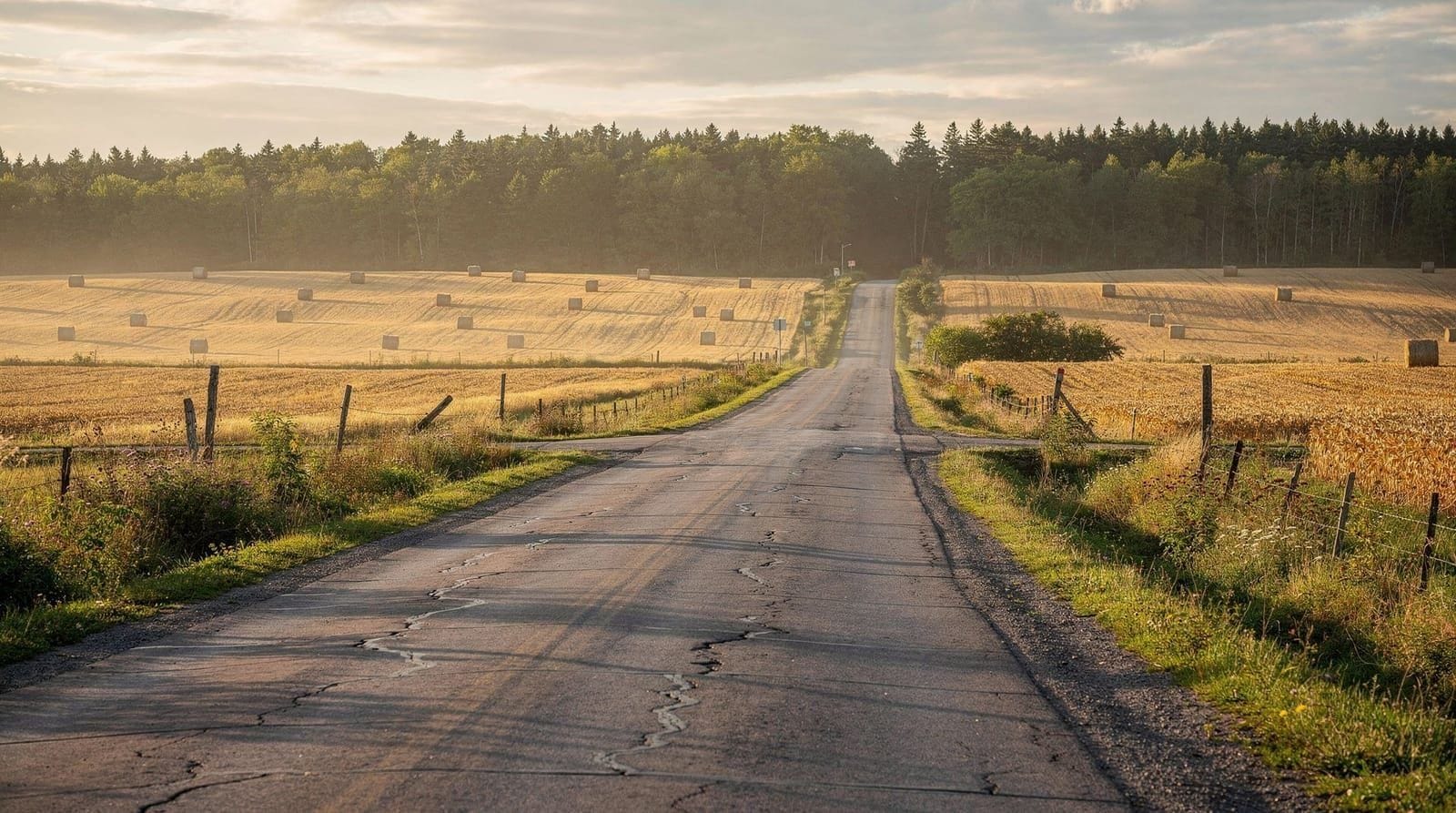
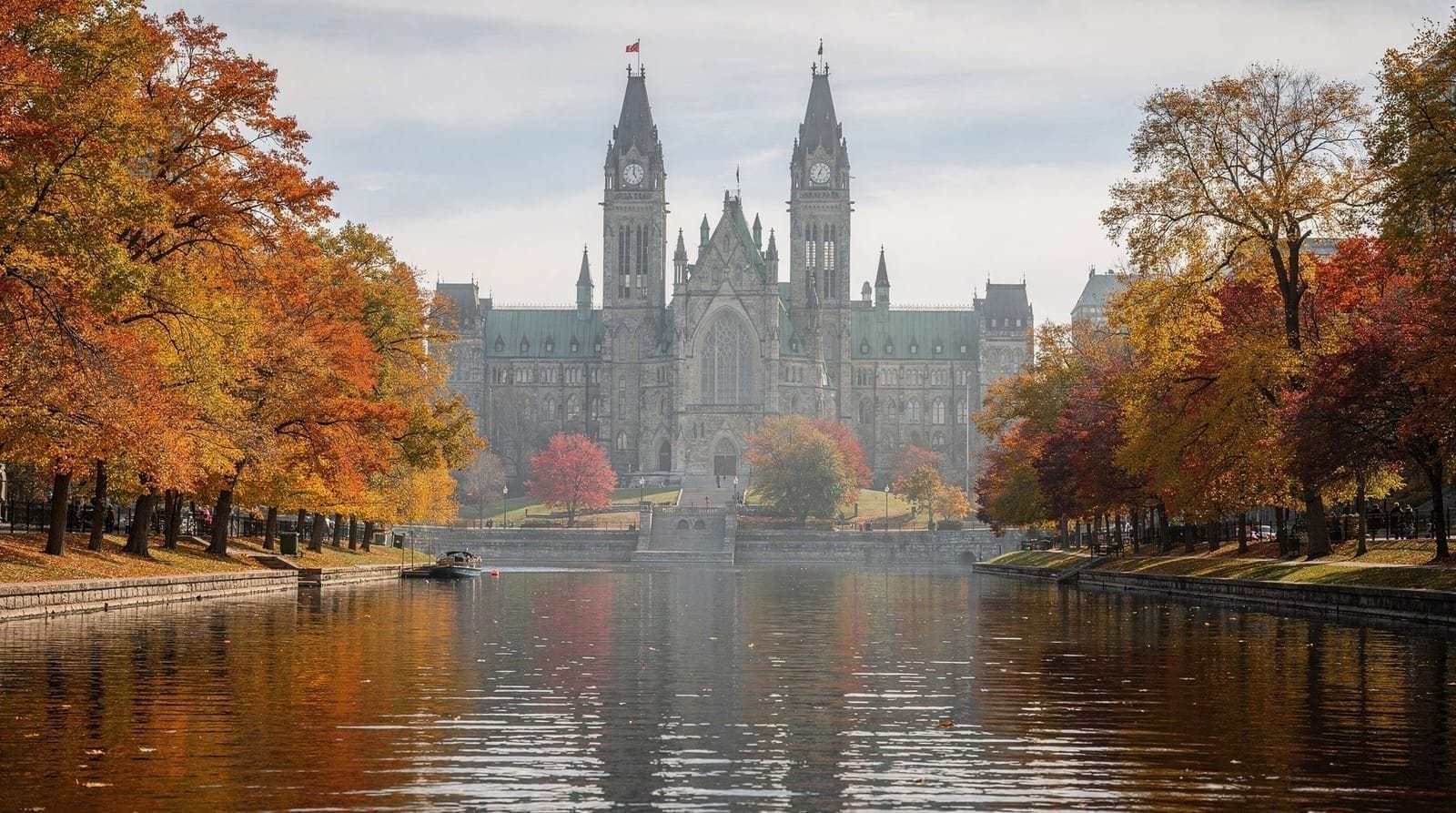
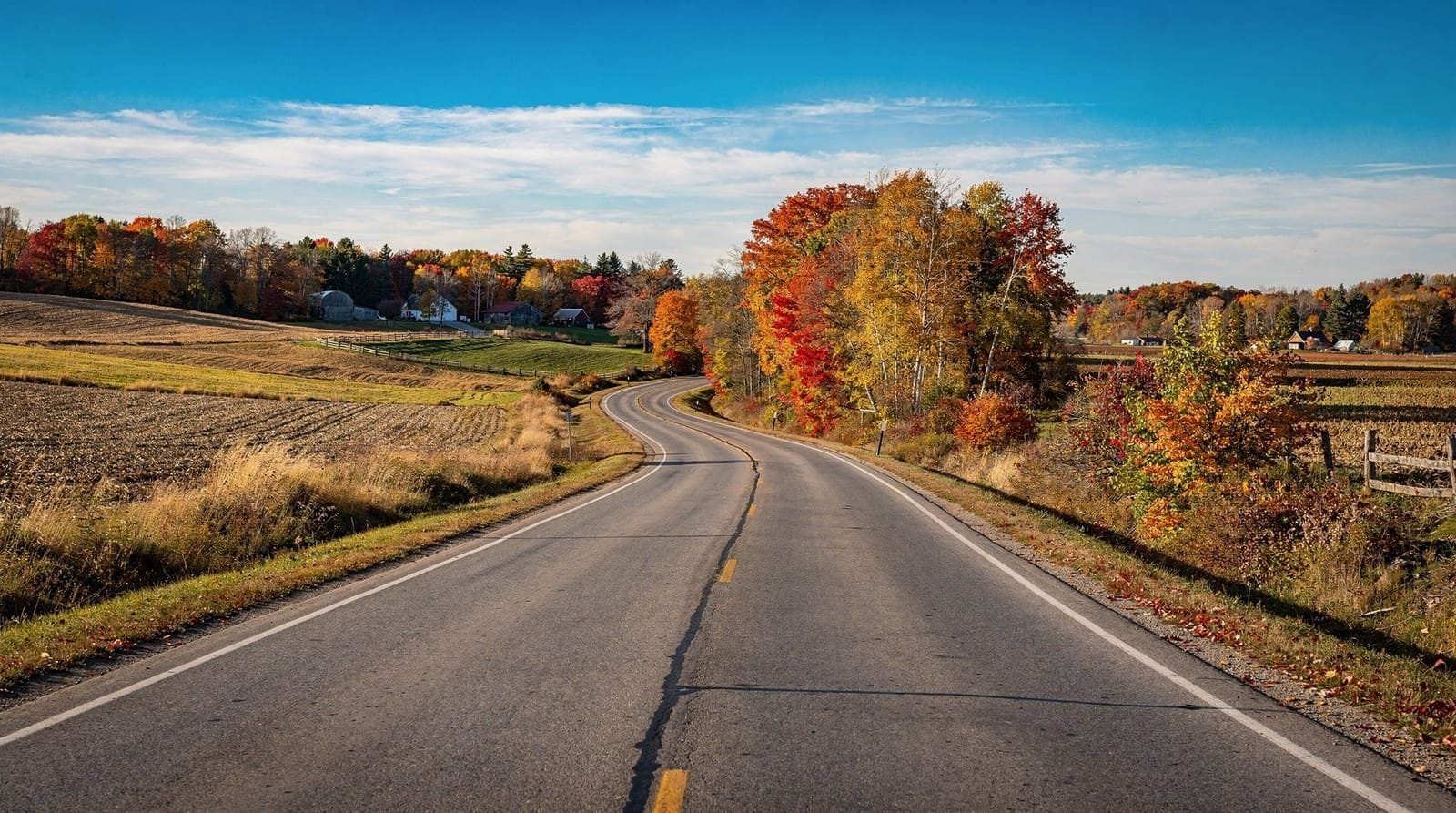
5 hours, comfortable enough to work or read through rather than treat as pure downtime. Book a window seat if you can — the route east of Toronto passes through a pleasant mix of farmland and small towns that makes the trip itself feel like part of the change of pace rather than dead travel time. Arrive in Ottawa by early-to-mid afternoon and check into your accommodation — the ByWard Market neighborhood or the area around Parliament Hill both put you within walking distance of this itinerary’s main sights. Spend the rest of the afternoon walking Parliament Hill’s grounds, which are free and open to the public, and the Peace Tower’s exterior views over the Ottawa River.
If you’re visiting between late June and early September, the Changing of the Guard ceremony takes place on the Hill’s front lawn most mornings — worth checking the current schedule if you’d rather see it fresh on Day 3 morning instead, since it’s a summer-only, weather-dependent event. The Ottawa destination page has more on the city’s layout and neighborhoods if you’re deciding where exactly to base yourself.
For dinner, the ByWard Market’s density of restaurants means you’re rarely more than a block or two from a decent option regardless of cuisine — after a full travel day, this is a good night to keep things simple and close to your hotel rather than venture far.
Day 4: Ottawa’s canal, market and museums
This is Ottawa’s full sightseeing day. The Rideau Canal Cruise is the city’s signature water-based activity, running along the UNESCO World Heritage-listed canal, which in winter becomes the world’s largest naturally frozen skating rink — worth knowing if your trip falls between roughly late December and February, since the canal cruise itself only operates during the ice-free season (typically May through October), and skating replaces it as the equivalent winter activity.
Alternatively, the Ottawa Scenic City Tour with Canal Cruise bundles a broader city tour with the canal segment, a good single booking if you want an efficient overview rather than a canal-only outing.
For something different, the Bilingual Guided City Tour by Amphibious Bus covers Ottawa’s downtown by road before driving directly into the Ottawa River — a genuinely distinctive way to see the city that works well with kids or anyone who wants a lighter, more novelty-driven tour than a standard walking or boat option.
Spend the rest of the day in the ByWard Market neighborhood, Ottawa’s historic market district, dense with restaurants, boutiques and the source of BeaverTails, a fried-dough pastry that’s become something of a Canadian institution despite (or because of) its tourist-trap reputation. The Canadian Museum of History, just across the river in Gatineau, and the National Gallery of Canada are both worth an add-on if you have extra time; see the things to do in Ottawa guide for a fuller rundown of the city’s museums and neighborhoods.
Day 5: Gatineau Park or a slower morning, then back to Toronto
If you have the morning free and enjoy the outdoors, Gatineau Park, just across the river in Quebec, offers hiking trails and lookout points (Champlain Lookout among the best-known) within a 20–30 minute drive of downtown Ottawa — worth a half-day if you have a car for this leg specifically, since it’s the one part of the trip that benefits from one. A short-term rental or rideshare works fine for this single half-day, given the rest of the trip doesn’t need a car. Otherwise, use the morning for a final walk through Parliament Hill or the market before catching an afternoon VIA Rail departure back to Toronto, arriving by early evening.
Whichever you choose, aim to book a mid-afternoon rather than early-morning departure — it gives you a genuine final morning in Ottawa rather than a rushed checkout, and the 4.5-hour ride home lands you back in Toronto in time for dinner without feeling like the day was lost entirely to travel.
Day-by-day summary
| Day | Focus |
|---|---|
| 1–2 | Toronto — downtown walking tour, CN Tower base, Financial District |
| 3 | Train to Ottawa (~4.5hrs); afternoon at Parliament Hill |
| 4 | Rideau Canal cruise, ByWard Market, museums |
| 5 | Gatineau Park or a slower morning, train back to Toronto |
A quieter alternative to the canal cruise
If the Rideau Canal cruise doesn’t appeal, or your dates fall outside its May–October operating season, Ottawa’s museum cluster is a reasonable substitute for that block of Day 4. The National Gallery of Canada and the Canadian Museum of History (across the river in Gatineau) both run to a full half-day each, and neither requires the advance booking a popular summer cruise departure sometimes does. Pairing one museum with a ByWard Market lunch keeps the day’s pacing similar to the cruise-plus-market version above, just indoors.
What to pack for this trip
This itinerary stays entirely urban, so packing is simpler than the site’s more outdoors-focused routes — comfortable walking shoes for both cities’ cobblestone and paved cores, a layer for the canal cruise (it’s noticeably cooler on the water than on land), and something slightly more polished if you’re planning a nicer dinner in the ByWard Market or want to blend in at the Château Laurier’s lobby bar. If you’re visiting in winter instead of the ice-free canal-cruise season assumed here, skates are worth packing or renting locally if you want to try the Rideau Canal Skateway, generally considered one of the best urban skating experiences in the world when conditions allow.
Why train over car for this route
At roughly 4 hours either way, driving to Ottawa doesn’t save meaningful time over the train once you factor in Ottawa’s own parking costs and the fact that neither city particularly rewards having a car once you’re there. The train also removes the fatigue of a 4-hour highway drive on both ends of the trip, which matters more on a city-focused itinerary than a scenic road trip where the driving itself is part of the appeal — compare this to the driving-centric 7-day Ontario road trip, which does include Ottawa but treats the drive there as part of a longer loop rather than the trip’s main transportation mode.
A note on Ottawa’s bilingual character
Ottawa sits on the Ontario-Quebec border and has a genuinely bilingual civic culture — signage, government services and much of the ByWard Market’s business community operate comfortably in both English and French. Visitors don’t need any French to get by, but it’s worth knowing this is a noticeably different linguistic environment than Toronto, and part of what gives Ottawa its distinct character as a capital city rather than just another Ontario destination.
Frequently asked questions about this Toronto to Ottawa itinerary
Is the train or a car better for getting to Ottawa?
The train, for most travelers on this itinerary — it’s comparable in total time to driving once you factor in traffic and parking, and it removes the fatigue of a 4-hour highway drive on each end. A car is only clearly better if you specifically want to add Gatineau Park’s hiking trails or extend the trip into a broader road-trip loop.
How far in advance should I book VIA Rail tickets?
Booking several weeks ahead typically secures the lowest economy fares; last-minute bookings within a week or two of travel can cost significantly more, especially for popular midday departures.
Is the Rideau Canal cruise available year-round?
No — the cruise operates during the ice-free season, roughly May through October. In winter, the canal transforms into a skating rink instead, and skating (rather than cruising) becomes the equivalent seasonal activity.
How many days should I spend in Ottawa specifically?
Two full days is a comfortable minimum to cover Parliament Hill, the canal, the ByWard Market and at least one museum. Add a third day if you want to properly explore Gatineau Park or a second national museum in depth.
Is Ottawa walkable, or do I need transit?
Ottawa’s downtown core — Parliament Hill, the canal and the ByWard Market — is walkable within about a 20-minute radius. OC Transpo (the city’s transit system) covers destinations further out, like the Canadian Museum of History across the river in Gatineau.
Can this itinerary be shortened to a long weekend?
Yes — dropping to 3–4 days by trimming Toronto to a single day or Ottawa to a single full day both work, though the train’s roughly 4.5-hour journey each way means a genuine long weekend (Friday to Sunday) leaves comparatively little on-the-ground time in Ottawa itself.
Is Ottawa expensive compared to Toronto?
Generally comparable or slightly less — hotel and restaurant pricing in Ottawa’s core tends to run a bit below equivalent Toronto options, though this narrows during major events like Winterlude (February) or Canada Day (July 1st), when the city’s hotel demand spikes.
What’s the best time of year to visit Ottawa specifically?
Late spring through early fall (May through October) covers the canal cruise season and the most comfortable walking weather for Parliament Hill and the ByWard Market. Winter (skating season on the canal, roughly January–February depending on ice conditions) is a genuinely distinctive alternative if you don’t mind the cold, though this itinerary as written assumes the ice-free season given the canal cruise’s central role.
Can I visit Parliament Hill’s interior, or just the grounds?
Both — free guided tours of the Centre Block and other Parliament buildings are available, though they require advance booking (same-day tickets are sometimes available but not guaranteed) and security screening. The grounds themselves, including the Changing of the Guard ceremony in summer, are freely accessible without a tour booking.
Is two nights in Ottawa really enough?
It covers the essentials — Parliament Hill, the canal, ByWard Market and one museum — comfortably, but it’s tight if you want a proper half-day in Gatineau Park as well. Add a sixth day to this itinerary if the park is a priority rather than a nice-to-have.
Does this itinerary work well for train-averse or anxious travelers?
Generally yes — VIA Rail’s Toronto-Ottawa service is a comfortable, well-reviewed option with assigned seating and no security screening beyond a basic bag check, closer to a calm commute than air travel. Business class adds a quieter cabin if a smoother ride matters to you specifically.
Top experiences
Bookable activities with verified prices and instant confirmation on GetYourGuide.