Best beaches for families in Toronto
What is the best beach for families in Toronto?
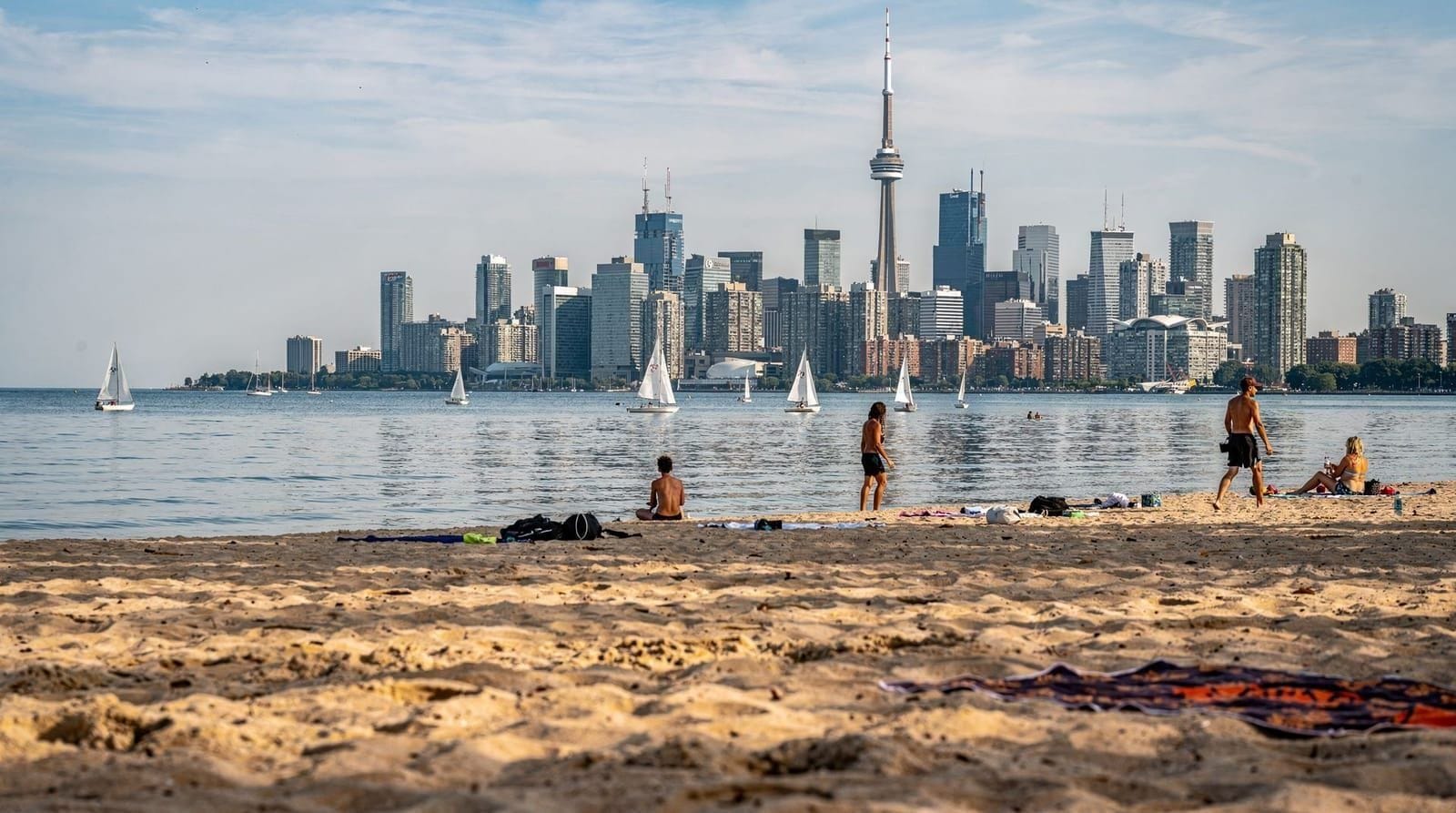
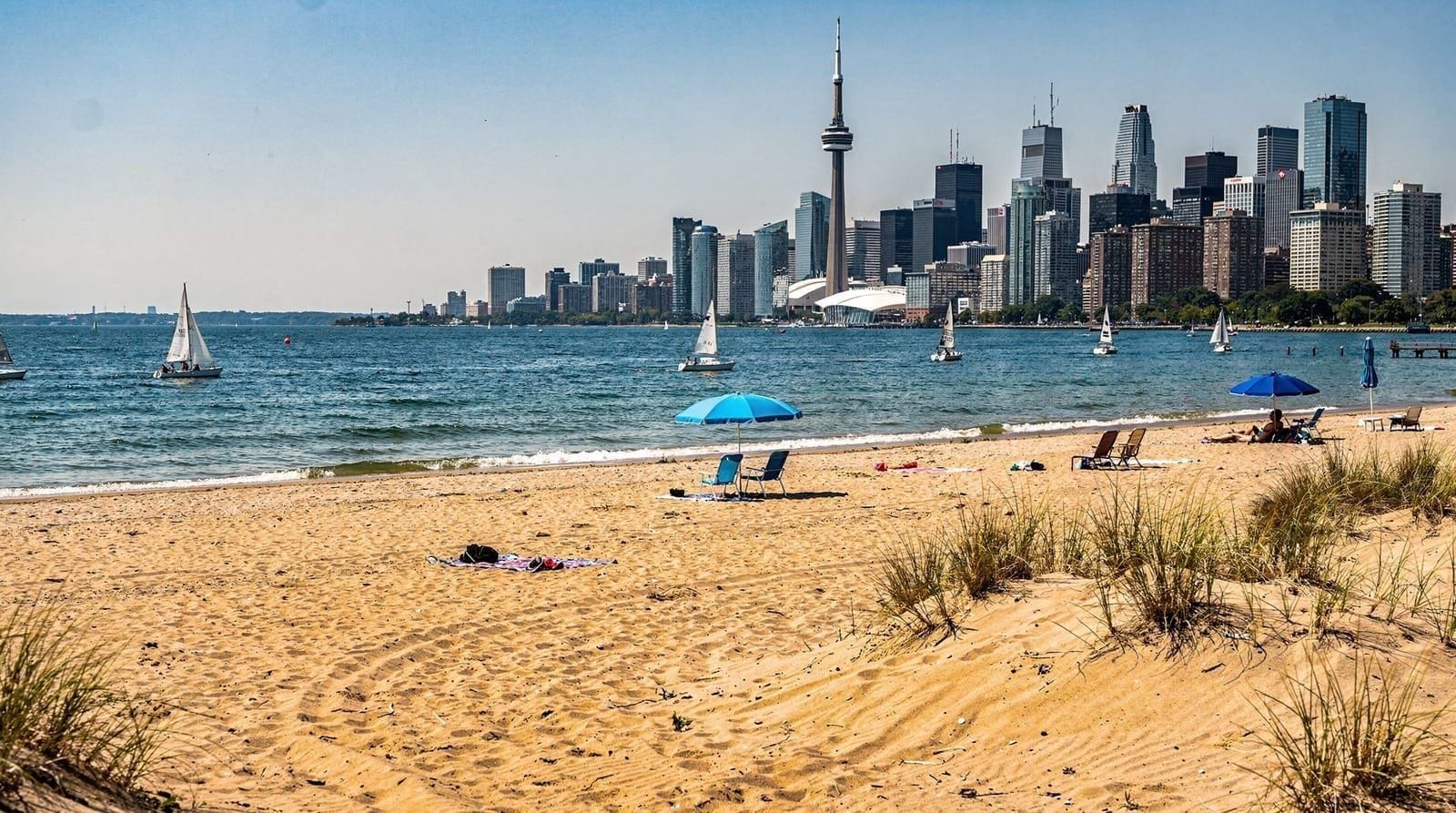
Centre Island on the Toronto Islands is the strongest overall pick for families — sand, shallow water, and Centreville Amusement Park all within a short walk of the ferry dock. Woodbine Beach on the mainland is the best option if you want to skip the ferry crossing entirely, with easy TTC access and a long boardwalk.
Why Toronto’s lake beaches surprise a lot of first-time visitors
Toronto sits on the shore of Lake Ontario, and the city has a genuine string of sand beaches — something that surprises visitors who don’t associate a major Canadian city with beach days. None of them are the Caribbean, and swimming quality depends on recent weather and water testing results that shift day to day, but for a family looking for a lower-cost, lower-planning afternoon between bigger attractions, Toronto’s beaches are a legitimately good option through the summer months. This guide compares the main family-friendly options by what actually matters for a day with kids: ferry access, facilities, crowd levels, and how the sand and water compare.
| Where | Toronto Islands (ferry) or mainland east end |
| Cost | free; Islands ferry ~9.57 CAD adult round trip |
| Time needed | half a day, more with Centreville |
| Getting there | Jack Layton Ferry Terminal, or TTC streetcar for Woodbine |
| Best time | weekday mornings, mid-June through early September |
| Beach | Ferry needed |
| Centre Island | Yes |
| Hanlan’s Point | Yes |
| Woodbine Beach | No |
| Cherry Beach | No |
Centre Island: the all-in-one option
Centre Island, reached by a roughly 15-minute ferry ride from the mainland Jack Layton Ferry Terminal, is the most complete family beach option in Toronto because it combines sand and shallow water with Centreville Amusement Park’s gentle, young-kid-oriented rides, bike and surrey rentals, and car-free paths that make it easy to let kids range a bit without traffic to worry about.
The ferry ride itself is often a highlight for younger kids, and round-trip fares run around 9.57 CAD for adults with reduced pricing for children. The beach areas are less crowded than you’d expect given the island’s overall popularity, since most day-trippers cluster around Centreville rather than spreading out to the water. Bring your own umbrella or shade setup — natural shade is limited directly on the sand.
Hanlan’s Point: quieter, with a specific consideration for families
Hanlan’s Point, on the western end of the Toronto Islands, is a longer walk or bike ride from the main ferry dock and consequently far less crowded than Centre Island — genuinely appealing if a quieter beach day matters more than proximity to amenities. One important note for families: a section of Hanlan’s Point Beach is a designated clothing-optional area, clearly marked and separate from the main family beach section, but worth knowing about in advance so you can plan your specific spot rather than being surprised on arrival. The main beach area outside that designated section is a standard family beach with sand, shallow entry, and considerably more space to spread out than Centre Island offers.
Woodbine Beach: the no-ferry option
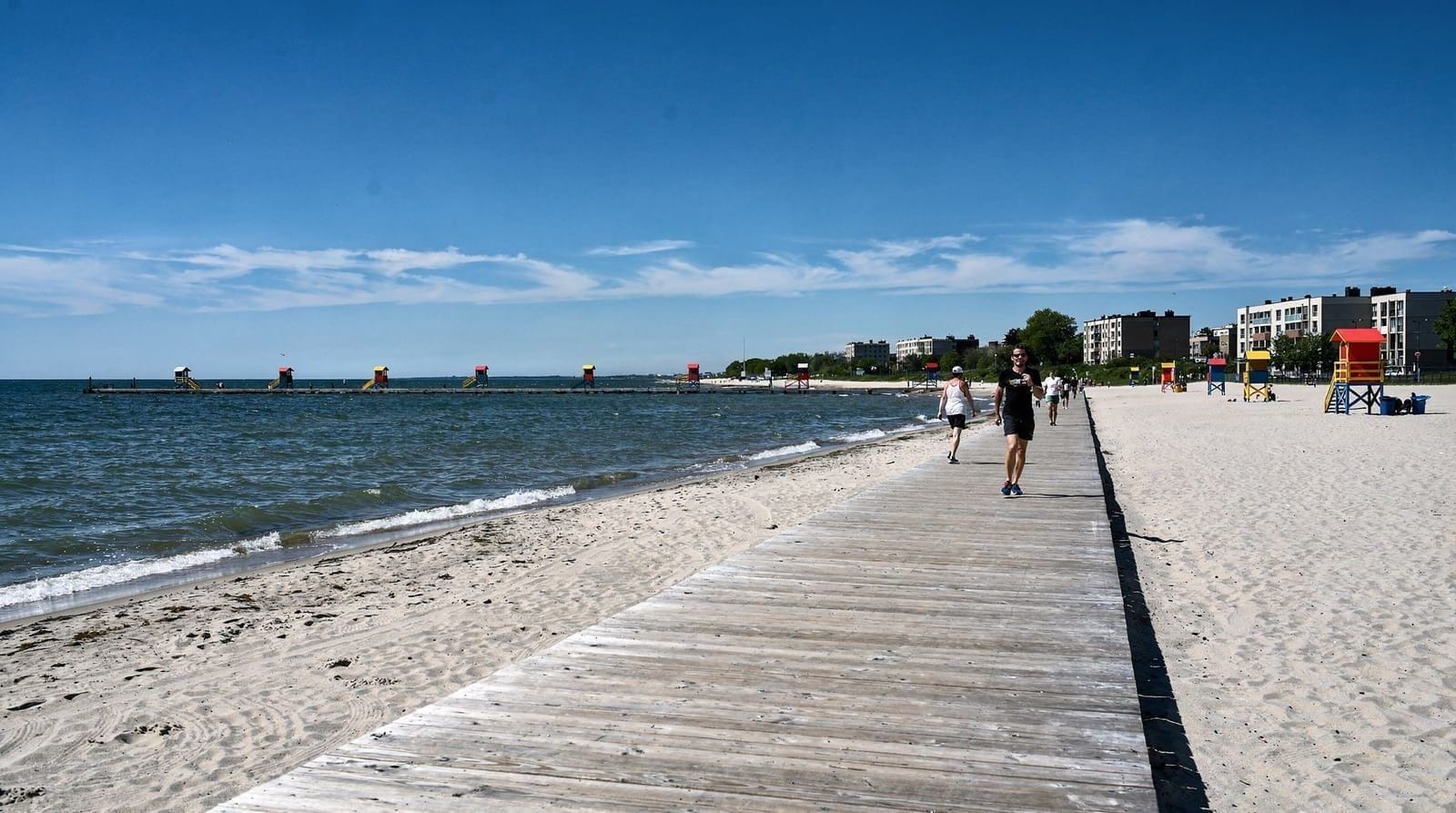
Woodbine Beach, on the mainland in the city’s east end near the Beaches neighborhood, is the best choice for families who want to skip the ferry logistics entirely. It’s directly accessible by TTC streetcar, has a long boardwalk running the length of the beach, volleyball courts that draw a more active crowd on weekends, and nearby cafés and restaurants along Queen Street East for a meal before or after. The sand is wide and the water access gradual, making it a reasonably safe option for younger kids, though — as with all of Toronto’s lake beaches — check current water quality advisories before swimming, since testing results can vary after heavy rain.
Cherry Beach: less developed, more room to spread out
Cherry Beach, in the Port Lands area southeast of downtown, is less developed than Woodbine or Centre Island — fewer amenities, but also fewer crowds and a genuinely calm, tree-backed setting that some families prefer over the more built-up beach areas. It’s less convenient without a car, since transit access involves more of a walk from the nearest streetcar stop, but it’s a solid pick if the priority is space and quiet over amenities and easy access.
Comparing the four by what matters for a family day
For families prioritizing convenience and things to do beyond just the beach, Centre Island wins on the combination of ferry novelty, Centreville, and shallow, family-friendly water access. For families who want to avoid the ferry and its associated planning (schedules, lines at the terminal in peak summer), Woodbine Beach delivers a comparable beach experience with far simpler logistics. For a quieter day with older kids who don’t need Centreville’s rides to stay entertained, Hanlan’s Point or Cherry Beach both offer more space and fewer crowds, with Hanlan’s requiring the extra step of knowing about its clothing-optional section ahead of time.
Facilities and what to bring
Centre Island and Woodbine Beach both have washroom facilities, food concessions, and lifeguards on duty during peak summer season (check current lifeguard schedules, since coverage typically runs a defined window rather than the full season). Hanlan’s Point and Cherry Beach have more limited facilities, so it’s worth bringing your own water, snacks, and sun protection rather than relying on finding them on-site. None of Toronto’s beaches offer rental umbrellas or loungers the way a resort beach might — pack your own shade if you’re planning to stay more than an hour or two, particularly with young kids who need breaks from direct sun.
Water quality and swimming safety
Toronto Public Health tests beach water quality regularly through the summer season and posts current advisories — it’s worth a quick check before swimming, since urban lake water can occasionally be flagged unsafe after heavy rainfall due to runoff. This isn’t unique to Toronto; it’s standard practice for any city beach on a lake or river, and most days through summer test clear. Lifeguard-supervised sections at Centre Island and Woodbine are the more cautious choice for families with young or inexperienced swimmers, since supervision isn’t guaranteed at every beach or every hour.
Timing your beach day
Weekday mornings and early afternoons are noticeably calmer than weekend afternoons, when all four beaches — Centre Island and Woodbine in particular — draw significant local crowds, not just visitors. If a beach day is one component of a broader family itinerary, pairing it with a lower-key morning (a museum or the Toronto Islands’ other attractions) and saving the beach for a later, cooler part of the afternoon tends to work better than a full day in direct sun, especially with younger kids.
Combining a beach day with other island activities
If you’re heading to the Toronto Islands specifically for the beach, it’s worth building in time for the rest of what the islands offer — the Toronto Islands guide covers the full range of activities beyond the beaches, including bike rentals and the quieter garden areas away from Centreville’s crowds. For families staying multiple days, alternating a beach day with an indoor attraction like Ripley’s Aquarium helps balance sun exposure with air-conditioned downtime, particularly during Toronto’s hottest summer stretches.
Pairing a beach day with the rest of a Toronto family trip
A beach day works best as a deliberate lower-effort day within a broader itinerary rather than something squeezed in between two other major attractions — see the Toronto with kids guide for how to sequence a beach day against higher-energy stops like Ripley’s Aquarium or the CN Tower. If your trip includes a day trip further afield, family day trips from Toronto covers options beyond the city’s own beaches, though none of those day-trip destinations replace the ease of a mainland or short-ferry beach day when energy is already running low.
Beach alternatives if the weather doesn’t cooperate
Toronto’s lake weather can shift within a single day, and a planned beach outing sometimes needs a fallback. Ripley’s Aquarium and the current-location Ontario Science Centre both work as indoor pivots if a beach day gets rained out, and the things to do in Toronto on a rainy day guide has a fuller list of options worth keeping in mind, particularly if your trip falls in a season with less predictable weather, like late spring or early fall.
Comparing Toronto’s beaches to a Muskoka lake day
Families weighing a Toronto beach day against a trip out to Muskoka’s lakes should know these are genuinely different experiences — Toronto’s lake beaches are convenient, free or low-cost, and require no significant travel time, while Muskoka offers clearer water and a quieter, more resort-oriented lake setting at the cost of a roughly 2-hour drive each way. For a trip with limited days, a Toronto beach covers the “kids in the water” need without sacrificing a day to travel; for a longer stay, adding a Muskoka resort stop offers a genuinely different lake experience worth the extra time.
Sun safety and midday heat
Toronto summer sun can be intense between roughly 11am and 3pm, and the open, unshaded nature of most beach areas means sunscreen reapplication and a planned shade break matter more here than at a tree-covered park. Bringing a pop-up shade tent or a large umbrella, rather than relying on finding a naturally shaded spot, is worth the extra packing effort for a family planning to stay more than an hour or two, particularly with young kids whose skin burns faster than an adult’s.
Renting equipment for a more active beach day
Beyond basic swimming and sandcastle building, both Centre Island and Woodbine Beach offer nearby rental options for bikes, surreys, and in some cases paddleboards or kayaks, which can extend a beach day into a more active outing for families with older kids who might get restless with sand alone. These rentals are seasonal and weather-dependent, so it’s worth checking current availability rather than assuming a specific rental will be operating on the day of your visit, particularly outside of peak summer months.
A note on seasonal timing
Toronto’s beach season is shorter than the calendar might suggest — lake water is generally too cold for comfortable swimming outside of roughly mid-June through early September, even though the beaches themselves are accessible for walking and sand play year-round. A family visiting in late spring or early fall can still enjoy the beach setting for a walk or a picnic, but should adjust expectations around actual swimming, which works best squarely within summer’s peak window.
Combining a beach day with the CN Tower or an indoor attraction
Because a beach day is inherently lower-energy, it pairs well as a counterbalance to a higher-intensity morning at the CN Tower or the Royal Ontario Museum — see things to do with kids in Toronto for how families typically sequence a mix of high- and low-energy stops across a multi-day visit. If your trip includes older kids who want a bit more activity than sand alone offers, things to do on Toronto Islands covers bike rentals and other options within the same ferry trip.
What a realistic Centre Island beach day costs
Beyond the ferry fare, a family of four should budget for Centreville ride tickets or a day pass if the kids want the amusement park in addition to the beach itself, plus food, since bringing a picnic is generally cheaper than the on-island concessions. A beach-only visit without Centreville costs little beyond the ferry ticket, making it one of the more budget-friendly family afternoons in the city — see the Toronto budget travel guide for how a beach day compares to other family activity costs.
Frequently asked questions about Toronto’s family beaches
Is it safe to swim at Toronto’s beaches?
Generally yes during summer, though it’s worth checking current water quality advisories before swimming, since testing results can occasionally flag a beach as unsafe after heavy rain. Lifeguard-supervised sections at Centre Island and Woodbine are the safer choice for families with young swimmers.
Do I need to take a ferry to reach a good family beach in Toronto?
No — Woodbine Beach on the mainland is directly accessible by TTC streetcar and offers a comparable family beach experience without the ferry logistics involved in reaching the Toronto Islands.
Which Toronto beach has the most for kids to do besides swimming?
Centre Island, since it combines the beach with Centreville Amusement Park’s rides and car-free paths, giving families options beyond just sand and water if attention spans run short.
Is Hanlan’s Point Beach appropriate for a family visit?
The main beach area is a standard family beach, but a clearly marked section of Hanlan’s Point is clothing-optional and separate from the family area — worth knowing in advance so you can plan which part of the beach to use.
Are there lifeguards at Toronto’s beaches?
Centre Island and Woodbine Beach have lifeguard coverage during a defined peak summer window; Hanlan’s Point and Cherry Beach have more limited or no supervision, so check current schedules if lifeguard coverage matters for your family.
What should we bring for a family beach day in Toronto?
Sun protection and your own shade setup, since none of the beaches offer rental umbrellas or loungers, plus water and snacks, particularly at Hanlan’s Point and Cherry Beach where on-site facilities are more limited.
How much does a Toronto beach day cost for a family?
Very little beyond the Islands ferry fare (around 9.57 CAD per adult round trip) if you skip Centreville and bring your own food — one of the more budget-friendly family afternoons available in the city.
Is a Toronto beach day a good pairing with a museum visit?
Yes — a lower-energy beach afternoon balances well against a busier morning at the CN Tower or a major museum, giving kids a chance to burn off energy outdoors after a more structured indoor stop.