Toronto Islands
Ferry times, beaches, and what to do on the Toronto Islands: Centre Island, Ward's Island, and Hanlan's Point, plus how to avoid the summer ferry queue.
Toronto Islands: Voyageur Canoe Tour
Quick facts
- Best base for
- Beach days, car-free cycling, skyline views
- Ferry terminal
- Jack Layton Ferry Terminal, foot of Bay St
- Ferry time
- 10-15 minutes each way
- Islands covered
- Centre Island, Ward's Island, Hanlan's Point
Three islands, one ferry system, very different vibes
The Toronto Islands aren’t a single destination — they’re an archipelago of small islands just off the harbourfront, and the three main ferry-accessible points feel distinctly different from each other. Centre Island is the family-oriented hub, home to Centreville Amusement Park, bike rentals, and the busiest beaches.
Ward’s Island, at the eastern end, is the quietest — a genuine residential community of a few hundred people living in small cottages, with a slower, almost small-town feel that surprises visitors who assumed the islands were purely parkland. Hanlan’s Point, at the western end, has the most laid-back beach scene and includes Toronto’s only clothing-optional beach, alongside a historic lighthouse dating to 1808, the city’s oldest surviving structure.
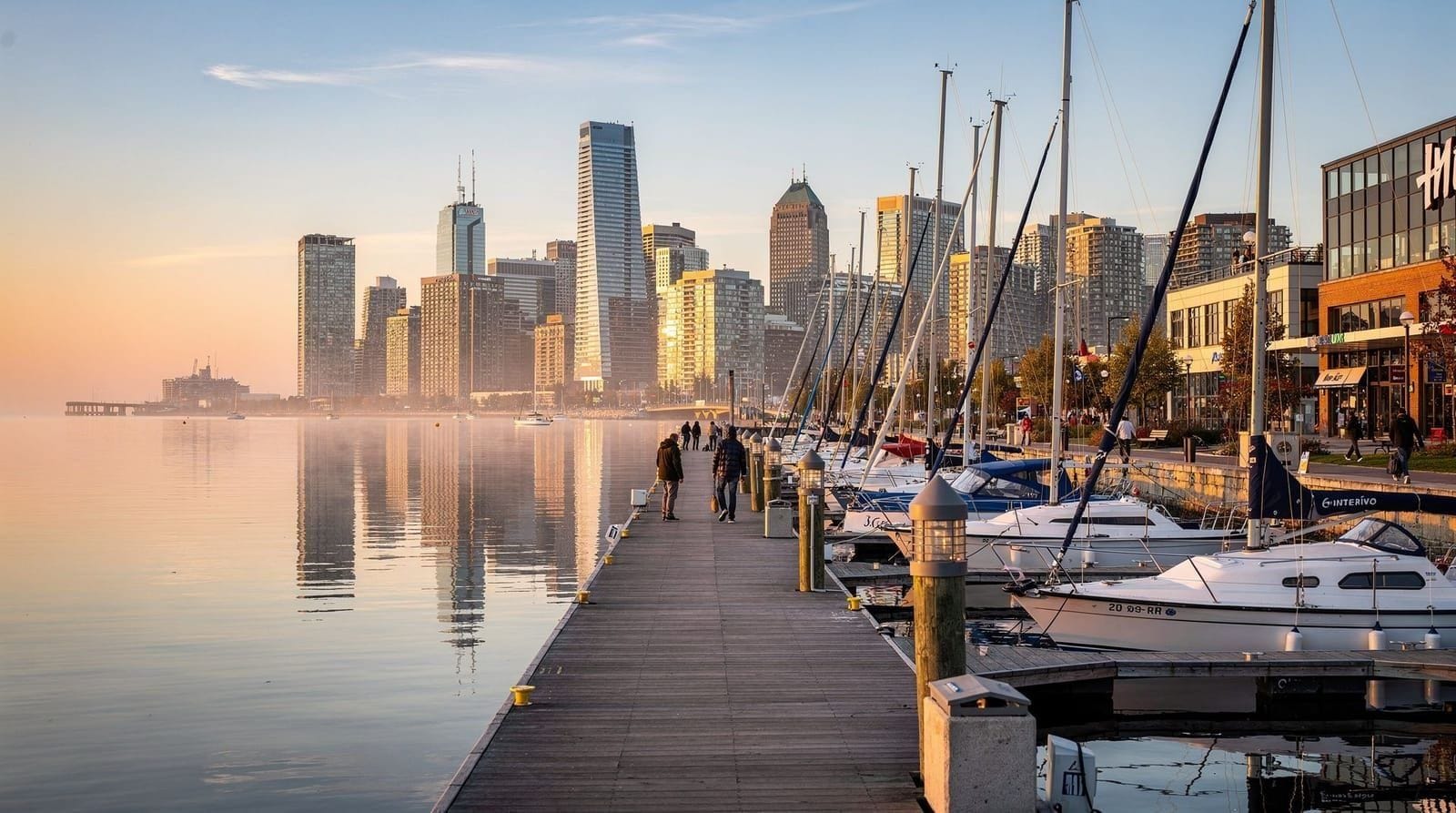
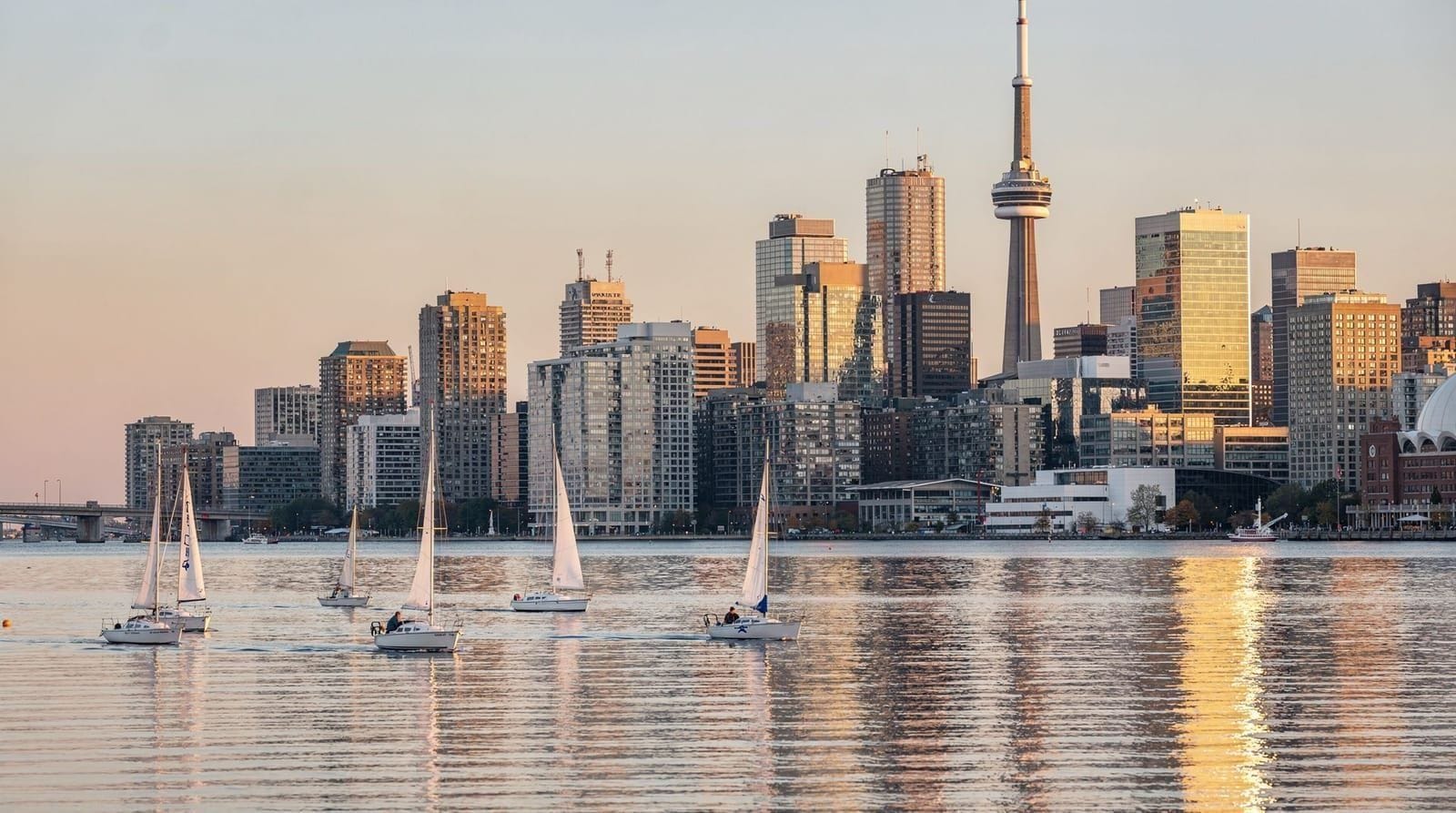
Ferries run from the Jack Layton Ferry Terminal at the foot of Bay Street, with separate routes to each island — check which dock you need before queuing, since the wrong line means a longer wait for the correct ferry. The crossing itself takes 10-15 minutes and, on a clear day, delivers one of the best skyline views in the city, CN Tower included, without paying for an observation deck.
| Where | Ferry from foot of Bay Street, near Harbourfront |
| Time needed | Half-day to full day |
| Getting there | Ferry only (10-15 min); no bridge, no cars |
| Cost | Modest round-trip ferry fare; Centreville rides extra |
| Best time | July-August for beaches; June/September for fewer crowds |
Beating the summer ferry line
On a hot July or August weekend, the Centre Island ferry queue can stretch well past an hour, largely because Centreville’s amusement park draws heavy family traffic. The reliable fix is timing: arrive before 10am or after 4pm, or shift your trip to a weekday. Ward’s Island and Hanlan’s Point ferries run less frequently but see proportionally lighter crowds, so if the Centre Island line looks brutal, boarding for Ward’s Island and walking the connected pathway across to Centre Island (about 20-30 minutes on foot) can actually get you there faster than waiting.
Biking the islands car-free
No private cars are allowed on the islands, which makes the flat, well-paved network of paths one of the most relaxed places in the city to cycle. Bike rentals are available near the Centre Island dock, but a guided option removes the logistics — the Toronto Islands bike tour runs both morning and twilight departures, and the evening version times the ride to catch the skyline lighting up across the water, which is a genuinely different experience from the same route at noon.
Water-level views: canoe and kayak
For a slower, quieter way to see the islands than a ferry deck, a Toronto Islands voyageur canoe tour puts you at water level in a traditional multi-person canoe, weaving through the channels between islands rather than just around their edges. The sunset SUP and kayak safari is the more active, solo-paddling alternative, timed for golden-hour light on the water — a popular pick for couples, though it requires reasonable paddling fitness compared to the guided canoe.
Beaches: what to expect
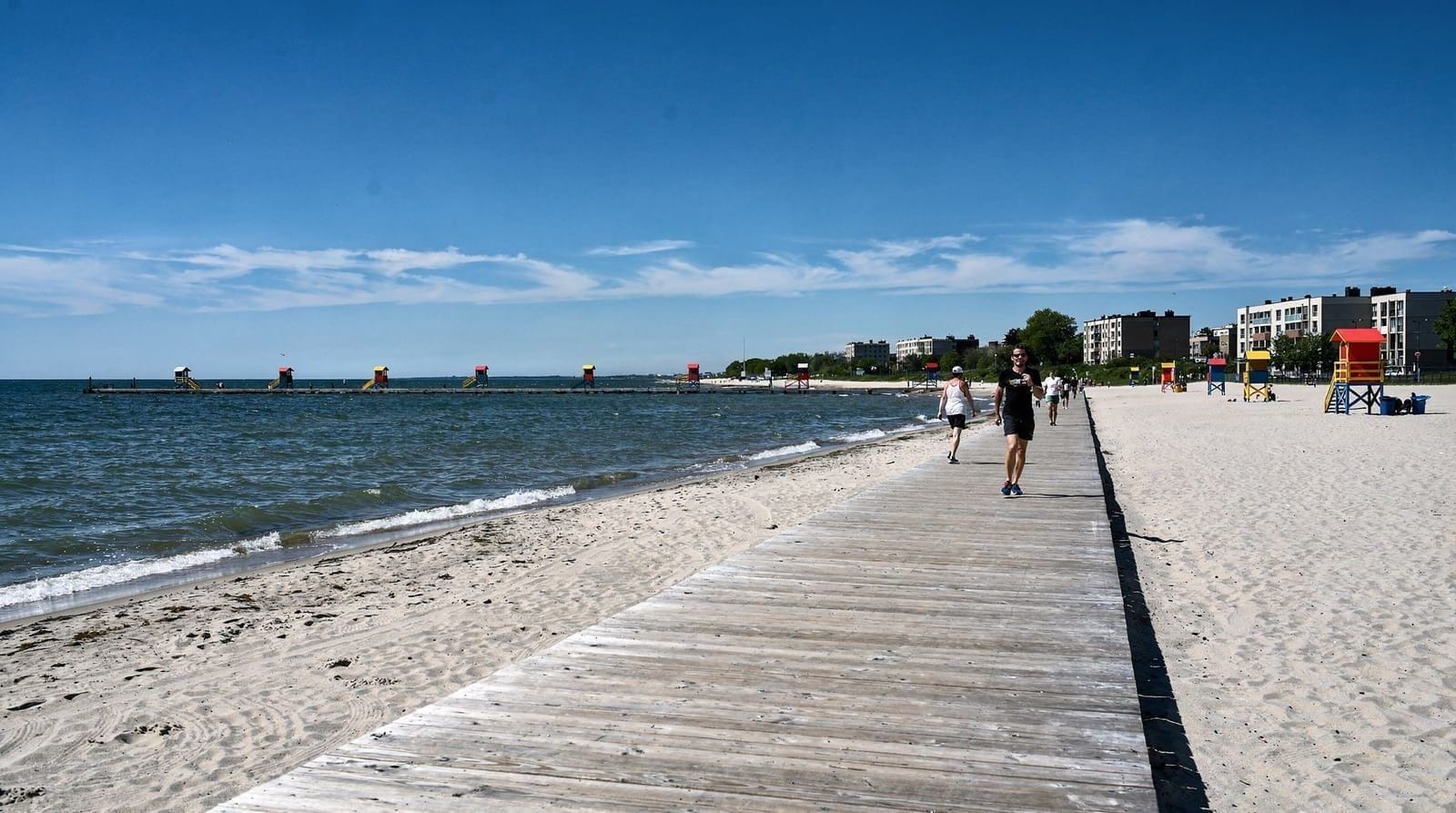
The islands’ beaches are sandy, shallow, and genuinely swimmable in summer, with water quality testing posted regularly by the city (check current advisories before swimming, as Lake Ontario occasionally issues temporary no-swim notices after heavy rain). Centre Island’s beaches are the busiest and most family-oriented, with lifeguards on duty in peak season. Ward’s Island’s beach is quieter and more residential-feeling. Hanlan’s Point has the most space to spread out and, at its far end, the city’s designated clothing-optional beach — clearly signed, so it’s easy to avoid if that’s not what you’re looking for.
Evenings on the islands
Most day-trippers leave by early evening, which makes a night visit feel like a different destination entirely. A Toronto Islands night walk and ferry tour takes advantage of the emptied paths and the skyline lit up across the water after sunset — genuinely one of the better “hidden” experiences in the city for visitors who’ve already done the daytime version or want to skip the crowds entirely.
How the islands became islands
Until 1858, what’s now the Toronto Islands was actually a peninsula, connected to the mainland by a narrow sandbar. A violent storm that year cut a permanent breach through the sandbar, creating the Eastern Gap and turning the peninsula into the archipelago that exists today. The islands have hosted an amusement park in some form since the early 1900s, a former airport, and a small residential community on Ward’s Island that survived a decades-long legal battle in the 1980s over whether the city would demolish the cottages — residents won the right to stay, which is why Ward’s Island still has actual houses and year-round residents rather than being purely parkland.
Centreville Amusement Park in more detail
Centreville, on Centre Island, is a small, old-fashioned amusement park geared toward younger children rather than thrill-seekers — a restored 1907 carousel, a miniature train, a small Ferris wheel, and a farm area with animals. It intentionally avoids the scale of a major theme park, which is part of its charm for families with kids under 10, though older kids and teens may find it modest compared to bigger regional parks. Admission is typically pay-per-ride or via a wristband bundle; check current pricing, since it’s adjusted seasonally.
Photography and the best viewpoints
The single most reliable skyline shot from the islands is from the boardwalk near Centre Island’s ferry dock looking back toward the mainland, particularly in early morning or at golden hour when the CN Tower and surrounding towers catch warm light with minimal haze. Hanlan’s Point’s western-facing beach offers a different angle, better for sunset shots over the lake itself rather than the skyline. Bring a wider lens than you’d think you need — the skyline’s width from island distance surprises most first-time photographers.
Getting there and practical logistics
Ferry tickets are sold at the terminal or online in advance during peak season, and round-trip fare runs a modest amount per adult, less for children. There is no bridge to the islands — the ferry is the only public access point, aside from a small private water-taxi option. Bring cash or a card for food, since prices on the islands run somewhat higher than the mainland given everything has to be ferried over. There’s limited shade in parts of Centre Island, so sunscreen and water matter more here than on a typical city walk. Public washrooms and drinking fountains are available near each dock and at Centreville.
Accessibility on the islands
The main pathways connecting Centre Island, Ward’s Island, and Hanlan’s Point are flat, paved, and generally manageable for wheelchairs and strollers, and the ferries themselves provide accessible boarding. That said, sandy beach areas are, unavoidably, harder terrain, and some of the smaller connecting paths between islands are less consistently maintained than the main routes — worth factoring in if mobility is a significant concern, and worth contacting the ferry operator in advance for current accessibility details.
Packing for an island day
Because amenities and shade are more limited than a typical city park, a successful islands day benefits from more preparation than a downtown outing: sunscreen, a refillable water bottle (fountains are available but not dense), a change of clothes if swimming is on the agenda, and cash or a card for food, since prices run somewhat higher on the islands than the mainland. Bug spray is worth packing in early summer particularly, since the islands’ proximity to water brings more mosquitoes than you’d encounter in downtown.
Best time to visit
July and August are peak beach season and peak crowds simultaneously. June and September offer warm-enough weather for cycling and walking with noticeably shorter ferry lines, and many locals consider this the better window overall. The islands stay technically open through winter, but ferry service reduces significantly and most amenities close — a winter visit is possible but stripped-down, mostly appealing to photographers chasing an empty, snow-covered skyline shot.
Billy Bishop Airport and the western tip
Hanlan’s Point sits close to Billy Bishop Toronto City Airport, which occupies part of the western end of the island chain — a detail that surprises some first-time visitors, since the small regional airport’s runway operations feel at odds with the otherwise car-free, parkland character of the rest of the islands. Flights are relatively infrequent compared to Pearson and the airport’s footprint is contained, so it doesn’t meaningfully intrude on a beach day at Hanlan’s Point, but the occasional aircraft overhead is a reminder that this stretch of the islands serves a genuine transportation function alongside its recreational one.
Weddings, events, and private bookings
Several spots on the islands, particularly around Centre Island’s gardens and the Toronto Island Marina, host weddings and private events regularly through the warmer months, similar to the Distillery District’s popularity for the same purpose. This occasionally means a specific garden or pavilion is unavailable to the general public on a given weekend — it rarely affects the broader island experience, but it’s worth being aware of if you had a specific spot in mind for photos and find it unexpectedly reserved.
Building a full islands day
For a more complete rundown of activities beyond the highlights covered here, the things to do on Toronto Islands guide breaks the archipelago down attraction by attraction, useful if you’re spending a full day rather than a quick beach visit. Visitors folding the islands into a broader Toronto stay can also check the Toronto weekend escape itinerary for how a half-day here typically slots alongside downtown sights and The Beaches.
Comparing a summer visit to a shoulder-season one
A summer visit to the islands means beaches, cruises, and the full range of activities running at capacity, but also the longest ferry queues and highest overall crowds of the year. A late-spring or early-fall visit trades some of that activity range — swimming becomes less appealing as water temperatures drop, and some seasonal amenities close — for noticeably shorter waits and a calmer, more contemplative experience of the same skyline views and walking paths. Neither is objectively better; it depends on whether the beach or the quiet is the priority for your particular trip.
Frequently asked questions about the Toronto Islands
How do I get to the Toronto Islands?
By ferry only, departing from the Jack Layton Ferry Terminal at the foot of Bay Street near Harbourfront. The crossing takes 10-15 minutes depending on the destination island.
Which island should I visit: Centre Island, Ward’s Island, or Hanlan’s Point?
Centre Island for families and the amusement park, Ward’s Island for a quieter, more residential feel, and Hanlan’s Point for laid-back beaches and the historic lighthouse. All three are connected by walking and cycling paths once you’re on the islands.
How long should I spend on the Toronto Islands?
A half-day (four to five hours) covers a relaxed visit with a beach stop and a walk or bike ride. A full day allows time to explore all three islands without rushing.
Is there a clothing-optional beach on the Toronto Islands?
Yes, at the far end of Hanlan’s Point. It’s clearly signed and easy to avoid if you’re not looking for it.
Can I bring a car to the Toronto Islands?
No, private vehicles aren’t permitted. Bikes, walking, and a small on-island tram at Centre Island are the only options for getting around once you arrive.
Is swimming safe at the Toronto Islands beaches?
Generally yes in summer, with the city posting regular water quality advisories. Check current conditions before swimming, since Lake Ontario occasionally issues temporary advisories after heavy rainfall.
Are the Toronto Islands better than The Beaches for a beach day?
They offer different appeal — the islands give a genuine getaway feeling and the best skyline photography in the city, while The Beaches neighbourhood is faster to reach with no ferry queue, which matters more if you’re short on time.
Is a guided tour worth it on the Toronto Islands, or is walking around enough?
Walking or a rented bike covers the basics fine, but a guided bike, canoe, or evening tour adds context and timing (like golden-hour light or a route through the quieter channels) that a self-guided visit can miss, especially for a first trip.
Top experiences
Bookable activities with verified prices and instant confirmation on GetYourGuide.