Toronto with kids guide
Toronto: Ripley's Aquarium of Canada Entry Ticket
Is Toronto a good city to visit with kids?
Yes — Toronto has a strong cluster of indoor and outdoor family attractions within a compact downtown area, decent stroller-accessible transit, and enough variety to suit toddlers through teenagers. The main planning challenge is pacing: build a trip around one major attraction per day rather than stacking several, since transit time and lines eat into attention spans quickly.
Pacing a family trip so nobody melts down by 2pm
The mistake most visiting families make with Toronto isn’t picking the wrong attractions — it’s picking too many for one day. Between subway transfers, lines at popular sights, and the inevitable slowdown that comes with young kids, a single major activity plus a lower-key second stop works far better than a checklist of four attractions crammed into eight hours. This guide is built around that principle: what to prioritize by age group, how to move around the city with kids in tow, and where the real costs and time sinks are, so a family trip can be planned realistically rather than optimistically.
| Toddlers (2-5) | Toronto Islands, High Park, splash pads |
| School-age (6-11) | Ripley’s Aquarium, Toronto Zoo, Ontario Science Centre |
| Teens | CN Tower, Casa Loma, Kensington Market/Distillery District |
| Budget | ~150-250 CAD/day for 2 paid attractions (family of 4) |
| Pacing rule | One major attraction + one lower-key stop per day |
Building an itinerary by age group
Toddlers and preschoolers (roughly 2 to 5) do best with open, low-structure spaces where they can move freely rather than formal exhibits requiring quiet attention — the Toronto Islands beaches and Centreville Amusement Park, High Park’s playgrounds, and splash pads in summer all fit that pattern well. School-age kids (6 to 11) get real value out of hands-on museums and animal attractions — Ripley’s Aquarium, the Toronto Zoo, and the Ontario Science Centre’s interactive exhibits all land well in this range.
Older kids and teens tend to engage more with the CN Tower’s glass floor and height-based attractions, Casa Loma’s more theatrical Gothic Revival architecture, and neighborhood exploration in areas like Kensington Market or the Distillery District. Mixed-age families should anchor each day around the youngest child’s attention span and treat anything beyond that as a bonus rather than a requirement.
Ripley’s Aquarium of Canada: the reliable rainy-day anchor
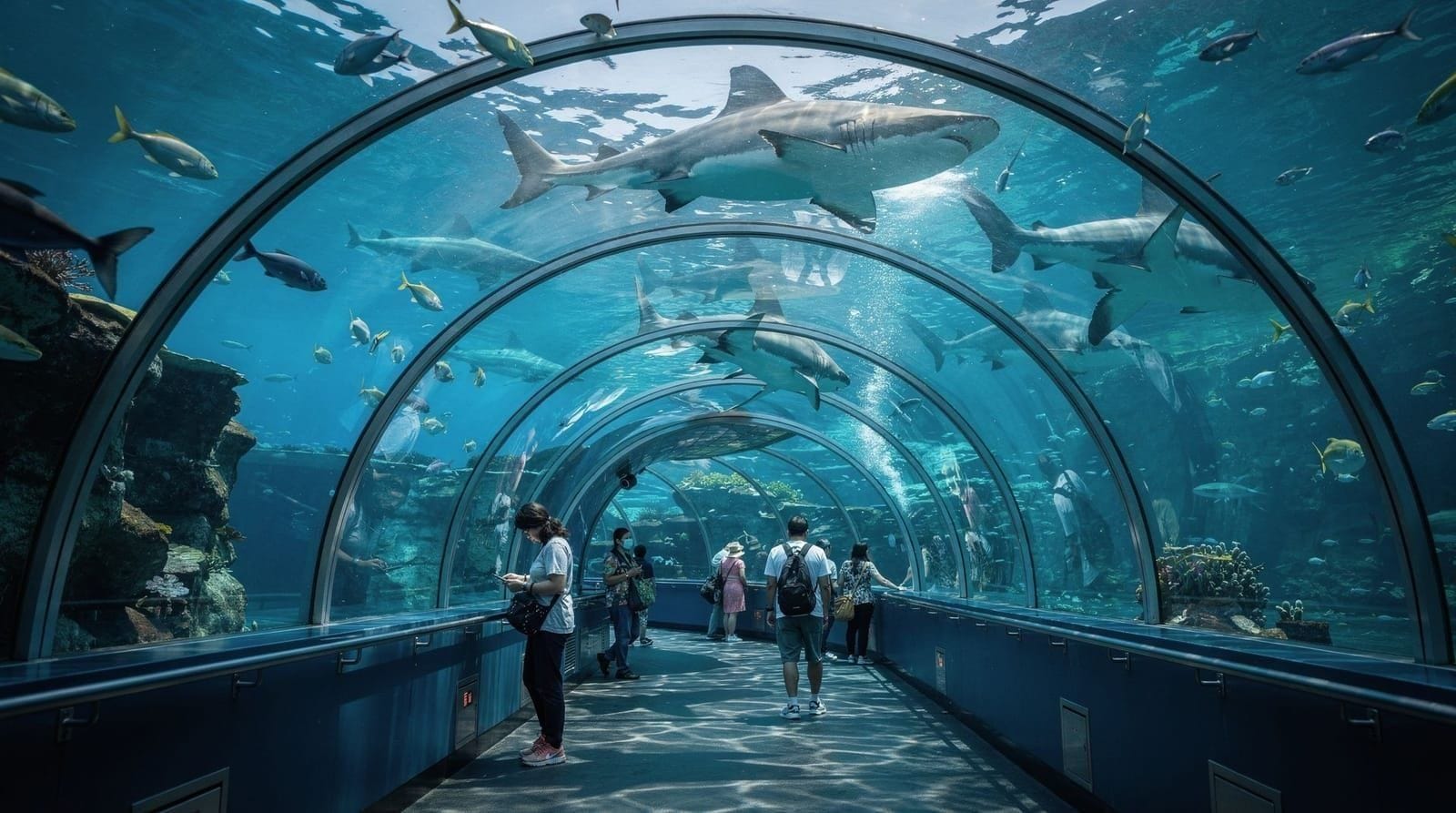
Sitting at the base of the CN Tower, Ripley’s Aquarium of Canada is Toronto’s single most dependable family attraction regardless of weather — a 96-metre underwater tunnel through a shark tank, a stingray touch pool, and a jellyfish gallery that consistently holds attention across a wide age range. Adult tickets run around 44 CAD, with lower pricing for children, and visiting after 5pm is typically both cheaper and less crowded.
Ripley’s Aquarium of Canada entry ticketBecause it sits right next to the CN Tower, the two attractions pair naturally into a single downtown day — see the full Ripley’s Aquarium of Canada guide for exhibit-by-exhibit timing and how to avoid the longest lines.
Toronto Zoo: a full day, not a stop
Unlike most downtown attractions, the Toronto Zoo in Scarborough requires a genuine half-day-to-full-day commitment — it spans roughly 5 kilometres of trails across seven zoogeographic regions, and rushing it defeats the purpose. It’s the strongest single-attraction outing for families staying more than a few days, but it’s not a good fit to combine with anything else the same day, especially given the drive or transit time from downtown.
Ontario Science Centre: confirm status before you go
The Ontario Science Centre’s original Don Mills Road building closed, and current operations and location have been in transition since — the institution has been running interim programming while a new permanent home at Ontario Place is developed. Because the situation has continued to evolve, it’s worth checking the current operating status and location directly before building a day around it rather than assuming the original building or hours still apply. The Ontario Science Centre guide covers what’s confirmed as of the last review and how to verify current details.
Casa Loma: better for six and up
Casa Loma’s Gothic Revival towers, tunnels, and gardens tend to resonate more with kids around six and older, who can engage with the castle’s scale and history rather than being carried through a self-guided route built for adult pacing. Adult tickets run around 45 CAD. The Casa Loma family guide breaks down which parts of the property are worth prioritizing with younger versus older kids.
Casa Loma entry ticketCN Tower: manage expectations around height and the glass floor
The CN Tower’s LookOut level and glass floor are a genuine highlight for many families, but the height itself is a real consideration for anxious kids, and the separate EdgeWalk experience has a minimum age requirement around 6 — not every child, or adult, wants to do it regardless of age. The CN Tower with kids guide covers ticket tiers, timing to avoid the longest elevator lines, and how to handle a child who gets nervous partway through.
Toronto Islands and beaches: the free-flowing outdoor day
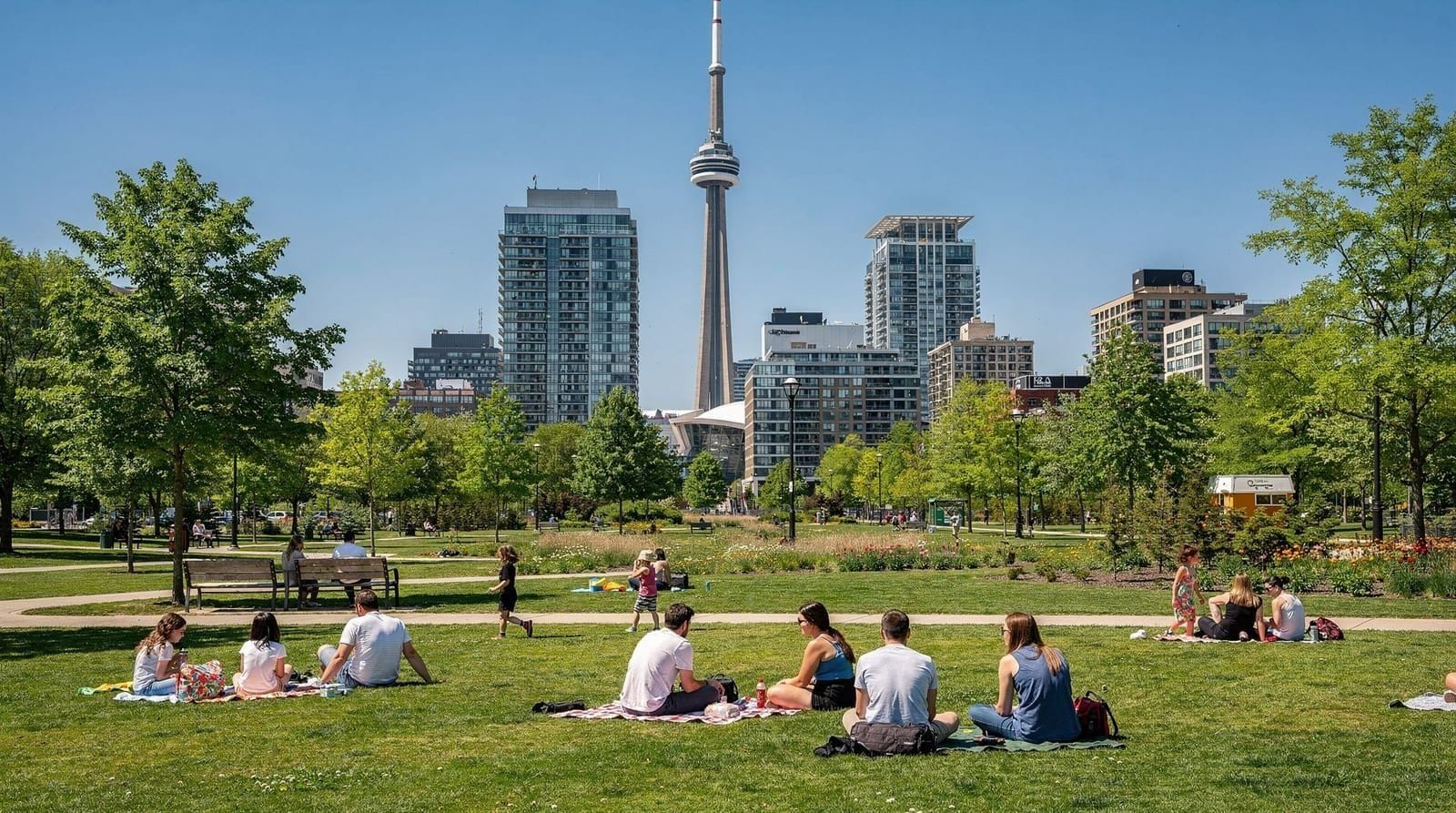
The Toronto Islands offer one of the easiest wins for a family day — a short ferry ride, car-free paths, sand beaches at Centre Island and Hanlan’s Point, and Centreville Amusement Park’s gentler, younger-kid-oriented rides. For families staying near the water, the best beaches for families in Toronto guide rounds out the islands with mainland options like Woodbine Beach that don’t require a ferry crossing.
Getting around with kids: transit and stroller reality
Toronto’s TTC subway network is stroller-friendly at newer or renovated stations but stairs-only at a number of older ones, so check accessibility for your specific route before relying on the subway with a stroller — streetcars and buses tend to be more consistently manageable. A day pass covers most families’ transit needs more cheaply than individual fares if you’re moving between three or more attractions. For neighborhoods with strong walkability that reduce how much transit you need at all, the downtown walking guide and the best Toronto neighborhoods to stay guide are useful for picking a base that cuts down on daily transfers.
Budgeting a family trip
A family of four visiting Toronto’s major paid attractions should budget roughly 150 to 250 CAD per day in admission alone if hitting two paid sights, on top of accommodation, food, and transit — Toronto’s overall daily budget ranges run from about 80 to 120 CAD per person for a budget trip up to 250 CAD or more for a luxury one, and family attraction costs sit on top of that baseline. Free or low-cost options — High Park’s zoo and playgrounds, the Toronto Islands beaches, and splash pads scattered through city parks in summer — are worth alternating with paid days to keep the overall budget manageable.
Rainy-day and weather backups
Toronto’s weather shifts quickly enough that it’s worth having an indoor backup for any outdoor-heavy day. Ripley’s Aquarium, the Ontario Science Centre’s current location, and Casa Loma’s interior rooms all work as rainy-day pivots — a broader list of indoor options is in the things to do in Toronto on a rainy day guide, useful to have bookmarked before a trip rather than scrambling mid-visit.
Day trips worth the extra day
If the trip runs five days or longer, a family-friendly day trip stretches the itinerary without adding a hotel change — Niagara Falls is the most popular option and works well with kids provided the schedule leaves room for the boat tour and doesn’t overpack the rest of the day around it. The family day trips from Toronto guide covers Niagara alongside other options and how to time them around nap schedules and drive length.
Seasonal timing for a family trip
Summer offers the widest range of open attractions and the most predictable warm weather for outdoor time on the Toronto Islands or at the beaches, but it’s also the most crowded and expensive season. Fall, detailed in the Toronto in fall guide, offers a genuinely underrated window for families able to travel outside school summer break, with comfortable temperatures and thinner crowds at major attractions. Winter narrows the outdoor options considerably but adds its own draws, like the free Harbourfront rink, for families comfortable with cold-weather travel.
When a family should consider skipping a day trip entirely
Not every family trip needs a day trip out of the city, and it’s worth being honest about whether the added driving and planning is worth it for your specific group. A family with very young kids, or one visiting for fewer than four days total, often gets more value from spending that extra day exploring more of the city itself — a second pass through things to do in Toronto or a more relaxed day at High Park — than from a rushed round trip to Niagara or Muskoka that eats most of the day in transit.
Packing list for a family day out in Toronto
A day bag built for Toronto’s specific conditions covers most eventualities: a refillable water bottle (bottle-filling stations are common at major attractions), sun protection and a hat for summer, layers for the city’s genuinely variable weather, and a portable phone charger given how much a day of photos and transit-app checking drains a battery. For families with a stroller, checking each planned attraction’s stroller policy ahead of time avoids an awkward gate-check surprise, particularly at Casa Loma, where the towers aren’t stroller-accessible.
Toronto with a baby or infant
Traveling with an infant rather than a toddler shifts the calculus again — most major attractions welcome babies in carriers or strollers without issue, and Toronto’s public spaces are generally accommodating of nursing and diaper-changing needs, with family washrooms at the CN Tower, Ripley’s Aquarium, and most shopping centres. The real planning challenge with an infant is less about attractions and more about nap schedules; building in an unstructured midday block for feeding and sleep, rather than a second scheduled activity, tends to produce a calmer day for everyone.
Frequently asked questions about visiting Toronto with kids
What’s the single best first-day activity for a family trip to Toronto?
Ripley’s Aquarium of Canada paired with the CN Tower works well as a first day, since both sit next to each other downtown and neither requires much advance planning beyond booking tickets ahead.
Is Toronto expensive for a family trip?
It’s mid-to-high range compared to other North American cities — a family of four should expect 150 to 250 CAD per day in attraction admission alone on top of accommodation and food, though free options like the Toronto Islands beaches and High Park help offset that.
Do young kids need reservations for Toronto attractions?
Advance online booking is recommended for Ripley’s Aquarium, the CN Tower, and Casa Loma, especially in peak summer months and school holiday periods, to avoid long walk-up lines that are harder to manage with young kids.
Is downtown Toronto safe for families?
Yes, the core tourist areas — the waterfront, the Distillery District, Yorkville, the CN Tower area — are generally safe and well-trafficked, with the usual big-city precautions around busy streets and keeping track of kids in crowds.
What if it rains during our Toronto family trip?
Toronto has enough indoor family attractions — the aquarium, the science centre’s current location, Casa Loma’s interior, and various museums — that a rainy day doesn’t need to derail a trip; plan for at least one flexible day as a buffer.
Are Toronto’s family attractions accessible for strollers?
Most major paid attractions are stroller-accessible, but transit between them varies — newer TTC subway stations and streetcars are generally easier than older stairs-only subway stations, so check accessibility for your specific route ahead of time.
Is Toronto a good destination for a baby or infant, not just older kids?
Yes — most major attractions welcome babies in carriers or strollers, and family washrooms are common at the CN Tower, Ripley’s Aquarium, and shopping centres. The main planning shift is building unstructured time around nap and feeding schedules rather than adding a second full activity to the day.
Top experiences
Bookable activities with verified prices and instant confirmation on GetYourGuide.