Niagara wine country guide
Niagara: Half-Day Winery Tour with Tastings
Is Niagara wine country worth visiting?
Yes — Niagara is Canada's largest wine region, with over 100 wineries across several distinct sub-appellations, roughly 1.5 hours from Toronto by car. It's internationally known for icewine and produces increasingly well-regarded Chardonnay, Riesling, Pinot Noir, and Cabernet Franc as well.
| Distance from Toronto | ~1.5 hrs by car via the QEW |
| Wineries | 100+ across several sub-appellations |
| Cost | CAD $10–25 per tasting flight, often waived with a bottle purchase |
| Getting there | car, guided tour, or GO Transit/VIA to Niagara Falls + local transport |
| Best time | June–October for full operating hours; January for icewine harvest |
Canada’s largest wine region, an hour and a half from Toronto
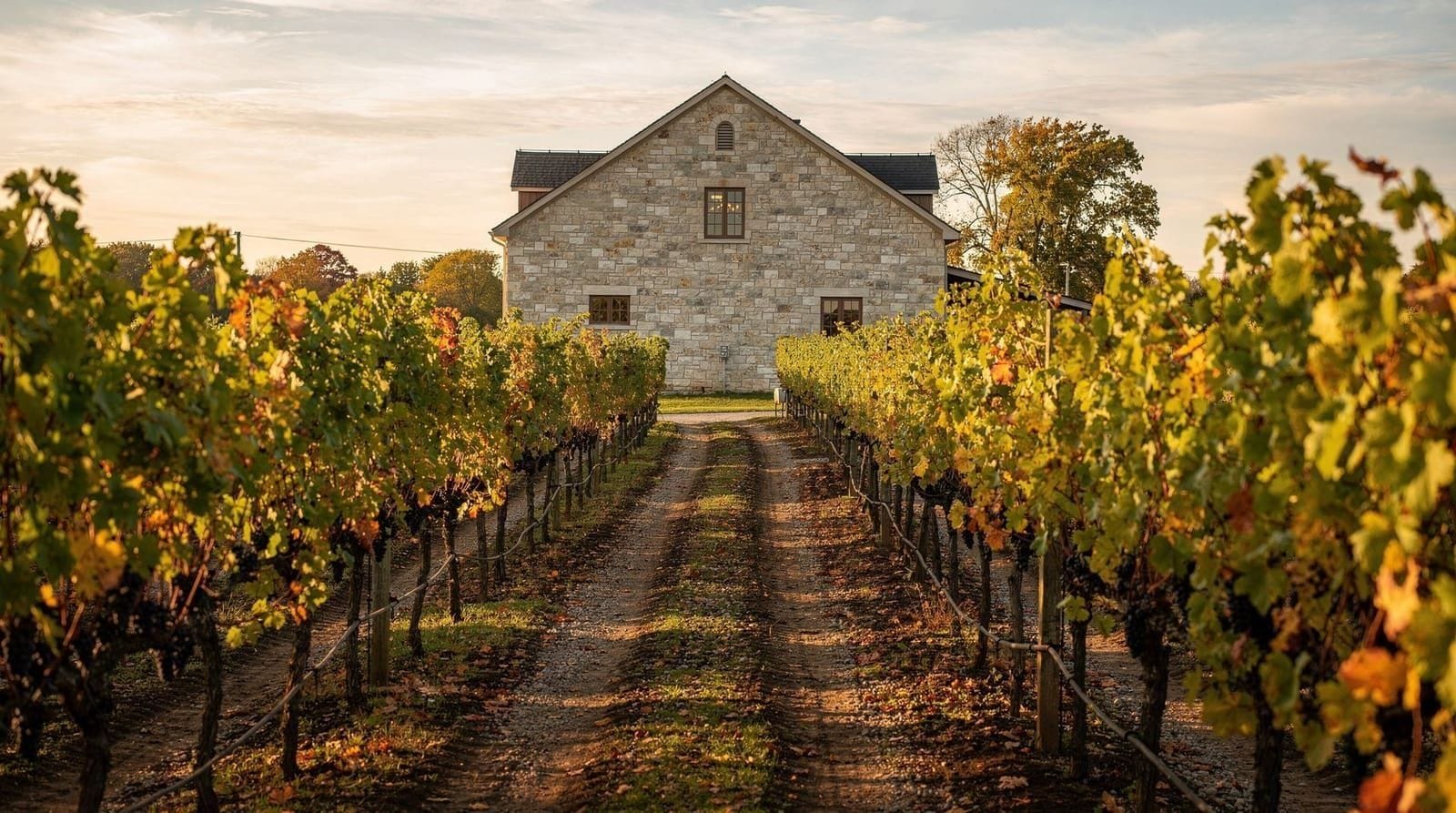
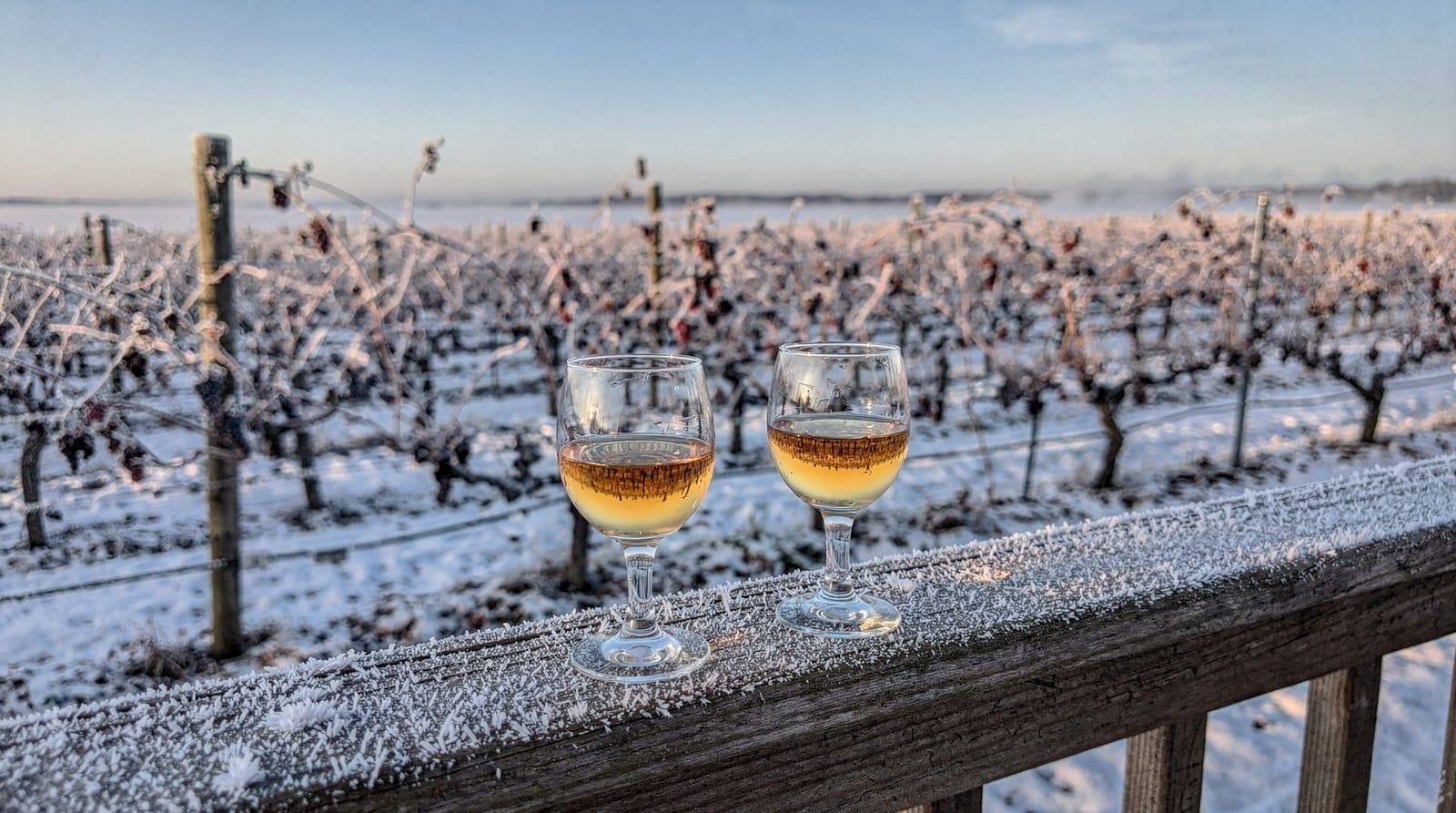
Niagara is Canada’s largest and best-known wine region, with over 100 wineries spread across the Niagara Peninsula between Lake Ontario and the Niagara Escarpment, roughly 1.5 hours from downtown Toronto by car. The region’s cool climate — moderated by both Lake Ontario and the escarpment’s elevation — turns out to be genuinely well suited to grape varieties that struggle in warmer wine regions, and Niagara has built an international reputation on two fronts: icewine, a dessert wine made from grapes frozen on the vine, and increasingly well-regarded still wines, particularly Riesling, Chardonnay, and Pinot Noir.
Understanding VQA and the sub-appellations
Ontario’s VQA (Vintners Quality Alliance) certification is worth understanding before you start tasting, since it’s the marker of quality and authenticity that separates serious Niagara wine from blended, partly-imported bottles sold under a similar label. VQA wine must be made entirely from Ontario-grown grapes and meet quality standards set by an independent panel — look for the VQA seal on the bottle as a reliable quality signal.
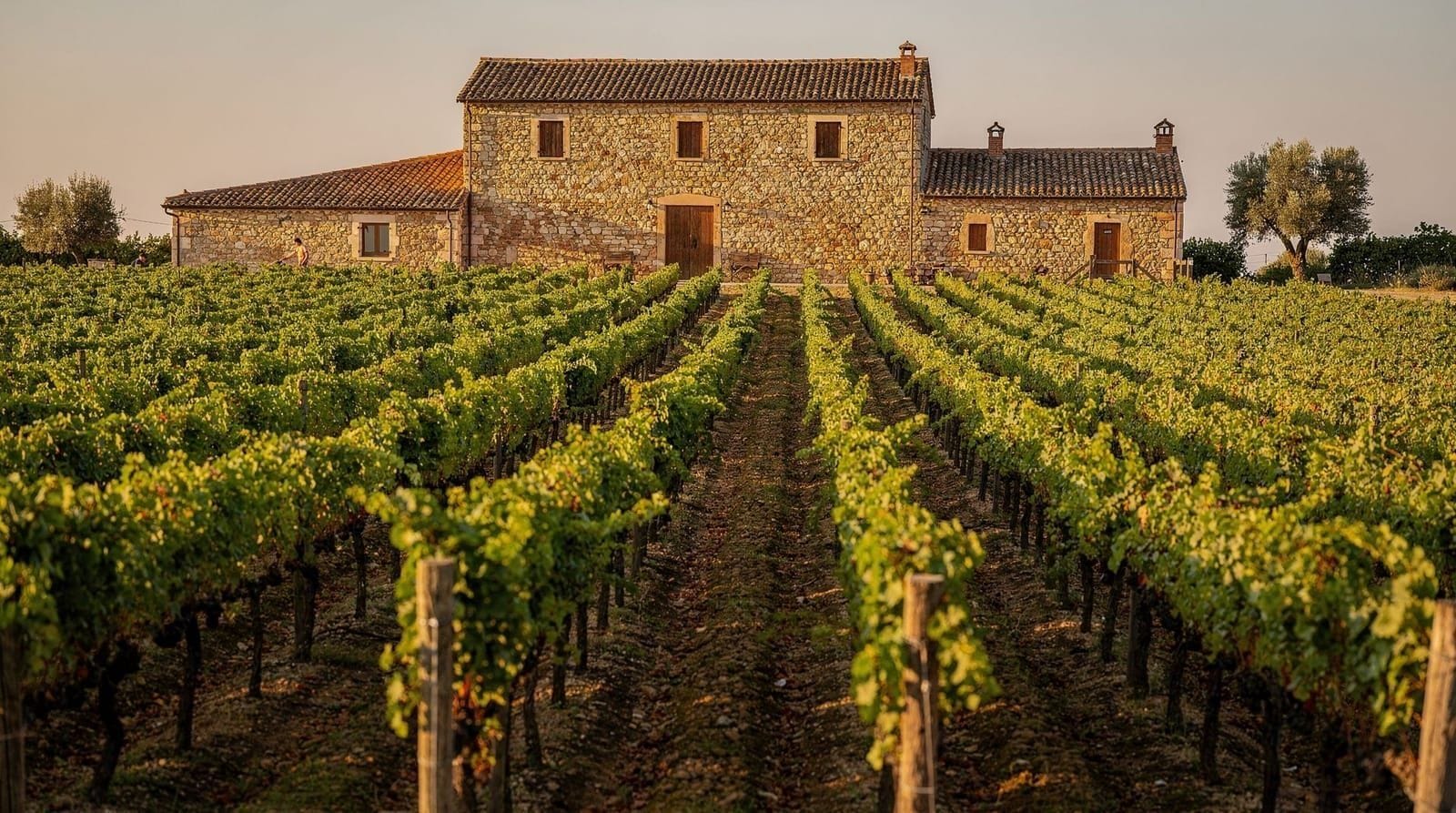
Within Niagara, several sub-appellations reflect real differences in soil and microclimate. Niagara-on-the-Lake, the region’s most visitor-friendly hub, sits closest to Lake Ontario’s moderating influence and produces excellent Riesling and Cabernet Franc. Beamsville Bench and Twenty Mile Bench, along the escarpment’s slope, benefit from better drainage and air circulation, producing some of the region’s most acclaimed Chardonnay and Pinot Noir. Niagara Escarpment more broadly and Niagara River and Niagara Lakeshore round out the remaining sub-appellations, each with subtly different conditions worth knowing if you’re planning to compare wines across sub-regions rather than just visiting whichever winery is closest.
Planning your winery day
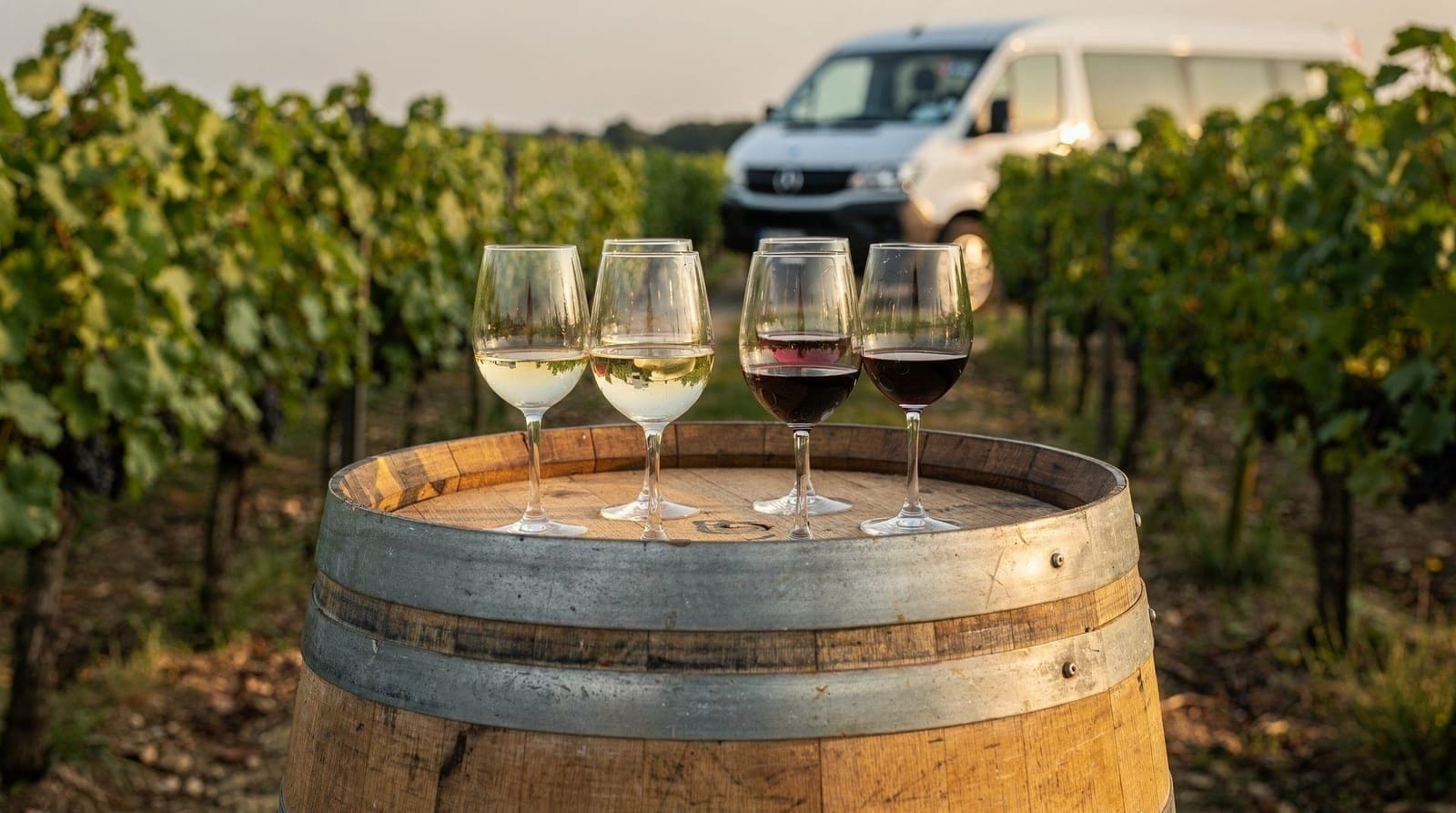
The Niagara half-day winery tour and tastings is the practical starting point for most visitors — it handles transportation and typically covers 2-3 wineries with guided tastings, removing the designated-driver problem entirely. If you’re self-driving, plan on visiting no more than 3-4 wineries in a day; tastings run 45-90 minutes each once you factor in the pour, the conversation with staff, and any food pairing, and rushing between more than that dilutes the experience without adding much value.
Most wineries charge CAD $10-25 for a tasting flight of 4-6 wines, often waived or credited toward a bottle purchase. Reservations are increasingly common at the larger, more established wineries, particularly on weekends during peak season (June-October), while smaller boutique wineries are more likely to accommodate walk-ins.
What to actually order
Niagara’s Riesling ranges from bone-dry to lusciously sweet, and it’s worth asking each winery where their specific bottle falls on that spectrum rather than assuming — this is one of the more confusing aspects of Riesling for newcomers, since the grape itself doesn’t dictate sweetness the way it does for some other varieties. Cabernet Franc has become something of a signature Niagara red, doing well in the region’s cooler climate in a way that fuller-bodied Cabernet Sauvignon generally doesn’t.
And if your visit includes January, Niagara’s icewine harvest happens then specifically — covered in more depth in our icewine in Niagara guide, and celebrated each year at the Niagara Icewine Festival — a genuinely unique experience if your travel dates allow for a winter visit.
Comparing Niagara-on-the-Lake wineries to the wider region
Niagara-on-the-Lake itself hosts some of the region’s most visited and most polished wineries, many with excellent restaurants attached, making it the natural first stop for a day that combines wine with a proper sit-down lunch — see our full Niagara-on-the-Lake day trip guide for how to structure it. Our best wineries in Niagara-on-the-Lake guide covers this specific cluster in more depth, while wineries further along the Beamsville and Twenty Mile Bench offer a quieter, more working-vineyard feel for visitors who’ve already done the more polished Niagara-on-the-Lake circuit on a previous trip.
Getting there
Niagara wine country sits about 1.5 hours from downtown Toronto via the QEW highway, the same general route used for Niagara Falls. There’s no direct train to the wineries themselves — GO Transit and VIA Rail both serve Niagara Falls and St. Catharines, but reaching the actual winery clusters from either station requires a car, taxi, or organized tour. For visitors without a car, a guided winery tour with round-trip transportation from Toronto is the most practical option, removing both the driving and the designated-driver problem in one booking.
How Niagara compares to Prince Edward County
Niagara and Prince Edward County are Ontario’s two major wine regions, and they’re genuinely different rather than one simply being a smaller version of the other — Niagara is larger, more established, and closer to Toronto, while Prince Edward County’s limestone soil produces a distinct, often more mineral-driven style, particularly for Chardonnay and Pinot Noir.
Our Niagara vs Prince Edward County wine comparison covers the practical differences in more depth if you’re deciding between the two for a single wine-focused trip, and Niagara wine tour options compared breaks down whether a guided tour, private car, bicycle tour, or self-drive suits your day best.
A brief history of Niagara as a wine region
Niagara’s modern wine industry took shape largely from the 1970s onward, when a handful of pioneering producers began planting European vinifera grape varieties — Riesling, Chardonnay, Pinot Noir — in place of the hardier but less internationally recognized hybrid and native grape varieties that had dominated the region previously.
That shift, combined with the establishment of the VQA certification system in the late 1980s to guarantee quality and authenticity, transformed Niagara from a producer of mostly bulk and hybrid wine into a region capable of competing internationally, a trajectory that culminated in Inniskillin’s landmark 1991 Vinexpo icewine award putting Canadian wine on the world stage for the first time. Understanding this relatively recent history helps explain why Niagara, despite its modern sophistication, still reads as a younger, more dynamic wine region than centuries-old European appellations — many of its most acclaimed producers have only been making wine at this level of ambition for a few decades.
Practical notes
- Designated driver: Non-negotiable — arrange transportation before you start tasting, not after.
- Food: Many Niagara wineries have on-site restaurants; booking lunch at a winery restaurant alongside your tasting is a reasonable way to build a full day around one or two stops rather than rushing between many.
- Weather: The region is scenic year-round, but harvest season (September-October) brings the best combination of activity and fall color along the escarpment.
- Shipping wine home: Most wineries can arrange shipping within Canada; cross-border shipping to the U.S. involves additional regulations — ask the winery directly if this matters for your trip.
Niagara’s climate advantage, explained simply
Understanding why Niagara’s climate suits wine grapes as well as it does helps make sense of the region’s specific strengths. The Niagara Escarpment, a long limestone ridge running through the region, creates an air-drainage effect that helps push cold air away from the vineyards planted along its slope, reducing frost risk during the critical spring budding period.
Lake Ontario, meanwhile, acts as a heat reservoir, absorbing warmth through the summer and releasing it slowly into fall, which extends the growing season and moderates temperature swings that would otherwise stress the vines. Together, these two geographic features — the escarpment and the lake — are the specific reason Niagara can grow cold-climate-loving varieties like Riesling successfully while also ripening more temperamental grapes like Pinot Noir and Cabernet Franc in favorable years, a combination that’s genuinely unusual for a region at this northern a latitude.
Frequently asked questions about Niagara wine country
How many wineries should I visit in one day in Niagara?
3-4 is realistic without rushing, factoring in travel time between wineries and a lunch stop. Trying to cram in more usually means shorter, less satisfying tastings at each stop.
Is Niagara wine as good as wine from California or France?
Niagara’s wine industry is younger and smaller than those regions, but its cool-climate whites (Riesling, Chardonnay) and icewine have earned genuine international recognition and awards. It’s a distinct style rather than a lesser imitation of warmer-climate wine regions.
Can I visit Niagara wine country without a car?
Not easily on your own — a guided tour with transportation is the practical alternative, since the wineries are spread across a rural area without meaningful transit coverage.
What’s the difference between Niagara-on-the-Lake and the rest of Niagara wine country?
Niagara-on-the-Lake is the most visitor-polished sub-region, with the highest concentration of winery restaurants and tasting rooms built for tourism. The Beamsville and Twenty Mile Bench areas further along the escarpment have a quieter, more working-vineyard feel.
When is icewine harvested in Niagara?
Typically January, when grapes left on the vine freeze to at least -8°C. It’s a genuinely unique harvest to witness if your travel dates allow for a winter Niagara visit.
Is a guided wine tour worth it compared to renting a car and driving myself?
For most visitors, yes — it removes the designated-driver problem entirely and typically includes a curated selection of wineries chosen by someone who knows the region, which is hard to replicate on a first visit without local knowledge.
Top experiences
Bookable activities with verified prices and instant confirmation on GetYourGuide.