Niagara vs Prince Edward County wine
Niagara-on-the-Lake: Wine Tour with Tastings and Lunch
Should I visit Niagara or Prince Edward County for wine tasting?
Niagara offers more wineries, easier access from Toronto (1.5 hours vs 2.5), and a wider range of styles including its signature icewine; Prince Edward County is smaller, more boutique, and known for cool-climate Pinot Noir and Chardonnay in a quieter, less commercial setting.
| Distance from Toronto | Niagara ~1.5 hrs; Prince Edward County ~2.5 hrs |
| Number of wineries | Niagara 100+; PEC 40+ |
| Signature style | Niagara icewine + full range; PEC cool-climate Pinot Noir & Chardonnay |
| Atmosphere | Niagara polished, tour-bus-friendly; PEC rural, boutique |
| Winter access | Niagara stays largely open; PEC often appointment-only |
Ontario’s two wine regions, and why they’re not really competing for the same trip
Ontario has two established wine regions worth a dedicated visit: Niagara, the larger and better-known of the two, and Prince Edward County, a smaller, more recently developed region on a limestone-rich island in Lake Ontario.
Visitors sometimes frame the choice as a straight comparison, but the two regions suit genuinely different kinds of trips — this guide breaks down the real differences in scale, style, distance, and atmosphere so you can pick based on what you actually want out of a wine day. For deeper dives into wineries by name, budget, and style within each region, see the Niagara wine country guide and Prince Edward County wine guide.
Both regions also sit within Niagara-on-the-Lake’s and Picton’s respective orbits — the two most popular towns for basing a wine-touring day in each region, and worth knowing by name if you’re booking accommodation or a restaurant reservation around either.
Scale and number of wineries
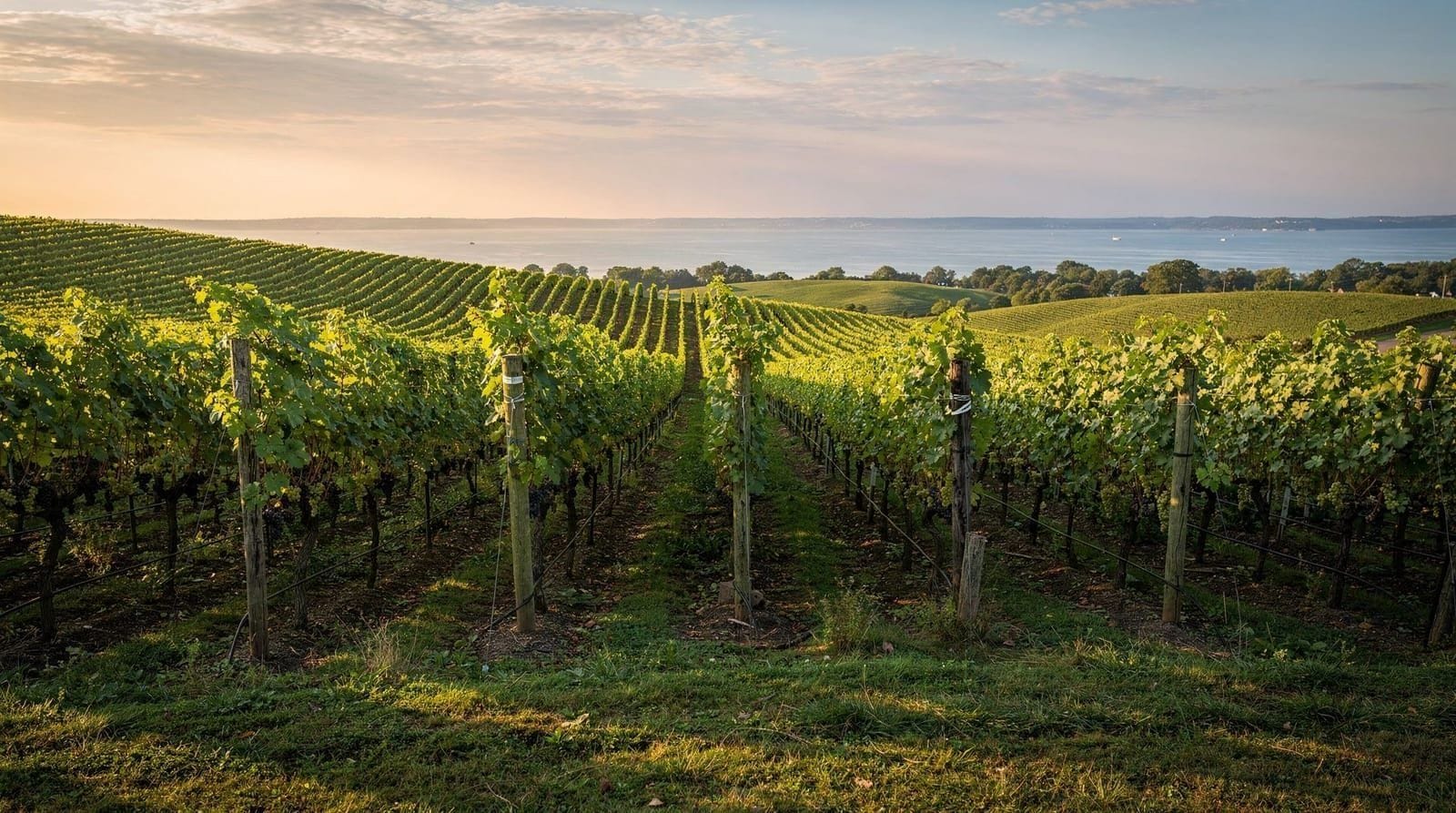
Niagara is Ontario’s dominant wine region by a wide margin — more than 100 wineries spread across the Niagara Peninsula, from large commercial estates with elaborate tasting rooms and restaurants to smaller family operations. Prince Edward County, while growing quickly, remains considerably smaller, with more than 40 wineries, most still small and family-run rather than large-scale commercial operations. If variety and choice of scale (from big-name estates to boutique cellar doors) matter to you, Niagara offers more range simply by volume.
Wine style: icewine and full range vs. cool-climate specialists
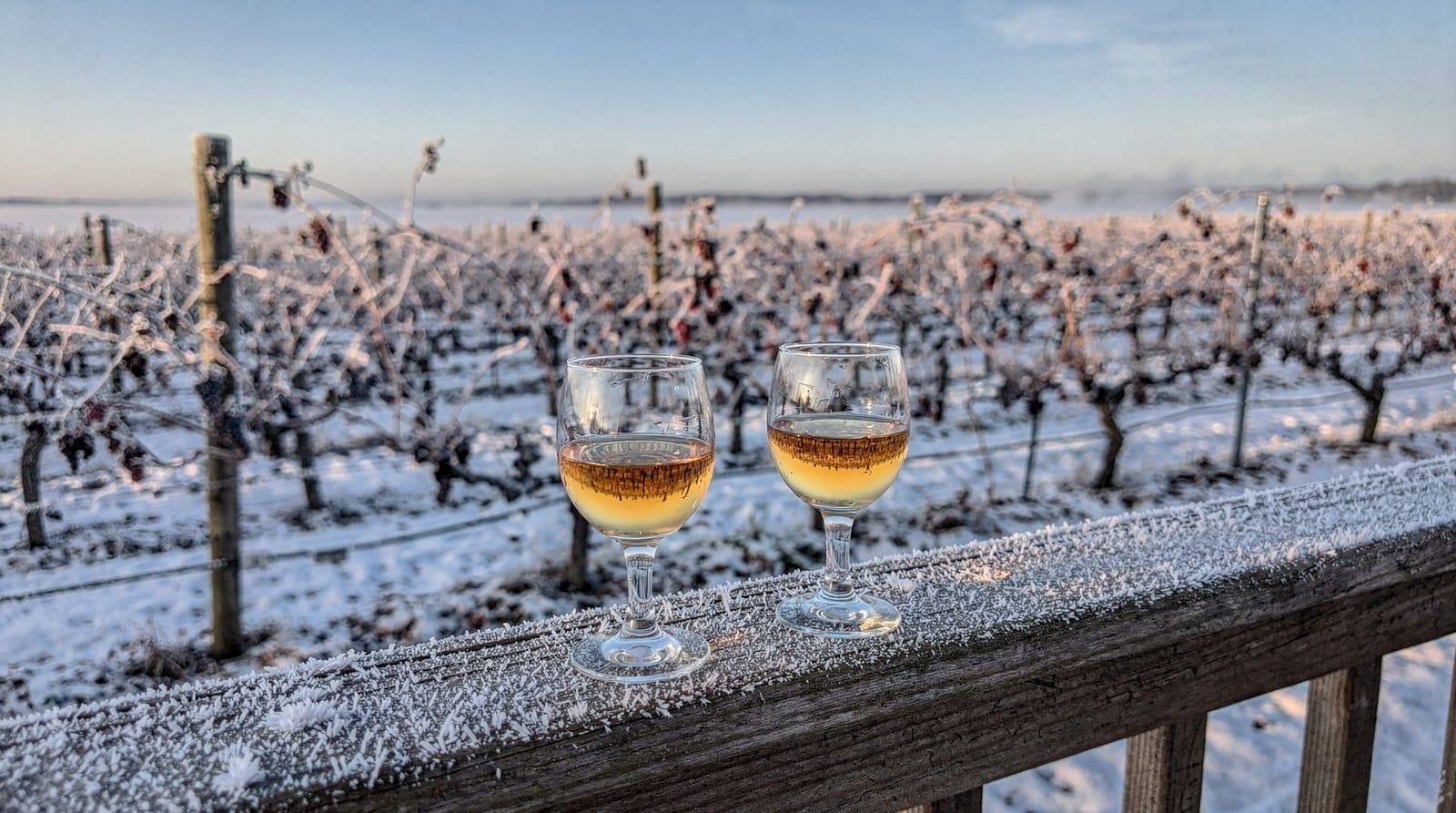
Niagara’s claim to international fame is icewine — a dessert wine made from grapes frozen on the vine, harvested in the depths of winter, and produced at a scale and quality that’s put Ontario on the global icewine map alongside only a handful of other regions worldwide. Beyond icewine, Niagara produces a full range of reds, whites, and sparkling wines across its various sub-appellations. See the icewine in Niagara guide for more on this signature style.
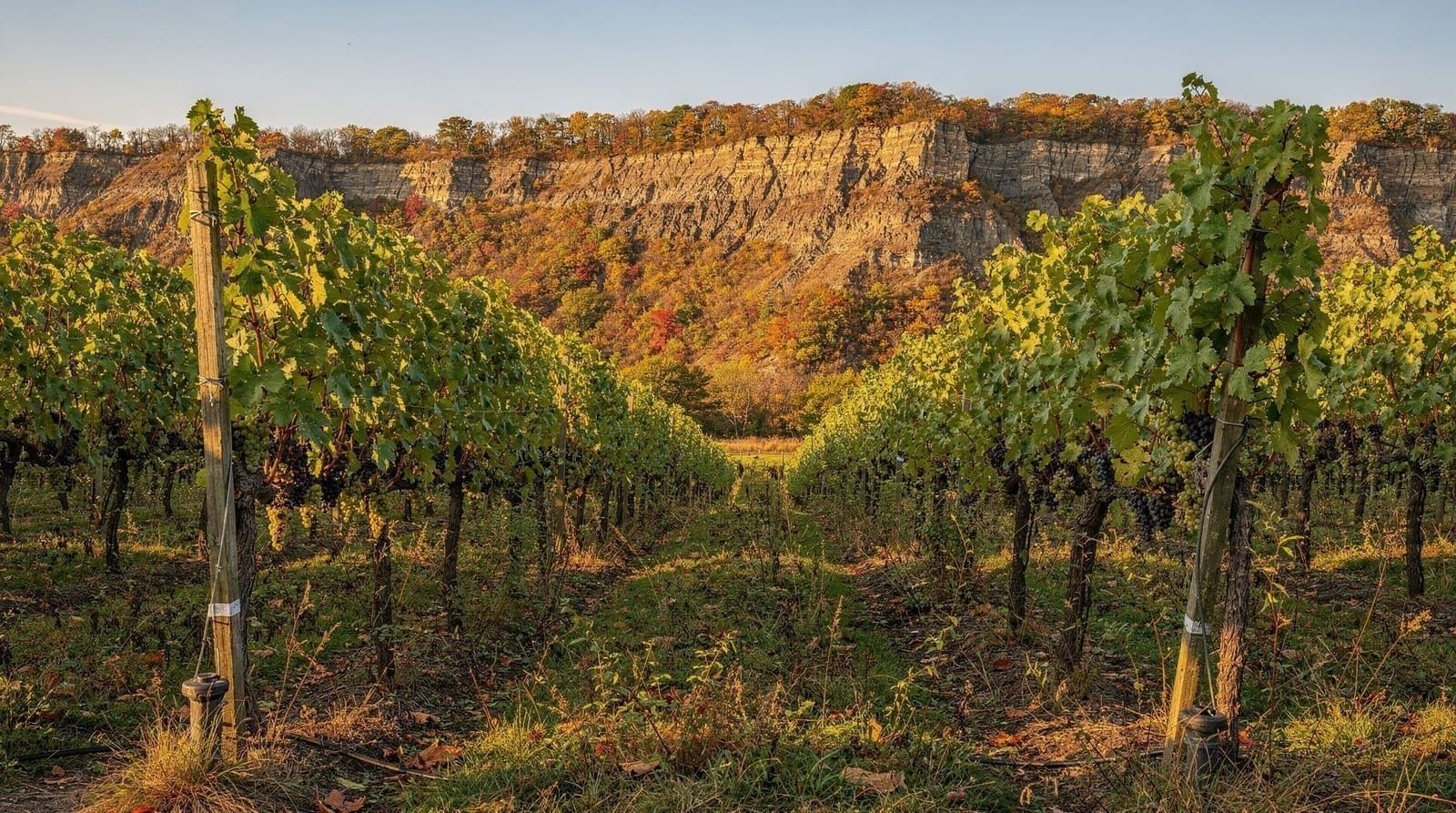
Prince Edward County has built its reputation more narrowly but arguably more distinctly, focusing on cool-climate varietals — particularly Pinot Noir and Chardonnay — that benefit from the County’s limestone soil and the moderating effect of surrounding water on both sides of the peninsula. Wine enthusiasts specifically chasing elegant, terroir-driven Pinot Noir often rate the County’s best examples above anything comparable coming out of Niagara.
Distance and accessibility from Toronto
This is a genuinely practical factor. Niagara is about 1.5 hours from Toronto, making it comfortably workable as a single day trip with real time left for tasting at multiple wineries. Prince Edward County is roughly 2.5 hours away, which makes a day trip tighter — doable, but with less time actually at wineries once travel is factored in.
If you’re working with limited time, Niagara’s shorter drive gives you more usable hours; if you can stretch to an overnight stay, the County becomes far more comfortable to properly enjoy. See things to do in Niagara Falls if you’re combining a Niagara wine day with the falls themselves, or things to do in Prince Edward County for the fuller non-wine activity list in the County.
Neither region has meaningful public transit connecting wineries to each other, so both require either a rental car with a designated driver, a guided tour, or a taxi/rideshare budget significant enough to make a guided option more cost-effective by comparison once you factor in several stops across a single day.
Atmosphere: developed and polished vs. rural and boutique
Niagara-on-the-Lake, the region’s most popular wine-touring base, is a genuinely pretty 19th-century town, but the broader wine region has a more developed, tour-bus-friendly infrastructure — larger tasting rooms, restaurant pairings, and a higher volume of visitor traffic overall, especially on summer weekends.
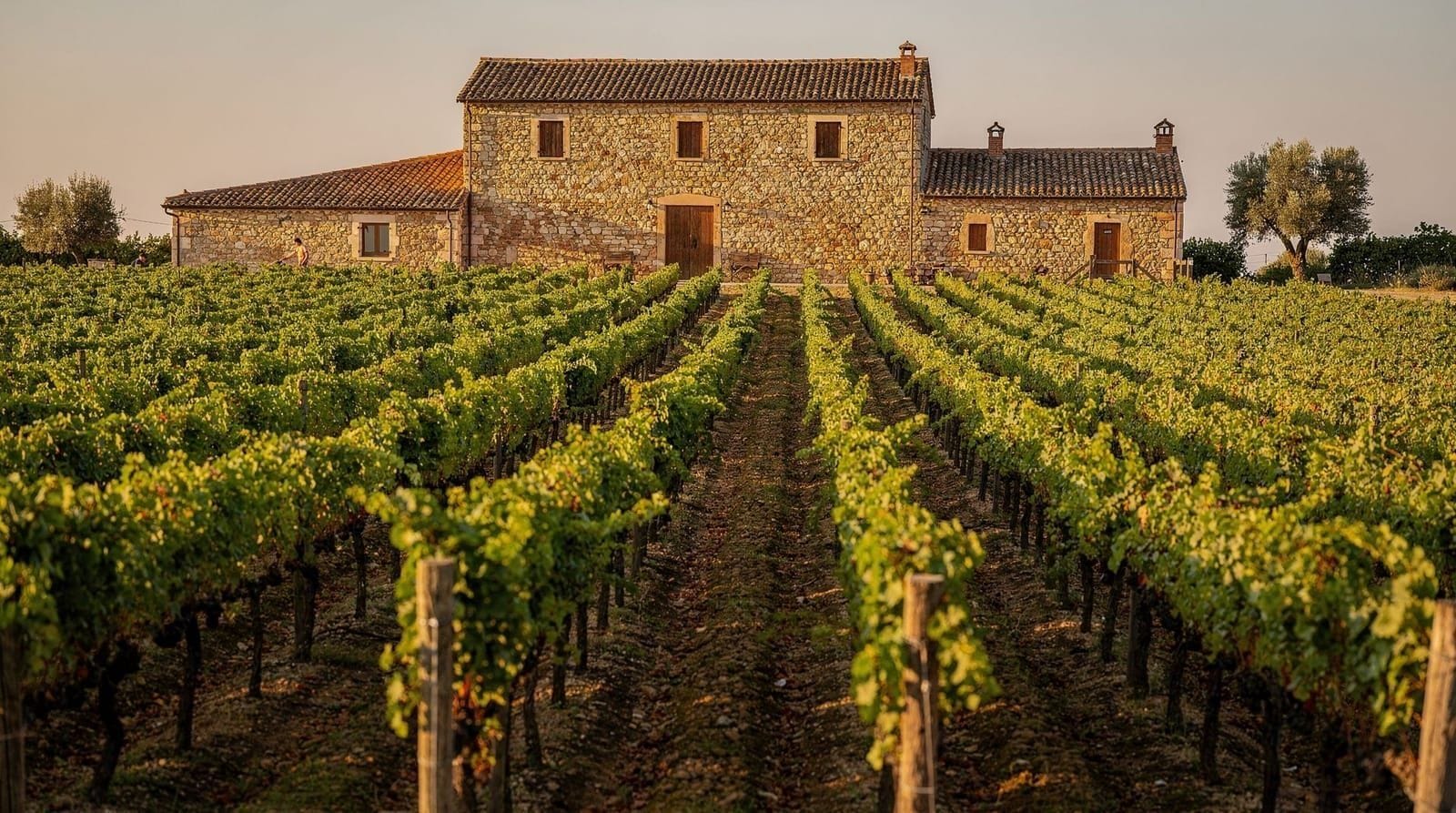
Niagara-on-the-Lake: wine tour with tastings and lunchPrince Edward County retains a more rural, low-key atmosphere — smaller tasting rooms, more direct conversations with winemakers or family members, and a general sense of a region still in its earlier growth phase rather than a fully mature tourist circuit. That can mean a more intimate experience, but also fewer amenities (restaurants, restrooms, and parking are less abundant at some of the smaller County wineries).
Toronto: private Prince Edward County wine day tourPrice comparison
Tasting fees run broadly similar across both regions, typically in the $15-30 CAD range per flight, with premium reserve tastings costing more at either. Given Niagara’s larger commercial scale, some of its bigger estates run more expensive tasting experiences (paired lunches, cellar tours) than the County’s generally smaller operations, though this varies winery to winery rather than being a consistent regional pattern.
Terroir and why the two regions taste different
The underlying geology explains much of the stylistic split between the two regions. Niagara’s wine region benefits from the Niagara Escarpment, which creates a temperature-moderating air-drainage effect protecting vines from frost, alongside Lake Ontario’s broader moderating influence — conditions that support a genuinely wide range of grape varieties from delicate whites to fuller reds.
Prince Edward County’s limestone bedrock sits much closer to the surface across most of the peninsula, forcing vine roots to work harder and producing the mineral-driven, restrained style that’s become the County’s signature, particularly in its Chardonnay and Pinot Noir. Winemakers in both regions will tell you these aren’t interchangeable styles — it’s less “which is better” and more “which style are you actually in the mood for.”
Food pairings and on-site dining
Niagara’s larger, more established wineries generally run more elaborate on-site restaurants, often with tasting-menu-style pairings built around the winery’s own portfolio — a genuinely polished experience if that’s what you’re after. Prince Edward County’s food-and-wine pairing tends to happen more informally, with several wineries hosting smaller, farm-to-table-style kitchens that lean on the same local producers supplying the County’s broader restaurant scene. Neither approach is inherently better, but they suit different kinds of wine-touring days: Niagara for a structured, multi-course experience, the County for a more casual, exploratory one.
Seasonal considerations
Both regions run their fullest operating hours and tasting-room schedules from May through October, with Niagara’s larger scale meaning more wineries stay open with reduced hours through winter, including limited icewine-harvest tours in January. Prince Edward County’s smaller operations are more likely to close entirely or shift to appointment-only visits outside the main season, so if a winter trip is the plan, Niagara offers considerably more reliable access.
Which to pick
Choose Niagara if you want a shorter drive, a wider range of wine styles including icewine, and more polished tourist infrastructure with restaurant pairings built in. Choose Prince Edward County if you’re specifically chasing cool-climate Pinot Noir and Chardonnay, prefer a quieter and more rural setting, and can either dedicate a full day to the longer drive or, better, stay overnight. If you’re planning a longer Ontario trip, doing both on separate days is a genuinely good way to appreciate how different the two regions are — see the wine country weekend planning guide for how to structure a multi-day version.
Frequently asked questions about Niagara vs Prince Edward County wine
Which region has better wine, Niagara or Prince Edward County?
Neither is objectively “better” — Niagara offers greater range and its signature icewine, while the County specializes more narrowly in cool-climate Pinot Noir and Chardonnay that some enthusiasts rate very highly. It comes down to style preference.
Can I visit both Niagara and Prince Edward County in one trip?
Yes, if you have several days — they’re roughly 3-4 hours apart from each other by car, making a combined trip workable as a longer Ontario wine tour rather than a single day.
Is Prince Edward County wine touring more expensive than Niagara?
Not generally — tasting fees are broadly comparable, though Niagara’s larger commercial estates sometimes offer pricier paired experiences that the County’s smaller operations rarely match in scale.
Do I need a designated driver for wine touring in either region?
Yes, or a guided tour — both regions are spread across rural roads with wineries a drive apart, and self-driving while tasting isn’t advisable given Canada’s strict impaired-driving laws.
Which region is better for a first-time wine tourist in Ontario?
Niagara’s shorter distance from Toronto and wider range of tasting styles make it a more forgiving first visit; Prince Edward County rewards visitors who already have a specific style (like Pinot Noir) in mind.
Is icewine only available in Niagara?
Niagara is Ontario’s dominant icewine producer and the region most associated with it internationally, though small quantities are produced elsewhere in the province, including limited releases from some Prince Edward County wineries.
Can I visit wineries in either region without a reservation?
Many wineries in both regions accept walk-in tastings, particularly smaller operations, but larger Niagara estates and popular County wineries increasingly recommend or require reservations, especially on summer weekends — booking ahead avoids the risk of being turned away.
Which region is better for a romantic getaway?
Prince Edward County’s quieter, more rural atmosphere and slower pace tend to suit a romantic weekend particularly well, though Niagara-on-the-Lake’s historic charm and wider range of upscale accommodation make it a strong contender too — it comes down to whether you prefer a livelier or a more secluded setting.
Do both regions offer non-wine activities nearby?
Yes — Niagara pairs naturally with the falls themselves and Niagara-on-the-Lake’s historic town, while Prince Edward County pairs with Sandbanks Provincial Park’s beaches and Picton’s Main Street, giving both regions a built-in reason to extend beyond a single-focus wine day.
Top experiences
Bookable activities with verified prices and instant confirmation on GetYourGuide.