Driving from Toronto to Niagara guide
Toronto: Niagara Falls Day Tour + Boat & Behind Falls Entry
How long does it take to drive from Toronto to Niagara Falls?
About 1.5 hours in normal traffic via the QEW, though Friday evening and Sunday afternoon traffic in summer can stretch this to 2-2.5 hours. Niagara-on-the-Lake is roughly 15-20 minutes further from the falls along the Niagara Parkway.
The drive itself is easy — the traffic timing is what actually matters
Driving from Toronto to Niagara Falls is a genuinely straightforward highway route with no complicated navigation, which makes it one of the more approachable self-drive day trips in this region for visitors unfamiliar with Ontario roads. The real planning challenge isn’t the route — it’s timing your departure and return around the QEW’s notorious weekend and summer congestion, which can turn a 90-minute drive into a considerably longer one if you leave at the wrong hour.
| Where | Toronto to Niagara Falls via the QEW, ~130 km |
| Cost | Around $25-35 CAD gas round-trip + $20-30 CAD parking |
| Time needed | 1.5 hrs each way normally, up to 2.5 hrs at peak times |
| Getting there | Gardiner Expressway west to the QEW, one route the whole way |
| Best time | Weekday or early Saturday morning departure, before 9am |
The route: QEW all the way
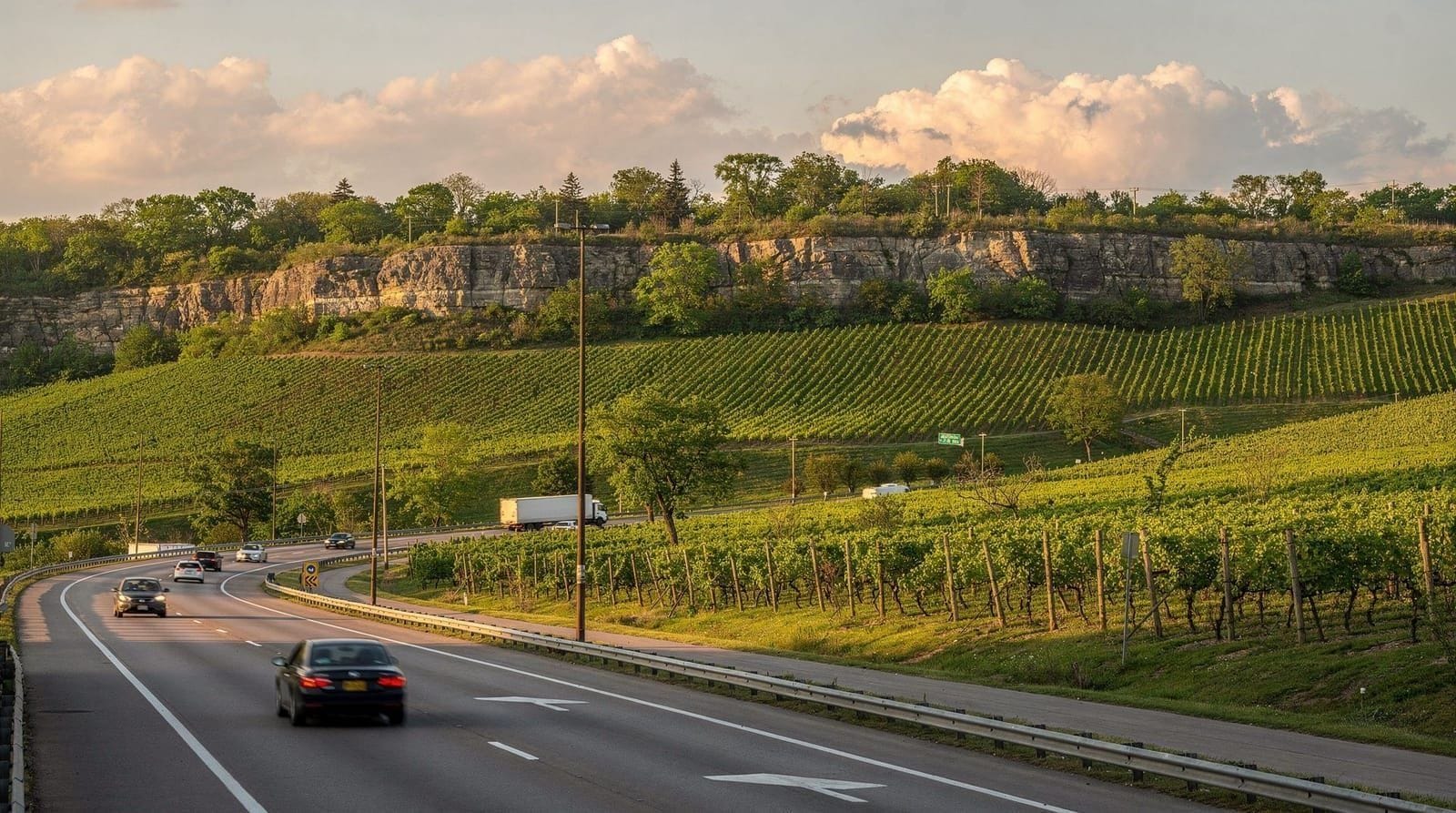
From downtown Toronto, the standard route takes the Gardiner Expressway west, connecting to the QEW (Queen Elizabeth Way), which runs directly to Niagara Falls with a single, well-signed route the entire way — no complicated interchange navigation required. The drive covers roughly 130 km and takes about 1.5 hours under normal traffic conditions. If you’re continuing to Niagara-on-the-Lake rather than stopping at the falls, exit the QEW earlier and follow the Niagara Parkway or Highway 55 north along the Niagara River, adding roughly 15-20 minutes to the total drive.
When traffic makes it much worse
The QEW’s Niagara-bound traffic gets genuinely heavy at predictable times: Friday evenings as Toronto-area residents head to Niagara for the weekend, Saturday mornings for day-trippers, and Sunday afternoons as everyone returns simultaneously. During peak summer months (July and August), these windows can stretch a normal 1.5-hour drive to 2.5 hours or more, particularly approaching the Niagara Falls exits themselves, where local congestion compounds highway traffic. If your schedule allows flexibility, a weekday visit or an early Saturday morning departure (before 9am) avoids the worst of this considerably.
Border-adjacent driving: staying on the Canadian side
The QEW runs close to the US border for much of its length near Niagara, and it’s worth knowing that Niagara Falls, Ontario and Niagara Falls, New York are two genuinely separate towns connected by the Rainbow Bridge — you don’t cross into the US simply by driving the QEW to the Canadian falls. If you’re planning to visit the USA side as part of your trip, that requires a separate border crossing with passport and, depending on your citizenship, additional documentation — see the Canada eTA & visa guide for what’s required for re-entry to Canada afterward.
Parking once you arrive at Niagara Falls
Parking near the falls themselves runs $20-30 CAD per day during peak summer season at the closest lots, and spaces fill up on busy weekends by mid-morning. A common local strategy is parking at one of the outer lots slightly further from the falls (cheaper, and rarely full) and using the WEGO shuttle bus system, included with several Niagara attraction passes, to cover the final stretch — this also avoids the stress of navigating for a closer spot during peak hours. See the Niagara Falls Canada vs USA side guide for how parking and access differ between the two sides if your itinerary includes crossing.
Driving on to Niagara-on-the-Lake and wine country
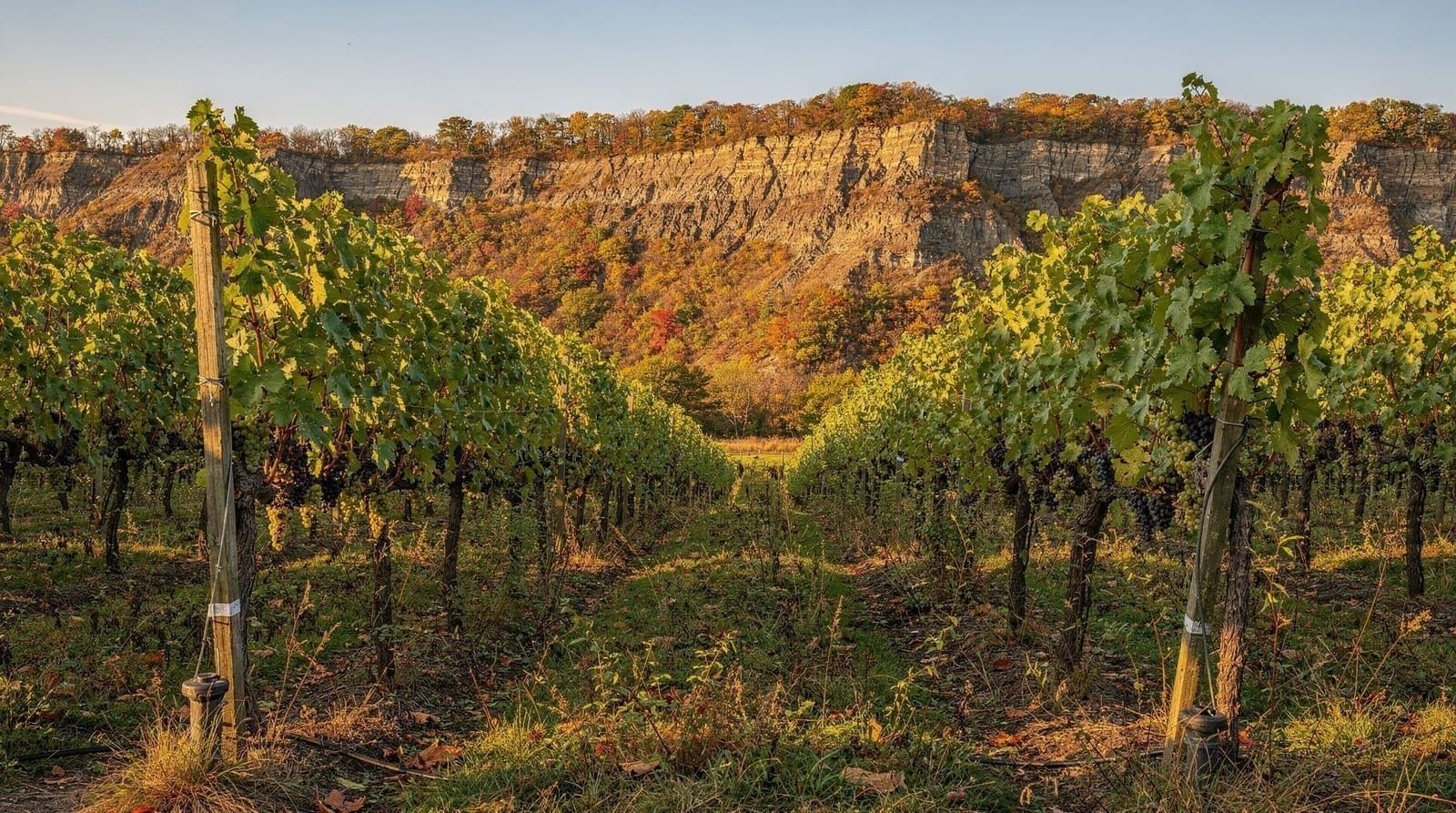
If wine country is your main destination rather than the falls themselves, the Niagara Parkway — a scenic road running directly along the Niagara River from the falls north to Niagara-on-the-Lake — is worth taking instead of the faster inland route, since it passes several wineries and scenic overlooks along the way. It adds some time compared to the most direct route, but the drive itself becomes part of the day-trip experience rather than just transit. See the Niagara wine country guide for how to structure a wine-focused day once you’ve arrived, and note that visiting multiple wineries by car requires a designated driver or spaced-out tasting portions, given Ontario’s standard drink-driving limits.
Gas, rest stops, and the drive itself
The QEW has service centers with gas stations and washrooms at a few points along the route, useful for a quick break, though the drive is short enough that most visitors don’t need a dedicated stop either direction. Cell coverage is reliable along the entire route, and the highway itself is well-maintained with clear signage in both directions — genuinely one of the easier drives for a visitor unfamiliar with Ontario’s road system to navigate confidently on a first attempt.
Winter driving considerations
If you’re visiting outside the main summer season, winter driving conditions (typically December through March) can include snow, ice, and reduced visibility on the QEW, particularly during lake-effect snow events common to the Niagara region given its proximity to Lake Ontario and Lake Erie. Check road conditions via Ontario’s 511 traveler information service before departing during winter months, and budget extra travel time if conditions look marginal — several of Niagara’s boat-based attractions (Hornblower cruises, Journey Behind the Falls) also close seasonally from November through April, which may reduce your reason for visiting during the highest-risk driving months anyway.
Should you drive yourself or take a guided tour instead?
Self-driving gives you full control over timing and lets you extend into wine country or Niagara-on-the-Lake at your own pace, genuinely the better option if you’re planning a longer, multi-stop day or want flexibility. A guided day tour removes the driving and parking hassle entirely and includes a knowledgeable guide, a better fit if you’d rather not navigate Niagara Falls’ peak-season parking crunch yourself or are traveling without a rental car. See do you need a guided Niagara tour for a fuller comparison of the two approaches.
Alternative: taking GO Transit instead of driving
If you’d rather skip driving and parking altogether, GO Transit’s bus service covers the same route in a similar timeframe without the parking search or return-trip traffic stress, though it limits you to the WEGO-served corridor around the falls rather than the flexibility of a self-driven wine country loop. See the GO Transit guide and how to get to Niagara Falls from Toronto for the full transit-based alternative.
Planning a full day-trip itinerary around the drive
Because the drive itself takes roughly 1.5 hours each way, a self-driven Niagara day trip effectively gives you a 6-7 hour window on the ground if you’re leaving Toronto by 9am and want to be back by dinner, factoring in the return drive. That’s enough time for the falls themselves plus one additional stop — either a short wine country detour to Niagara-on-the-Lake, or the Skylon Tower and Clifton Hill area — but trying to cram in the falls, a full wine country loop, and Niagara-on-the-Lake’s historic downtown in a single self-driven day is genuinely ambitious.
If your itinerary wants to cover all three properly, consider an overnight stay in the region rather than a single rushed day trip, or splitting the falls and wine country across two separate day trips if your Toronto stay is long enough.
Electric vehicle charging along the route
If you’re driving a rented or personal EV, charging infrastructure along the QEW corridor has expanded considerably in recent years, with fast-charging stations available at several points near the highway and within both Niagara Falls and Niagara-on-the-Lake themselves. Charging apps like PlugShare or the specific network apps (Ivy, Electrify Canada, and others operating in Ontario) show current station locations and availability — worth checking before departure if range anxiety is a factor, though a round trip to Niagara and back is well within range for virtually any modern EV without requiring a mid-trip charge.
Comparing the self-drive cost to other options
A round-trip self-drive to Niagara Falls costs roughly the gas for around 260 km of driving (typically $25-35 CAD depending on your vehicle’s fuel efficiency and current gas prices) plus parking at the destination, generally cheaper per person than a guided tour if you’re traveling as a group of two or more sharing a single vehicle. For a solo traveler without their own car, renting one specifically for a single day trip often costs more than GO Transit’s bus fare or a guided tour once the daily rental rate and insurance are factored in — see the renting a car in Ontario guide for the full cost comparison across group sizes.
If you’d rather not drive at all
Some visitors weigh the self-drive option against booking a seat on a guided coach that handles the QEW traffic, parking search, and border-adjacent navigation for you. It’s a reasonable trade if you’re travelling solo, don’t want to deal with peak-weekend parking lots, or would rather have a guide narrating the route than watching traffic. The Toronto to Niagara day tour with boat cruise included covers the falls with the transport and a Journey Behind the Falls-style experience bundled in, which is worth pricing against a self-drive day once you add up gas, parking, and the boat ticket separately.
Frequently asked questions about driving to Niagara
How long does the drive from Toronto to Niagara Falls actually take?
About 1.5 hours in normal traffic via the QEW, though Friday evenings, Saturday mornings, and Sunday afternoons during summer can stretch this to 2-2.5 hours.
Is there tolls on the route to Niagara Falls?
No — the standard QEW route to Niagara Falls doesn’t require the tolled 407 ETR highway, making it a toll-free drive the entire way.
Where should I park once I arrive at Niagara Falls?
Consider parking at an outer lot away from the immediate falls area and using the WEGO shuttle for the final stretch, since it’s cheaper and avoids the search for a closer spot during peak hours.
Do I need a passport to drive to Niagara Falls, Ontario?
No, not for the Canadian side itself if you’re already in Canada — a passport and additional documentation are only needed if you’re crossing the Rainbow Bridge to the USA side.
Is the drive to Niagara-on-the-Lake different from the drive to Niagara Falls?
It’s a similar route with an extra 15-20 minutes, either continuing along the QEW to a different exit or taking the more scenic Niagara Parkway along the river if wineries are part of your plan.
Should I drive myself or book a guided tour to Niagara Falls?
Self-driving offers more flexibility for a multi-stop wine country day; a guided tour removes the parking and navigation hassle. See the guided Niagara tour guide for a fuller comparison.
Can I fit the falls, wine country, and Niagara-on-the-Lake into one self-driven day?
It’s genuinely ambitious given the roughly 3-hour round-trip drive time alone — most self-drive visitors do the falls plus one additional stop, and split a fuller itinerary across two day trips or an overnight stay.
Is it worth driving an EV to Niagara Falls?
Yes — charging infrastructure along the QEW corridor and within both Niagara Falls and Niagara-on-the-Lake has expanded considerably, and the round trip is well within range for any modern EV without a mid-trip charge required.