Toronto in winter guide
Is Toronto worth visiting in winter?
Yes, if you plan around the cold rather than against it. Temperatures typically run from -10 to -20°C between December and February, but the city stays fully functional thanks to the PATH underground walkway system, and hotel rates drop to their lowest point of the year. Outdoor day trips like Niagara and Muskoka get more limited, so winter suits a city-focused visit better than a regional one.
The season Toronto is built to survive, not necessarily to sell
Toronto doesn’t market itself on winter the way Montreal or Quebec City do, and that’s a reasonably honest reflection of what the season is here: cold, sometimes grey, and short on daylight, but never a reason to shut the city down. What winter does offer is a genuinely different Toronto — quieter streets, empty patios replaced by fireplaces and hot toddies, free skating rinks running from dawn to late evening, and hotel rates that make a downtown stay affordable in a way it simply isn’t in July.
Whether that trade is worth it depends on what you’re after. If your Toronto plan leans heavily on Niagara boat tours, Toronto Islands beach afternoons, or Muskoka lake days, winter is the wrong season. If it leans toward museums, restaurants, skating, and the kind of low-key urban exploring that doesn’t care about weather, winter works fine.
| Temps | -10 to -20°C, December-February |
| Hotel rates | 30-40% below summer peak |
| Day trips | Limited — Niagara boat cruises and Muskoka mostly closed |
| Best for | Museums, restaurants, free skating, holiday markets |
| Getting around | PATH underground network, subway/streetcar (reliable) |
What the cold actually feels like
Toronto winters run from roughly -10°C to -20°C on a typical day between December and February, with wind chill off Lake Ontario regularly making it feel several degrees colder than the thermometer reads, particularly downtown near the waterfront and around open plazas like Nathan Phillips Square. Daylight is short — sunset by around 5 p.m. through most of December and January — which shapes the day more than the cold itself does. Snow falls regularly but not constantly; expect a mix of clear cold days, overcast days with light snow, and the occasional larger system that can snarl surface transit for a day. The subway keeps running through almost everything short of a genuine ice storm.
The practical response to this is layering, not a single heavy coat. A proper winter parka rated for -20°C matters, but so does a base layer, since you’ll move between the cold outside and overheated indoor spaces constantly. Waterproof boots with real tread are worth the investment — icy sidewalks, particularly on side streets that get salted less consistently than main roads, are the most common source of minor injuries for visitors unused to the conditions.
The PATH system changes the calculation
What makes Toronto more livable in January than its temperatures suggest is the PATH, an underground and indoor walkway network spanning roughly 30 kilometres beneath the financial district, connecting subway stations, hotels, office towers, shopping concourses, and food courts. On the coldest days, it’s entirely possible to walk from a downtown hotel to Union Station, browse shops, grab lunch, and reach a subway connection without ever stepping outside. It’s not glamorous and it can be genuinely confusing to navigate the first time — signage is inconsistent between sections built by different developers over decades — but it’s a real asset that few North American winter cities can match at this scale.
Free skating, without the Olympic marketing
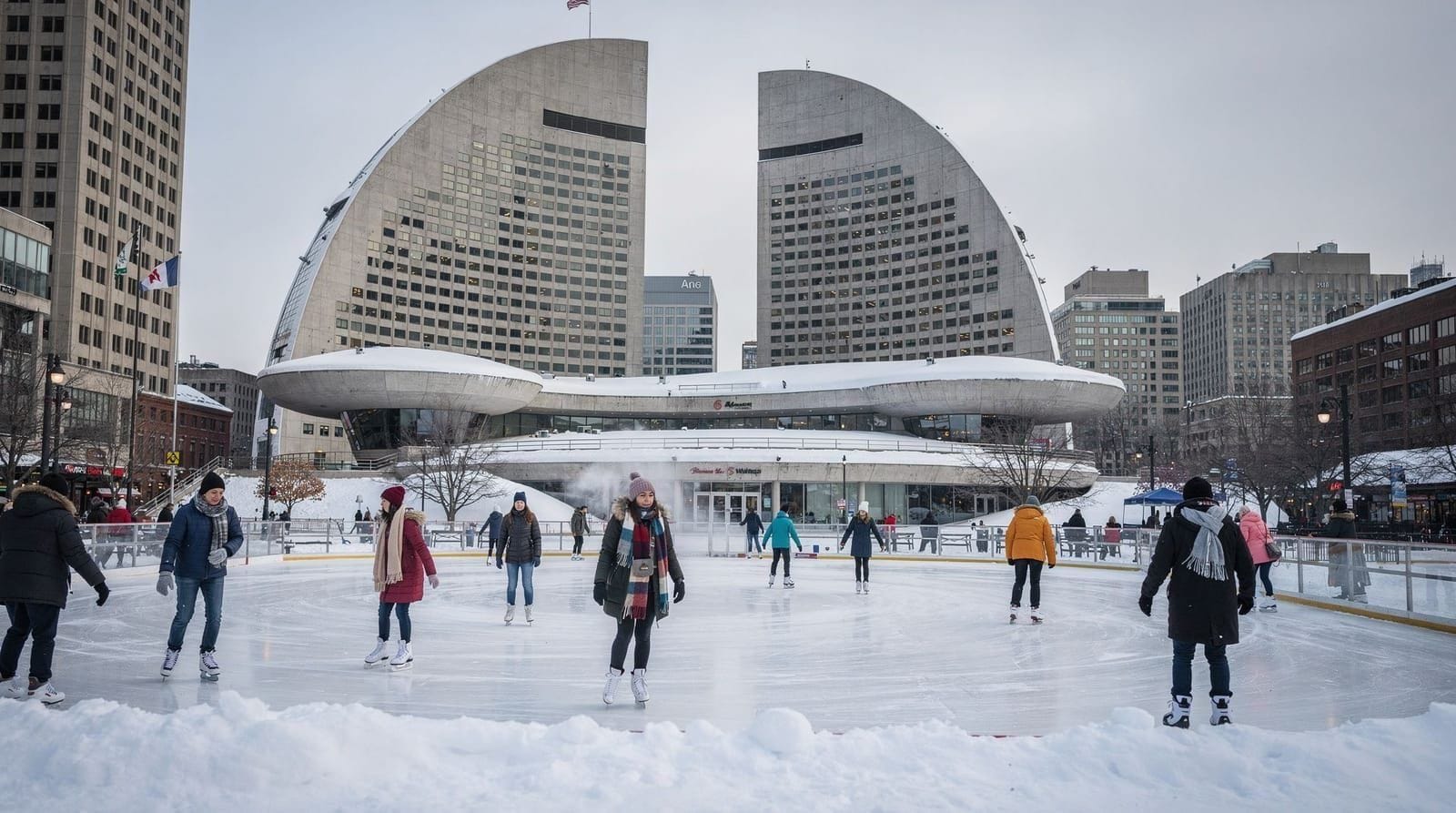
Toronto’s outdoor rinks are one of the season’s better value propositions, and the two best-known are both free. The Harbourfront Centre rink, on natural ice along the lake, and the Nathan Phillips Square rink outside City Hall are both open to the public with no admission charge, skate rentals available on-site for a modest fee if you don’t have your own. Neither requires advance booking.
The Distillery District runs a more polished, ticketed Winter Village experience with its own smaller artificial rink and a holiday market layered on top, which trades the free-rink simplicity for a more curated (and more crowded, more photogenic) setting. For a longer breakdown of rinks, hours, and how they compare, see the dedicated ice skating in Toronto guide.
What closes, and what doesn’t
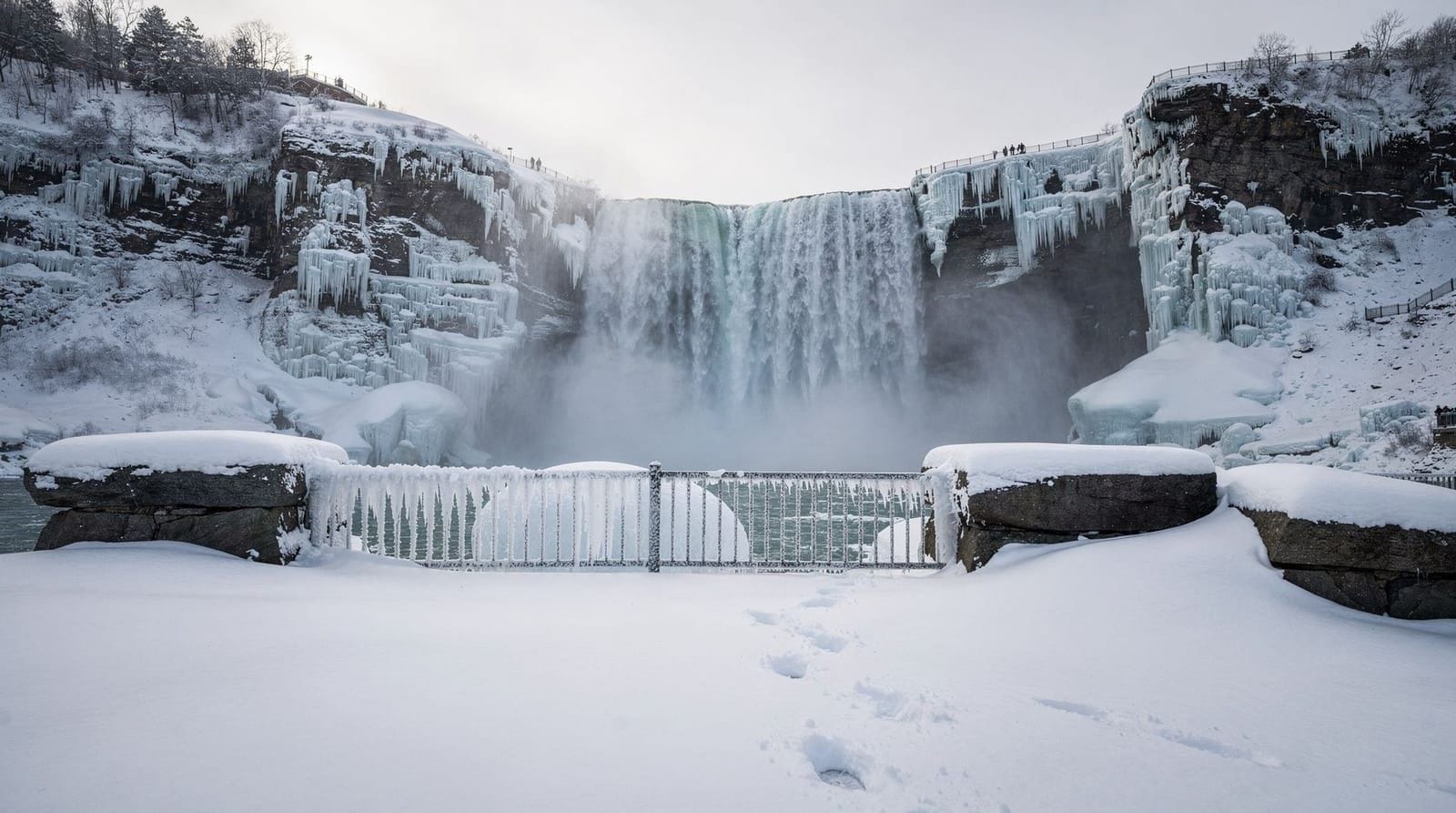
Winter is the season where Toronto’s regional day trips get meaningfully harder. Niagara Falls stays open year-round and the falls themselves are genuinely striking when partially frozen and rimmed with ice, but Journey Behind the Falls and the Hornblower boat cruises both close from November through April, cutting out two of the marquee Niagara experiences.
Muskoka’s resort season effectively ends after Thanksgiving weekend in October and most lake-based operators close for the winter, reopening only for a narrower slice of winter-specific activity like ice fishing or snowmobiling in a few spots. Algonquin Park stays accessible for winter hiking and cross-country skiing but loses its fall-foliage crowds and its canoe-rental infrastructure entirely.
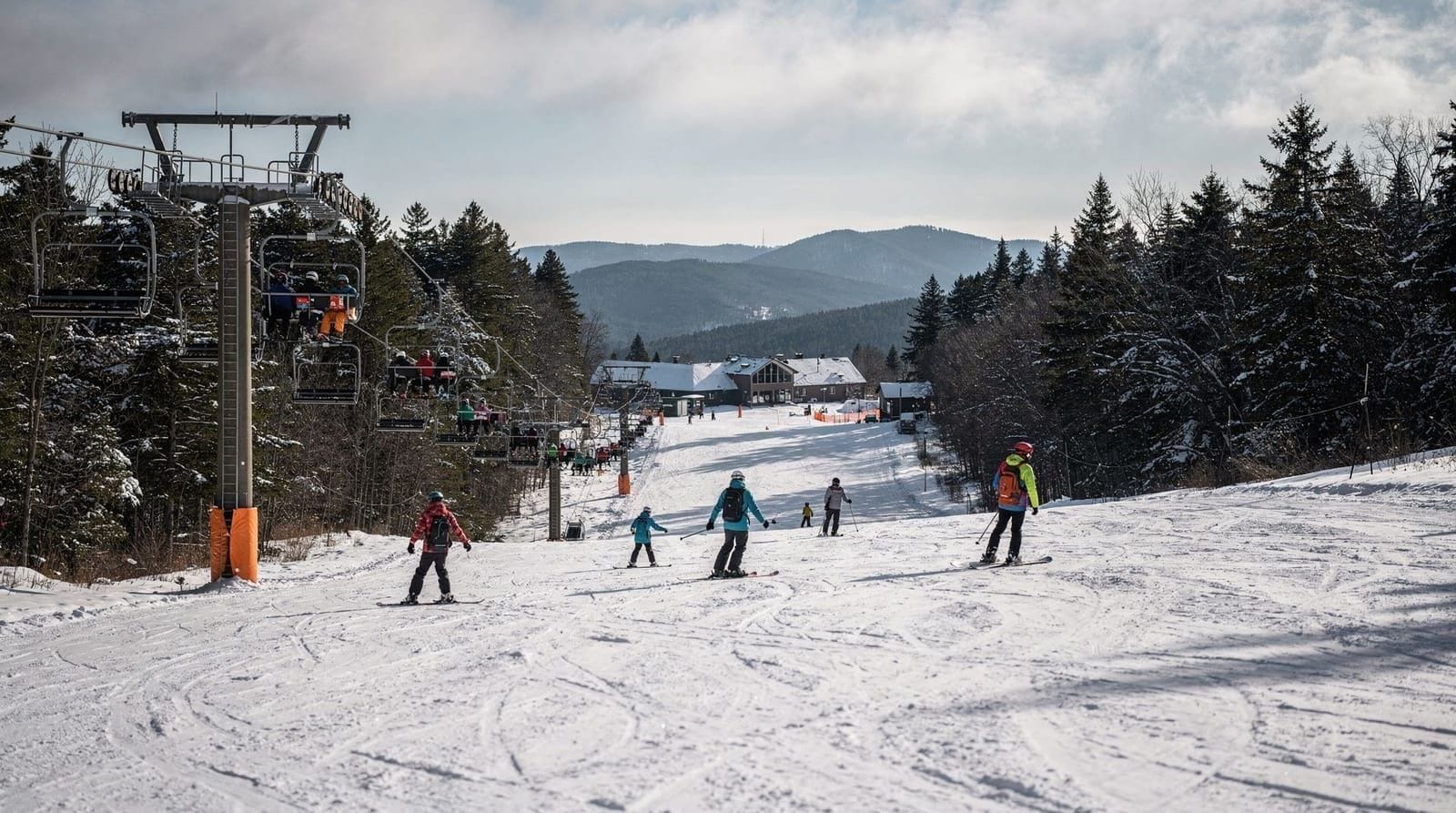
The one regional trip that genuinely improves in winter is Blue Mountain, about two hours north near Collingwood, which switches over to ski season and becomes one of the better reasons to leave the city between December and March. See the Blue Mountain skiing guide for lift ticket ranges and how the resort compares to competing hills.
Christmas markets, tree lightings, and the holiday stretch
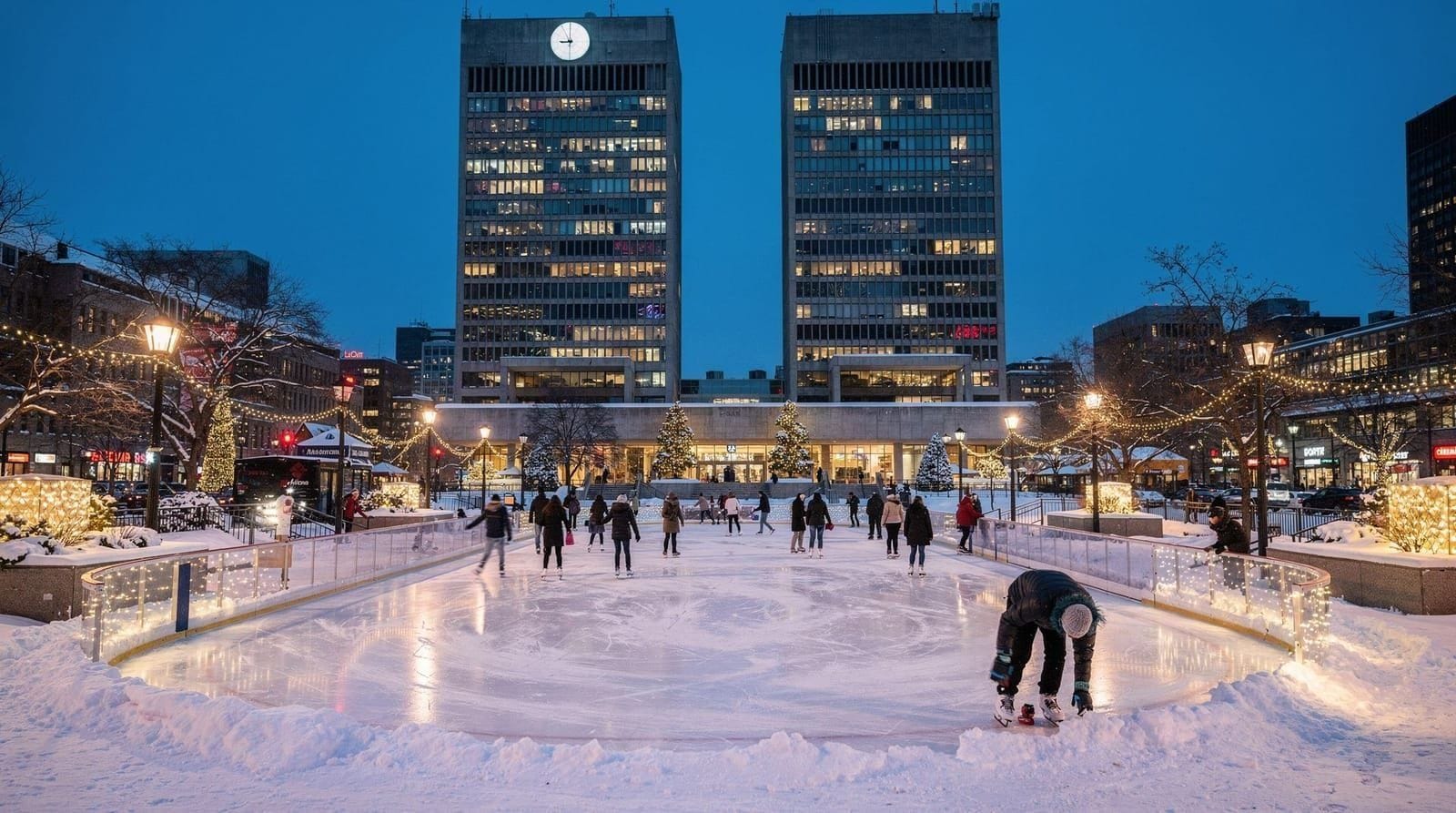
Late November through December layers a holiday season on top of the regular winter cold. The Cavalcade of Lights, held at Nathan Phillips Square, marks the unofficial start with a tree-lighting ceremony and fireworks, and the square’s skating rink and lights stay up through the following weeks.
The Toronto Christmas Market, staged in the Distillery District’s cobblestone lanes, runs a European-style market with vendor stalls, mulled wine, and a large lit tree, and is the closest thing the city has to a genuine Christmas-market atmosphere, though it’s ticketed on weekends and gets crowded fast in December evenings. The full rundown of what’s worth doing, what’s overpriced, and how to time a visit is in the Christmas in Toronto guide.
Budgeting for a winter trip
Winter is the cheapest season to visit Toronto by a meaningful margin. Hotel rates in January and February commonly run 30 to 40 percent below their summer peak, and flights outside the December holiday weeks follow a similar discount. A mid-range daily budget that runs 130 to 200 CAD in summer — factoring in accommodation, food, transport, and activities — often lands closer to 100 to 150 CAD a day in deep winter once accommodation costs drop.
Budget travelers willing to layer up and lean on free attractions like the outdoor rinks and museum free-admission evenings can realistically manage 70 to 100 CAD a day. The trade-off is daylight, warmth, and the loss of a handful of regional day trips — a fair exchange for some visitors, a dealbreaker for others.
What a first winter day in the city looks like
A realistic first day starts late by summer standards — there’s little reason to fight the dark before 8 a.m. — with breakfast near the hotel, then a morning at the Royal Ontario Museum or Art Gallery of Ontario while the coldest hours pass. Lunch at St. Lawrence Market breaks up the museum time and gets you outside briefly for the short walk over.
Afternoon skating at Nathan Phillips Square or the Harbourfront rink works well once the sun is higher and the wind has settled, followed by an early dinner reservation, since Toronto’s dinner rush starts earlier in winter as people avoid being out after dark for long stretches. It’s a slower, more deliberate pace than a summer itinerary crammed with outdoor stops, and that’s largely the point — winter travel here rewards fewer, better-chosen activities over a packed checklist.
Getting around without a car
Winter is arguably the season where not renting a car makes the most sense in Toronto. Street parking gets harder to find and more expensive to clear after snowfalls, and the subway and streetcar network runs reliably through all but the worst weather. Pearson International Airport connects to Union Station downtown via the UP Express train in 25 minutes for 12.35 CAD, avoiding a winter highway drive entirely. If your itinerary is purely urban — restaurants, museums, skating, holiday markets — a car adds cost and hassle without adding much value; it only becomes useful again if Blue Mountain or another regional day trip is on the agenda.
Indoor alternatives worth building a day around
With outdoor time naturally rationed by the cold, Toronto’s museum and gallery scene does more of the work in winter than in any other season. The Royal Ontario Museum and the Art Gallery of Ontario both anchor full afternoons comfortably, and St. Lawrence Market, a historic indoor food market a short walk from Union Station, works as both a lunch stop and a genuine attraction in its own right — the peameal bacon sandwich from Carousel Bakery is the market’s best-known order for a reason.
Kensington Market’s mix of vintage shops, cafés, and small restaurants holds up well in winter too, with the crowds thinner than the summer street-festival version of the neighborhood. For a broader list of what to do regardless of season, see things to do in Toronto and the downtown Toronto walking guide.
Arriving in winter and staying safe on the ice
Pearson International Airport handles winter weather routinely, but a significant snow event can still cause flight delays, so building a buffer of an extra hour or two before a tight connection is a reasonable precaution during the peak of winter. Once in the city, sidewalk ice is the most common source of minor injury for visitors unused to the conditions — side streets and less-trafficked areas get salted less consistently than main roads and subway station entrances, and testing footing rather than walking at a normal pace on unfamiliar stretches of sidewalk is worth the few extra seconds it costs. Waterproof boots with real winter tread do more to prevent a fall than any other single piece of gear.
Restaurants and the Winterlicious stretch
Restaurant culture leans indoors and toward comfort food once temperatures drop — ramen counters, hot pot spots, and steakhouse dining rooms all see a seasonal bump in Toronto’s already dense restaurant scene. The city’s prix-fixe dining promotion, commonly referred to as Winterlicious, runs participating restaurants across the city on set-price lunch and dinner menus for a set stretch each winter, and it’s a genuinely useful way to try higher-end kitchens — the kind that run 80 to 150 CAD a person on a normal night — at a fraction of the usual cost. Reservations for the more popular participants fill fast once the promotion is announced, so booking early matters more than the food itself in some cases.
Beyond the promotion, neighborhoods like Chinatown, Koreatown along Bloor Street, and the stretch of College Street through Little Italy all hold up well as winter destinations precisely because so much of the experience is indoors already — a bowl of noodles or a shared hot pot doesn’t lose anything to the cold outside.
New Year’s Eve and the quieter weeks after
Nathan Phillips Square hosts Toronto’s main public New Year’s Eve gathering, with a countdown and fireworks display that draws large crowds despite the cold — dressing for hours of standing outside matters more here than at almost any other winter event on the calendar. January and February, once the holiday decorations come down, are the city’s genuine off-season: hotel occupancy drops further, restaurant reservations get easier, and the crowds that fill the Distillery District and Harbourfront rinks in December thin out substantially. For travelers who dislike crowds more than they dislike cold, this stretch is arguably the best value window of the entire year.
Comparing a winter trip to the rest of the year
Winter isn’t a lesser version of a Toronto trip so much as a different one. Spring brings the cherry blossoms and milder, more unpredictable weather (see the Toronto in spring guide); summer brings the festivals, patios, and the highest prices of the year (the Toronto summer festivals guide covers the calendar); fall splits the difference with foliage and TIFF crowds (see the Toronto in fall guide).
Winter trades the regional day trips and outdoor time for the lowest costs, the thinnest crowds outside the holiday weeks, and a city that leans hardest on its indoor strengths — museums, markets, and restaurants. None of these is objectively the “right” season; the choice comes down to whether Niagara boat tours and lake country matter more to your trip than saving 30 to 40 percent on a hotel room.
Who winter actually suits
Winter suits travelers prioritizing budget, museums, restaurants, and a quieter, more local-feeling version of the city over beach days, boat cruises, or lake country. It doesn’t suit a first-time visitor whose primary goal is Niagara Falls boat tours or a Muskoka cottage-country day, both of which lose their signature experiences to seasonal closures. Families traveling with young children should also weigh the short daylight hours and genuine cold against the appeal of free skating rinks and holiday markets — workable, but requiring more indoor backup planning than a summer trip.
Frequently asked questions about Toronto in winter guide
What should I pack for Toronto in winter?
A proper insulated winter coat rated for -20°C, waterproof boots with good tread for icy sidewalks, thermal base layers, a hat that covers your ears, and gloves. Layering matters more than any single heavy item, since the PATH system and most attractions are heated and you'll be shedding layers indoors constantly.Is the PATH walkway really necessary in winter?
For anyone staying downtown, yes. The PATH connects roughly 30 kilometres of underground and indoor walkways linking hotels, office towers, food courts, and subway stations, which means you can cover a surprising amount of the financial district without stepping outside at all on the coldest days.Are there any outdoor day trips that still work in winter?
Blue Mountain, about two hours north, switches to ski season and is arguably better in winter than any other time of year. Niagara Falls stays open and the falls themselves are dramatic when partially frozen, though Journey Behind the Falls and Hornblower boat cruises close from November through April.How much cheaper is Toronto in winter than in summer?
Hotel rates in January and February often run 30 to 40 percent below July and August peaks, and flights follow a similar pattern outside the December holiday weeks. A mid-range trip that costs 180 to 200 CAD a day in summer can often be done for closer to 130 to 160 CAD a day in deep winter, once you account for lower accommodation costs.Does it snow every day in Toronto in winter?
No. Snow is frequent from December through March but rarely constant — the city gets a mix of clear, bitterly cold days and grey days with light snow, punctuated by the occasional larger snowfall or ice storm that can disrupt transit for a day or two.Is Toronto's winter colder than Montreal or Quebec City?
Generally comparable, though Toronto's Lake Ontario proximity moderates the extremes slightly compared to Montreal's more continental winter. Wind chill off the lake can still make downtown feel colder than the thermometer suggests, particularly near open plazas and the waterfront.