Toronto Islands: hidden gem
Fifteen minutes on a ferry and the skyline becomes scenery instead of surroundings
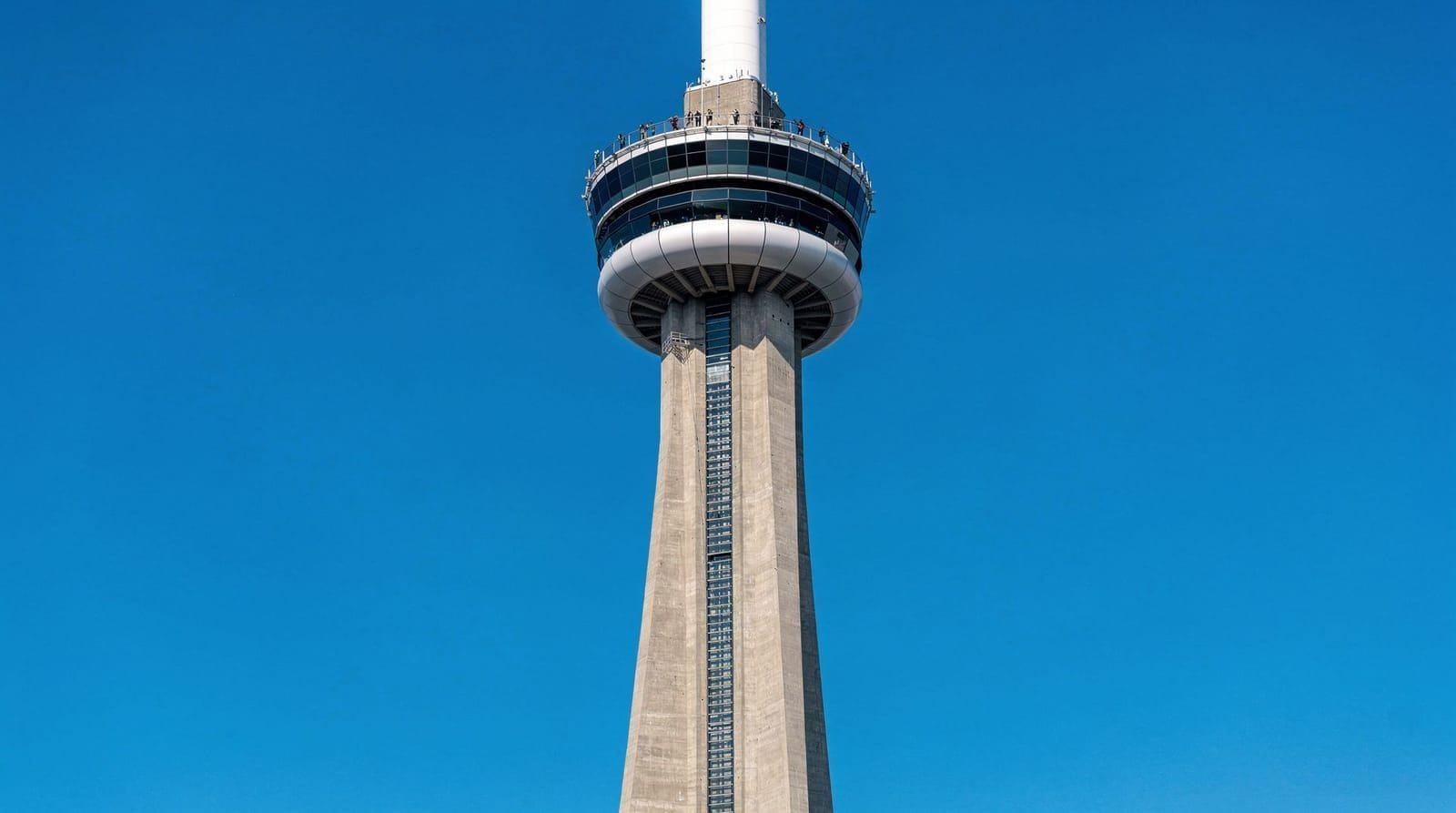
It’s a genuinely strange transition: the Jack Layton Ferry Terminal at the foot of downtown Toronto is a fifteen-minute walk from the CN Tower, and the ferry ride itself takes about the same amount of time again, yet stepping off onto the Toronto Islands feels less like a short boat trip and more like leaving the city outright. There are no cars beyond a handful of maintenance and emergency vehicles.
The pace drops immediately — people cycle rather than walk with purpose, kids run loose in a way that doesn’t happen on a downtown sidewalk, and the skyline that dominates every view from the mainland becomes, from the islands, a backdrop rather than the main event. For a city of Toronto’s size, having this kind of car-free, genuinely quiet green space a fifteen-minute ferry ride from the financial district is a rarer setup than it might seem.
| Where | Jack Layton Ferry Terminal, foot of Bay Street |
| Cost | Around $10-12 CAD return per adult |
| Time needed | Half a day minimum; a full day for all three areas |
| Getting there | 15-minute ferry from downtown |
| Best time | Weekday mornings or shoulder season to skip lines |
Three islands, three different moods
The Toronto Islands are technically an archipelago of small islands connected by bridges and footpaths, but three areas define most visits. Centre Island is the developed hub — Centreville Amusement Park, bike rentals, the main food concessions, and the busiest beaches, which makes it the right call for families with young kids but the wrong one if quiet is the goal.
Ward’s Island, on the east end, is the closest thing Toronto has to a genuine residential island community — about 250 homes, most built in the early-to-mid 20th century, on winding lanes with no car access, and a noticeably slower, more residential feel than the amusement-park energy of Centre Island. Hanlan’s Point, on the west end, holds the city’s clothing-optional beach (one of very few official ones in Canada), the island’s small airport, and a stretch of shoreline that gets meaningfully less foot traffic than either of the other two areas — the best bet if the goal is simply quiet and a swim.
The ferry logistics that actually matter
Ferries run from the mainland terminal to three separate docks — Centre Island, Ward’s Island and Hanlan’s Point — and a return ticket costs roughly $10-12 CAD for adults, cheaper for kids and seniors, with departures every 15-30 minutes depending on season and time of day. The genuinely important logistical note: on hot summer weekends, particularly long weekends, ferry lines can run well over an hour, and the terminal doesn’t guarantee you’ll get on the next boat if it’s at capacity. Arriving before 11am on a summer Saturday, or picking a weekday, avoids most of that entirely — the difference between a five-minute wait and an hour-plus one is almost entirely about timing rather than luck.
Seeing it from the water rather than just standing on it
A harbour cruise that loops around the islands before or after a land visit gives a genuinely different perspective on the archipelago’s layout — the guided harbour and islands sightseeing cruise covers this in about an hour, useful for visitors who want the postcard skyline shot without committing a full day to island time.
For something more active, the Toronto Islands morning or twilight bike tour covers considerably more ground than walking allows in the same window, and the twilight departure times its return to catch the skyline lighting up as the sun sets — one of the better underrated photo opportunities in the city, since most visitors only ever see the islands in full daylight.
What locals actually do out there that visitors miss
Toronto residents with islands access — a annual membership or repeat visits — tend to gravitate toward things that don’t make most first-timer itineraries: a slow bike loop of the full archipelago’s connected paths, which takes 2-3 hours at an easy pace and covers all three main areas; a picnic on one of the quieter beaches away from Centre Island’s concession stands; and, in the early evening, watching planes land at Billy Bishop Airport from one of the west-end viewpoints near Hanlan’s Point, an odd but genuinely popular local pastime.
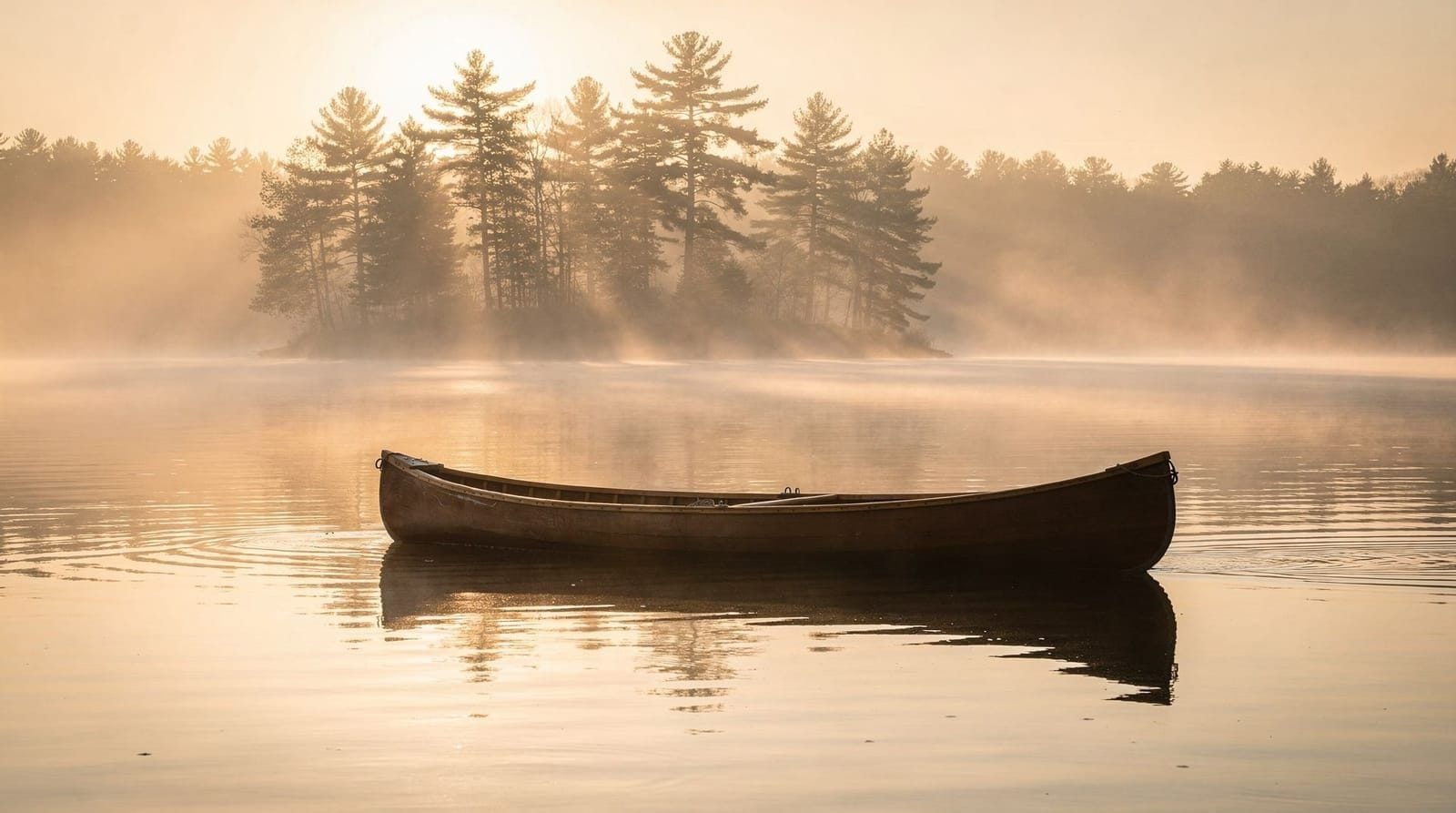
The Toronto Islands sunset canoe tour gets at a similar quiet-hours version of the islands from the water, paddling the lagoons between islands as the day winds down.
The honest caveat: it’s busiest exactly when you’d want to go
The islands’ appeal is strongest on a hot, clear summer day, which is unfortunately also when ferry lines and beach crowds peak — there’s no way around that tension entirely, though weekday visits and early arrivals meaningfully reduce it. Shoulder-season visits (late spring, early fall) trade some of the beach-day energy for a much calmer, less crowded version of the same scenery, and are underrated for that reason.
Getting there and what to bring
The ferry terminal is a short walk from Union Station, reachable by TTC or a fifteen-minute walk from the downtown core — see our Harbourfront destination guide for the walk from downtown. Bring sunscreen and water regardless of season, since shade is limited across most of the open beach areas, and cash or a card for concession stands, since not every vendor accepts both. Full logistics, ferry schedules and a suggested itinerary are in our Toronto Islands guide and things to do on Toronto Islands guide.
A brief history of how the islands became islands
The Toronto Islands weren’t always islands — until an 1858 storm cut a channel through what had been a peninsula, the area was a single connected sandbar extending from the mainland. That accident of weather created the archipelago that exists today, and the islands have cycled through several identities since: a 19th-century amusement destination reachable by steamship, a mid-20th-century residential community that the city government at one point tried to demolish entirely to build parkland (a fight the Ward’s Island residents won, which is why the community survives today), and now a hybrid of residential, recreational and parkland use that’s genuinely unusual for a piece of land this close to a major downtown core.
What the islands look like across the seasons
Most visitor content, understandably, focuses on the islands in summer, but the off-season versions are worth knowing about. Fall brings a quieter, golden-light version of the same scenery, with the ferry lines gone entirely and a noticeably crisper view back toward the skyline. Winter closes most concessions and some ferry routes scale back, but the islands stay accessible for anyone willing to bundle up for a walk across frozen or near-frozen lagoons — a genuinely striking, little-visited version of the same landscape that summer crowds never see; our Toronto in winter guide covers what’s actually open.
Spring brings the return of ferry service to full capacity and the first blooms, generally a good shoulder-season window with thinner crowds than summer but warmer weather than the depths of winter, while the Toronto in fall guide makes the case for the golden-light shoulder season on the other end of the calendar.
Practical notes on food and facilities
Food options directly on the islands are more limited than downtown, concentrated mostly around the Centre Island dock area, so bringing a packed lunch is a reasonable strategy if you’re planning to spend the day at Ward’s Island or Hanlan’s Point, both of which have minimal concession infrastructure. Washroom facilities exist at each dock area but are more sparse than a typical city park once you’re away from the main hubs, worth factoring in for trips with young kids.
Day trip or full day: how much time to actually budget
A half day is enough to cover Centre Island and a walk toward Ward’s Island, but seeing all three areas — Centre Island, Ward’s Island and Hanlan’s Point — properly takes a genuinely full day, especially if biking rather than walking between them. Our Toronto Islands day trip guide lays out both a half-day and full-day version so you can pick based on the rest of your itinerary, and the Toronto Islands destination guide covers the archipelago’s layout in more depth than fits here.
Photo ops most visitors miss
Beyond the obvious skyline shot from the Centre Island boardwalk, the islands have a handful of angles that don’t show up in most trip reports — the boardwalk near Olympic Island at golden hour, the quiet lagoons between Ward’s and Algonquin Island for reflection shots, and the west-end shoreline near Hanlan’s Point at sunset, when the departing ferries silhouette against the water. Our best Instagram spots in Toronto post rounds up island shots alongside mainland ones if photography is a priority for the trip.
Visiting with kids versus without
Centre Island’s amusement park and splash pads make the islands an easy win with young kids, but the calculus changes without them — Ward’s Island and Hanlan’s Point reward a slower, quieter pace that a family with toddlers in tow can’t always indulge. Our Toronto with kids guide has the fuller family-logistics picture, including which ferry departure times tend to be less crowded with school groups.
How do I get to the Toronto Islands?
By ferry from the Jack Layton Ferry Terminal near Union Station, a roughly fifteen-minute crossing to one of three docks (Centre Island, Ward’s Island, Hanlan’s Point). Return tickets cost roughly $10-12 CAD for adults.
Which Toronto Island should I visit first?
Centre Island for families and amusement park attractions, Ward’s Island for a quieter residential feel, and Hanlan’s Point for beaches and the least foot traffic — most first-time visitors do best starting at Centre Island and walking or cycling toward the others.
How long do ferry lines get in summer?
On hot summer weekends, especially long weekends, lines can exceed an hour. Arriving before 11am or visiting on a weekday avoids most of the wait.
Is Hanlan’s Point beach really clothing-optional?
Yes — it’s one of very few officially designated clothing-optional beaches in Canada, located at the western end of the island chain, separate from the family-oriented Centre Island beaches.
Can I bike around the whole island chain?
Yes — a full loop of the connected paths across the main islands takes roughly 2-3 hours at an easy pace, and bikes can be rented near the Centre Island dock or brought over on the ferry for a fee.
Are the Toronto Islands worth visiting in winter?
Yes for anyone comfortable with cold-weather walking — most concessions close and ferry frequency drops, but the frozen-lagoon scenery is genuinely striking and the islands are nearly empty, a completely different experience from the summer crowds.
Do I need a full day, or is a half day enough?
A half day covers Centre Island and part of Ward’s Island comfortably; a full day is worth setting aside if you want to see all three main areas, especially by bike rather than on foot.