Muskoka hiking and canoeing guide
Muskoka: High Falls, Hardy Lake & Huckleberry Rock Tour
What is the best hike in Muskoka?
Huckleberry Rock Lookout, near Bala, is Muskoka's most rewarding short hike — a roughly 2.5 km round trip climbing to a granite outcrop with sweeping views over Bala Bay, doable in under 2 hours. For paddling, Hardy Lake Provincial Park offers calm, undeveloped water close to the same access point.
Muskoka’s outdoors identity is lakes first, trails second
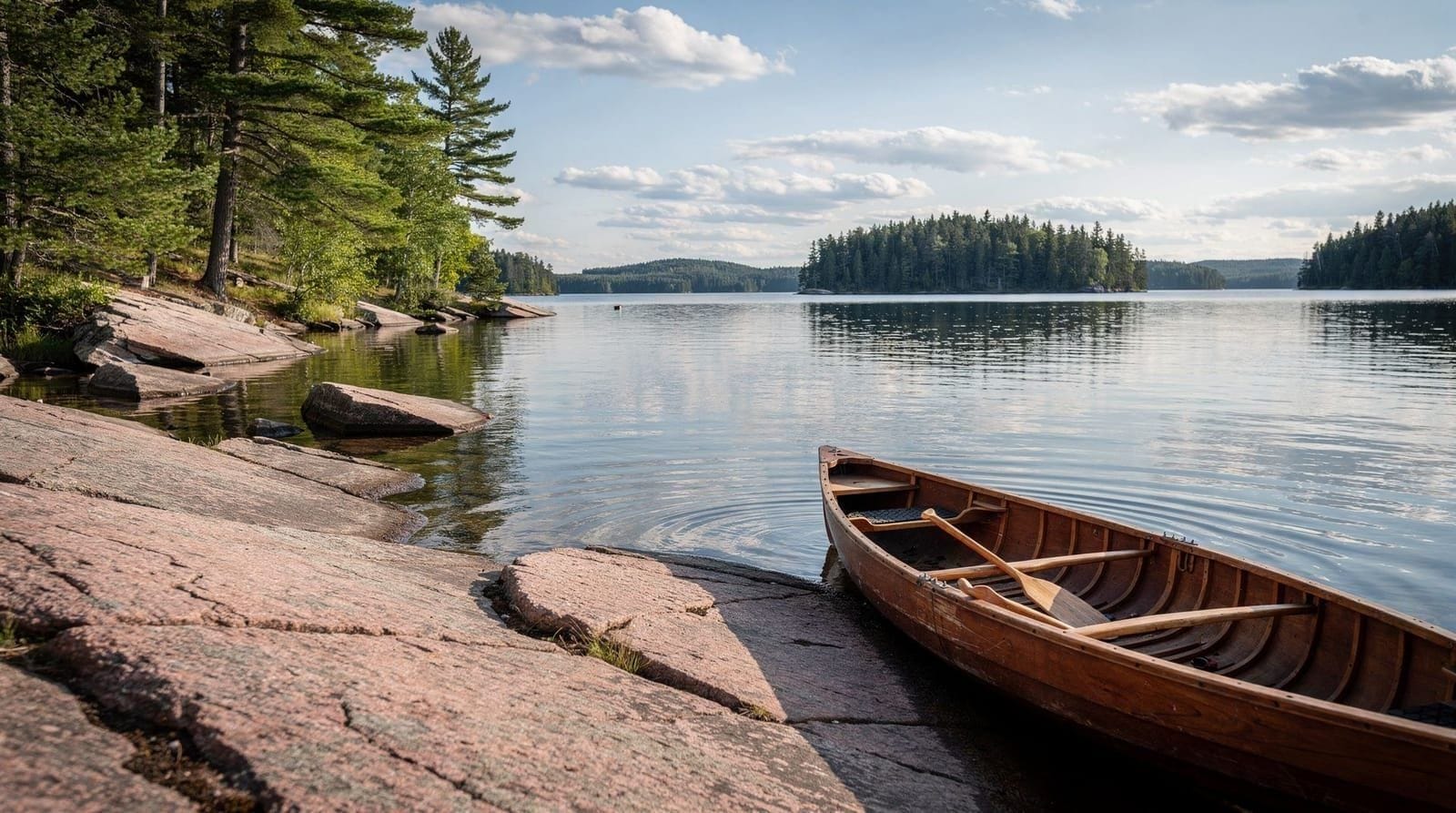
Muskoka is built around roughly 1,600 lakes and the cottage culture that grew up around them, which means the region’s outdoor recreation leans harder toward paddling and swimming than the trail networks found in Algonquin or along the Niagara Escarpment. That said, Muskoka has a genuine, underrated set of short hikes and accessible canoe routes — mostly clustered around Bala, Bracebridge, and Gravenhurst — that reward a focused day trip without requiring backcountry planning.
| Where | Mostly clustered around Bala, roughly 2 hours from Toronto |
| Best hike | Huckleberry Rock Lookout, ~2.5 km round trip, under 2 hours |
| Best paddle | Hardy Lake Provincial Park, calm and undeveloped |
| Cost | Free trail access; canoe/kayak rentals typically by the hour |
| Getting there | Car essential — no public transit to trailheads |
Why the granite matters for trail planning
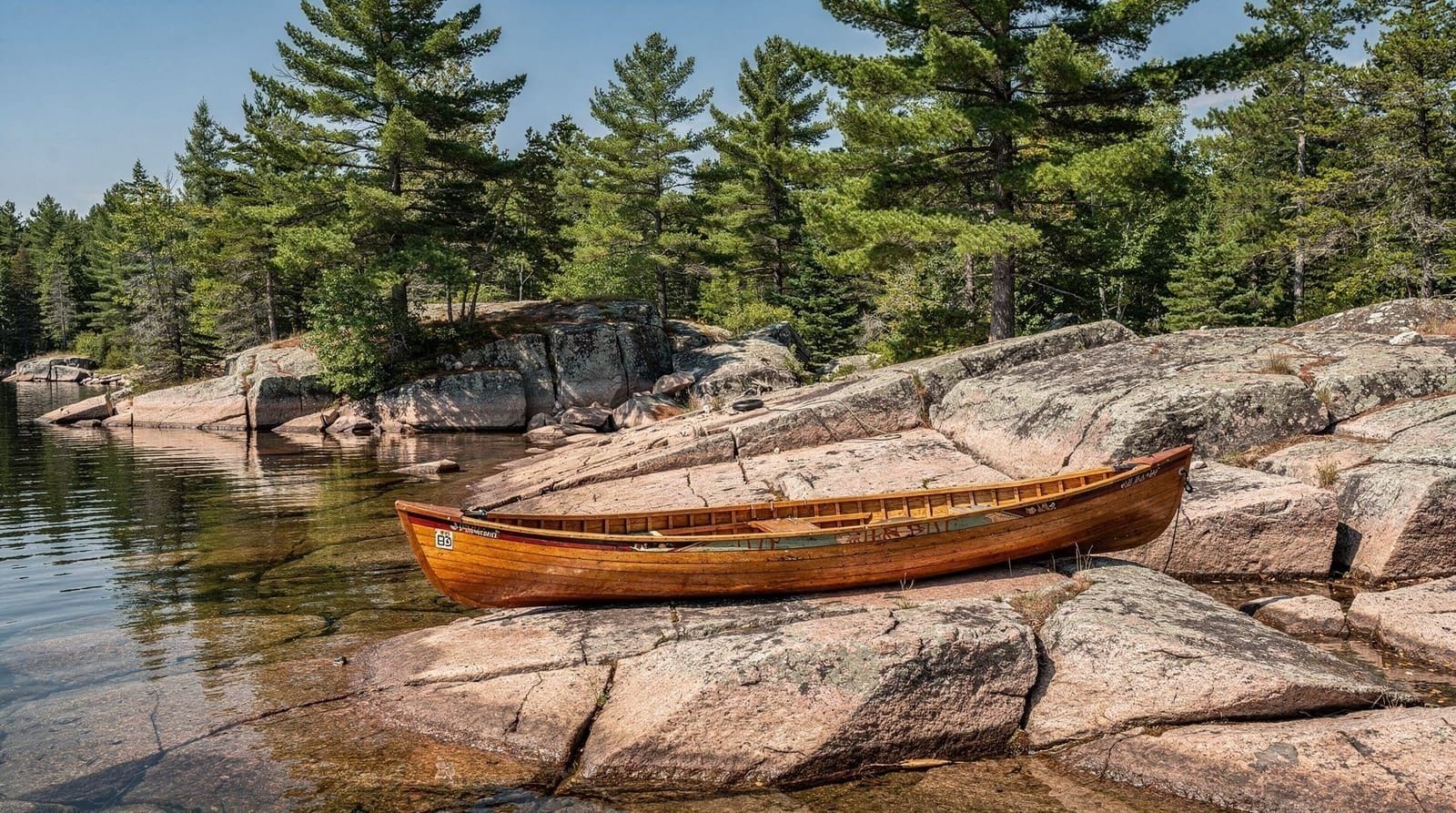
Muskoka sits on the same Canadian Shield bedrock that underlies Algonquin further north, meaning trails here share the same exposed-granite footing and steep, short climbs rather than the softer, deeper-soil terrain found in southwestern Ontario’s conservation areas. Trails can look deceptively short on a map while still involving real elevation change over uneven rock — worth keeping in mind when comparing Muskoka’s hikes against flatter regional alternatives.
Huckleberry Rock Lookout — Muskoka’s best short hike
Huckleberry Rock, accessed from a trailhead near Bala, is a roughly 2.5 km round-trip hike climbing over exposed granite (Canadian Shield bedrock, the same formation underlying most of Muskoka and Algonquin) to a lookout over Bala Bay and the surrounding lake country. It’s a moderate climb — enough elevation gain to feel worthwhile, not so much that it needs half a day — and consistently the most recommended hike in the region for visitors without a full day to spend. Combined with a paddle on nearby Hardy Lake, it makes a strong half-day outdoors itinerary, which is exactly what the main GYG tour covering this area packages together:
Muskoka: High Falls, Hardy Lake & Huckleberry Rock tourHardy Lake Provincial Park — calm water close to Bala
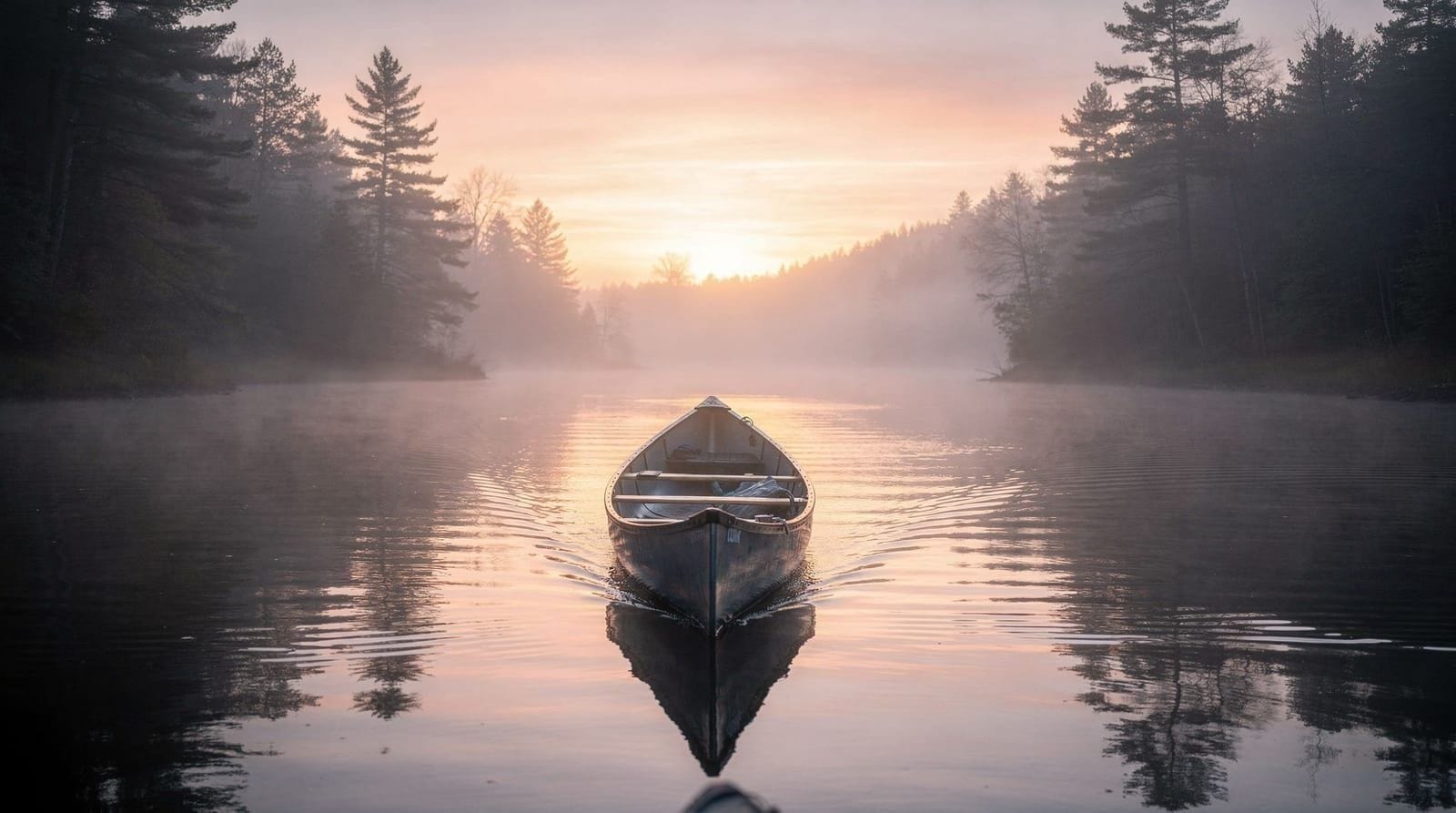
Hardy Lake Provincial Park, a non-operating (undeveloped) provincial park near Bala, offers a genuinely quiet paddling option: no motorized boats, minimal shoreline development, and marked hiking trails around the lake’s perimeter in addition to canoe access. It’s a good pairing with Huckleberry Rock since both are reached from roughly the same area, and Hardy Lake’s calm, sheltered water suits paddlers who aren’t looking for a big-lake crossing.
Torrance Barrens Dark Sky Preserve
Torrance Barrens, southwest of Bala, is one of Ontario’s first officially designated dark sky preserves — a landscape of exposed granite barrens, small ponds, and scattered pine that’s as much a stargazing destination as a hiking one. The main trail network is a loose set of interconnected paths across open rock rather than a single defined route, and while daytime hiking here is pleasant (flat, open terrain with long sightlines), the real draw is visiting after dark for genuinely dark skies within a couple of hours of Toronto — bring a red-light headlamp to preserve night vision and check the moon phase before planning a visit.
Bala Falls
Bala itself, the small town at the heart of this cluster of trails, has its own falls running directly through the downtown core — Bala Falls, a series of rapids and drops on the Moon River, visible from a short riverside walk without requiring any real hiking effort. It’s a reasonable stop before or after tackling Huckleberry Rock, and Bala’s small downtown offers lunch options within walking distance of the falls.
High Falls and Bracebridge Falls
Bracebridge, Muskoka’s largest town, has two accessible waterfalls within its boundaries: Bracebridge Falls, a short walk from the downtown core and easily combined with a stop at the town’s shops and restaurants, and High Falls, a short drive outside town with a more substantial drop and swimming pools below it in summer (check current safety advisories before swimming, since flow varies seasonally). Neither requires more than a short walk from parking, making them easy additions to a driving day trip rather than a dedicated hiking destination.
Canoeing the Muskoka Lakes
The three large interconnected lakes — Muskoka, Rosseau, and Joseph — form Muskoka’s core cottage country and are technically paddleable in their entirety, though the open water and heavy motorboat and seasonal traffic on the main lakes make them less appealing for a relaxed canoe outing than smaller, quieter water. For actual paddling rather than sightseeing, smaller lakes and provincial parks like Hardy Lake or Six Mile Lake Provincial Park (further north near Port Severn) offer calmer conditions. Canoe and kayak rentals are widely available through outfitters in Bracebridge, Port Carling, and Huntsville, typically by the hour or day.
Six Mile Lake Provincial Park
Further north near Port Severn, Six Mile Lake Provincial Park offers another quiet paddling option away from the busier main lakes, with several short shoreline hiking trails alongside its canoe and kayak access points. It’s a reasonable stop if you’re heading toward Georgian Bay or combining a Muskoka visit with points further north, and generally sees lighter traffic than the more central Bala-area sites.
Kayaking versus canoeing in Muskoka
Given the mix of open big-lake water and calmer sheltered bays across the region, kayaks (particularly sit-on-top or touring kayaks) are a popular alternative to canoes for solo paddlers or those wanting a bit more stability and speed on open crossings. Most Muskoka outfitters rent both, and the choice mostly comes down to personal preference and whether you’re paddling solo or with a partner — canoes carry more gear and are easier for two people to share the workload, while kayaks track straighter in wind and chop.
Fall colour hiking in Muskoka
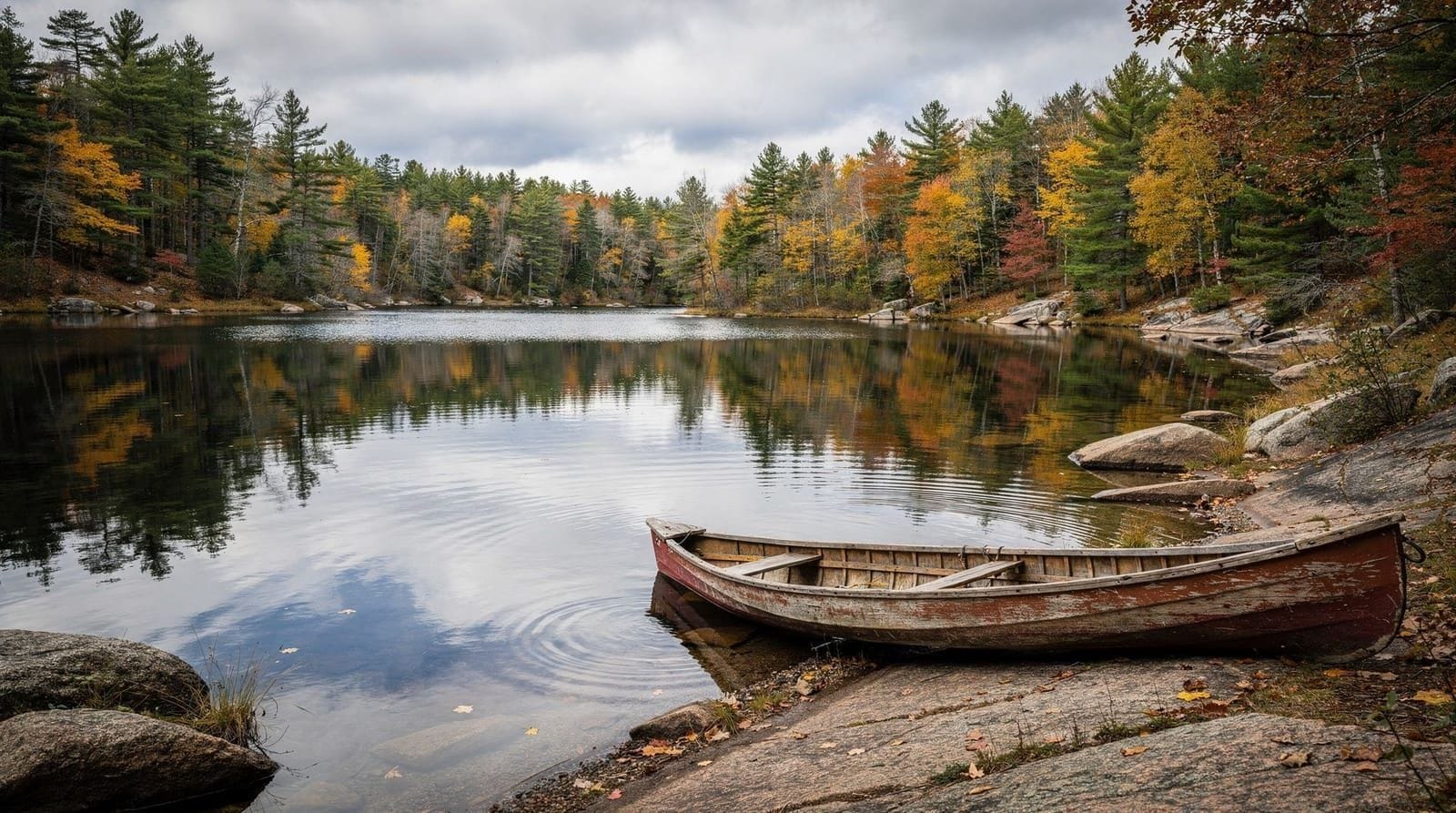
Muskoka’s mixed hardwood-and-conifer forest turns in late September into early October, roughly the same window as Algonquin though sometimes a few days behind depending on the season. Huckleberry Rock and the Torrance Barrens trails are both strong fall-colour hikes given their open viewpoints, and unlike Algonquin’s Highway 60 corridor, Muskoka’s trailheads generally don’t hit hard capacity limits during peak colour weekends — a real advantage if you want fall foliage without the crowd management of the provincial park.
Port Carling and the lock system
Port Carling, at the connecting point between Lake Muskoka and Lake Rosseau, is home to a historic lock system that’s worth a stop even outside a hiking or paddling itinerary — watching boats cycle through the locks is a genuine local pastime, and the small shops and restaurants clustered nearby make a reasonable lunch stop if you’re touring the region by car between trailheads. It’s not a hiking destination itself, but its central location makes it a practical waypoint between Bala’s trails and Huntsville further north.
Combining a Muskoka outdoors day with the wider region
Because Muskoka’s best short hikes and paddling access points cluster fairly tightly around Bala, a single day can reasonably combine Huckleberry Rock, Hardy Lake, and a stop in Bala’s small downtown without extensive driving between stops — a more compact itinerary than Algonquin, where the drive from Toronto alone eats a significant chunk of the day. This makes Muskoka a stronger option than Algonquin for visitors wanting genuine outdoor activity without committing to a full-day round trip.
Practical notes
Muskoka’s trail network is far less signed and maintained than Algonquin’s — most hikes here are on Crown land, conservation authority property, or provincial park land with minimal infrastructure beyond a trailhead sign and parking area. Cell service is generally better than deep in Algonquin, since Muskoka’s towns keep coverage fairly consistent along main routes, though it thins out on the barrens and more remote lake shorelines. A car is essential for reaching any of these trailheads — there’s no public transit connecting them.
For the broader region beyond hiking and paddling, see things to do in Muskoka and Muskoka day trip from Toronto for how to structure a full day or weekend visit. If you’re deciding between a Muskoka-based outdoors trip and Algonquin’s more developed trail and canoe network, Muskoka vs Algonquin guide breaks down the practical differences, and best canoe routes in Algonquin covers the more extensive backcountry paddling network an hour or so further north.
Frequently asked questions about hiking and canoeing in Muskoka
How long does the drive from Toronto to Muskoka’s trailheads take?
Roughly 2 hours to the Bala area, where most of the region’s best short hikes (Huckleberry Rock, Torrance Barrens) and paddling access points are clustered.
Is Huckleberry Rock hard to climb?
It’s a moderate hike — around 2.5 km round trip with a genuine but short climb over granite, manageable for most fitness levels in under 2 hours, though sturdy footwear helps on the exposed rock sections.
Can I canoe in Muskoka without renting equipment in advance?
Outfitters in Bracebridge, Port Carling, and Huntsville generally have rental stock available without advance booking outside peak summer weekends, but reserving ahead for July and August Saturdays avoids disappointment.
Is Muskoka good for stargazing?
Yes — Torrance Barrens is an officially designated Dark Sky Preserve and one of the most accessible genuinely dark-sky sites within a few hours of Toronto, though a clear night and minimal moonlight make the biggest difference.
Are Muskoka’s hiking trails busy like Algonquin’s?
Generally less so. Muskoka’s trailheads rarely reach the hard capacity limits that Algonquin’s Highway 60 corridor sees during fall colour weekends, though popular spots like Huckleberry Rock do get busy on summer weekends.
Can I swim at High Falls or Bracebridge Falls?
Swimming below High Falls is popular in summer when flow allows, though conditions vary by season and rainfall — check current local advisories before swimming, since currents near any waterfall can be stronger than they look.
Should I rent a canoe or a kayak in Muskoka?
It depends on the trip — canoes suit two paddlers sharing gear and effort, while kayaks generally track straighter and handle open-water chop better for solo paddlers. Most outfitters in Bracebridge, Port Carling, and Huntsville rent both, so trying each if you’re unsure is a reasonable approach on a first visit.
Can I hike and canoe in Muskoka in the same day?
Yes, easily — Huckleberry Rock and Hardy Lake Provincial Park sit close enough together near Bala that pairing a morning hike with an afternoon paddle is a standard half-day itinerary in the region.
Do I need to stay at a resort to hike and canoe in Muskoka?
No — all of the trails and paddling access points covered here are open to day visitors regardless of where you’re staying. Our Muskoka family resorts guide covers the resort side of a Muskoka trip if you’re combining a hiking day with a longer lake-based stay.
Top experiences
Bookable activities with verified prices and instant confirmation on GetYourGuide.