Things to do in Muskoka
Muskoka: High Falls, Hardy Lake & Huckleberry Rock Tour
What are the best things to do in Muskoka?
Hike to High Falls and Hardy Lake, explore Bracebridge and Port Carling on foot, and get out on one of the lakes by boat or canoe — Muskoka is built around water, so budget time on it rather than just around it.
Cottage country’s public side
Muskoka has a reputation as private cottage-and-dock territory — and for a lot of the lakeshore, that’s accurate; much of the best waterfront is owned by families who’ve held it for generations and isn’t accessible to visitors. But there’s a genuine, public side to the region built around waterfalls, provincial-style parks, small lake towns, and rock-cut hiking trails that don’t require knowing someone with a boathouse. This guide covers what’s actually open to day visitors.
Muskoka sits about 2 hours north of Toronto by Highway 400/11, centered on the towns of Bracebridge, Huntsville, Port Carling, and Gravenhurst. Unlike Niagara or Ottawa, it’s a region rather than a single destination — most visitors base themselves in one town and use it as a hub for a few days rather than trying to cover the whole area in one trip.
| Where | Bracebridge, Huntsville, Port Carling, Gravenhurst — about 2hrs north of Toronto |
| Cost | Mostly free or low-cost by day; lodging runs higher than average in peak summer |
| Time needed | 2–3 days to cover the falls, one or two towns, and lake time without rushing |
| Getting there | Highway 400/11; a car is strongly recommended |
| Best time | Late May–October for the fullest range of open options; late Sept–early Oct for foliage |
High Falls, Hardy Lake, and Huckleberry Rock
The strongest single day-activity in the region combines three natural landmarks: High Falls on the Muskoka River (a wide, powerful cascade you can walk right up to), Hardy Lake Nature Reserve (a quieter provincial park with trails through Canadian Shield forest), and Huckleberry Rock, a lookout point with sweeping views over the lakes below. Doing all three independently means juggling three separate drives and trailheads; a guided tour handles the logistics and adds context on the geology and history you’d otherwise miss.
Muskoka: High Falls, Hardy Lake & Huckleberry Rock tourBracebridge, Port Carling, and Huntsville
Bracebridge, Muskoka’s largest town, sits directly on the Muskoka River with a waterfall (Bracebridge Falls) running right through downtown — a genuinely striking bit of urban planning that most visitors don’t expect. The town’s short main strip has enough cafés and shops for an easy afternoon, and it makes a practical base for exploring the wider region; see Muskoka day trip from Toronto for a route built around it.
Port Carling, on the narrows between Lake Rosseau and Lake Muskoka, is smaller and more upscale — a good stop for boat-watching at the historic locks (still hand-operated) and browsing the handful of high-end shops that cater to the surrounding cottage community.
Huntsville, further north, is the gateway town for Algonquin Provincial Park and worth a stop if you’re combining the two regions — see Muskoka vs Algonquin guide for how to split time between them. Huntsville’s downtown also anchors Lake Vernon and Fairy Lake, with a public beach and a walkable strip of restaurants that make it a comfortable overnight base if you’re planning an early start into Algonquin the next morning.
Orillia, technically at the southern edge of the wider Muskoka region on Lake Couchiching, is smaller and less polished than Bracebridge or Huntsville but has its own waterfront charm and a notable literary connection as the setting that inspired Stephen Leacock’s satirical writing about small-town Ontario life — worth a stop if you’re approaching Muskoka from the south via Highway 11 rather than committing a separate day to it.
Muskoka Wharf and family activities
At the Gravenhurst end of the region, Muskoka Wharf combines the steamship departure dock with shops, restaurants, and the Segwun and Wenonah II vessels — a good starting point if you’re travelling with a mix of ages and want a low-effort morning before a more active afternoon. The wharf area also hosts the Muskoka Wildlife Centre nearby, a rescue-and-rehabilitation facility open for visits, which works well as a rainy-day or family-focused stop that doesn’t depend on cooperative weather the way the hiking and lake activities do.
Hiking and canoeing on the lakes
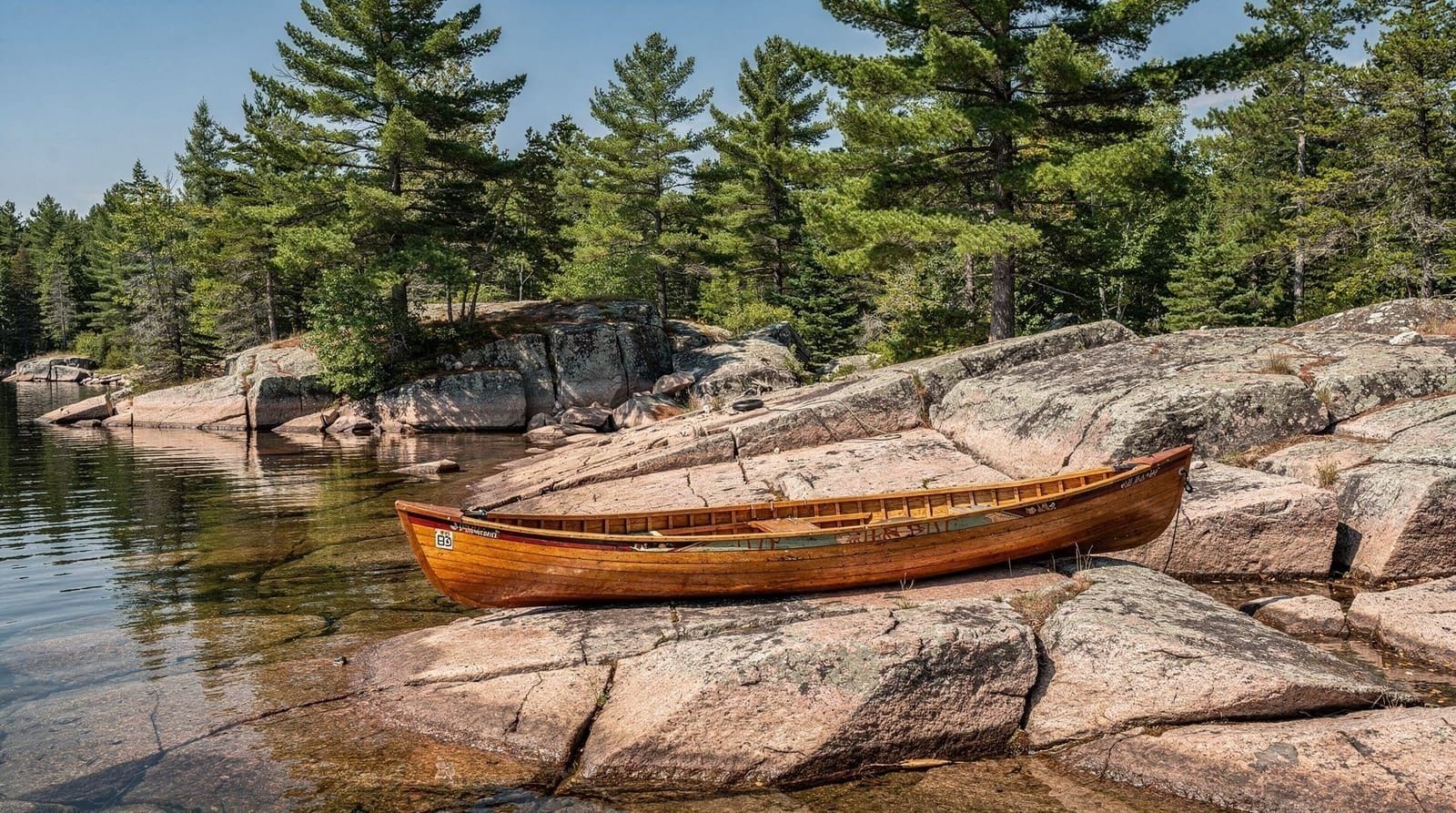
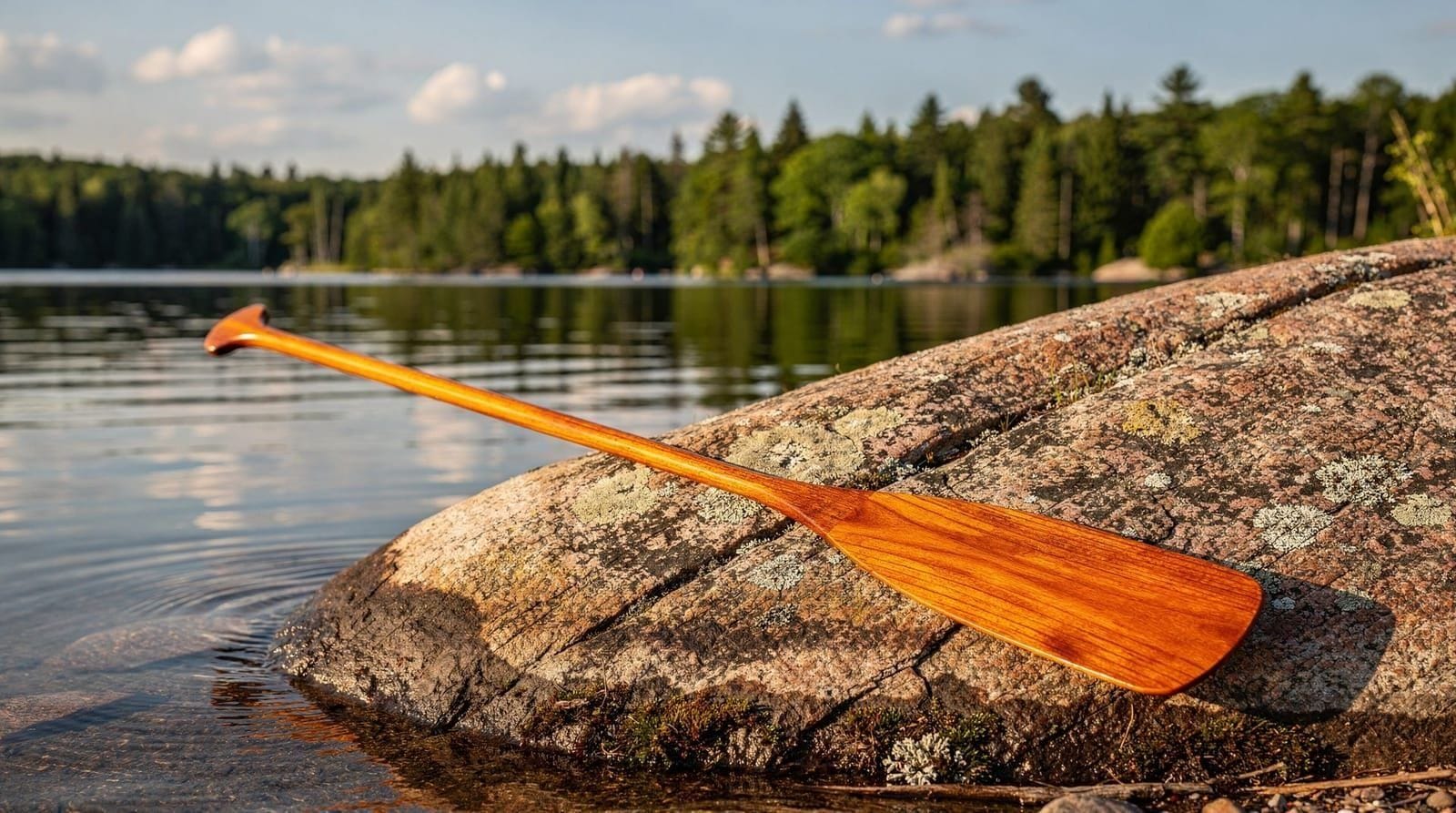
Muskoka’s Canadian Shield terrain — exposed granite, pine forest, and thousands of lakes — makes it strong hiking and paddling territory even outside Algonquin’s more famous backcountry. Torrance Barrens Dark Sky Preserve, one of the few protected dark-sky areas within driving distance of Toronto, is worth a visit after sunset if you’re staying overnight; it’s also a good short hiking loop during the day. For a fuller list of trails and canoe put-in points, see the Muskoka hiking and canoeing guide.
Fall foliage — Muskoka’s peak season
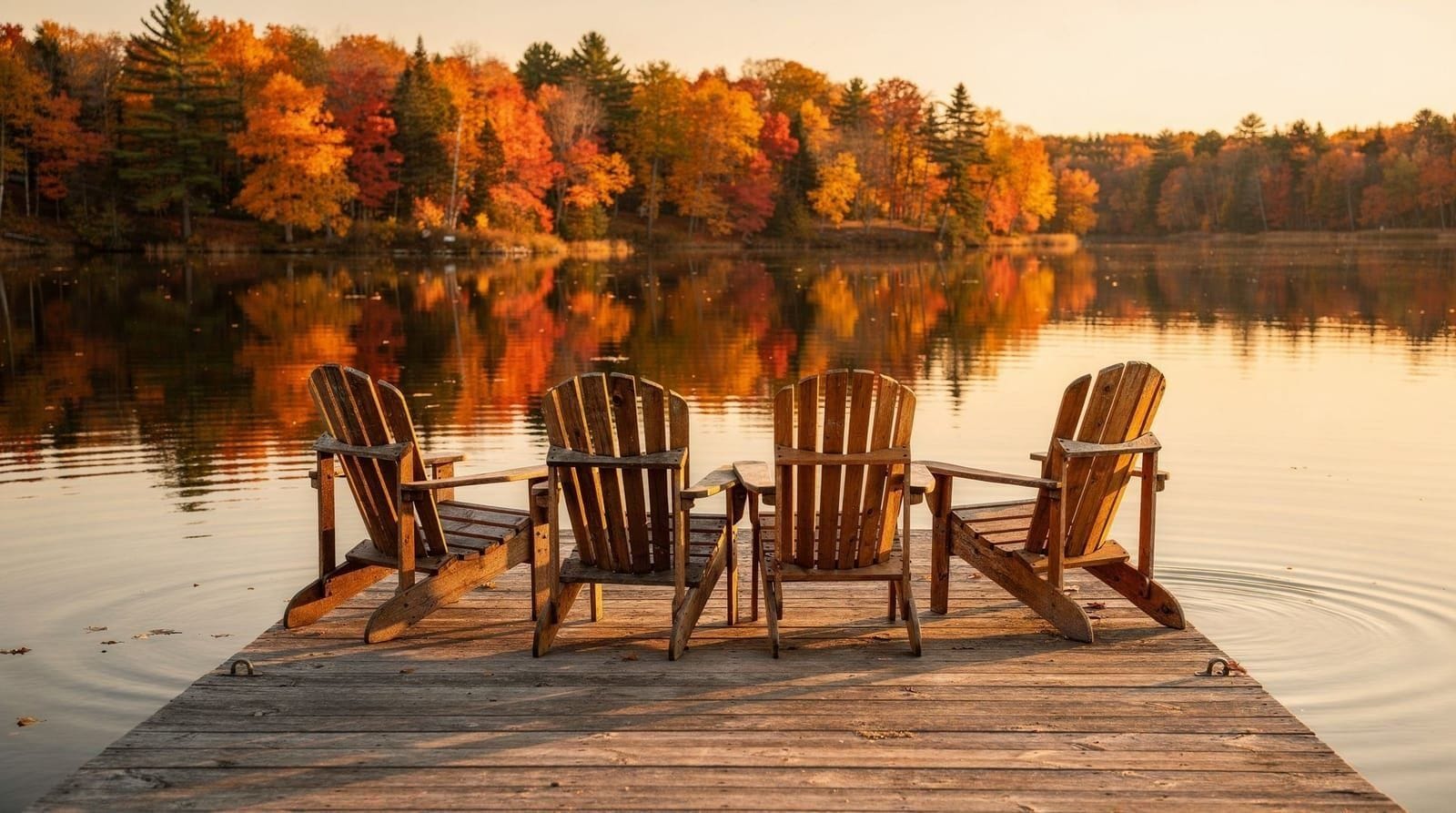
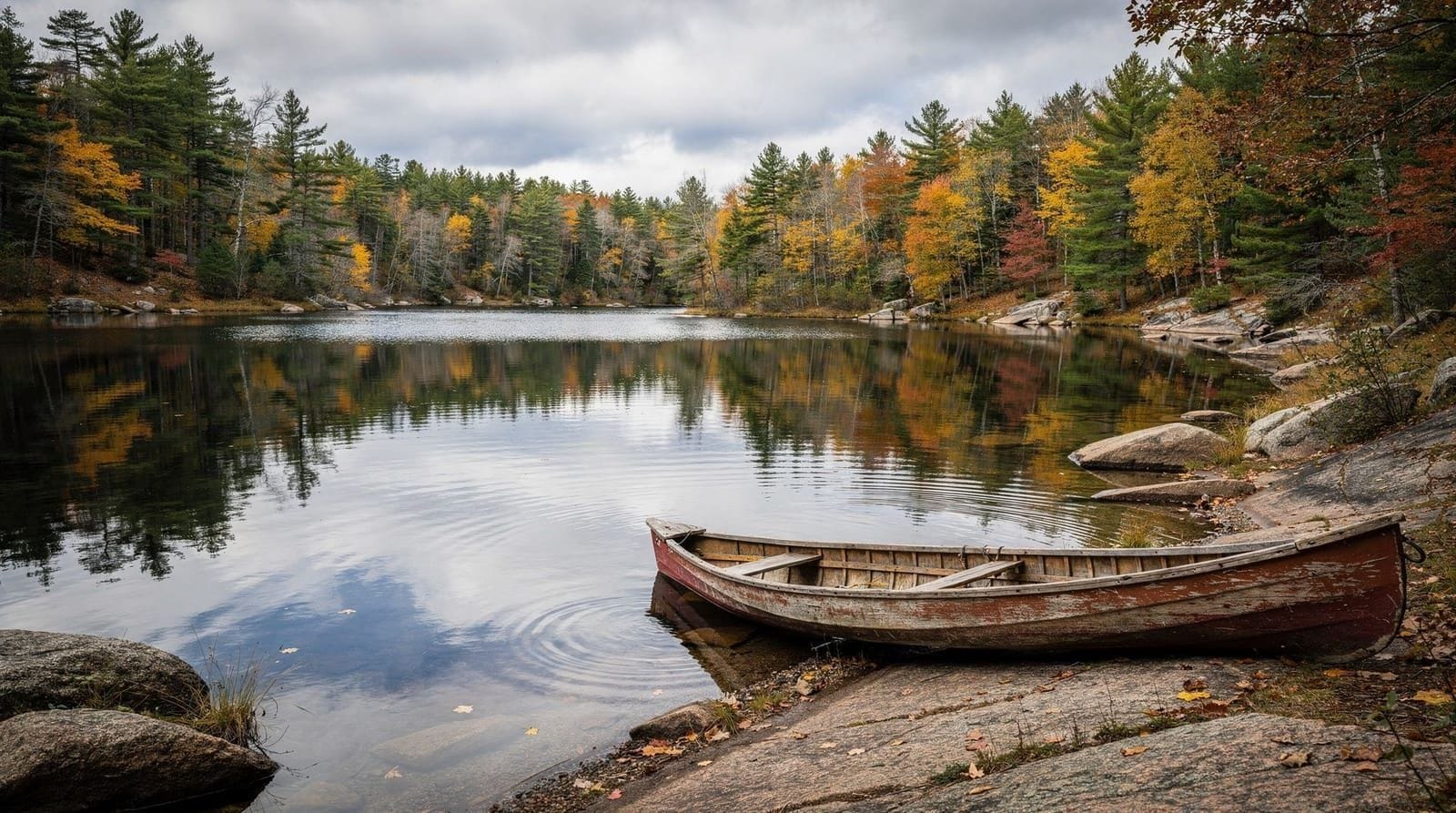
Late September into early October, Muskoka’s maple-and-pine mix turns into one of the most reliable fall-colour displays in Ontario, and it draws a very different crowd than the summer cottage traffic — day-trippers up from Toronto specifically for the drive and the views from lookouts like Huckleberry Rock. See fall foliage in Muskoka for a week-by-week timing guide, since the peak window shifts year to year by up to two weeks depending on temperature.
Winter in Muskoka
Muskoka doesn’t shut down entirely once the cottage season ends — winter brings snowmobiling on an extensive groomed trail network, cross-country skiing, and ice fishing on the frozen lakes, drawing a different but equally dedicated set of regular visitors. It’s a much quieter, colder version of the region than the summer crowds see, with many restaurants and shops on reduced hours, but the snow-covered Canadian Shield landscape has its own appeal for visitors specifically seeking a winter outdoors trip rather than a beach-and-boat one.
Muskoka’s cottage-country history
Muskoka’s identity as a wealthy retreat dates back over a century, when Toronto and even American industrialists began building summer estates along Lake Rosseau and Lake Joseph in the late 1800s and early 1900s, drawn by the newly built rail line north from Toronto. That history is visible today in the region’s older resort architecture and in the sheer density of multi-generational family cottages that still define much of the shoreline — a detail that helps explain why so much of the best waterfront remains inaccessible to day visitors despite the region’s public parks and trails.
Gravenhurst and the steamships
Gravenhurst, at the southern edge of the region, is home to the Muskoka Steamships — historic vessels that still run scenic cruises on Lake Muskoka, including the RMS Segwun, one of the oldest operating steamships in North America. It’s a slower-paced, nostalgic way to see the lake if you’re not up for hiking, and the Gravenhurst waterfront itself has a walkable strip of shops and a public beach.
Golf and resort culture
Muskoka has been a golf destination almost as long as it’s been a cottage destination, with several championship-calibre courses built around the region’s rock-and-pine terrain — a genuinely different golfing landscape from the flatter courses closer to Toronto. Historic resorts like those around Lake Joseph and Lake Rosseau (part of Muskoka’s “Big Three” lakes alongside Lake Muskoka) built their reputations over a century ago and still operate today, offering a way to experience the lakes’ private-feeling waterfront even without owning a cottage yourself.
Muskoka’s craft food and drink scene
Alongside its natural attractions, Muskoka has developed a genuine craft beverage scene over the past decade — several breweries and distilleries have opened across the region’s towns, often with lake-adjacent patios that make for a relaxed afternoon stop between hikes. Farmers’ markets in Bracebridge, Huntsville, and Gravenhurst run weekly through the summer season, drawing on the surrounding area’s small-scale agriculture for produce, preserves, and baked goods that make a good self-catered lunch if you’re picnicking near one of the falls.
Sandy beaches and swimming spots
Beyond hiking and boating, Muskoka has several public beaches worth knowing about if swimming is part of your plan — Annie Williams Memorial Park in Bracebridge and Gull Lake Rotary Park in Gravenhurst both offer sandy public access to swim without needing a private dock or cottage rental, a detail that surprises visitors who assume all Muskoka lakefront is privately held.
What Muskoka isn’t
Don’t come expecting a resort strip with restaurants and nightlife within walking distance of each other — Muskoka is spread out, most attractions require a car, and the towns themselves are small. It’s also heavily seasonal: many restaurants, marinas, and smaller attractions close or reduce hours from October through April, and some cottage-road access becomes difficult in winter. Plan around late May through October for the fullest range of open options.
It’s also not a budget destination in peak season — the same cottage-country demand that fills accommodation months in advance also pushes prices for lodging, boat rentals, and even restaurant meals noticeably above what you’d pay for equivalent options closer to Toronto. Visitors expecting Niagara-style density of affordable chain hotels and quick bites will find Muskoka’s independent, smaller-scale hospitality sector runs at a different price point, generally reflecting its resort-town rather than tourist-strip character.
Getting to Muskoka without your own car
If you don’t want to drive, options narrow but aren’t zero: seasonal coach services connect Toronto to Bracebridge, Huntsville, and Gravenhurst, and Ontario Northland runs a bus route along the Highway 11 corridor. Once you’re in a Muskoka town, though, you’re mostly on foot or relying on the limited local taxi supply — there’s no transit network linking Bracebridge to Port Carling to Huntsville, and the natural attractions (High Falls, Huckleberry Rock, Torrance Barrens) generally aren’t served by any bus route at all.
Renting a car for a day, or joining a guided day tour that includes pickup, solves most of the gap if you arrived carless. Anyone considering Algonquin as well should compare logistics first — see the Muskoka vs Algonquin guide for how each region handles visitors without a car.
Where to stay if you’re basing yourself in the region
Bracebridge and Huntsville are the two most practical bases: both have a walkable core, a real choice of restaurants, and put you within a 20–30 minute drive of High Falls, Hardy Lake, and Huckleberry Rock. Port Carling suits travellers who want a quieter, more upscale evening and don’t mind driving further for the hiking. Gravenhurst works well if the steamships and Muskoka Wharf are your priority, or as a first/last stop if you’re arriving from or heading back toward Toronto on Highway 11. Whichever town you pick, book lodging well ahead for July–August weekends — see the Muskoka day trip from Toronto guide for a route that also works as a single long day if an overnight isn’t in the plan.
Frequently asked questions about things to do in Muskoka
How many days do I need in Muskoka?
Two to three days lets you cover High Falls/Hardy Lake, one or two towns, and some lake time without rushing. A single day trip from Toronto is workable but tight given the 2-hour drive each way.
Do I need a boat to enjoy Muskoka?
No — the falls, hiking trails, and town centres are all accessible without a boat. A boat or canoe adds a genuinely different perspective on the lakes, but it’s not required to have a good visit.
Is Muskoka expensive compared to other Ontario day-trip destinations?
Accommodation runs higher than average in peak summer due to cottage-country demand, but day activities like hiking and town visits are largely free or low-cost. Booking lodging well ahead for July-August weekends is essential.
What’s the difference between Muskoka and Algonquin Park?
Muskoka is a broader region of lakes and towns with more development and services; Algonquin is a specific provincial park focused on backcountry hiking and canoeing with far less infrastructure. See Muskoka vs Algonquin guide for a full comparison.
When do Muskoka’s steamship cruises run?
Typically late May through mid-October, weather and demand dependent — most operators reduce or suspend sailings outside that window.
Can I visit Muskoka without a car?
It’s difficult. Public transit options are limited between towns, and most of the best natural attractions (waterfalls, lookouts, trailheads) aren’t served by any bus route. A car is strongly recommended.
Is Muskoka good for a winter trip?
Yes, for a different kind of visit — snowmobiling, cross-country skiing, and ice fishing replace the summer’s hiking and boating, though many restaurants and smaller attractions run reduced hours during the colder months.
Can I swim in Muskoka’s lakes without a cottage or resort stay?
Yes — several public beaches, including Annie Williams Memorial Park in Bracebridge and Gull Lake Rotary Park in Gravenhurst, offer free public swimming access to the lakes.
Is Muskoka worth it as a day trip, or should I stay overnight?
A day trip covers High Falls, Hardy Lake, and Huckleberry Rock, but rushes everything else — an overnight in Bracebridge or Huntsville lets you add a town, a steamship cruise, or real lake time without racing the clock on the drive back.
Are Muskoka’s hiking trails suitable for beginners?
Most of the well-known ones are — Hardy Lake’s loop and the Huckleberry Rock lookout are short, well-marked, and don’t require technical gear, though the exposed granite can be slippery when wet.
Top experiences
Bookable activities with verified prices and instant confirmation on GetYourGuide.