Muskoka vs Algonquin guide
Should I visit Muskoka or Algonquin Park?
Choose Muskoka for a resort-and-town trip with restaurants, shopping, and comfortable lodging around the lakes; choose Algonquin for a genuine wilderness experience focused on hiking and canoeing with minimal services. If you have three or more days, both regions are close enough to combine.
Neighbors on the map, different trips in practice
Muskoka and Algonquin Provincial Park sit close enough together — roughly 45 minutes apart via Highway 60 through Huntsville — that visitors planning an Ontario cottage-country trip often lump them into a single decision: “which one.” That framing misses the point a little, since the two serve genuinely different kinds of trips, closer in spirit to comparing a resort weekend with a backcountry expedition than to choosing between two similar towns.
Muskoka is a developed region of towns, lakes, and cottage communities with restaurants, shops, and a wide range of lodging; Algonquin Provincial Park is a protected wilderness area built around hiking and canoeing, with minimal commercial development inside the gates. This guide breaks down the real differences to help you pick — or, ideally, combine both if your schedule allows.
| Muskoka | Algonquin Park | |
|---|---|---|
| Drive from Toronto | ~2 hours | ~2.5 hours |
| Focus | Lakes, towns, resorts | Hiking, canoeing, wilderness |
| Services | Restaurants, shops, hotels | Minimal — a few campground stores |
| Lodging | Motels to lakefront resorts | Campgrounds and rustic lodges |
| Best for | Comfort, dining, easy family trip | Active outdoors, wildlife, moose |
Infrastructure and services
This is the starkest difference. Muskoka’s towns — Bracebridge, Huntsville, Port Carling, Gravenhurst — offer restaurants, cafés, shops, hotels, resorts, and marinas at a density comparable to any well-developed Ontario tourist region. Algonquin, once you’re through the entry gate, offers almost none of that: a handful of campground stores, the Algonquin Visitor Centre’s small restaurant, and otherwise genuinely limited services. If you want a trip with dining options, boutique shopping, and comfortable resort lodging, Muskoka wins decisively. If minimal development and a sense of genuine wilderness matter more to you, that’s Algonquin’s core appeal, not a drawback.
Activities: lakes and towns vs. hiking and canoeing
Muskoka centers on its lakes as a backdrop for a broader regional experience — boating, waterfront dining, town-hopping, and access to natural landmarks like High Falls and Hardy Lake as day-activities rather than the entire point of the trip. See the things to do in Muskoka guide for the fuller activity list.
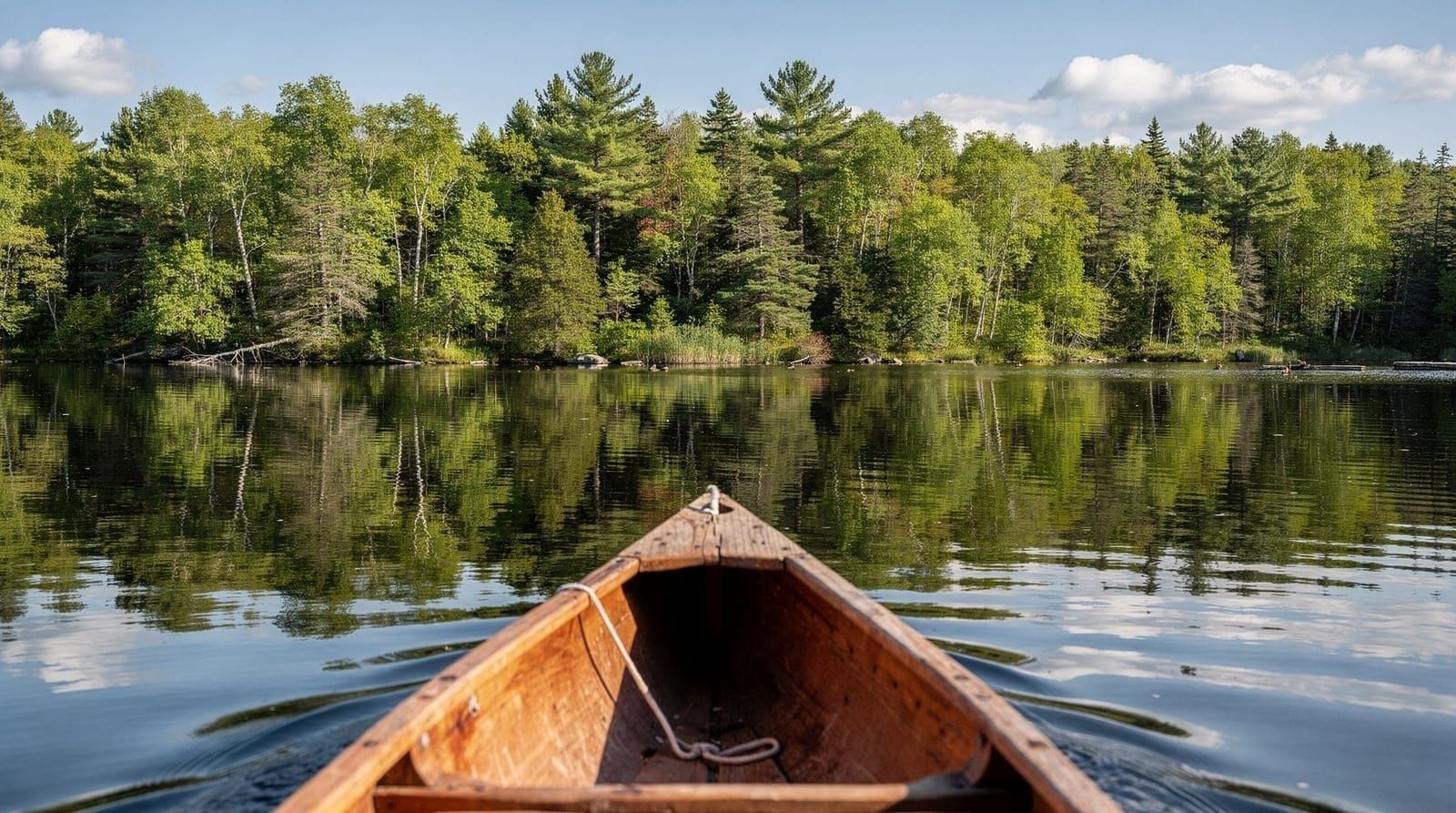
Algonquin is built almost entirely around two activities: hiking the Highway 60 corridor’s interpretive trails, and canoeing — either a day paddle on an access-point lake like Canoe Lake, or a genuine multi-day backcountry canoe trip through the park’s 2,400+ interior lakes. There’s very little “town” experience inside the park; the closest comparable stop is Huntsville, technically the Muskoka-region gateway town rather than part of Algonquin itself. See the things to do in Algonquin Park guide for the full trail and canoe breakdown.
Wildlife and wilderness feel
Algonquin has a considerably stronger wilderness character and wildlife-viewing reputation — it’s one of the best places in Ontario to spot moose, particularly along Highway 60 at dawn or dusk in late spring. Muskoka, while genuinely scenic and forested, is more developed and settled, with wildlife encounters less central to the typical visitor experience.
Lodging style
Muskoka offers a full range from budget motels to high-end lakefront resorts, plus a substantial private cottage-rental market. Algonquin’s lodging inside the park is limited to campgrounds (car camping and backcountry) and a small number of rustic lodges, mostly geared toward outdoor-focused stays rather than resort comfort; most visitors wanting more comfortable accommodation base themselves in Huntsville or elsewhere in Muskoka and day-trip into the park.
Price and accessibility
Both regions require a car for practical access — public transit options are minimal to nonexistent in either. Muskoka’s broader range of accommodation and dining means a wider price spread, from budget-friendly to genuinely expensive lakefront resorts, especially in peak summer weekends. Algonquin’s costs are more predictable and generally lower: a day-use park entry permit plus whatever gear rental or guided tour you book, without the variable resort pricing that shapes a Muskoka trip.
History and character
Muskoka’s identity as a retreat dates back more than a century, when wealthy Toronto and American industrialists began building summer estates along its larger lakes in the late 1800s, drawn by the newly extended rail line. That legacy shaped the region’s resort culture and its enduring reputation as a place to be seen as much as a place to unwind. Algonquin’s history runs differently — established in 1893 as a protected forest reserve, it was shaped from the outset by conservation and logging-industry tension rather than leisure-industry development, and that founding purpose is still legible in how sparse the infrastructure remains even after more than a century as a public park.
Photography and scenery
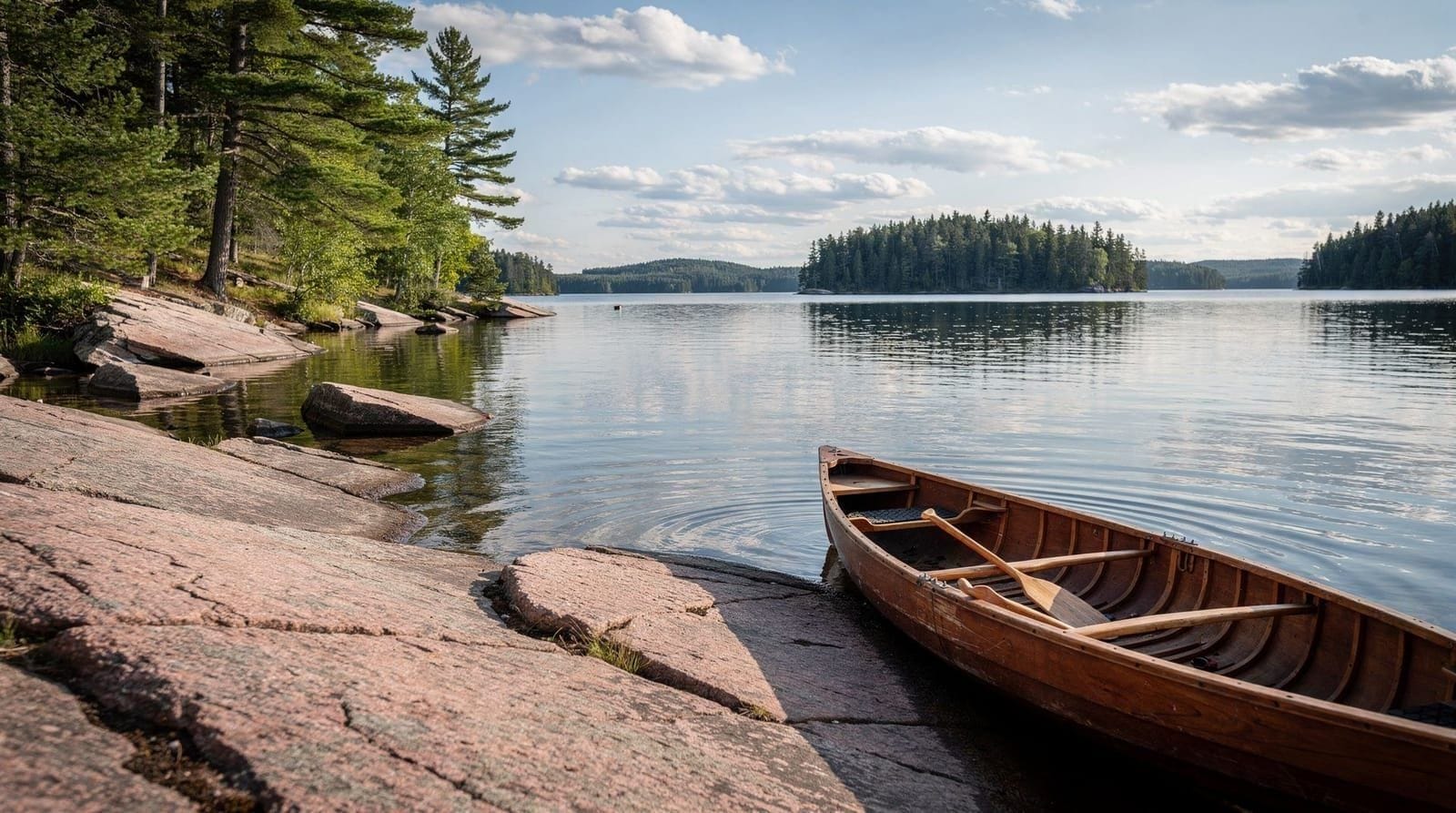
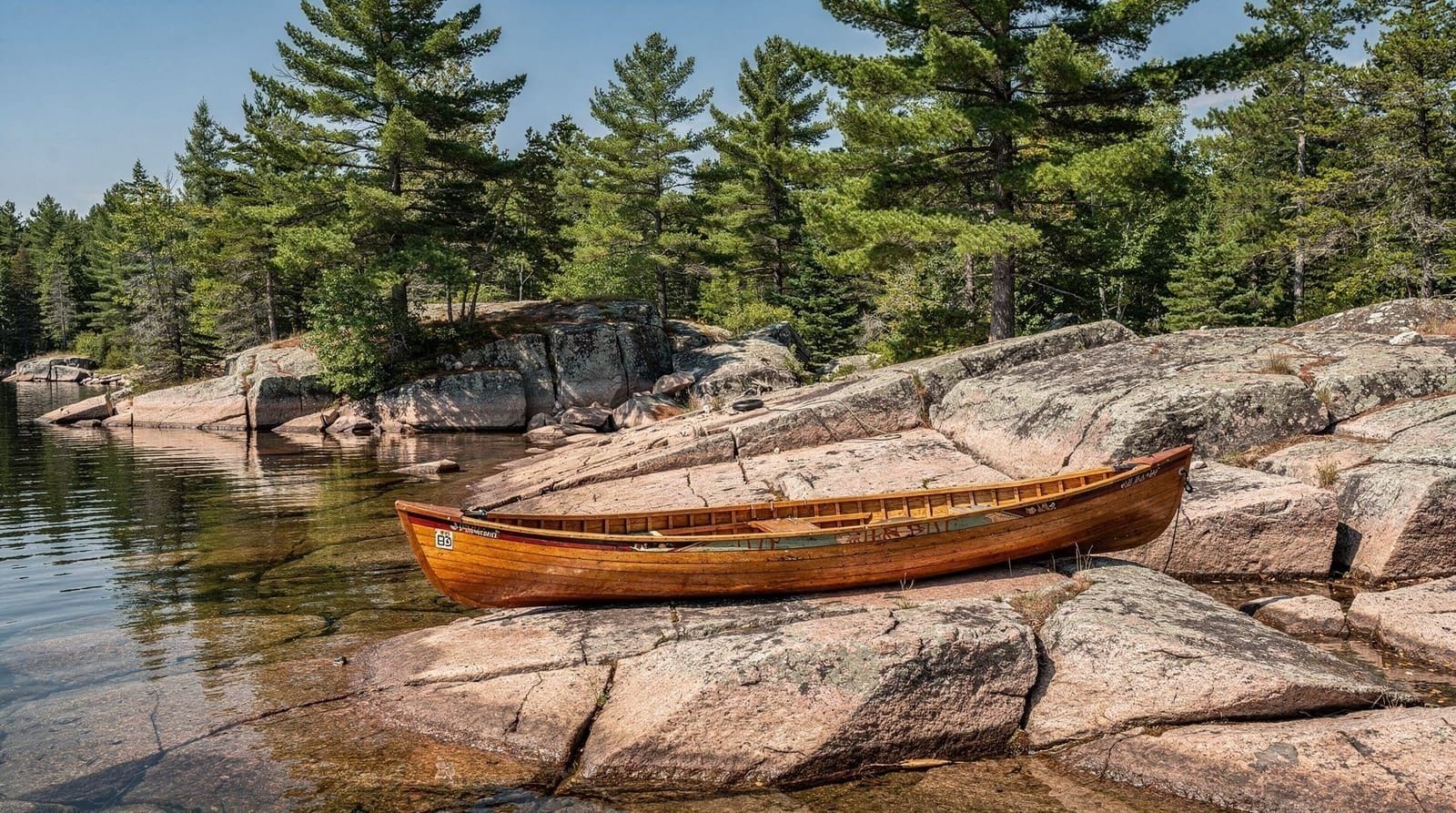
Both regions reward photographers, but differently. Muskoka’s appeal leans toward classic cottage-country postcard scenes — docks, boathouses, sunset over calm water, church-topped small-town main streets. Algonquin leans toward wilder, more dramatic compositions: canoe silhouettes on mist-covered lakes at dawn, moose in wetlands, and the kind of old-growth pine and exposed granite that made the region a favourite subject of Canada’s Group of Seven painters, several of whom worked extensively within the park in the early 20th century.
Guided tours vs. independent exploration
Both regions offer guided tour options that solve the “what do I actually do once I’m there” problem for first-time visitors — Muskoka’s tours tend to bundle natural landmarks like High Falls and Hardy Lake into a single day, while Algonquin’s tours typically combine hiking with naturalist commentary on wildlife and ecology. Independent exploration works well in both regions too, provided you’ve done a bit of trail or itinerary research beforehand, since neither offers much in the way of walk-up information beyond the Algonquin Visitor Centre.
How each region compares to Ontario’s other outdoor escapes
Muskoka and Algonquin aren’t Ontario’s only lake-and-forest options — Blue Mountain offers a more resort-driven, escarpment-based alternative with skiing as its winter anchor, while the Thousand Islands region trades lakes for a river-and-island archipelago with a stronger historical-architecture angle. If neither Muskoka’s town-and-lake balance nor Algonquin’s wilderness focus quite fits what you’re after, these two regions are worth considering as alternatives within the same general drive-time range from Toronto.
Fall foliage: which region does it better
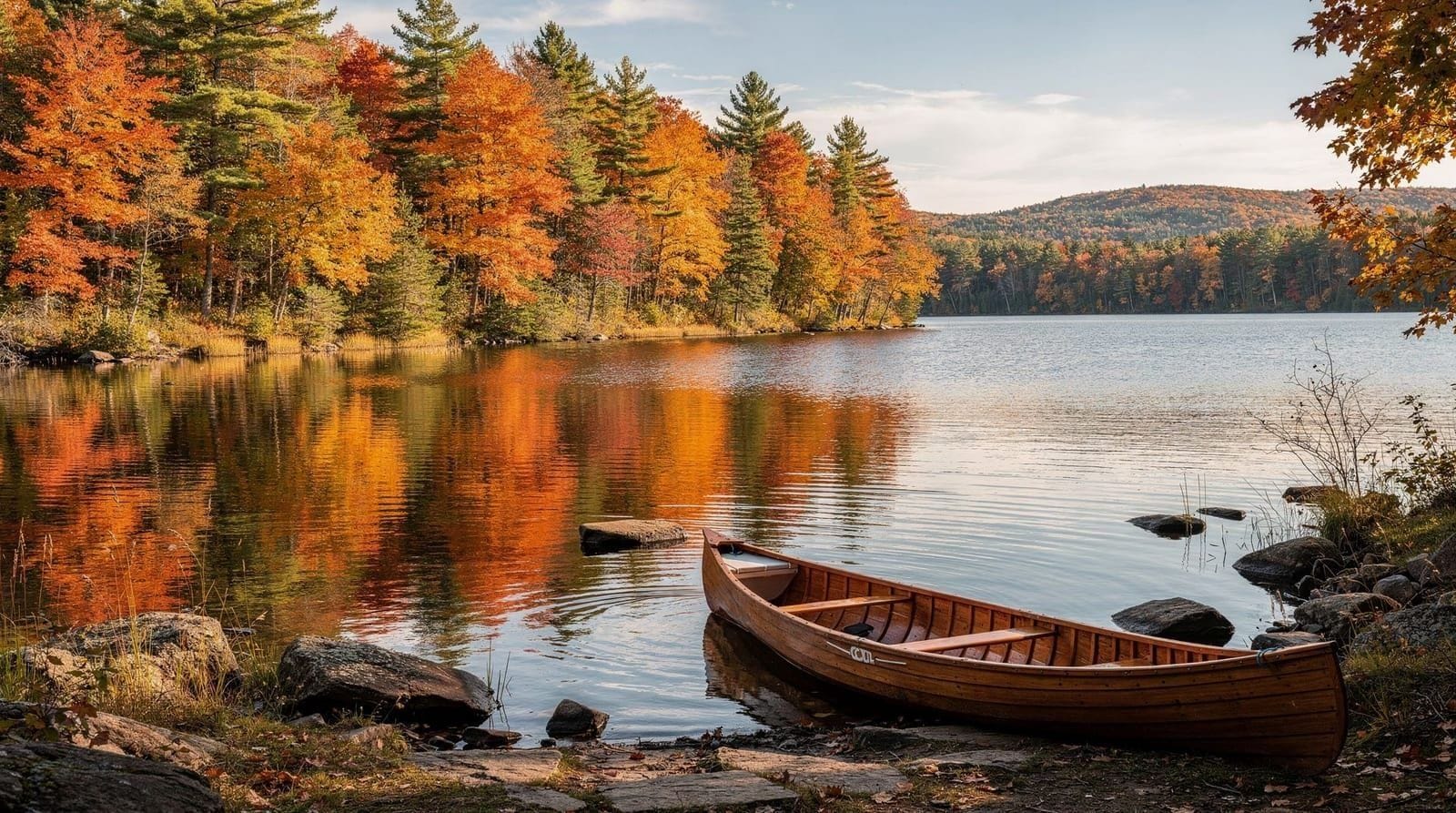
Both regions are genuine fall-foliage destinations, but they deliver the experience differently. Fall foliage in Muskoka tends to be viewed from lookouts like Huckleberry Rock and from the water via steamship cruises, blending the colour display with the region’s lake-and-town character. Fall foliage in Algonquin Park is viewed more from the Highway 60 corridor’s hiking trails and lookout points, with a wilder, less curated feel given the park’s minimal development. Both peak around the same late-September-to-early-October window, so combining them on a single trip means catching both versions of the same seasonal display without a major detour.
A day-by-day plan for combining both
For visitors with three or four days, a workable structure is: day one, drive up and explore Bracebridge or Gravenhurst, including a stop at High Falls and Hardy Lake; day two, base in Huntsville and spend the day on Muskoka’s lakes, whether boating, a steamship cruise, or simply relaxing waterfront; day three, drive the remaining short stretch into Algonquin via the east end of Huntsville, spend the day on the Highway 60 corridor hiking and canoeing, and return to Huntsville for the night; day four, either add a second Algonquin day (a longer hike or a day-paddle further into the interior) or begin the drive back to Toronto.
This sequencing keeps driving to a minimum while giving each region a genuinely dedicated day rather than a rushed half-day sampler.
Which to pick — or how to combine both
If you have a single day: pick based on what you want more — a relaxed lake-and-town experience (Muskoka) or an active hiking/canoeing day (Algonquin). See Muskoka day trip from Toronto and Algonquin Park day trip from Toronto for single-day routes to each.
If you have three days or more, combining both is genuinely practical given their proximity — base in Huntsville or Bracebridge, spend a day or two on Muskoka’s lakes and towns, then dedicate a full day to Algonquin’s Highway 60 corridor before heading back. Fall foliage season (late September into early October) is an especially strong window to combine both, since both regions peak around the same time.
Frequently asked questions about Muskoka vs Algonquin
Which is closer to Toronto, Muskoka or Algonquin?
Muskoka is closer, at roughly 2 hours by car versus Algonquin’s roughly 2.5 hours, though both use the same Highway 400/11 corridor for most of the drive.
Can I combine Muskoka and Algonquin in a single trip?
Yes — they’re about 45 minutes apart via Huntsville, making a combined multi-day trip straightforward if your schedule allows more than a single day.
Which region is better for families?
Muskoka generally suits families better given its broader range of easy activities, restaurants, and comfortable lodging; Algonquin works well for families comfortable with hiking and outdoor activities but offers fewer conveniences.
Is Algonquin Park more expensive than Muskoka?
Generally no — Algonquin’s costs are largely limited to a day-use permit and any gear or tour bookings, while Muskoka’s resort and dining options can push costs considerably higher, especially in peak season.
Where can I see moose — Muskoka or Algonquin?
Algonquin has a notably stronger moose population and better viewing odds, particularly along the Highway 60 corridor at dawn or dusk.
Do I need to book accommodation far in advance for either region?
Yes for both, especially for July-August weekends — Muskoka’s resorts and Algonquin’s campgrounds and interior canoe permits all fill well ahead of peak season.
Which region has better hiking, Muskoka or Algonquin?
Algonquin offers more extensive, better-marked hiking infrastructure specifically built for it, while Muskoka’s hiking options (like Torrance Barrens) are real but secondary to its broader lake-and-town focus.
Is one region more beginner-friendly than the other for a first Ontario cottage-country trip?
Muskoka is generally the easier introduction, given its greater services and infrastructure; Algonquin rewards visitors who come with a specific hiking or canoeing plan rather than expecting amenities to fill the gaps.
Can I see the same fall foliage quality in both regions on the same trip?
Yes — both peak within roughly the same late-September-to-early-October window, making a combined trip a genuinely efficient way to see two distinct takes on Ontario’s fall colour season without a major extra detour.
Which region has better short hikes for a half-day outing?
Muskoka’s short hikes, like Huckleberry Rock and Hardy Lake near Bala, cluster tightly enough for an easy half-day without much driving between stops, while Algonquin’s better hikes are spread further along the Highway 60 corridor and generally reward a fuller day.