Things to do in Ottawa
Ottawa: Scenic City Tour with Canal Cruise
What are the best things to do in Ottawa?
Walk or cruise the Rideau Canal (a UNESCO World Heritage Site), tour Parliament Hill, and spend an evening in ByWard Market — plan for a full weekend since Ottawa is a 4-hour drive from Toronto and not worth rushing as a single day trip.
A capital city that doesn’t feel like a capital city
Ottawa gets treated as an afterthought on most Ontario itineraries, usually squeezed into a rushed day trip that leaves visitors seeing Parliament Hill from a bus window and not much else. That’s a mistake — Ottawa is genuinely worth a weekend, built around a UNESCO World Heritage canal, a walkable government-district-turned-neighborhood, and a museum lineup that rivals Toronto’s.
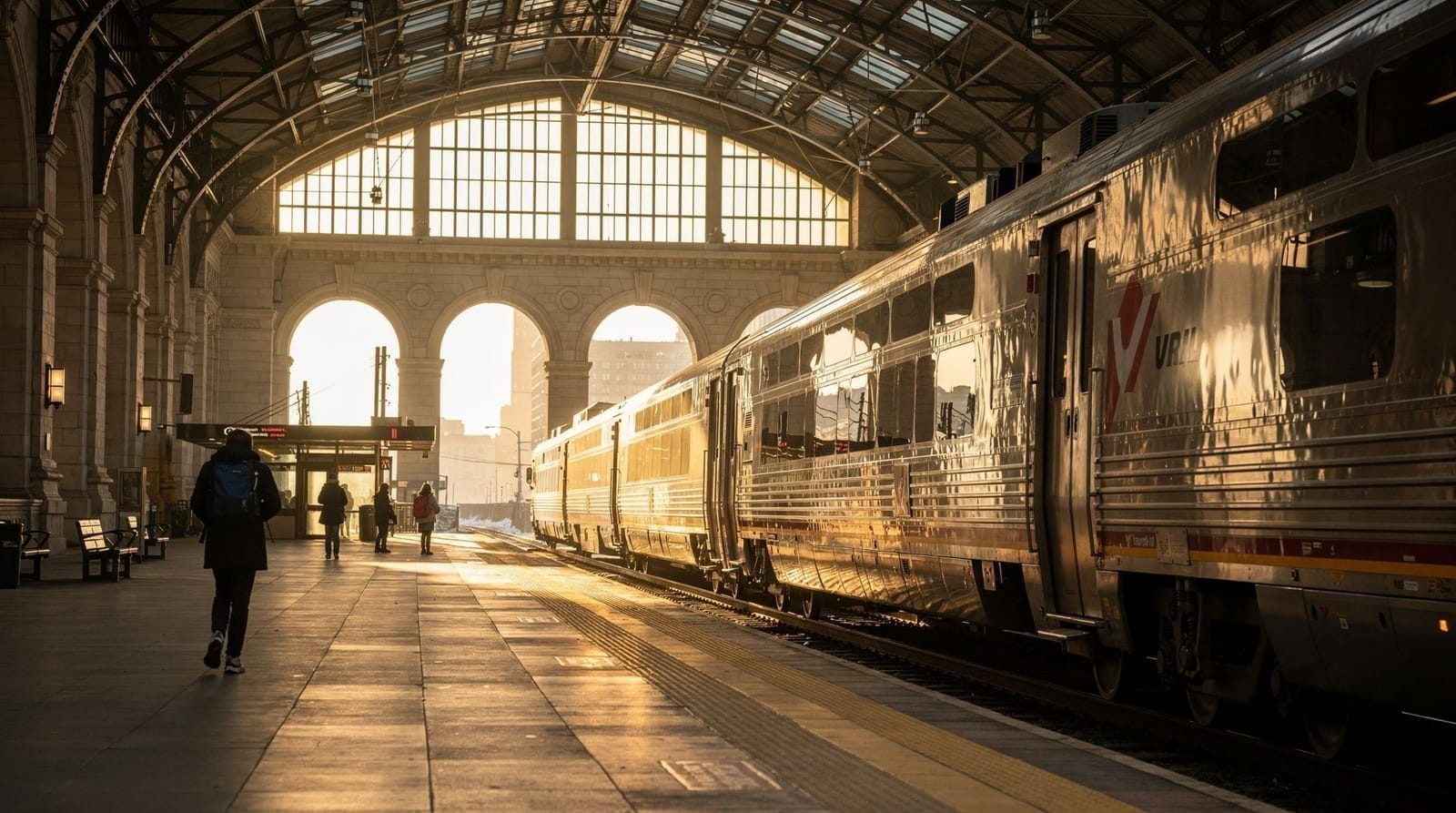
It’s a 4-hour drive or a roughly 4.5-hour VIA Rail trip from Toronto, which rules it out as a comfortable single-day excursion — see the VIA Rail Toronto guide if you’re going without a car, or the broader best day trips from Toronto by train guide for how Ottawa compares to closer rail-accessible options like Kingston.
| Where | Ottawa, Ontario — about 4hrs from Toronto by car or VIA Rail |
| Cost | Canal skating free; museum entry roughly $15–25 CAD each; Parliament tours free |
| Time needed | A full weekend to see the canal, Parliament Hill, and at least one museum unrushed |
| Getting there | Car, VIA Rail (~4.5hrs), or intercity bus |
| Best time | Winter for canal skating and Winterlude; fall for Gatineau Park foliage |
The Rideau Canal — Ottawa’s defining feature
The Rideau Canal runs right through downtown Ottawa, connecting the Ottawa River to Kingston 202 km south, and it shapes the city’s identity across all four seasons. Built in the 1830s originally for military purposes — a defensive supply route in case of conflict with the United States that, as it happened, was never needed for that reason — the canal earned UNESCO World Heritage status in 2007 as the best-preserved example of a slackwater canal in North America, still operating with much of its original lock infrastructure.
Boaters travelling the full route between Ottawa and Kingston pass through 47 locks over several days, though most visitors experience only the compact, walkable downtown stretch. In summer, it’s a working waterway lined with paths for walking and cycling, and boat tours run the length of the downtown stretch past Parliament Hill, the Fairmont Château Laurier, and the historic locks that step boats down to the river.
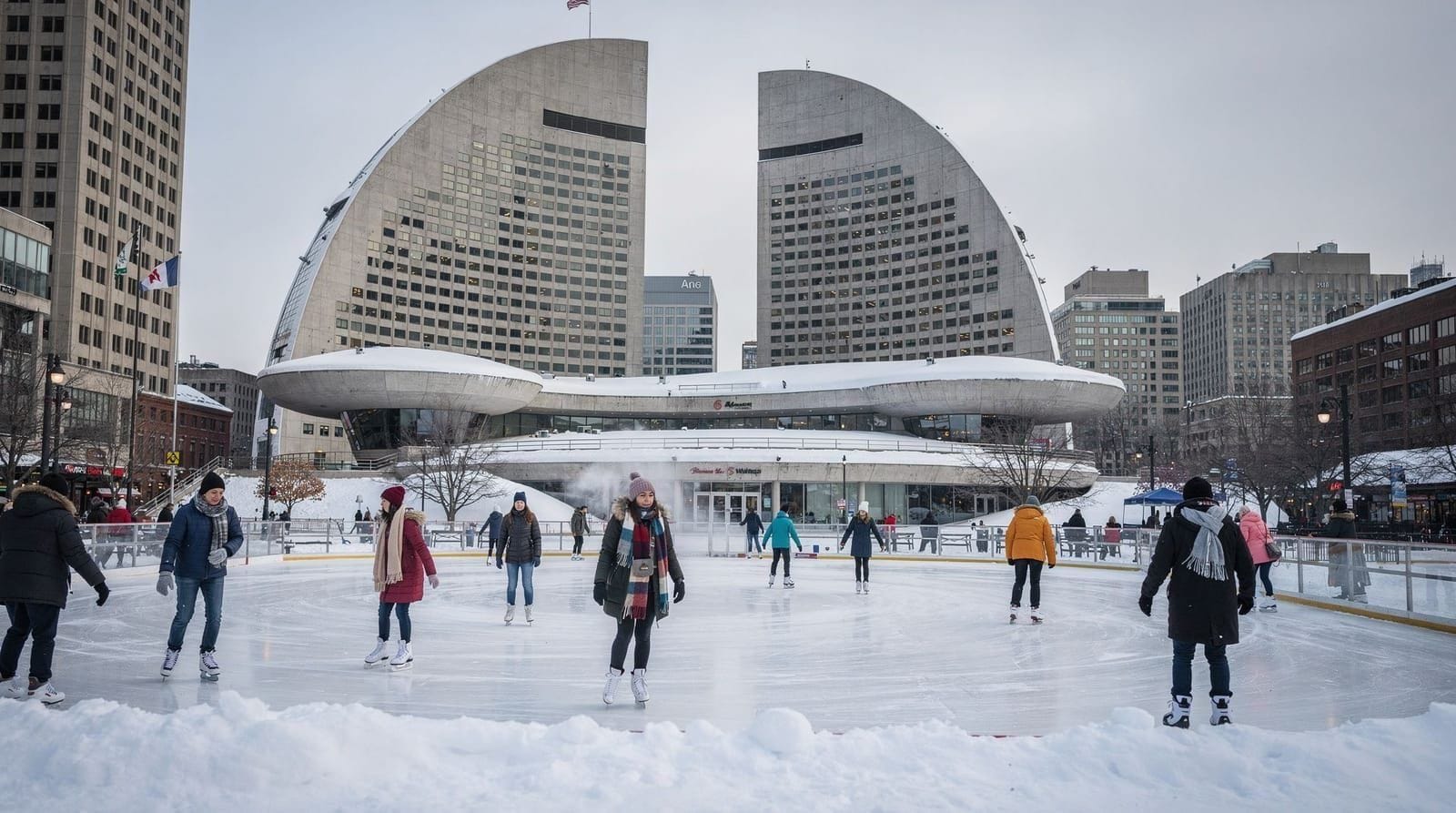
Ottawa Rideau Canal cruiseIn winter, the canal freezes into the world’s largest naturally maintained skating rink — a 7.8 km ice surface that Ottawans genuinely commute to work on, with skate-rental huts and BeaverTail pastry stands along the route. It dwarfs anything Toronto offers for outdoor skating; see the ice skating in Toronto guide for comparison, and the Toronto in winter guide for how the two capitals’ winter scenes differ more broadly.
If you’re timing a visit around Winterlude (typically early February), the canal is the centerpiece of the whole festival. For a broader orientation that pairs the canal with Parliament Hill and the ByWard Market on foot, a guided city tour covers the ground efficiently:
Ottawa scenic city tour with canal cruiseParliament Hill and the government district
Parliament Hill sits on a bluff overlooking the Ottawa River, and the Centre Block — home to the House of Commons and Senate — offers free guided tours (advance booking recommended, especially in summer). The Peace Tower observation deck, when open, gives a clear view over the river to Gatineau on the Quebec side. Even without booking a tour, the changing of the guard ceremony (summer mornings) and the grounds themselves are worth an hour of walking.
Centre Block underwent a major, multi-year rehabilitation project that shifted parliamentary business to the neighbouring West Block for a period, so confirm which building is open to public tours before your visit, since the schedule and access details have shifted more than once during the renovation. In the evening, a free sound-and-light show projects onto the Centre Block facade in summer, telling Canada’s history through image and narration — a genuinely well-produced, family-friendly way to spend a warm evening on the Hill without booking anything in advance.
ByWard Market
Ottawa’s oldest neighborhood, ByWard Market, is a dense grid of restaurants, bars, produce stalls, and the original BeaverTails pastry stand (a flattened, fried dough pastry that’s a genuine Ottawa institution, not a tourist gimmick). It’s the best base for dinner and nightlife in the city, and busy enough on summer weekends that reservations at popular restaurants are worth making ahead.
Museums worth the entry fee
Ottawa’s museum lineup is unusually strong for a city its size, a direct benefit of being the federal capital and home to most of Canada’s national collecting institutions. The Canadian Museum of History, technically across the river in Gatineau, has the best Indigenous and Canadian-history exhibits in the country, including the Grand Hall’s totem pole collection, one of the largest displays of its kind in the world.
The National Gallery of Canada, a striking glass-and-granite building near Parliament Hill designed by Moshe Safdie, houses the country’s largest art collection — from Indigenous and historical Canadian works through to major international pieces — and a giant spider sculpture (Maman, by Louise Bourgeois) outside that’s become an unofficial photo landmark. The Canadian War Museum, on the Ottawa River near LeBreton Flats, is one of the most thoughtfully curated military-history museums in North America, and genuinely moving rather than triumphalist in tone, with a design that deliberately uses sloped floors and shifting light to reinforce its themes.
Beyond the big three, the Canada Aviation and Space Museum and the Canada Science and Technology Museum round out Ottawa’s national-museum lineup, both strong options if traveling with kids or anyone with an interest in engineering and flight — the aviation museum in particular houses a genuinely impressive collection of historic aircraft in a single hangar-scale building.
Winterlude and the festival calendar
Ottawa’s biggest annual event, Winterlude, runs for three weekends each February and turns the frozen Rideau Canal and Confederation Park into the centerpiece of a city-wide winter festival — ice sculptures, a snow playground at Jacques-Cartier Park across the river, and the canal skate itself drawing both locals and visitors in roughly equal numbers. Outside winter, Ottawa’s Canada Day celebrations on July 1st centre on Parliament Hill with an outdoor concert and fireworks, drawing crowds large enough that advance planning around transit and accommodation is worth doing if visiting specifically for it.
Gatineau Park
Just across the river in Quebec, Gatineau Park gives Ottawa access to real wilderness within 15 minutes of downtown — hiking trails, lookout points over the Ottawa Valley, and fall foliage that rivals Muskoka’s without the drive. Champlain Lookout, in particular, is a short walk to a panoramic view that’s worth the detour if you have a car.
Rideau Hall and the National War Memorial
Rideau Hall, the official residence of Canada’s Governor General, sits on 79 landscaped hectares a short drive from downtown and offers free guided tours of the grounds and select rooms, along with a genuinely pleasant public garden that’s open even outside tour hours. Closer to Parliament Hill, the National War Memorial and the Tomb of the Unknown Soldier anchor Confederation Square, and the Changing of the Guard ceremony (summer months, weather permitting) draws a steady crowd of visitors each morning.
ByWard Market’s food hall and farmers’ stalls
Beyond the bars and restaurants that dominate ByWard Market’s evening reputation, the daytime market retains its original function as a farmers’ market, with outdoor stalls selling produce, flowers, and local specialty foods much as it has since the 1840s. A newer indoor food hall complements the outdoor stalls with a wider range of quick-service options, useful for a fast lunch between Parliament Hill and a museum visit. Beavertails, maple treats, and poutine variations are the local food souvenirs most visitors leave with, alongside genuinely strong Lebanese and Vietnamese food along nearby Somerset Street.
Cycling the canal and river pathways
Ottawa has one of the most extensive urban recreational pathway networks in Canada, much of it running alongside the Rideau Canal and the Ottawa River, largely car-free and well-maintained. Renting a bike for a few hours is a low-cost way to cover more of the city than walking allows, particularly the stretch linking downtown to the Rideau Canal’s southern locks and the Dow’s Lake area, popular for its own smaller-scale skating rink in winter and paddleboat rentals in summer.
Sparks Street and downtown shopping
Sparks Street, one of Canada’s oldest pedestrian-only shopping malls, runs a few blocks from Parliament Hill and offers a mix of shops, cafés, and public art in a car-free setting that’s especially pleasant in summer when outdoor patios and occasional street performances fill the space. It’s a good lower-key alternative to ByWard Market if you want somewhere quieter to sit down.
Getting around Ottawa
Ottawa’s public transit system, OC Transpo, includes both bus routes and a light-rail line (the O-Train) connecting downtown to the eastern and western suburbs, along with a direct connection to the airport area. Most of what matters to a typical visitor — Parliament Hill, ByWard Market, the National Gallery, the Canadian War Museum, and the canal — sits within a compact, walkable core, so heavy reliance on transit usually isn’t necessary unless you’re staying further out or heading to Gatineau Park’s more remote trailheads, which require a car.
Practical notes
Ottawa straddles the Ontario-Quebec border in a way that’s easy to miss — Gatineau, on the other side of the river, operates on Quebec provincial rules and often has French-first signage, which surprises visitors expecting Ontario throughout. Winters are genuinely cold (regularly -15°C to -20°C in January), so pack accordingly if visiting for Winterlude or canal skating.
Downtown is compact and walkable; a car isn’t necessary unless you’re planning to reach Gatineau Park’s more remote trails. Federal government offices mean downtown Ottawa can feel notably quieter on weekends compared to weekdays, when the public-service workforce fills the core — plan restaurant reservations accordingly, since some downtown spots geared toward the lunch crowd close entirely on Saturday and Sunday.
Comparing seasons for a first visit
| Season | Highlight | Trade-off |
|---|---|---|
| Winter (Dec–Feb) | Canal skating, Winterlude in Feb | Cold (-15 to -20°C); some outdoor sights limited |
| Spring (Mar–May) | Fewer crowds, tulip festival in May | Canal thaw period, unpredictable weather |
| Summer (Jun–Aug) | All museums, evening sound-and-light show, Canada Day | Peak crowds and accommodation prices |
| Fall (Sep–Nov) | Gatineau Park foliage, quieter museums | Canal boat season winding down |
Combining Ottawa with the rest of eastern Ontario
Ottawa sits at a natural jumping-off point for the Thousand Islands and eastern Ontario more broadly. Travellers coming from or heading toward Toronto sometimes route through Kingston as a stopover — see the Kingston day trip from Toronto guide for how the two cities compare as a single loop, or the why Ottawa deserves more than a day trip piece for a first-person case for the extra time. If a VIA Rail journey is part of the plan either way, the VIA Rail Toronto guide covers booking classes and what to expect on the Toronto–Ottawa corridor specifically.
Frequently asked questions about things to do in Ottawa
Is Ottawa worth visiting as a day trip from Toronto?
It’s possible but not ideal — the drive alone is 4 hours each way. A weekend trip lets you actually see the canal, Parliament Hill, and at least one museum without rushing.
What’s the best time of year to visit Ottawa?
Winter (for canal skating and Winterlude) and fall (for Gatineau Park foliage) are Ottawa’s strongest seasonal draws, though summer offers the fullest range of open attractions and canal boat tours.
Can I skate on the Rideau Canal for free?
Yes — public skating on the canal is free; you only pay if you rent skates rather than bringing your own. Ice conditions are posted daily by the National Capital Commission during skating season.
Do I need a passport to visit Gatineau across the river?
No — Gatineau is in Quebec, still within Canada, so no passport or border crossing is required, just a drive or bus ride across one of the interprovincial bridges.
How does Ottawa compare to Toronto for a weekend trip?
Ottawa is smaller, calmer, and centered on government and museums rather than Toronto’s neighborhood-and-nightlife scale — a better fit for travelers who want fewer, deeper stops rather than a packed itinerary.
Are Parliament Hill tours free?
Yes, guided tours of Centre Block (or West Block, depending on the current renovation phase) are free, though advance reservations are strongly recommended in peak summer months when capacity fills quickly.
Is Ottawa expensive compared to Toronto?
Generally somewhat cheaper — accommodation and dining in Ottawa tend to run lower than equivalent options in downtown Toronto, though prices still rise meaningfully during Winterlude and Canada Day given the surge in demand.
How many days should I actually budget for Ottawa?
Two full days covers the canal, Parliament Hill, and one or two museums comfortably; three lets you add Gatineau Park and a slower pace through ByWard Market without feeling rushed.
Is a car necessary to see Ottawa’s main sights?
No — Parliament Hill, ByWard Market, the National Gallery, the Canadian War Museum, and the canal all sit within a compact, walkable downtown core served by OC Transpo. A car only becomes useful for Gatineau Park’s remoter trailheads.
Top experiences
Bookable activities with verified prices and instant confirmation on GetYourGuide.