Toronto vs Montreal: which to visit
Two different cities, not competing versions of the same one
Toronto and Montreal get compared constantly, usually in a way that implies one is objectively “better,” which misses the point — they’re built around different things. Toronto is Canada’s financial and cultural capital, sprawling, diverse, and organized around distinct neighborhoods you move between. Montreal is denser, more European in feel, bilingual, and built around a compact old-town core plus a genuinely different food and nightlife culture rooted in its French heritage. Which one suits your trip depends less on “which is better” and more on what kind of city experience you’re after.
| Choose Toronto for | Scale, diversity, English ease, sports, day trips |
| Choose Montreal for | Old-world charm, French-Canadian culture, nightlife |
| Distance between | About 5.5hrs by train, car or a 90-min flight |
| Cost | Comparable, Montreal slightly cheaper on average |
| Combine both? | Yes — common and practical on one trip |
Head-to-head comparison
| Category | Toronto | Montreal |
|---|---|---|
| Language | English, highly multicultural | French-dominant, bilingual |
| Layout | Spread out, subway-linked neighbourhoods | Compact, walkable old-town |
| Food strength | Range across dozens of cuisines | French/Jewish-deli, fine dining |
| Sports | Hockey, baseball, basketball, soccer | Hockey-dominant (Canadiens) |
| Winter | Milder (Great Lakes effect) | Colder, more snow |
Walkability and layout
Montreal’s Old Port and Plateau neighborhoods are more walkable in a traditional European sense — narrow streets, closely packed cafés, and a compact core where you can cover a lot on foot in a single day.
Toronto is walkable within neighborhoods (you can easily walk Downtown to the Distillery District to St. Lawrence Market) but the city as a whole is more spread out, and you’ll lean on the subway more to move between distinct areas like Kensington Market and Yorkville. Neither is objectively more walkable — Montreal wins for old-town charm, Toronto wins for having more distinct neighborhoods within reach of a short subway ride.
Language and cultural feel
This is the most practical difference for many visitors: Montreal is predominantly French-speaking, and while most people in tourist-facing roles speak English, the city’s signage, menus, and everyday interactions have a genuinely French-Canadian character that some travelers specifically seek out and others find adds friction. Toronto is English-speaking and one of the most ethnically diverse cities in the world — its cultural texture comes from the sheer range of immigrant communities rather than a single dominant heritage, which shows up clearly in neighborhoods like Kensington Market and Chinatown.
Food comparison
Montreal’s food identity is strongly French and Jewish-deli influenced — bagels, smoked meat, and a genuinely strong fine-dining and bistro scene. Toronto’s food strength is its range: St. Lawrence Market alone spans dozens of cuisines, and neighborhoods across the city specialize in everything from Jamaican to Cantonese to South Asian food at a level that’s hard to match in a less diverse city. See our best new restaurants in Toronto roundup for specifics. Neither city loses this comparison — it’s a difference in kind, not quality.
Toronto premium night driving tour with CN Tower entryCost of visiting
The two cities land close on cost overall, though Montreal has a reputation for being slightly cheaper on accommodation and casual dining, while Toronto’s downtown hotel rates run a bit higher, especially in peak summer. Both are considerably cheaper than Vancouver for hotels. A mid-range daily budget in either city sits around $130-200 CAD per person, similar to the numbers in our Toronto on a budget breakdown.
Which one for a first Canada trip
If this is your only stop in Canada and you want the country’s largest, most internationally connected city with the widest range of things to do — sports, museums, harbourfront, day trips to Niagara Falls — Toronto is the stronger single-city choice. If you’re drawn to a more distinctly “not America” atmosphere, French-Canadian culture, and a more compact old-town feel, Montreal edges it out. Many visitors do both on a single trip: Toronto and Montreal are about 5.5 hours apart by car or a comfortable train ride via VIA Rail, making a combined trip genuinely practical rather than a stretch.
Toronto guided harbour and islands sightseeing cruiseGetting between the two
VIA Rail connects Toronto’s Union Station to Montreal’s Central Station in about 4.5-5.5 hours depending on the service tier, with fares typically $60-150 CAD one-way depending on how far ahead you book and which class. Flying takes about 90 minutes but adds airport time on both ends that often erases the time savings for a city-to-city trip. Driving is roughly 5.5 hours via Highway 401, a reasonable option if you want flexibility to stop along the way.
Nightlife and entertainment differences
Montreal’s nightlife has a reputation for later, more European hours — bars and clubs staying lively well past when Toronto’s equivalent venues have wound down, tied partly to Quebec’s more permissive licensing hours historically. Toronto’s Entertainment District and King West still offer a genuinely strong nightlife scene, plus a broader range of live sports (see our Blue Jays and Raptors game guides) that Montreal’s smaller professional sports scene doesn’t fully match outside of hockey. If a night out is a trip priority, Montreal edges ahead on atmosphere; if game-day sports culture matters, Toronto has the wider range.
Museums and cultural institutions
Both cities have serious cultural institutions — Montreal’s Museum of Fine Arts and Toronto’s Royal Ontario Museum and Art Gallery of Ontario are all genuinely world-class. Toronto’s advantage is breadth: between the ROM, AGO, Ontario Science Centre, and a wider range of smaller specialized museums, there’s simply more institutional variety to draw on for a multi-day trip. Montreal’s strength leans more toward a concentrated, high-quality core rather than sheer number of options.
Architecture and visual character
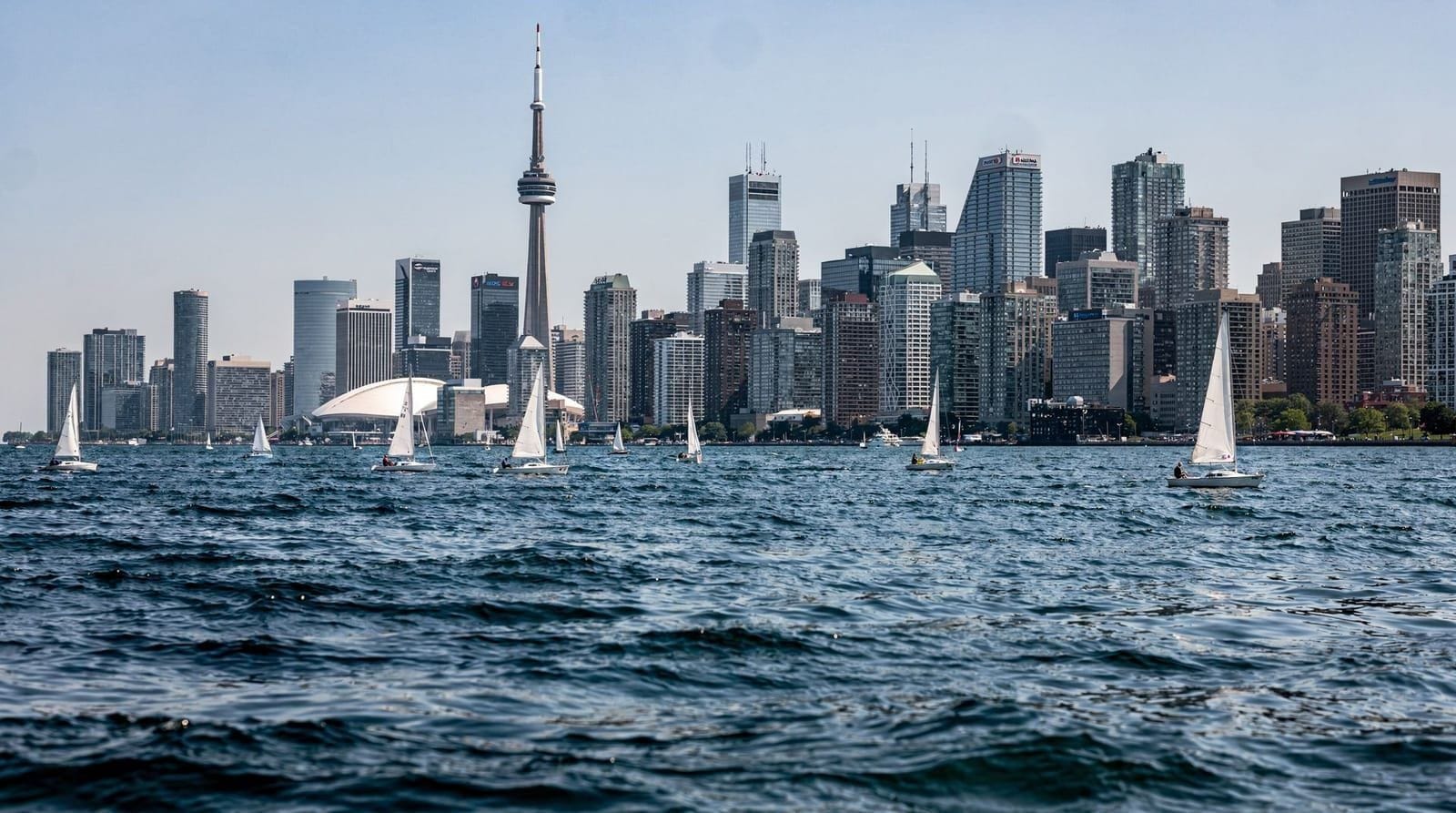
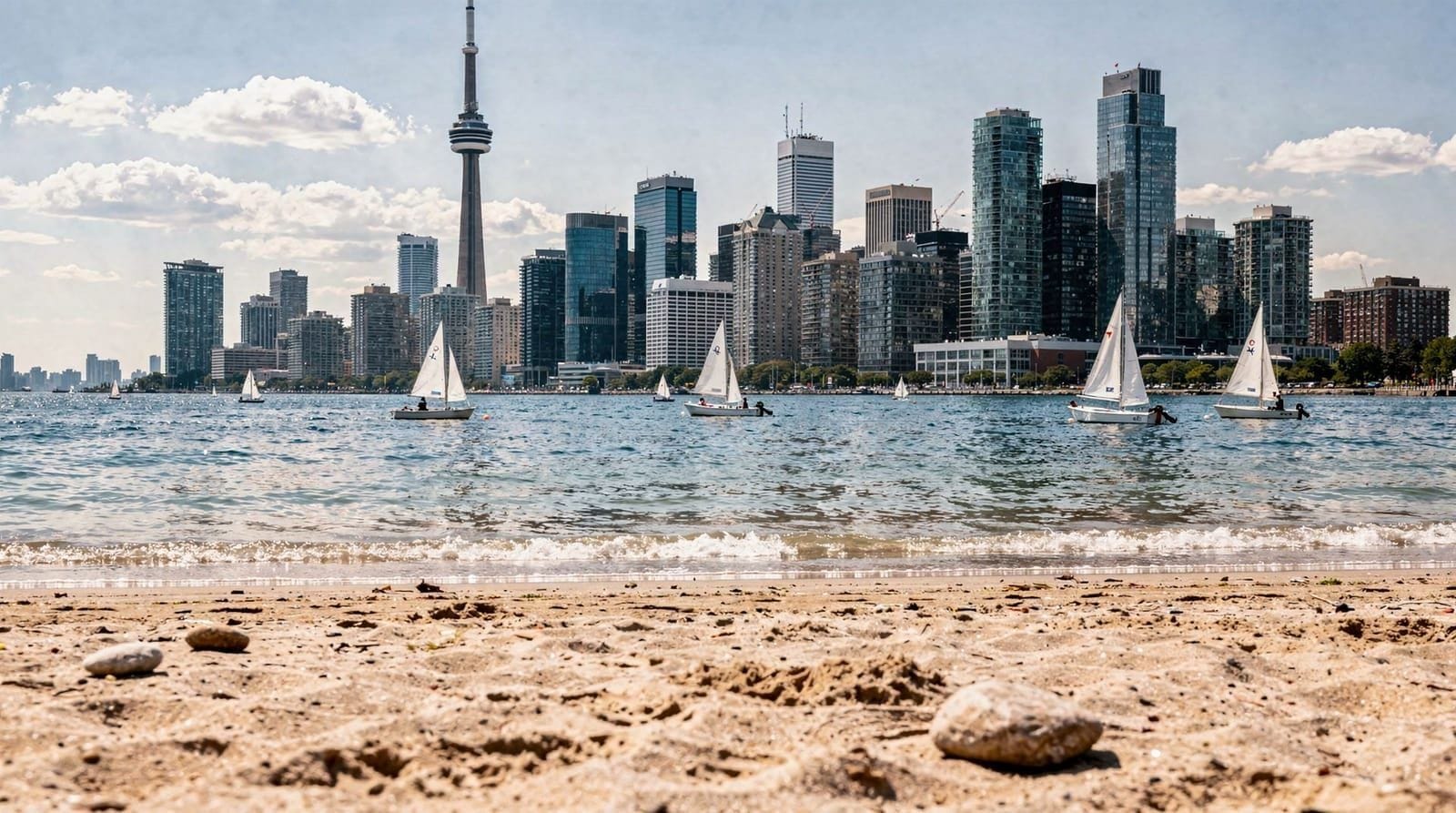
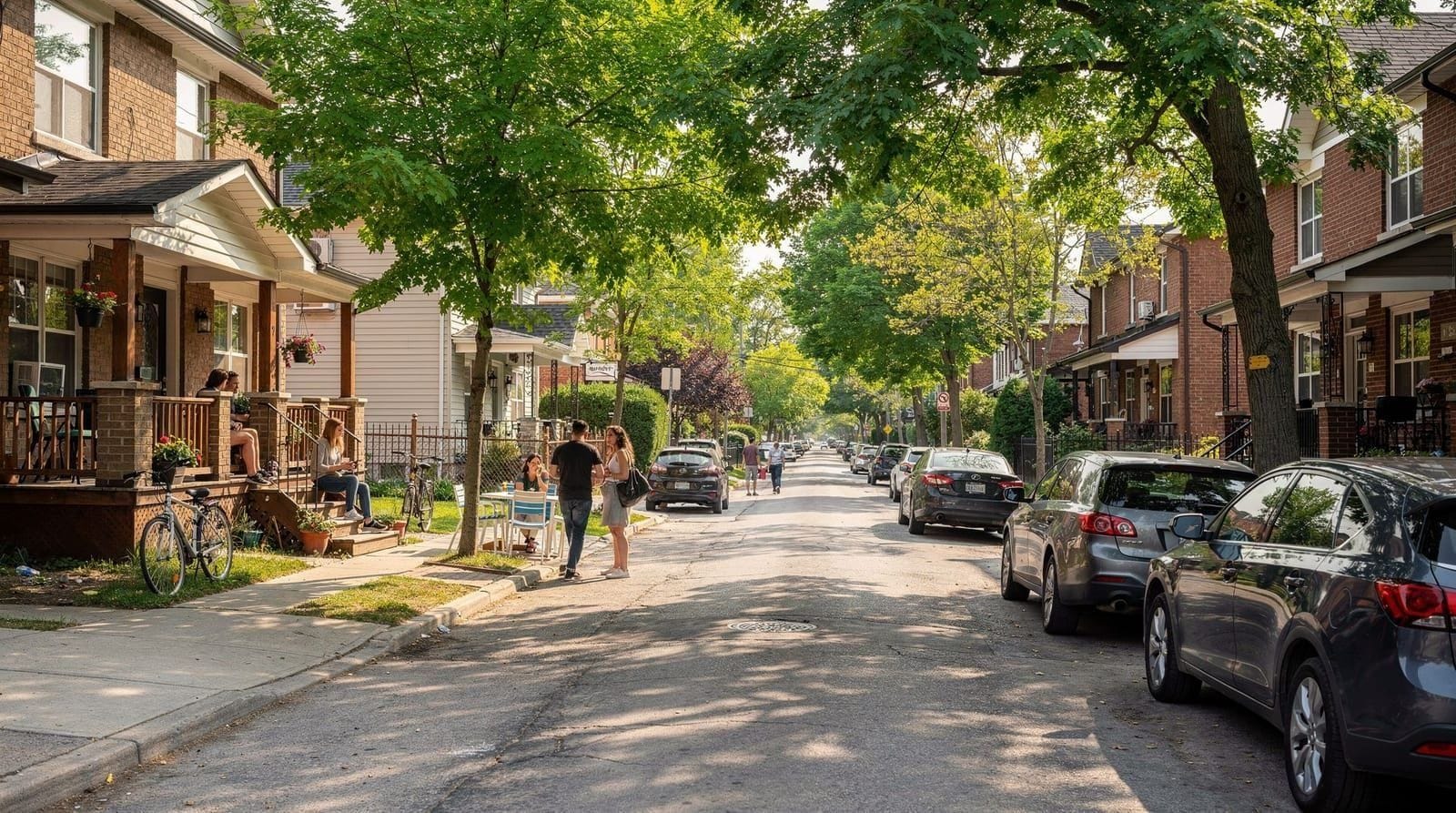
This is where the two cities differ most visibly. Montreal’s Old Port retains genuine 17th- and 18th-century French colonial architecture, cobblestone streets, and a European visual texture that Toronto — a younger city built up mostly in the 19th and 20th centuries — simply doesn’t have an equivalent to. Toronto’s visual identity instead comes from its modern skyline, its Victorian residential neighborhoods like Cabbagetown, and its striking ethnic-neighborhood diversity rather than a single historic core. Photographers chasing old-world charm will find more of it in Montreal; those interested in urban diversity and modern skyline shots will find more range in Toronto.
The honest verdict
Neither city “wins” outright — the useful question isn’t which is objectively better, it’s which matches what you actually want from a Canadian trip. Toronto for scale, diversity, and English-language ease; Montreal for compact old-world charm and a distinctly French-Canadian cultural experience. If your schedule allows it, doing both on one trip gives you the clearest sense of how different two major Canadian cities can be.
Sports and event calendars
Both cities have strong professional sports cultures, but they lean differently — Montreal is defined by hockey (the Canadiens) with a fervor that borders on civic identity, while Toronto spreads its sports enthusiasm across hockey, baseball, basketball, and now growing soccer interest tied to the 2026 World Cup. If catching a live game is part of your trip, Toronto’s broader range of leagues and venues (see our Blue Jays and Raptors guides) gives more scheduling flexibility across different seasons than Montreal’s more single-sport-dominant calendar.
Museums and shopping
Toronto’s Royal Ontario Museum and Art Gallery of Ontario give it a slight edge in institutional variety, while Montreal counters with a genuinely strong contemporary art and design scene tied to its francophone creative industries. For shopping, Toronto’s Yorkville handles high-end retail while Kensington Market covers independent and vintage; Montreal’s equivalent split runs between downtown’s Sainte-Catherine Street and the Plateau’s more boutique, design-forward shops. Both give a full weekend’s worth of browsing without repeating themselves.
Climate comparison across the seasons
Both cities share a similar continental climate broadly, but Montreal tends to run slightly colder in deep winter and sees more snow accumulation than Toronto, which sits closer to the moderating effect of the Great Lakes. Summers are comparable in both — warm and humid, generally 20-28°C through July and August. If winter cold specifically factors into your decision, Toronto has a marginal edge, though neither city is a mild-winter destination by any stretch.
If Toronto wins your decision, where to start
For a first Toronto itinerary, the classic core covers Downtown, the Distillery District and St. Lawrence Market in a single walkable day, with Kensington Market and Chinatown as a second-day pair. Our Toronto budget travel guide and Toronto on a budget breakdown both help set expectations on cost before you commit to a Toronto-only trip.
If a side trip from either city interests you
Travelers based in Toronto for this comparison often layer in a Niagara day trip, covered in our Niagara Falls day trip from Toronto guide, or an Ontario wine country visit via the Niagara-on-the-Lake destination guide — neither has a real Montreal equivalent within the same short drive, which is worth weighing if day-trip variety matters to your decision.
Toronto to Niagara Falls day tour with boat cruiseFrequently asked questions about Toronto vs Montreal
Which is cheaper, Toronto or Montreal?
They’re close overall, with Montreal having a slight edge on accommodation and casual dining. Both are notably cheaper than Vancouver and comparable to mid-tier US cities.
Do I need to speak French to visit Montreal?
No — most people in tourist-facing roles speak English, but Montreal’s dominant language is French, and the cultural experience leans more French-Canadian than Toronto’s.
How do I travel between Toronto and Montreal?
VIA Rail train (4.5-5.5 hours), driving via Highway 401 (about 5.5 hours), or flying (90 minutes plus airport time). The train is generally the most comfortable option for the distance.
Which city is better for food?
Different strengths, not a clear winner. Montreal excels at French and Jewish-deli cuisine and fine dining; Toronto’s strength is sheer range across dozens of immigrant-community cuisines.
Can I visit both Toronto and Montreal on one trip?
Yes, easily — they’re close enough (4.5-5.5 hours by train) that a combined trip is a common and practical itinerary rather than a major detour.
Which city has better day trips nearby?
Toronto has the edge for variety — Niagara Falls, Niagara-on-the-Lake wine country and Prince Edward County are all within a couple of hours, whereas Montreal’s closest comparable day trips (the Laurentians, Quebec City) tend to run longer.
Is one city objectively better for a first-time Canada visitor with only a few days?
Toronto, if you want the single most internationally connected city with the widest range of things to do; Montreal, if a distinctly French-Canadian atmosphere and compact old-town charm matter more than sheer range of activities.