St. Lawrence Market
St. Lawrence Market guide: peameal bacon sandwiches, Saturday farmers market, Sunday antique market, and everything else in Toronto's Old Town.
Toronto: Private Food Discovery at St Lawrence Market
Quick facts
- Best base for
- Food markets, Old Town history
- Nearest transit
- 504 King streetcar, Union station
- Founded
- 1803
- Closed days
- Sundays and Mondays (main hall)
A market with over two centuries of continuous operation
St. Lawrence Market traces its roots to 1803, when the site was designated as Toronto’s original town market by proclamation of Lieutenant Governor Peter Hunter. The current main building dates to 1901, built around the reused facade of Toronto’s old City Hall, and National Geographic named it the world’s best food market in 2012 — a title the market’s vendors still reference with visible pride on their signage. Unlike a market built for tourists, St. Lawrence has functioned as a working food market for the neighbourhood continuously for over 200 years, which shows in the mix of stalls: alongside the well-known tourist stops, you’ll find butchers, cheesemongers, and produce vendors serving actual regulars doing their weekly shop.
| Where | Old Town Toronto, 10-12 min walk from Union Station |
| Time needed | 1-3 hours |
| Getting there | Walk from Union Station, or 504 King streetcar |
| Cost | Free to browse; meals around CAD 10-18 |
| Hours | Closed Sundays and Mondays (main hall) |
The peameal bacon sandwich, and what else to eat
Carousel Bakery’s peameal bacon sandwich has become the market’s unofficial signature dish — thick-cut, cornmeal-crusted back bacon on a soft bun, a dish specific enough to the city that it’s sometimes called “Canadian bacon” internationally but rarely appears this way outside Toronto. Expect a line, especially on Saturdays, but the turnover is fast. Beyond the sandwich, the market’s density of specialty vendors rewards grazing: fresh oysters at one of the seafood counters, artisan cheese, and baked goods from several long-running stalls.
If you’d rather have a guide curate the stops worth your appetite rather than wandering blind through over 120 vendors, a St. Lawrence Market private food discovery tour covers a tasting route in a couple of hours, or the St. Lawrence and Old Town food tour extends beyond the market itself into the surrounding historic streets.
Saturday farmers market and Sunday antiques
The main building operates Tuesday through Saturday, but the North Market building across the street runs its own separate schedule: a farmers market on Saturdays (produce, flowers, and local goods direct from Ontario growers) and an antique market on Sundays, when the main hall itself is closed. This is worth planning around — a Sunday visit expecting the full main-hall experience will be disappointed, while a Saturday visit gets you both markets running simultaneously, which is genuinely the best single day to visit if your schedule allows.
Old Town Toronto around the market
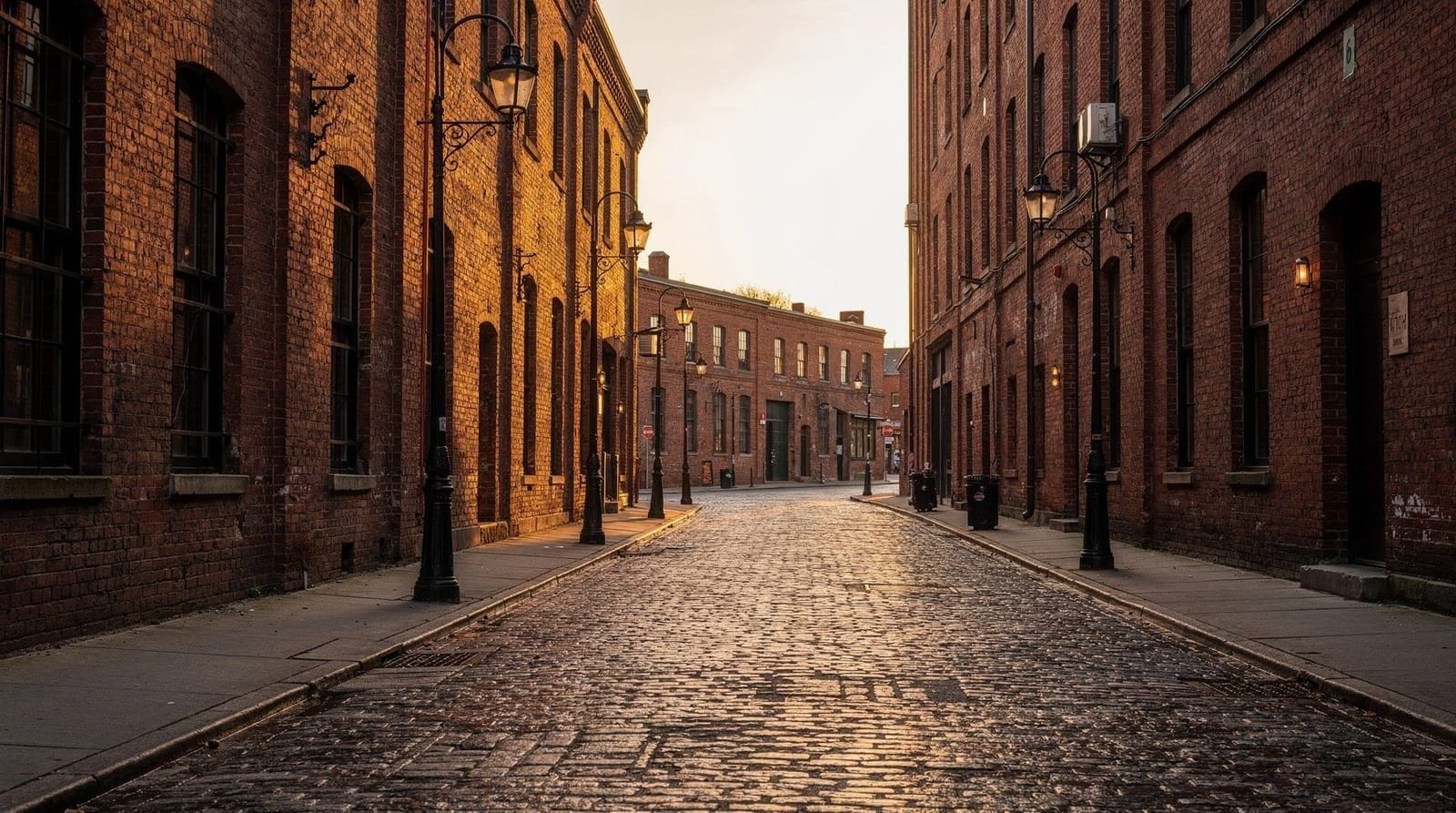
The market sits within Old Town Toronto, the city’s original settled core, and several blocks of well-preserved 19th-century commercial architecture surround it — worth a slower walk if you have the time. The Distillery District (a converted Victorian industrial site with its own food and drink scene) sits a 10-15 minute walk southeast, and a St. Lawrence Market and Distillery District food tour links the two into a single half-day itinerary if you want both the market’s food stalls and the Distillery District’s breweries and cafés covered without backtracking.
The Hockey Hall of Fame, close by
A five-minute walk from the market, the Hockey Hall of Fame occupies a restored 1885 Bank of Montreal building at Yonge and Front — worth mentioning here because visitors often combine the two in a single downtown loop. Even for casual hockey fans, the building’s ornate banking-hall interior, repurposed as an exhibit space, is worth the stop, and it pairs naturally with a market visit given the short walking distance between them.
A sample market visit, hour by hour
Arrive by 9am on a Saturday to beat the worst of the crowds while the farmers market across the street is still setting up. Spend the first 30-45 minutes in the main hall grazing a few stalls — a coffee and a pastry to start, then working toward the Carousel Bakery for the peameal bacon sandwich around mid-morning once the initial rush has thinned slightly. Cross to the North Market for the farmers market itself, browsing produce and flowers even if you’re not buying. Finish with a walk toward the Distillery District or back into downtown for the afternoon. This whole sequence comfortably fills two to three hours without feeling rushed.
Getting there
The market sits a short walk from Union Station — roughly 10-12 minutes on foot — making it one of the easier stops to fold into a downtown day without needing transit at all. The 504 King streetcar also runs nearby if you’re coming from further west. There’s limited on-site parking and it fills quickly on Saturdays, so transit or walking is the more reliable option.
Best time to visit
Saturday morning is peak market activity, with both the main hall and the farmers market running at full capacity — arrive early (before 10am) to beat both the crowds and the lunch rush at the food stalls. Weekday mornings offer a noticeably calmer visit if you’d rather browse without jostling for space, though you’ll miss the farmers market entirely. The market is closed Sundays and Mondays for the main hall (the North Market runs its antique market on Sundays instead), so check the schedule before building a day around it.
The market’s role in the neighbourhood beyond tourism
It’s worth remembering that St. Lawrence Market functions first as a genuine grocery destination for downtown residents, not a tourist attraction that happens to sell food — many of its vendors have supplied the same families for generations, and the market’s continued operation reflects real neighbourhood demand rather than a preserved historical curiosity. This shows up in small ways: butchers who know regular customers by name, produce sellers who’ll recommend what’s actually good that week rather than pushing whatever’s on display, and a general lack of the tourist-trap pricing you might expect at a market with this much name recognition.
Accessibility
The main market building is fully accessible, with elevators connecting its two levels and wide aisles by market standards, though Saturday crowds can make navigation with a wheelchair or stroller genuinely more difficult during peak hours. Arriving earlier in the day, before the crowds build, is the most practical way to manage this if mobility is a concern.
Practical tips
Bring an appetite and skip breakfast — this is a market built for grazing across multiple stalls rather than one big sit-down meal. Cash still moves faster at some of the smaller counters during the Saturday rush, though most vendors now accept cards. If you’re combining this with the Distillery District or a walk through downtown, do the market first thing, since the crowds only build as the day goes on, particularly on weekends.
The market building’s own layered history
The main market building’s ground floor incorporates the reused facade of Toronto’s 1845 City Hall, a detail easy to miss while grazing food stalls but worth a second look — the building genuinely wraps a piece of the city’s civic history inside a working commercial structure rather than preserving it separately as a museum piece. Upstairs, the second floor once housed council chambers and, notably, was also the site of Canada’s first purpose-built art gallery space before the institution that eventually became the Art Gallery of Ontario found its permanent home. Few visitors realize a food market they came to for a sandwich also carries this civic and cultural lineage.
A word on nearby markets you might confuse it with
St. Lawrence Market is sometimes confused with smaller neighbourhood markets or seasonal farmers markets elsewhere in the city — it’s worth being clear that this is the flagship, largest, and most historically significant of Toronto’s markets, distinct from smaller weekly farmers markets that pop up in various neighbourhood parks through the summer. If a local mentions “the market” without specifying, they most likely mean this one, given its scale and reputation relative to the smaller, seasonal alternatives.
Seasonal shifts in what’s on offer
The Saturday farmers market’s selection changes meaningfully across the year, with the widest range of local Ontario produce available from late spring through fall harvest season, and a narrower, more preserved-and-greenhouse-goods selection through winter. If fresh, in-season Ontario produce is specifically what draws you to the farmers market side of the visit, a summer or early-fall trip will show the market at its most abundant.
A final practical note
If you’re travelling with limited luggage space, be realistic about what you can carry away from the market — cured meats, cheese, and baked goods travel reasonably well for a same-day return to a hotel with a fridge, but anything requiring careful refrigeration over multiple days is a poor souvenir choice for most travellers. Treat the market primarily as a place to eat on-site rather than a shopping trip to stock a hotel room.
The market’s relationship to Toronto’s dining scene
Several chefs and restaurant owners across the city source ingredients from St. Lawrence Market vendors directly, and it’s not uncommon to spot a recognizable local chef doing their own shopping on a weekday morning before the tourist crowds arrive. This working relationship between the market and the city’s broader restaurant industry is part of what keeps quality consistently high across the vendor stalls — professional buyers won’t tolerate mediocre product, and their continued patronage is a reliable, if informal, quality signal for visitors.
Combining the market with a broader food-focused day
For visitors specifically interested in Toronto’s food culture, St. Lawrence Market pairs naturally with a walk through Kensington Market or Chinatown later the same day — three very different market traditions (a historic European-style covered market, an eclectic multicultural bazaar, and a dense Asian food and grocery strip) that together give a genuinely broad picture of how the city eats.
Vendors worth seeking out beyond the famous sandwich
Beyond Carousel Bakery, the market rewards a slower lap: a well-regarded fishmonger runs a small oyster bar counter inside the main hall, several butchers sell aged and specialty cuts you won’t find at a supermarket, and a handful of stalls specialize in imported cheese and charcuterie that draw regulars planning a dinner party as much as tourists after a snack. Baked goods are another strength — a couple of long-running bakeries sell butter tarts and other Ontario staples worth trying alongside the headline peameal bacon sandwich, and treating the visit as a grazing crawl across four or five stalls rather than one big meal gets more out of the market than any single stop can.
Frequently asked questions about St. Lawrence Market
Is St. Lawrence Market open on Sundays?
The main market hall is closed on Sundays and Mondays. The North Market building across the street runs a separate antique market on Sundays.
What’s the most famous food at St. Lawrence Market?
The peameal bacon sandwich from Carousel Bakery is the market’s best-known dish, though the market’s real strength is its overall density of specialty food vendors rather than any single stall.
How do I get to St. Lawrence Market from Union Station?
It’s about a 10-12 minute walk, entirely flat and straightforward, or a short ride on the 504 King streetcar if you’d rather not walk.
Is St. Lawrence Market expensive?
Prices are reasonable for the quality — a sandwich or light meal typically runs C$10-18, cheaper than most sit-down restaurants in the surrounding downtown area.
When is the farmers market at St. Lawrence Market?
Saturdays, in the North Market building across the street from the main hall, running alongside the main market’s regular Saturday hours.
How long should I spend at St. Lawrence Market?
One to two hours covers a proper visit with time to graze several stalls. Add more time on a Saturday if you’re also browsing the farmers or antique markets.
Is a guided food tour worth it at St. Lawrence Market?
It’s worth it if you want a curated route through 120-plus vendors without guesswork — a guide can steer you to the strongest stalls and manage the Carousel Bakery line efficiently. Independent grazing works fine too if you don’t mind exploring at your own pace and skipping the least memorable stalls yourself.
Can I combine St. Lawrence Market with the Hockey Hall of Fame?
Yes — it’s about a five-minute walk away, and combining the two into a single downtown loop is a common and efficient pairing, even for visitors who aren’t dedicated hockey fans.
Top experiences
Bookable activities with verified prices and instant confirmation on GetYourGuide.