High Park
Guide to High Park, Toronto's largest park: cherry blossoms, Grenadier Pond, the free zoo, and cycling routes toward the waterfront.
Toronto Waterfront and Islands Guided Bicycle Tour
Quick facts
- Best base for
- Cherry blossoms, cycling, a green day away from downtown
- Nearest subway
- High Park or Keele station (Line 2)
- Size
- About 160 hectares (400 acres)
- Founded
- 1876, gifted by John George Howard
Toronto’s largest park, and it’s genuinely wild in parts
| Best for | Cherry blossoms, cycling, families, a green day in the city |
| Cost | Free entry and zoo; bike tours from around C$50-90 |
| Time needed | 2-3 hours for the highlights; a full day with hiking |
| Getting there | High Park or Keele subway station (Line 2) |
| Best time | Late April-early May for blossoms; June-Sept overall |
At roughly 160 hectares, High Park dwarfs most other green spaces in the city, and unlike a manicured downtown square, significant sections retain a genuinely wild, forested character — including some of the last remaining black oak savannah habitat in Ontario, a rare ecosystem the city actively manages with controlled prescribed burns to keep it healthy. The land was donated to the city in 1876 by architect John George Howard, on the condition it remain a public park in perpetuity, and that condition has held for nearly 150 years. It’s large enough that visitors regularly discover they’ve only seen a fraction of it even after multiple trips.
Cherry blossoms: the single most photographed week of the year
High Park’s cherry blossom (sakura) grove, a gift from the Japanese consul general in the 1950s in honour of Toronto-Japan friendship, blooms for a narrow window typically in late April or early May — and when it does, this becomes one of the most visited, most photographed spots in the entire city. The bloom’s exact timing shifts year to year with the weather, and the city posts blossom-watch updates as the date approaches; if this is the specific reason for your visit, check current status close to your travel dates rather than assuming a fixed calendar week. Expect real crowds during peak bloom, particularly on weekends, with photographers and tripods a common sight well before sunrise.
Grenadier Pond and the park’s quieter corners
Grenadier Pond, the park’s largest body of water, anchors the western side and draws walkers, anglers (with an Ontario fishing licence), and, in winter on the rare occasions the ice is thick and safe, skaters — though ice conditions vary enough year to year that skating isn’t a reliable annual feature. The pond’s edges and surrounding trails see noticeably less foot traffic than the park’s more central areas, making this the better direction to head if you’re looking for quiet rather than the cherry blossom crowds.
The free zoo
High Park’s zoo, a modest but genuinely free attraction, houses bison, llamas, capybaras, and a handful of other species in a low-key setting that feels more like a rural petting zoo than a major city zoo (compare this to the much larger, ticketed Toronto Zoo, a separate destination well outside the downtown core). It’s a solid stop for families with young kids who don’t need the scale of a full zoo experience, and the zero admission cost makes it an easy add-on to a longer park visit.
Colborne Lodge and the park’s built history
Colborne Lodge, the preserved Regency-style cottage of John George Howard, the architect who donated the land that became High Park, sits within the park itself and operates as a small museum documenting Howard’s life and the park’s founding. It’s a modest, easy add-on rather than a destination in its own right, but gives useful context for anyone curious why this particular 160 hectares stayed protected while so much of the surrounding city grew up around it. The building itself, dating to the 1830s, predates most of what’s now considered historic Toronto architecture.
The black oak savannah in more depth
The rare black oak savannah habitat within High Park is one of the last remaining examples of a landscape type that once covered significant stretches of what’s now southern Ontario, largely eliminated elsewhere by agricultural and urban development. The city’s ecology team conducts controlled prescribed burns in sections of the park periodically to maintain the savannah’s health — a practice that mimics the natural and Indigenous-managed fire cycles the ecosystem evolved with, and one that occasionally surprises visitors who encounter a recently burned, blackened section of trail and assume it’s the result of an accident rather than deliberate land management.
Hiking trail details
Beyond the main paved loop roads, High Park has a genuine network of unpaved hiking trails threading through its wooded and savannah sections, particularly on the park’s western side away from the cherry blossom grove and zoo. These trails see far less foot traffic than the park’s central areas and offer the closest thing to a genuine woodland walk available without leaving the city. Trail markings are inconsistent in spots, so a downloaded map or the posted trailhead signage is worth consulting before committing to a longer loop.
Cycling through and beyond
High Park connects into the city’s broader cycling network, and a loop through the park’s main roads (closed to cars on weekends and holidays in season) makes for an easy, low-traffic ride.
For a longer route that extends beyond the park itself, a waterfront and islands bike tour can be paired with a High Park visit if you’re building a full cycling day, or the city and Brick Works bike tour heads toward the Don Valley Brick Works, a very different converted-industrial green space on the opposite side of the city, giving a useful contrast if you’re comparing Toronto’s park system across a single trip.
Getting there
High Park and Keele stations on Line 2 both sit at the park’s edges, making this one of the more subway-accessible large green spaces in the city — a genuine advantage over destinations that require a longer transit combination. On weekends and holidays during the warmer months, the park’s main road closes to car traffic, which noticeably improves the walking and cycling experience but means driving in isn’t always an option; check current vehicle access rules before planning to drive.
Best time to visit
Late April into early May is the narrow, high-demand cherry blossom window — beautiful but crowded. June through September offers the fullest version of the park experience: the zoo, the pond, hiking trails, and picnic areas all in active use without the single-minded blossom crowds. Fall brings strong foliage colour through the park’s mature tree canopy, a quieter and arguably underrated season to visit. Winter strips back most activity but the trails remain walkable, and a snow-covered High Park has its own stark appeal for a colder-weather walk.
Picnicking and where to sit
Grenadier Pond’s northern shore and the open lawns near the zoo offer the most reliable picnic spots with reasonable shade, particularly useful in the height of summer when the park’s more open central sections can get uncomfortably exposed. Bring your own supplies rather than expecting extensive on-site food options — beyond a couple of seasonal concession stands, High Park isn’t built around dining the way a destination like St. Lawrence Market is.
Accessibility
The main paved loop road and paths around the pond and zoo are wheelchair and stroller accessible, though the unpaved hiking trails through the savannah and wooded sections are considerably rougher terrain. The park publishes an accessibility map worth checking in advance if you’re planning a route around specific mobility needs.
Practical tips
If cherry blossom season is your priority, arrive at or before sunrise on a weekday if possible — weekend afternoons during peak bloom can mean genuinely dense crowds around the main grove specifically, even though the rest of the park stays comparatively quiet. Bring a picnic; the park has ample green space for it and no shortage of shaded spots, particularly around Grenadier Pond. The park is large enough that a phone map or the posted trail signage is worth consulting rather than assuming you’ll orient yourself purely by instinct.
Wildlife beyond the zoo
Independent of the small zoo enclosure, High Park’s woodland and savannah sections support a genuinely diverse population of wild birds, and the park is a recognized stop for local birdwatchers, particularly during spring and fall migration. Coyotes have also been documented within the park’s larger wooded sections in recent years, a reminder that despite sitting fully within city limits, High Park retains real, functioning wildlife habitat rather than being purely a manicured recreational space — a detail that occasionally surprises visitors expecting a fully tame, urban park experience.
High Park across a full year
Because the park’s character shifts so dramatically by season — cherry blossoms in spring, full canopy shade in summer, strong foliage in fall, and a stripped-back, quiet landscape in winter — repeat visitors sometimes treat High Park as a destination worth returning to across multiple trips to the city rather than a one-time stop, in a way that’s less common for a more static attraction like a museum. If you’re a returning visitor to Toronto, consider timing a High Park visit for whichever season you haven’t yet experienced.
Sports facilities within the park
Beyond hiking and cycling, High Park contains a genuine range of sports facilities that see heavy local use — tennis courts, sports fields used for informal soccer and baseball, and a large outdoor swimming pool open through summer months. These are worth knowing about even if not your primary reason for visiting, since they contribute to the park’s lived-in, functional character rather than existing purely as scenery for visitors passing through.
A final orientation note
Because High Park is genuinely large and its entrances spread across several points along Bloor Street and Parkside Drive, it’s worth deciding in advance roughly which section you want to prioritize — cherry blossoms and zoo near the eastern entrances, Grenadier Pond and the quieter trails toward the west — rather than entering without a plan and hoping to stumble onto everything in a single visit.
High Park versus Toronto’s other green spaces
If you’re deciding between a High Park visit and one of the city’s other outdoor options, the comparison depends on what you actually want from the day.
| Park | Best for | Trade-off |
|---|---|---|
| High Park | Size, cherry blossoms, free zoo, real trails | Crowded during peak blossom week |
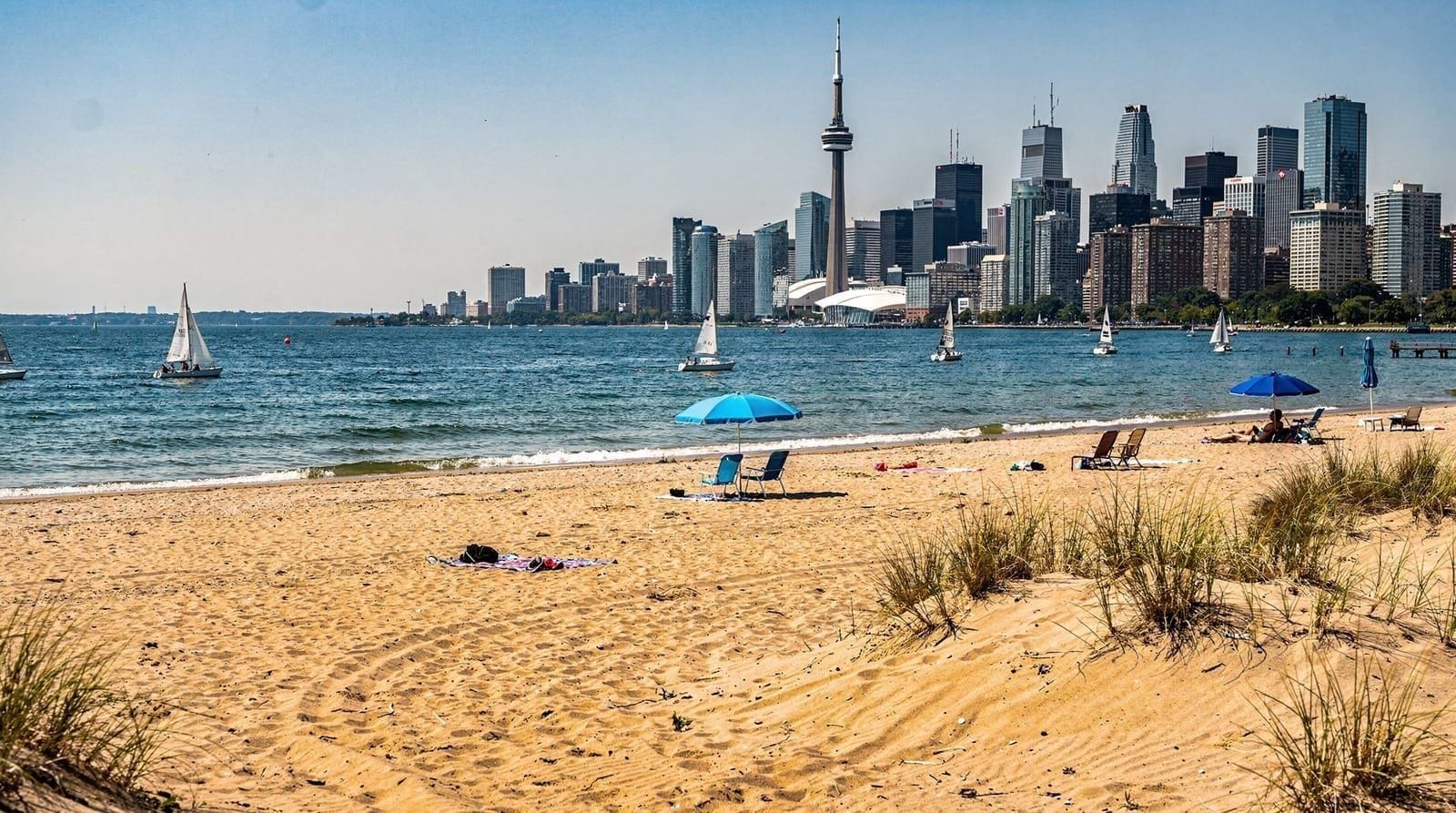
| Toronto Islands | Skyline views, beaches, car-free feel | Requires a ferry ride |
| The Beaches | Lakefront boardwalk, a neighbourhood feel | Further east, less “wild” than High Park |
High Park is the pick if a genuinely large, forested green space matters more than water access — the Toronto Islands and the Beaches both trade that woodland feel for a lakeside one.
A practical half-day route
Enter near the High Park subway station and head first toward the cherry blossom grove and the free zoo if you’re visiting in spring, or straight to Grenadier Pond’s quieter western trails the rest of the year. Budget 20-30 minutes at the zoo, an hour for a loop around the pond, and leave time to pick a picnic spot on the northern shore before the afternoon gets crowded. If you’re combining the park with a wider cycling day, extend the route toward the waterfront rather than trying to see everything on foot in one visit.
Toronto waterfront and islands bike tourFrequently asked questions about High Park
When do the cherry blossoms bloom in High Park?
Typically late April to early May, though the exact timing shifts year to year with the weather. Check the city’s blossom-watch updates close to your travel dates for the most accurate timing.
Is the High Park Zoo free?
Yes, admission to the zoo within High Park is free, distinct from the much larger, ticketed Toronto Zoo located elsewhere in the city.
How do I get to High Park without a car?
High Park and Keele subway stations on Line 2 both sit at the park’s edges, making it easily accessible by transit.
Is High Park good for a full day, or just a couple of hours?
Both work depending on your goals — a couple of hours covers the main sights and the zoo, while a full day allows time for a longer hike, a picnic, and exploring the park’s quieter western trails around Grenadier Pond.
Can I drive into High Park?
Vehicle access varies by season and day — the main road closes to cars on weekends and holidays during warmer months. Check current access rules before planning to drive in.
Is High Park safe to visit?
Yes, it’s a well-used, generally safe park throughout the day, though as with any large green space, sticking to main paths after dark is the sensible default.
Is High Park worth visiting if I’ve already seen the Toronto Islands?
Yes — the two offer genuinely different experiences. The islands trade on skyline views and beaches reached by ferry, while High Park’s appeal is its scale, the free zoo, and real woodland and savannah habitat you won’t find on the islands. Visitors doing both over a longer trip usually find they don’t feel repetitive.
How crowded does High Park get during cherry blossom season?
Very, specifically around the blossom grove itself on weekends — expect photographers and tripods well before sunrise and dense foot traffic through midday. The rest of the park, including Grenadier Pond and the western trails, stays comparatively quiet even during peak bloom, so it’s worth splitting your visit if crowds bother you.
Top experiences
Bookable activities with verified prices and instant confirmation on GetYourGuide.