Aga Khan Museum guide
Is the Aga Khan Museum worth visiting?
Yes, especially for anyone interested in Islamic art, architecture, or a quieter museum experience than downtown offers. It's located in Toronto's Don Mills area, roughly 25-30 minutes from downtown by transit, which keeps crowds genuinely light compared to the ROM or AGO.
The museum most Toronto visitors never make it to
Ask most tourists in downtown Toronto about the Aga Khan Museum and you’ll often get a blank look — not because it’s obscure or minor, but because its location, roughly 25-30 minutes northeast of downtown in the Don Mills area, sits well outside the walkable cluster of attractions most itineraries default to. That’s a genuine loss for anyone with even a passing interest in Islamic art or architecture, since the museum holds one of North America’s most significant dedicated collections and occupies one of the city’s most striking modern buildings.
| Where | Don Mills, roughly 25-30 minutes northeast of downtown |
| Cost | around $20-25 CAD adult admission |
| Time needed | 1.5-2 hours, plus 20-30 minutes for the gardens |
| Getting there | TTC bus connection from the subway, or a ~20-minute drive |
| Best time | weekday mornings for the quietest galleries |
What the museum holds
The Aga Khan Museum’s permanent collection spans over a thousand years of Islamic art and civilization, drawn from regions across the Middle East, Central Asia, and South Asia. Manuscripts, ceramics, textiles, and scientific instruments make up the core holdings, with rotating special exhibitions bringing in loaned works from international collections. The museum was established by the Aga Khan, the hereditary spiritual leader of the Shia Ismaili Muslim community, as part of a broader cultural initiative that also includes the adjacent Ismaili Centre — the two buildings sit within a shared 6.8-hectare park designed to complement each other.
The building itself is a reason to visit
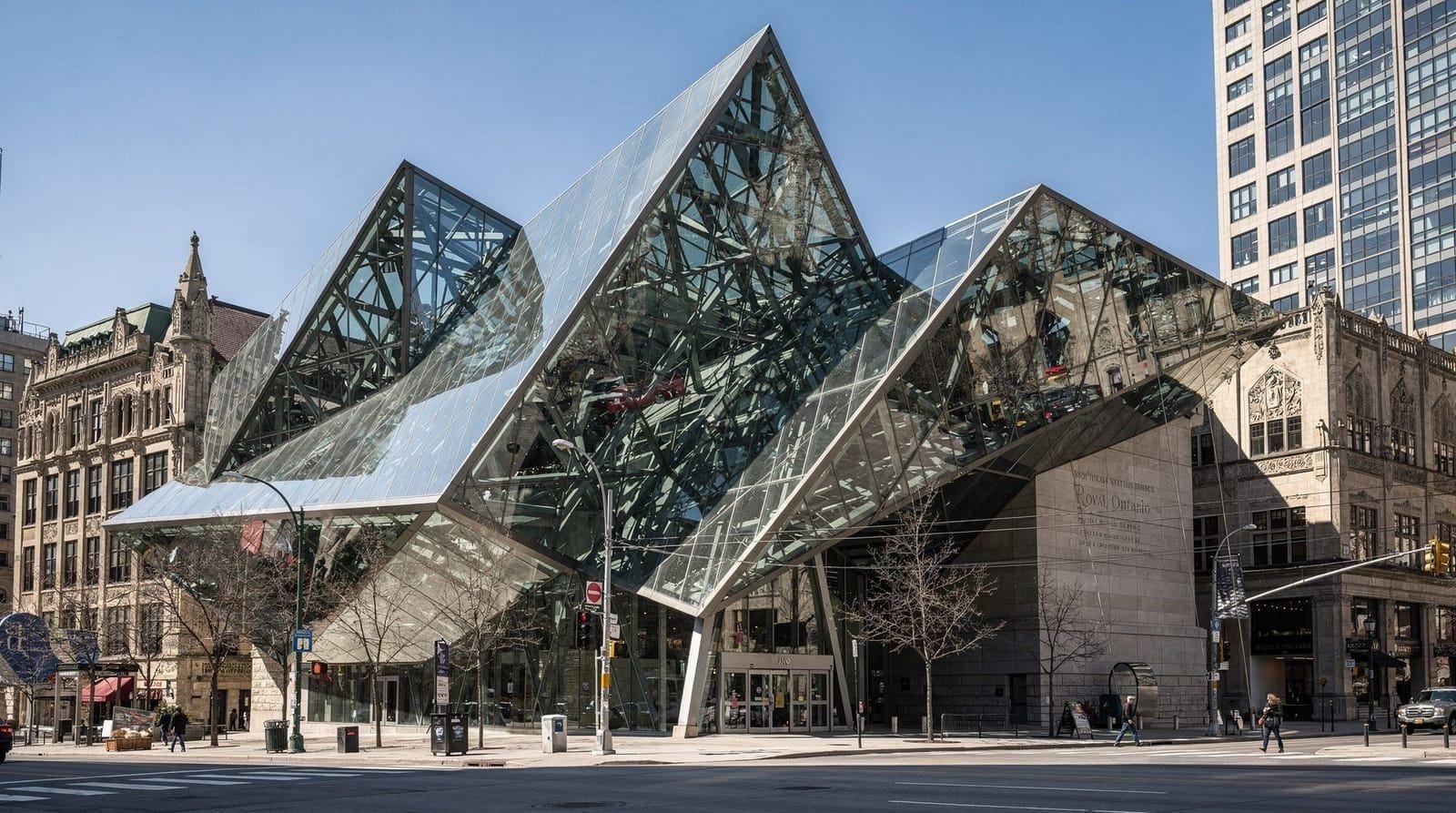
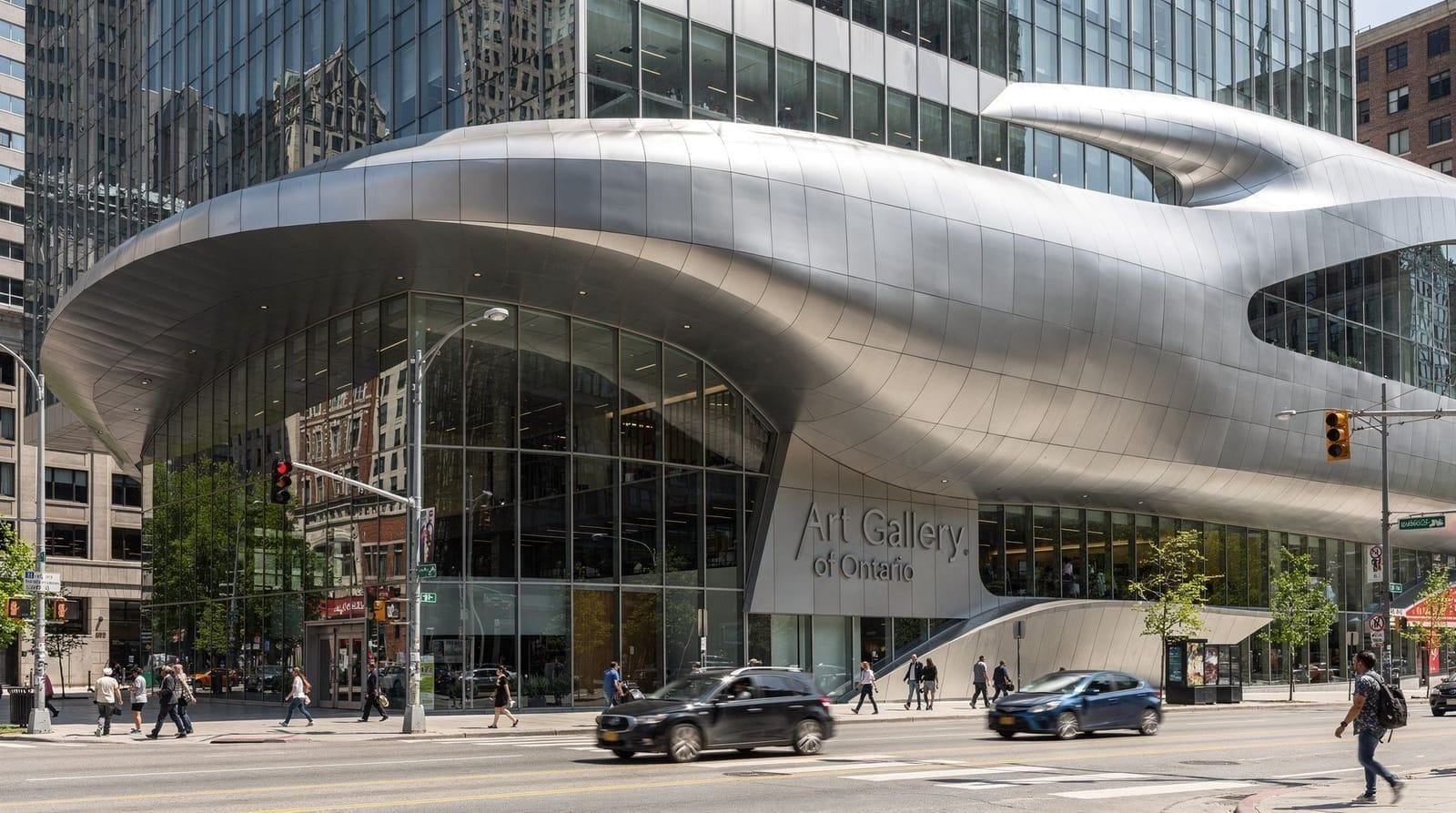
Japanese architect Fumihiko Maki designed the museum building, a geometric structure in white granite that plays deliberately with natural light throughout the day — the interior courtyard and galleries shift in mood as sunlight moves across the patterned glass and stone surfaces. It’s a genuinely different architectural experience from the ROM’s Crystal or the AGO’s Gehry facade, quieter and more contemplative in feel, which suits the collection inside.
Ticket prices and how to book
General admission runs in a similar range to the ROM and AGO, typically in the $20-25 CAD range for adults, with discounts for students, seniors, and children. Check agakhanmuseum.org directly for current pricing and any special exhibition surcharges, since the museum doesn’t currently have a verified GetYourGuide ticket listing — book directly through the museum’s own site.
How much time to budget
Ninety minutes to two hours covers the permanent collection at a comfortable, unhurried pace — a genuine contrast to the ROM or AGO, where crowds can push you through galleries faster than you’d like. The museum’s manageable size means you’re less likely to hit museum fatigue here than at the larger downtown institutions, making it a good pairing with a lighter second activity the same day rather than another full museum visit.
The gardens and surrounding park
The shared park between the museum and the Ismaili Centre includes formal reflecting pools and landscaped gardens inspired by traditional Islamic garden design (chahar bagh, the four-part garden layout found across historical Persian and Mughal architecture). It’s a genuinely peaceful outdoor space, worth 20-30 minutes on a clear day even if you’re mainly there for the museum itself.
Getting there from downtown
The museum sits near the Eglinton and Don Mills area, reachable by TTC bus connections from the subway or a roughly 20-minute drive from downtown outside rush hour — check current transit routing before you go, since connections can shift. It’s genuinely not a walk-up attraction the way the ROM or AGO are from downtown hotels, so budget the extra travel time and treat it as a half-day excursion rather than a quick add-on between other downtown stops.
Who should prioritize this museum
If you have a specific interest in Islamic art, architecture, or a genuinely quiet museum experience away from downtown crowds, the Aga Khan Museum deserves a dedicated half-day. If your Toronto time is tight and general interest rather than specific passion is driving your museum choices, the Royal Ontario Museum or Art Gallery of Ontario remain the more efficient picks given their downtown location and broader collections. See the Toronto museums guide for how to prioritize across all of Toronto’s major museums given limited time.
Comparing the collection to the ROM’s Islamic and world culture holdings
Visitors sometimes assume the ROM’s broader world cultures galleries cover similar ground to the Aga Khan Museum, but the depth and focus differ considerably. The ROM’s Islamic art holdings are a smaller component within a much larger, more general world cultures collection, while the Aga Khan Museum is built entirely around this single thematic focus, with a correspondingly deeper and more specialized collection. For visitors with a specific, serious interest in Islamic art, architecture, or manuscript traditions, the Aga Khan Museum offers a level of depth the ROM’s broader approach can’t match — but for a more general overview of world cultures within a single visit, the ROM remains the more efficient stop.
Special exhibitions and events
The museum runs a rotating program of temporary exhibitions, lectures, and performances tied to its broader cultural mandate — check the current exhibition calendar before visiting if a specific show is your reason for the trip out, since programming changes several times a year and some exhibitions draw considerably larger, more specialized crowds than the typical quiet weekday visit.
The Aga Khan Development Network’s broader cultural mission
The museum is one part of a broader cultural initiative led by the Aga Khan, whose network also funds architecture, education, and heritage preservation projects across the Muslim world and beyond, including the well-regarded Aga Khan Award for Architecture. The Toronto museum was deliberately positioned as the network’s flagship cultural institution in North America, chosen in part because of Toronto’s large and established Ismaili community, one of the biggest outside of South Asia and East Africa. Understanding this broader context adds depth to a visit — the museum isn’t simply a standalone collection but part of a decades-long, internationally coordinated project around Islamic art, architecture, and pluralism.
Performance and lecture programming
Beyond the visual art galleries, the museum runs a genuinely active performance and lecture series, including music, dance, and academic talks tied to its broader cultural mandate. The museum’s auditorium, purpose-built for this programming, hosts events ranging from classical music from across the Islamic world to contemporary artist talks. These are typically ticketed separately from general museum admission and scheduled in the evening, making them a good option if you’re staying in Toronto long enough to return for a second, more specialized visit beyond the daytime collection tour.
Café and shop
The museum’s on-site café draws on Middle Eastern and South Asian culinary traditions for its menu, a genuinely worthwhile stop for lunch even independent of the museum visit itself, and a rarer example of a museum café that feels curated rather than an afterthought. The gift shop carries books, textiles, and design objects connected to the collection’s regions and themes, distinct from the more generic offerings at some of the larger downtown museum shops.
Is it accessible without a car?
Yes, though it requires a bus connection from the subway rather than a direct walk — plan for roughly 45 minutes to an hour total travel time from a typical downtown hotel, including the transit connection. It’s a reasonable trip for a dedicated museum day but not something to squeeze in as a quick stop between other downtown activities.
What to expect on a first visit, step by step
Arriving visitors typically enter through the main lobby facing the park, where the museum’s permanent collection galleries are organized on the lower level and rotating special exhibitions occupy a separate gallery space, making it straightforward to see the full permanent collection first before deciding how much time remains for whatever temporary exhibition happens to be running.
The museum’s compact, well-organized layout — a genuine contrast to the sprawling, sometimes disorienting floor plans at the ROM or AGO — means first-time visitors rarely need the printed map that’s essential at the larger downtown institutions, though picking one up at the entrance desk is still a reasonable idea if you want context on the surrounding park’s design as well as the galleries themselves.
Pairing with other Toronto culture
Because of its distance from downtown, the Aga Khan Museum doesn’t pair naturally with a same-day visit to the ROM or Casa Loma — treat it as its own half-day rather than trying to stack it with downtown attractions. For visitors interested in a broader look at cultural and religious diversity in the region, it also connects thematically with Indigenous culture in Ontario, even though the two collections cover entirely different histories.
The Ismaili Centre next door
Adjacent to the museum, the Ismaili Centre Toronto serves as a place of gathering and worship for the local Ismaili Muslim community, with its own striking glass-domed architecture designed by Charles Correa. It’s not generally open for casual tourist visits the way the museum is, since it functions as an active community and religious space rather than a public attraction, but its exterior and the shared park connecting it to the museum are worth taking in as part of the overall visit — the two buildings were conceived together, and seeing only the museum misses part of the site’s intended architectural conversation.
Why this museum matters for understanding Toronto’s diversity
Toronto is frequently described as one of the most multicultural cities in North America, and the Aga Khan Museum is a genuinely tangible expression of that reputation — a purpose-built, internationally significant cultural institution funded specifically to serve and represent one of the city’s substantial religious and cultural communities. Visiting it alongside more heavily marketed downtown attractions gives a fuller picture of the city than the CN Tower and harbourfront alone convey, and it pairs thematically with the Indigenous culture in Ontario guide for visitors interested in exploring Toronto’s layered cultural history beyond the standard tourist track.
Getting there step by step, without a car
From most downtown hotels, the practical route is a subway ride on Line 1 or Line 2 to a station with a connecting bus toward Don Mills, then a short bus leg to the museum itself — see the TTC transit guide for how fare payment and transfers work if this is your first time using Toronto’s transit system. Budget the full 45 minutes to an hour door-to-door rather than the roughly 20-minute driving time alone, since the bus connection adds a genuine waiting and transfer buffer that a car trip doesn’t have. Ride-share is a reasonable alternative if you’re travelling with a small group and want to skip the transfer.
Is it worth it for families with kids?
The museum works reasonably well for older children and teenagers with some patience for gallery visits, but it’s a quieter, more contemplative space than the hands-on exhibits at the Ontario Science Centre or the Royal Ontario Museum’s dinosaur galleries, so very young kids may find the pace slow. The surrounding gardens give restless kids somewhere to burn energy between gallery sections, which helps. If your family trip is generally more oriented toward interactive attractions, see the things to do with kids in Toronto guide for higher-energy alternatives closer to downtown.
How it fits into a broader downtown culture day
Because of the travel time, most visitors treat the Aga Khan Museum as a dedicated half-day rather than folding it into a downtown walking route that also covers Chinatown or the Distillery District. If you’re building a multi-day culture-focused itinerary, it works best scheduled on its own day, paired with a lighter downtown evening rather than another museum. For a fuller sense of how it stacks against Toronto’s other major cultural stops, the things to do in Toronto guide covers the wider spread of downtown attractions it doesn’t compete directly with.
Frequently asked questions about the Aga Khan Museum
Where is the Aga Khan Museum located relative to downtown Toronto?
It’s in the Don Mills area, roughly 25-30 minutes northeast of downtown by transit or car, well outside the walkable downtown museum cluster.
What kind of art does the Aga Khan Museum hold?
Its permanent collection spans over a thousand years of Islamic art and civilization, including manuscripts, ceramics, textiles, and scientific instruments from the Middle East, Central Asia, and South Asia.
How long should I budget for a visit?
Ninety minutes to two hours covers the permanent collection comfortably, plus another 20-30 minutes for the surrounding gardens if the weather is good.
Is the Aga Khan Museum crowded like the ROM or AGO?
No — its location away from downtown keeps crowds genuinely light most days, making it one of the more relaxed major museum experiences in the city.
Can I book Aga Khan Museum tickets online in advance?
Yes, through the museum’s own website (agakhanmuseum.org), which currently offers the most reliable pricing and booking information for general admission and special exhibitions.
Is the Aga Khan Museum worth the trip out from downtown?
If Islamic art, architecture, or a quieter museum experience genuinely interests you, yes. If you’re working with limited time and general interest, the ROM or AGO’s downtown location makes them the more time-efficient choice.
Is there anything to do near the Aga Khan Museum besides the museum itself?
The adjacent Ismaili Centre’s exterior and the shared landscaped park between the two buildings are worth 20-30 minutes on their own, but the surrounding Don Mills area is primarily residential and office space rather than a broader visitor district — plan the museum as a dedicated trip rather than expecting to combine it with other nearby attractions.
Does the Aga Khan Museum get busy on weekends?
It’s consistently quieter than the ROM or AGO even on weekends, given its distance from downtown, though special exhibitions and evening performance programming can draw larger, more specialized crowds on specific dates.
Can I visit the Aga Khan Museum and the Ismaili Centre together?
You can see the Ismaili Centre’s exterior and the shared park as part of the same visit, but the Centre itself functions as an active place of worship and community gathering rather than a public attraction, so casual tourist entry isn’t generally available the way it is at the museum.
Is public transit reliable enough to plan a same-day return trip?
Yes, though it’s worth building in a comfortable buffer — bus frequency on the Don Mills connection can thin out outside peak hours, and checking current TTC routing before you leave downtown avoids a longer-than-expected wait on the way back.