Niagara Falls tourist traps guide
What is the biggest tourist trap at Niagara Falls?
Clifton Hill, the neon strip of wax museums, haunted houses, and arcade attractions a short walk from the falls, is Niagara's most concentrated tourist-trap zone — high admission prices for low-quality novelty attractions, plus inflated restaurant and parking prices throughout. None of it is required to see or experience the falls themselves, which remain free to view from Niagara Parks' walkways.
| Biggest trap | Clifton Hill’s novelty attractions and inflated restaurant/parking pricing |
| Cost of avoiding it | free — the falls themselves cost nothing to view |
| Worth paying for | Journey Behind the Falls, boat tours, Butterfly Conservatory |
| Parking | official Niagara Parks lots ($20–30) vs private lots (can hit $40+) |
| Best strategy | budget a fixed amount for Clifton Hill in advance, if at all |
Seeing the falls costs nothing — everything around them is where the traps live
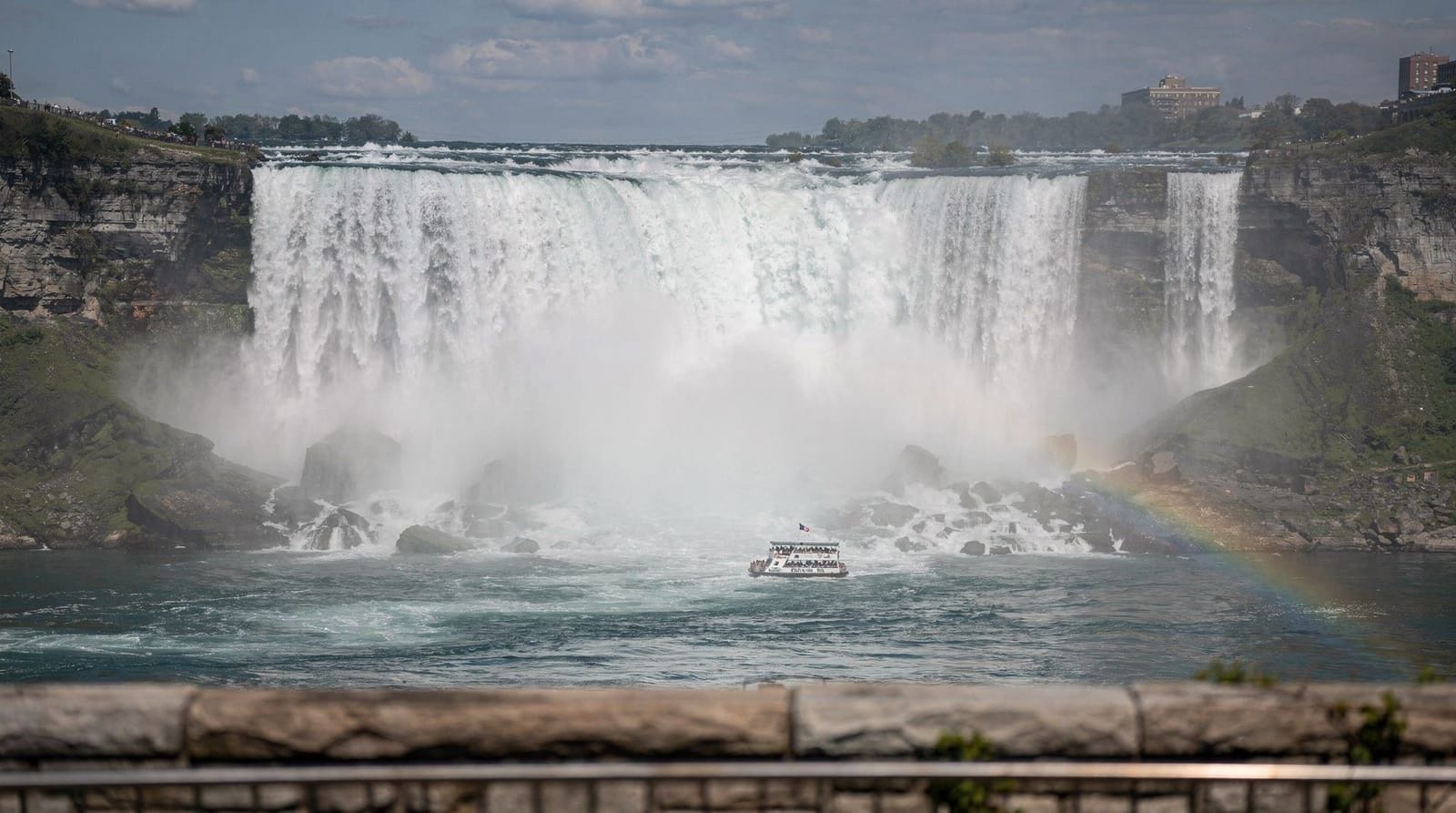
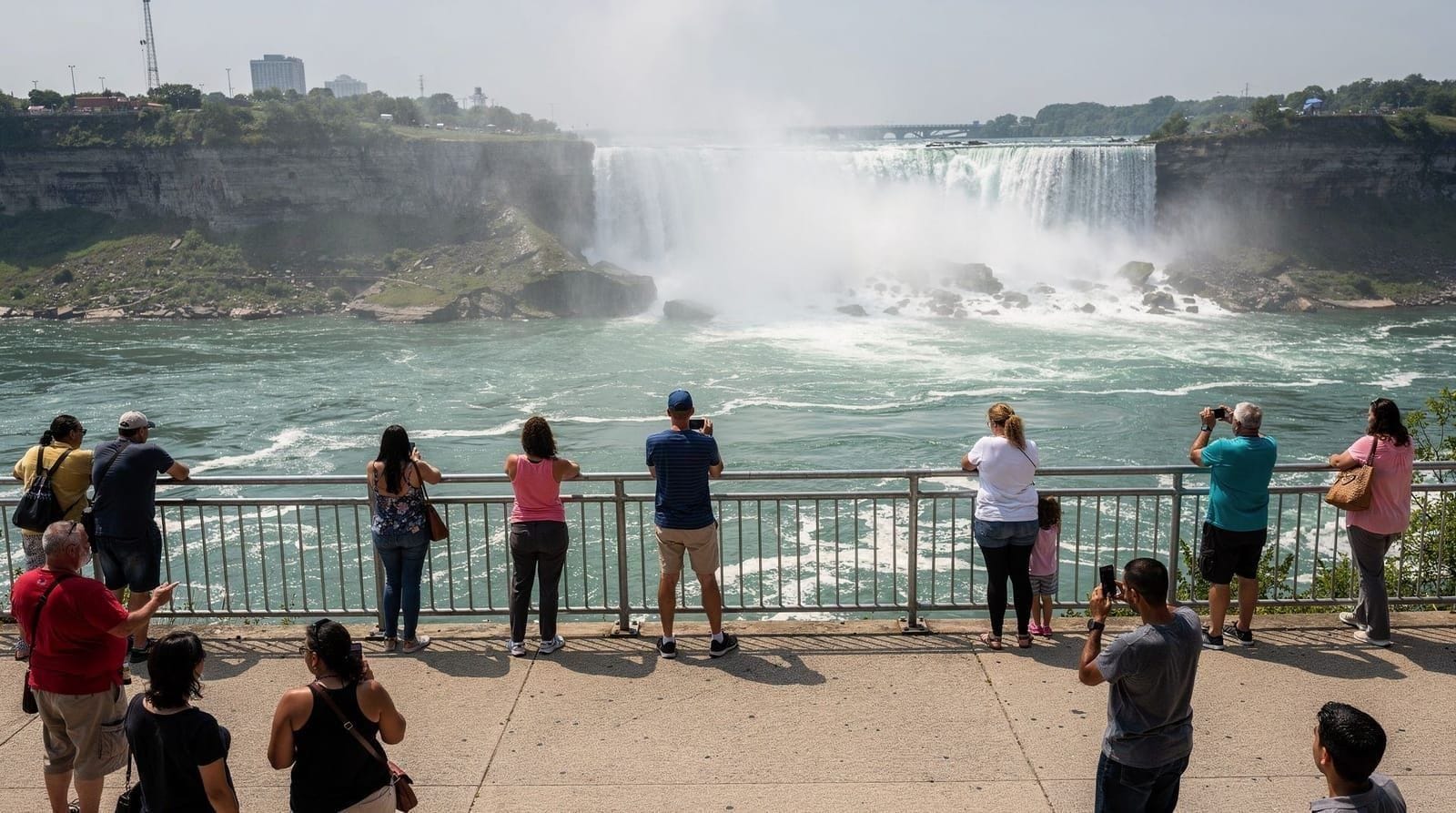
Standing along the Niagara Parks walkway and looking at Niagara Falls is free, and remains genuinely one of the great natural sights in North America regardless of how much or how little else you spend. The traps start the moment you turn away from the water and toward the surrounding commercial strip, particularly Clifton Hill, where an entire tourism economy has grown up specifically to separate one-time visitors from their money before they leave town.
A quick mental model for the area
Think of Niagara Falls as two distinct zones with two different value propositions: the falls and the official Niagara Parks attractions along the parkway (Journey Behind the Falls, the boat tours, the Butterfly Conservatory) are legitimately priced and worth booking directly, while Clifton Hill and its immediate surroundings are a separate, privately run entertainment strip priced for maximum tourist spend. Keeping this distinction in mind while planning avoids conflating the two and either overspending on novelty attractions or, just as unfortunately, skipping legitimate paid attractions out of an overcorrected trap-avoidance instinct.
Clifton Hill’s novelty attractions
Clifton Hill packs wax museums, haunted houses, mini-golf courses, and various “odditorium”-style attractions into a few blocks of neon signage, each charging individual admission in the CAD $20-30 range. Quality varies wildly and doesn’t correlate well with price — some of the cheaper attractions are more genuinely entertaining than the expensive ones, and reviews are a far better guide than storefront presentation, which is uniformly flashy regardless of what’s actually inside. None of these attractions are required to experience Niagara Falls itself; treat them as optional novelty add-ons only if a specific one genuinely appeals, not as a default stop.
Restaurant markups on Clifton Hill and along the parkway
Restaurants directly on Clifton Hill and along the immediate riverside strip charge a real premium for the location and tourist foot traffic, with quality that, as with most attraction-adjacent dining anywhere, doesn’t reliably match the price. Walking a few blocks into Niagara Falls’ quieter residential streets, or dining in Niagara-on-the-Lake if your itinerary includes it, generally delivers better food for less money.
Parking price gouging
Official Niagara Parks parking lots charge posted, reasonable rates, but a number of privately operated lots closer to the falls advertise “convenient” parking at prices well above the official lots — sometimes CAD $40 or more for the day versus $20-30 at official Niagara Parks facilities. Flaggers on the street directing traffic into these private lots are a normal, legal part of Niagara’s parking economy, not a scam exactly, but comparing the posted price before pulling in (rather than being waved into the first available spot) can save a meaningful amount.
Timeshare “free tour” pitches
Approaches offering a “free” helicopter ride, dinner voucher, or attraction ticket in exchange for attending a timeshare presentation are a long-running part of the Niagara tourist landscape, more common around major hotels and the Fallsview area than directly on the falls walkway itself. The “free” offer is real, but the time cost (often 90 minutes or more of a high-pressure sales pitch) rarely justifies the value received unless you’re genuinely in the market for a timeshare, which most visitors aren’t.
”Skip the line” ticket upsells
As with Toronto, third-party resellers around Niagara Falls advertise skip-the-line access to attractions like the Journey Behind the Falls or the Skylon Tower at a markup over booking directly, for a line-skipping benefit that direct online booking usually provides at standard price anyway. Booking directly through Niagara Parks’ official site or an established platform is consistently the better move.
The souvenir photographer pitch
Photographers positioned at popular viewpoints along the falls walkway sometimes offer to take your photo and then attempt to sell prints or digital copies at inflated prices — a long-standing tourist-attraction practice, not unique to Niagara. Taking your own photos, or politely declining the sales pitch after a free shot, avoids the upsell entirely.
Fallsview casino and hotel resort fees
Several of the larger hotels in the Fallsview area add a resort or amenity fee on top of the quoted room rate, sometimes not clearly disclosed until checkout — worth asking about explicitly when booking, since the gap between the advertised nightly rate and the actual total can be substantial. This isn’t unique to Niagara, but it’s common enough in the Fallsview corridor specifically to be worth flagging as a real cost to budget for.
Overpriced helicopter tour add-ons
Helicopter tours over the falls are a legitimate, spectacular experience in their own right, but some Clifton Hill-adjacent booths sell them bundled with unnecessary extras (photo packages, “VIP” boarding) at a significant markup over booking the flight directly with the operator. Comparing the base flight price against the bundled package before adding extras avoids paying for add-ons you may not actually want.
What’s genuinely worth paying for at Niagara
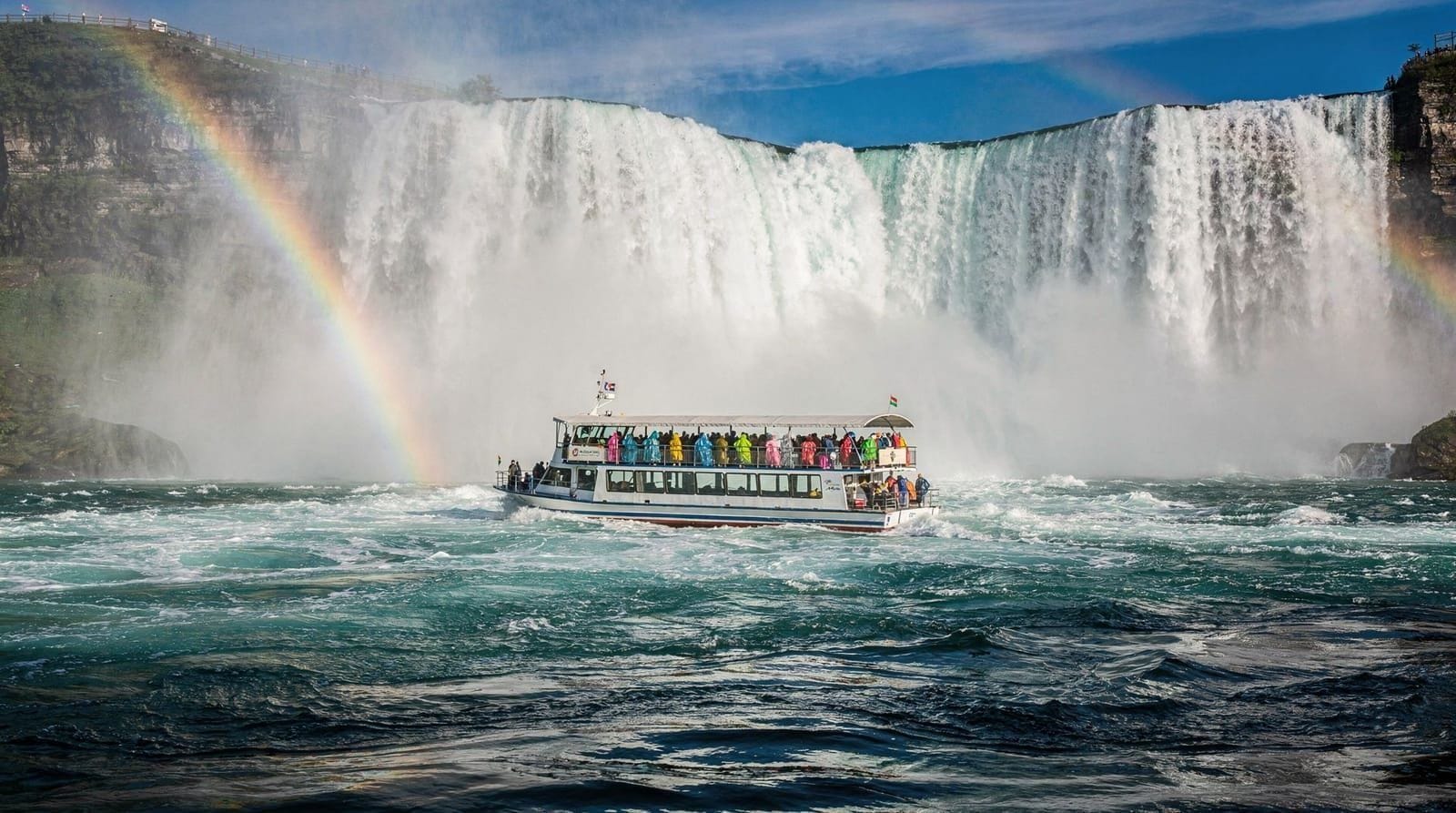
To be clear about the flip side: the official Niagara Parks attractions — Journey Behind the Falls, the boat tours to the base of the falls, the Butterfly Conservatory, and the Whirlpool Aero Car — are all legitimate, well-run attractions that deliver real value for their admission price, even though they’re firmly on the tourist circuit and priced accordingly. Being a paid attraction near the falls doesn’t automatically make something a trap; see do you need a guided Niagara tour? for an honest breakdown of when a guided day trip is actually worth the money versus self-driving.
Why Niagara has more traps than Toronto
Niagara’s tourist economy is structurally different from Toronto’s — the falls themselves are free, meaning the entire local commercial ecosystem is built around monetizing everything around the free main attraction, concentrated into the compact Clifton Hill strip specifically because that’s where foot traffic funnels between hotels and the falls. This concentration is actually useful for visitors: nearly all of Niagara’s traps sit within the same few blocks, meaning avoiding just that specific strip resolves most of the risk in one decision.
Practical avoidance strategy
Seeing the falls costs nothing, and a reasonable day can be built around the free viewpoints plus one or two paid Niagara Parks attractions without ever needing Clifton Hill’s novelty strip. If Clifton Hill genuinely appeals (some visitors, particularly with kids, do enjoy the arcade-and-mini-golf energy), budgeting a fixed amount for it in advance — rather than wandering in and spending reactively — keeps the visit from snowballing into an expensive afternoon of marginal attractions.
For a broader look at Niagara-specific scams beyond pricing, see Niagara Falls scams to avoid. For getting to Niagara without overpaying on transportation, how to get to Niagara Falls from Toronto compares the real costs of driving, the bus, and guided tours.
Frequently asked questions about Niagara Falls tourist traps
Is Clifton Hill worth visiting at all?
It depends on what you’re after — the novelty attractions are genuinely entertaining for some visitors, particularly families with kids, but they’re optional extras, not required for experiencing Niagara Falls itself, which is free to view from the Niagara Parks walkway.
Is Niagara Falls parking a scam?
Not a scam exactly, but privately operated lots near the falls often charge well above official Niagara Parks rates. Checking posted prices before pulling into the first available lot, rather than following flaggers automatically, can save a meaningful amount.
Should I attend a “free” timeshare presentation for a free tour or meal?
Generally not worth it unless you’re genuinely considering a timeshare purchase — the pitch typically requires 90 minutes or more of high-pressure sales for a “free” perk that costs less than the time it takes to sit through the presentation.
Are the official Niagara Parks attractions overpriced?
No, attractions like Journey Behind the Falls and the boat tours are considered legitimate, well-run attractions that deliver real value for their price, distinct from the novelty attractions and inflated parking that make up most of Niagara’s actual tourist traps.
Should I buy tickets from street-level ticket sellers at Niagara?
Booking directly through Niagara Parks’ official site or an established platform is consistently the safer and often cheaper option compared to unfamiliar third-party or street-level resellers.
Is it safe to let a street photographer take my photo at Niagara Falls?
It’s generally safe, but be aware some photographers will attempt to sell prints or digital copies at inflated prices afterward. Taking your own photos avoids the upsell pitch entirely.
Do Niagara Falls hotels have hidden fees?
Some, particularly in the Fallsview area, add a resort or amenity fee on top of the quoted room rate. Asking about total cost, including fees, at the time of booking avoids an unpleasant surprise at checkout.
Are helicopter tours over Niagara Falls worth it?
The flight itself is a legitimate, genuinely spectacular experience. The value question is more about avoiding unnecessary bundled add-ons (photo packages, “VIP” boarding) sold at a markup rather than the core flight, which is worth booking on its own merits.