Things to do in Prince Edward County
Toronto: Private Prince Edward County Wine Day Tour
What are the best things to do in Prince Edward County?
Tour the wineries clustered along the Loyalist Parkway, spend an afternoon on the Sandbanks Provincial Park dunes, and walk Picton's Main Street for independent shops and restaurants — plan a full day for wineries alone if tasting is the priority.
An island shaped like a wine region
Prince Edward County — locally just “the County” — is technically an island, connected to the mainland by two causeways, and that isolation is part of why it developed its own distinct food-and-wine identity rather than becoming a Toronto suburb. It’s about 2.5 hours east of Toronto, and unlike Niagara, most of its more than 40 wineries are still small, family-run operations rather than large commercial estates, which shapes the whole visiting experience toward tasting rooms and cellar-door conversations rather than tour-bus circuits.
The County’s transformation from a quiet farming and fishing community into one of Ontario’s most-talked-about food and wine destinations happened remarkably fast, largely over the past two decades, as Toronto chefs and winemakers priced out of Niagara began buying up County farmland for its limestone-rich soil. That recent history is still visible in the mix of old-guard agricultural operations and newer, design-forward wineries and restaurants that now share the same rural roads.
| Where | Prince Edward County, Ontario — about 2.5hrs east of Toronto |
| Cost | Tastings typically $5–15/flight; Sandbanks vehicle permit required |
| Time needed | A full day for wine touring and a beach stop; two for Picton and back roads too |
| Getting there | Car via Highway 401 to 49/33; nearest VIA Rail stop is Belleville |
| Best time | May–October for open wineries and warm Sandbanks water |
Wine touring along the Loyalist Parkway
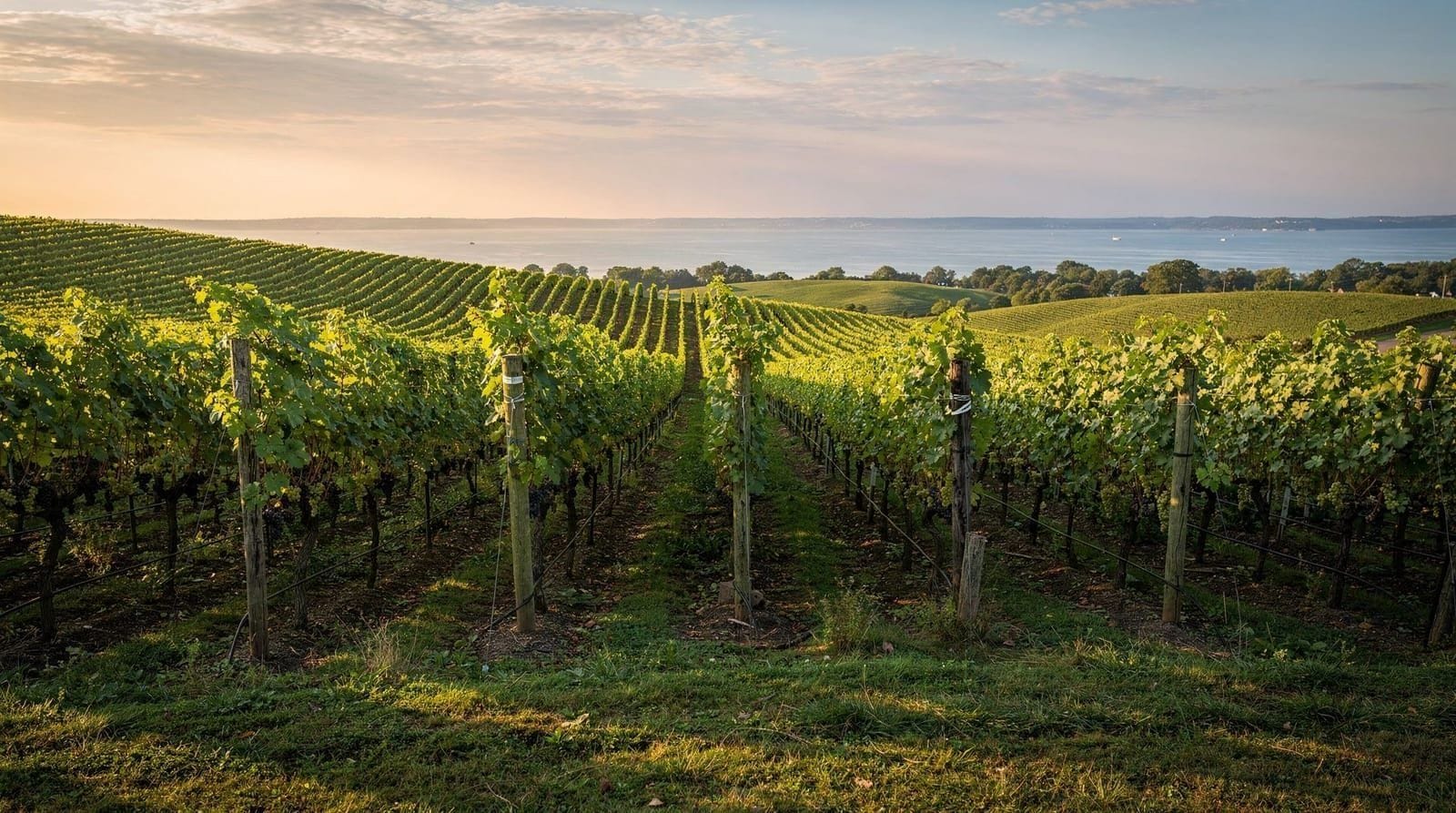
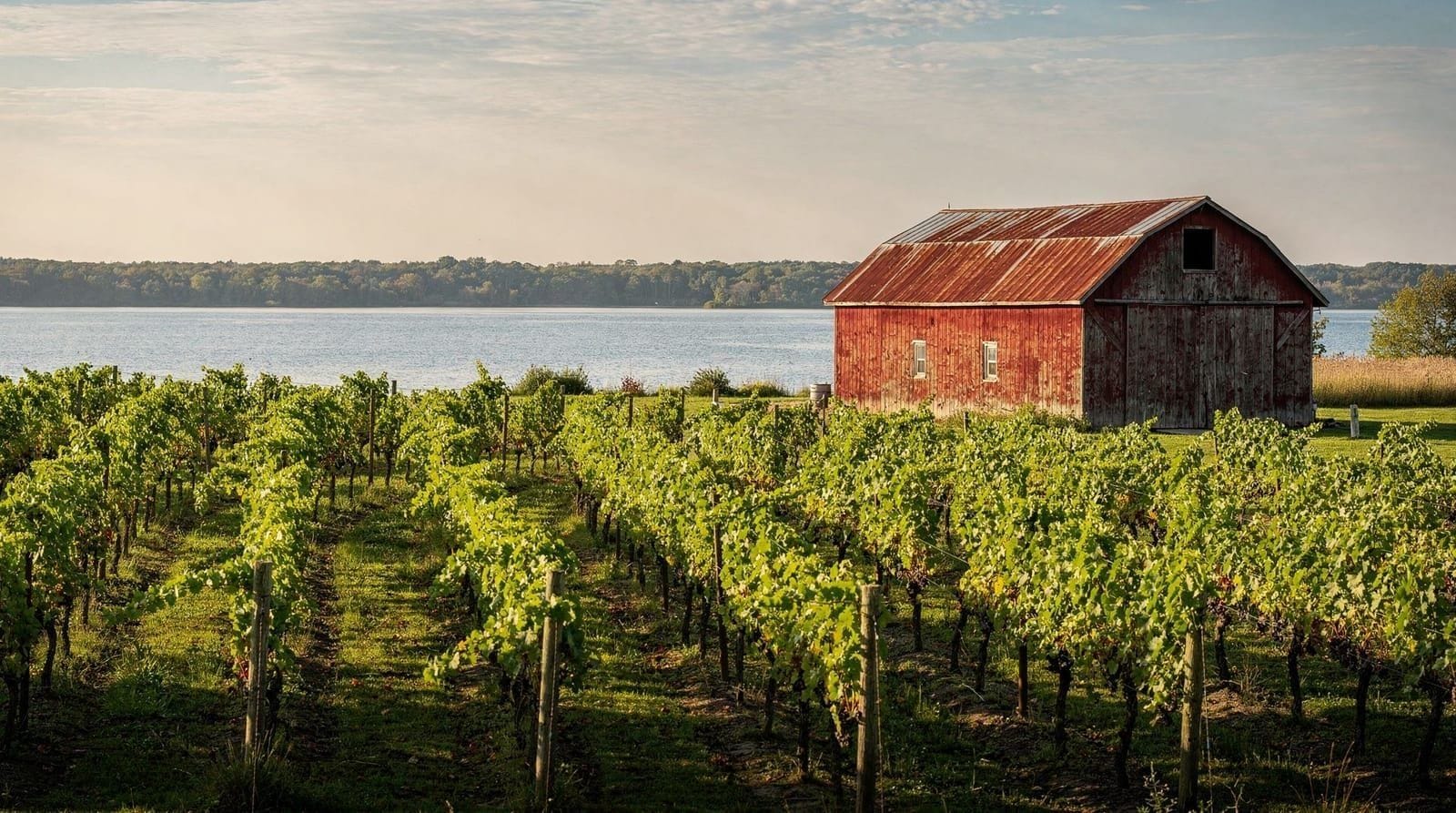
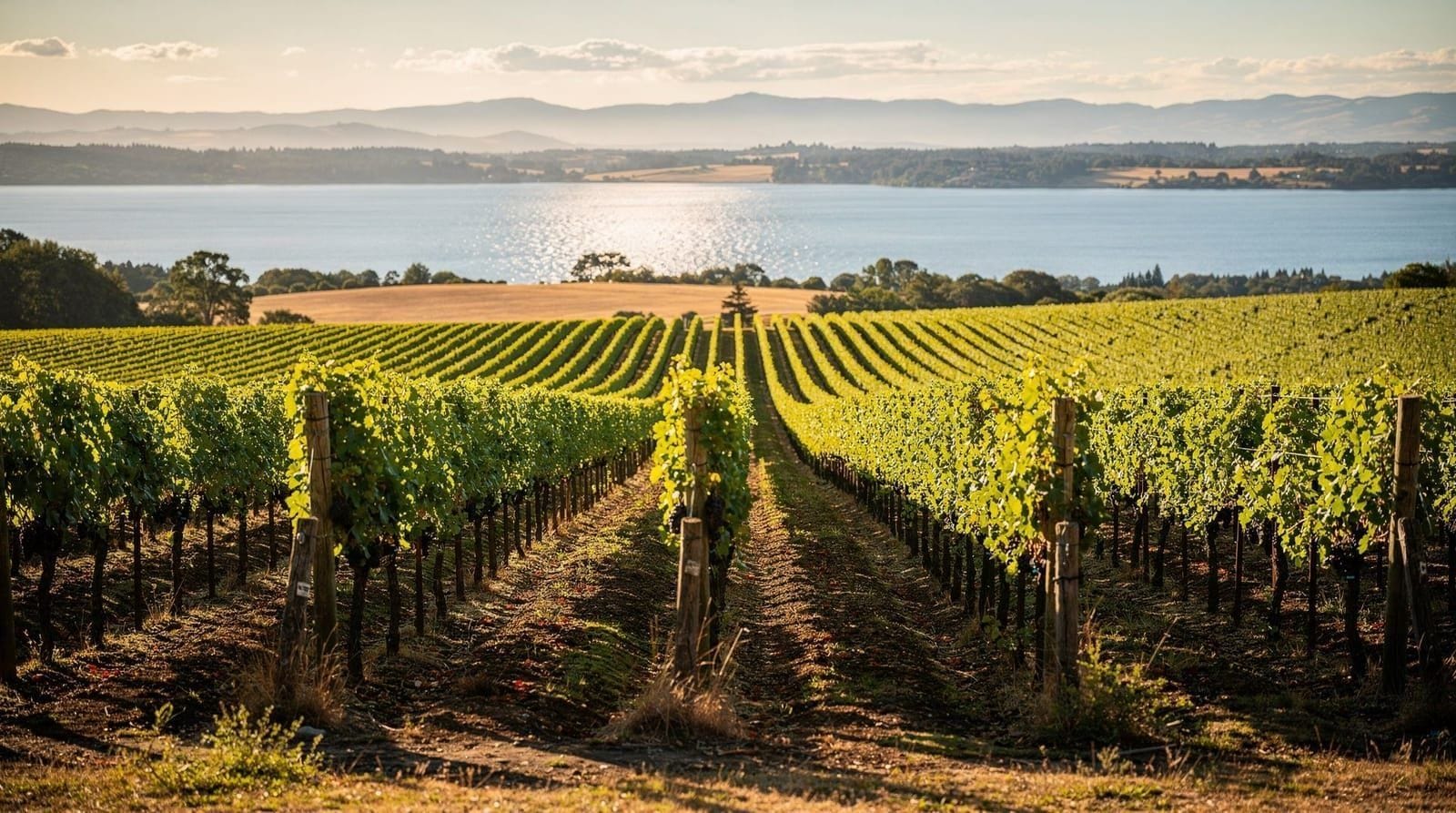
The County’s wineries cluster loosely along the Loyalist Parkway and the roads branching off it, most within a 20-minute drive of Picton. The region built its reputation on cool-climate wines — particularly Pinot Noir and Chardonnay — that benefit from the limestone-rich soil and the moderating effect of Lake Ontario on both sides of the peninsula. Because the wineries are smaller and more spread out than Niagara’s, a self-driven tour with a designated driver is workable, but a guided tour solves both the driving problem and the awkwardness of picking which four or five wineries out of 40+ are worth your limited time:
Toronto: private Prince Edward County wine day tourFor a fuller breakdown of which wineries suit which taste and budget, see the Prince Edward County wine guide, and for how the County stacks up against Ontario’s bigger-name wine region, see Niagara vs Prince Edward County wine.
Sandbanks Provincial Park
Sandbanks Provincial Park is the County’s other headline attraction — dune formations along Lake Ontario that are among the largest baymouth barrier dune systems in the world, backed by warm, shallow swimming water that makes it one of the best freshwater beaches within driving distance of Toronto. Outer Beach and Sandbanks Dunes Beach are the two main swimming areas; the park gets genuinely busy on July and August weekends, so arriving before 10am or visiting on a weekday noticeably improves the experience. A vehicle permit is required and can sell out on peak summer days — check availability before driving out.
Sandbanks’ three beaches, in detail
Sandbanks Provincial Park is actually split across three distinct beach areas, each with a different character. Outer Beach, facing Lake Ontario directly, has the biggest waves and the tallest dunes, some reaching over 25 metres — genuinely impressive formations built up over thousands of years by wind and wave action. Sandbanks Dunes Beach, more sheltered, tends to draw families given its calmer water. East Lake Beach, on the park’s inland-facing side, is the shallowest and warmest of the three, well suited to younger children. The park also offers camping, making it possible to base an entire visit around Sandbanks rather than treating it as a single day-stop.
Picton
Picton, the County’s main town, has a walkable Main Street lined with independent bookshops, cafés, and restaurants that punch above their weight for a town this size — a reflection of the culinary talent the wine industry has drawn to the area over the past two decades. It’s the natural base for exploring the County and a good stop for a relaxed lunch between winery visits.
Farm-to-table dining
Prince Edward County’s food scene has grown alongside its wine industry, with a cluster of restaurants sourcing directly from local farms and orchards — expect menus that change seasonally and lean heavily on what’s actually being grown nearby rather than generic “farm-to-table” branding. Several wineries also run their own on-site restaurants, making it possible to combine tasting and a meal without moving locations.
Farm markets and roadside stands supplement the restaurant scene throughout the growing season, with produce, honey, and preserves sold directly by the farms that grow them — a good option for a self-catered picnic to take to Sandbanks or one of the County’s quieter beaches. The County’s proximity to Lake Ontario also supports a small but genuine local fishing tradition, with a handful of restaurants serving freshwater catch alongside the more prominent farm-to-table produce focus.
Fifth Town Artisan Cheese and local dairy
Alongside wine and cider, the County has a small but well-regarded artisan cheese scene, with producers like Fifth Town Artisan Cheese offering tastings and tours that pair naturally with a winery visit — several County wineries stock local cheese specifically for pairing with their tasting flights, reinforcing the region’s broader farm-to-glass, farm-to-table identity.
Beyond wine and beaches
The County’s quieter corners — Waupoos, Milford, and the smaller hamlets scattered across the peninsula — offer cideries, lavender farms, and roadside stands that reward slower, more exploratory driving rather than a fixed checklist. Cyclists in particular favour the County’s flat, low-traffic back roads, with several rental shops in Picton offering bikes for a self-guided winery loop as an alternative to a driven tour.
Lighthouses and the shoreline
Prince Edward County’s coastline is dotted with historic lighthouses, several dating to the mid-1800s when the region’s limestone quarrying and shipping industries made safe navigation around the peninsula’s rocky shoals a genuine priority. Point Petre Lighthouse and the Prince Edward Point area, near a national wildlife area at the County’s easternmost tip, combine lighthouse history with strong birdwatching during spring and fall migration — the peninsula sits directly on a major songbird and raptor flyway, drawing dedicated birders from well beyond Ontario during peak migration windows.
Arts and studio tours
The County’s creative community has grown alongside its food and wine reputation, with a genuine concentration of working artists, potters, and craftspeople who open their studios to visitors, particularly during organized studio-tour weekends in shoulder seasons. Picton and the smaller village of Wellington both have small commercial galleries worth a browse if you want a break from wine tasting without leaving the County’s cultural offerings behind.
County Cider and the craft beverage scene
Beyond wine, Prince Edward County has developed a genuine craft cider and small-batch spirits scene, drawing on the same apple orchards and grain farms that supply the region’s food economy. County Cider Company, one of the area’s longest-established producers, runs an on-site restaurant and orchard that makes a good lower-key alternative to a full winery circuit if beer or cider suits your taste better than wine — the broader Ontario craft cider guide covers producers across the province, including several in the County.
Getting to and around Prince Edward County
The most common route from Toronto follows Highway 401 east to Highway 49 or Highway 33, crossing onto the County via the causeway at Carrying Place. There’s no rail service directly into the County — the nearest VIA Rail stop is in Belleville, a 20-minute drive from the causeway, which some visitors use in combination with a rental car for a lower-hassle trip out. Once on the peninsula, the road network is straightforward but genuinely rural, with long stretches between wineries and towns that make GPS or an offline map worth having given the patchy cell coverage.
Practical notes
The County is genuinely rural — cell service is patchy in some areas, and many wineries and restaurants keep shorter hours or close entirely on weekdays outside peak season (roughly May through October). A car is essential; there’s no meaningful public transit connecting the wineries, beaches, and towns. Book accommodation well ahead for summer weekends, since the County’s small-inn-and-B&B-heavy lodging scene fills quickly and doesn’t have the large-hotel capacity of Niagara. Many of the County’s wineries and restaurants are cash-and-card friendly, but smaller roadside farm stands sometimes operate on an honesty-box, cash-only basis — worth carrying some small bills for exactly this scenario.
Comparing the County’s two headline draws
| Wine touring | Sandbanks beach | |
|---|---|---|
| Best for | Slower-paced tasting, cellar-door conversations | Swimming, dune walks, family beach day |
| Weather dependence | Low — tasting rooms work rain or shine | High — a washout day is best spent on wineries instead |
| Booking ahead | Recommended for tastings at smaller wineries | Vehicle permit can sell out on peak summer weekends |
| Kid-friendly | Limited — most wineries aren’t set up for young children | Strong, especially East Lake Beach’s shallow water |
If you’re staying more than a day
Beyond wine and Sandbanks, the County rewards a slower second day: a morning studio-tour stop in Wellington or Picton, an afternoon at County Cider Company or Fifth Town for cheese, and a sunset drive out to Point Petre for the lighthouse and birdwatching. Cyclists renting from one of Picton’s shops can turn the same loop into a slower, car-free afternoon on the County’s flat back roads. If the County is one stop on a longer eastern Ontario trip, it pairs naturally with the Thousand Islands further east — see the Thousand Islands day trip from Toronto guide for how the two regions combine into a multi-day route.
Frequently asked questions about things to do in Prince Edward County
How many days do I need in Prince Edward County?
A full day covers wine touring and a beach stop; two days lets you add Picton’s Main Street, a farm-to-table dinner, and a slower exploration of the back roads without rushing.
Is Prince Edward County a good day trip from Toronto?
It’s workable but tight, given the 2.5-hour drive each way — see Prince Edward County day trip from Toronto for a single-day itinerary, though an overnight stay is recommended if possible.
How does Prince Edward County compare to Niagara for wine tasting?
The County is smaller-scale and more boutique, with fewer large commercial estates than Niagara; Niagara offers more variety and infrastructure but can feel more tour-bus oriented. See the full comparison in Niagara vs Prince Edward County wine.
Do I need a vehicle permit for Sandbanks Provincial Park?
Yes, a daily vehicle permit is required, and it can sell out on the busiest summer weekends — check availability and consider arriving early or visiting on a weekday.
Is Prince Edward County kid-friendly?
Sandbanks’ shallow, warm water makes it a strong family beach option; wineries themselves are less suited to young kids, though many have outdoor space where children can be occupied while adults taste.
What’s the best time of year to visit Prince Edward County?
Late spring through early fall (May-October) covers open wineries, warm swimming water at Sandbanks, and the fullest restaurant hours. Many businesses reduce hours or close in winter.
Can I camp in Prince Edward County?
Yes — Sandbanks Provincial Park offers camping directly on-site, a popular option for visitors wanting to base a longer stay around the beaches rather than commuting in from Picton or elsewhere.
Is Prince Edward County walkable, or do I need a car for everything?
Picton and Wellington’s downtown cores are walkable once you’re there, but reaching the wineries, Sandbanks, and the more rural hamlets requires a car — there’s no meaningful transit network connecting these points across the peninsula.
Should I book a guided wine tour or drive myself?
A guided tour solves the designated-driver problem and the awkwardness of picking a handful of wineries out of 40+, but driving yourself gives more flexibility to linger or skip stops. Given how spread out and genuinely rural the County’s roads are, a guided option is the lower-stress choice for a first visit.
Is Prince Edward County worth visiting if I’ve already done Niagara wine country?
Yes, if boutique, small-producer tasting rooms appeal more than Niagara’s larger commercial estates — the two regions have a genuinely different feel. See Niagara vs Prince Edward County wine for the fuller comparison before deciding which fits your trip.
Top experiences
Bookable activities with verified prices and instant confirmation on GetYourGuide.