Prince Edward County wine guide
Toronto: Private Prince Edward County Wine Day Tour
Is Prince Edward County wine worth visiting?
Yes — Prince Edward County has over 40 wineries built on distinctive limestone soil that produces cool-climate Pinot Noir and Chardonnay increasingly compared to Burgundy and Chablis styles. It's more intimate and less commercialized than Niagara, about 2.5 hours from Toronto.
A smaller, more intimate wine scene than Niagara
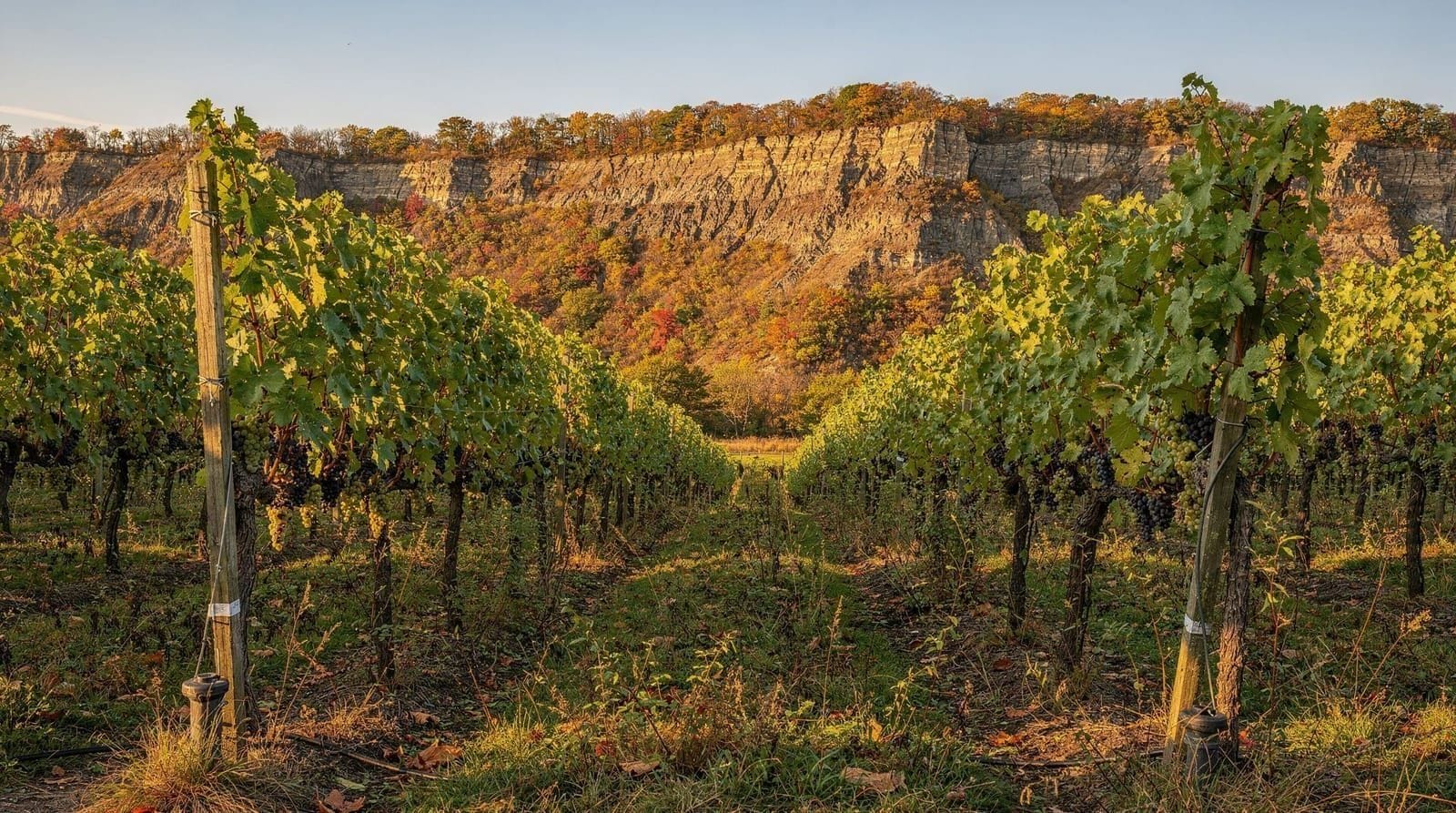
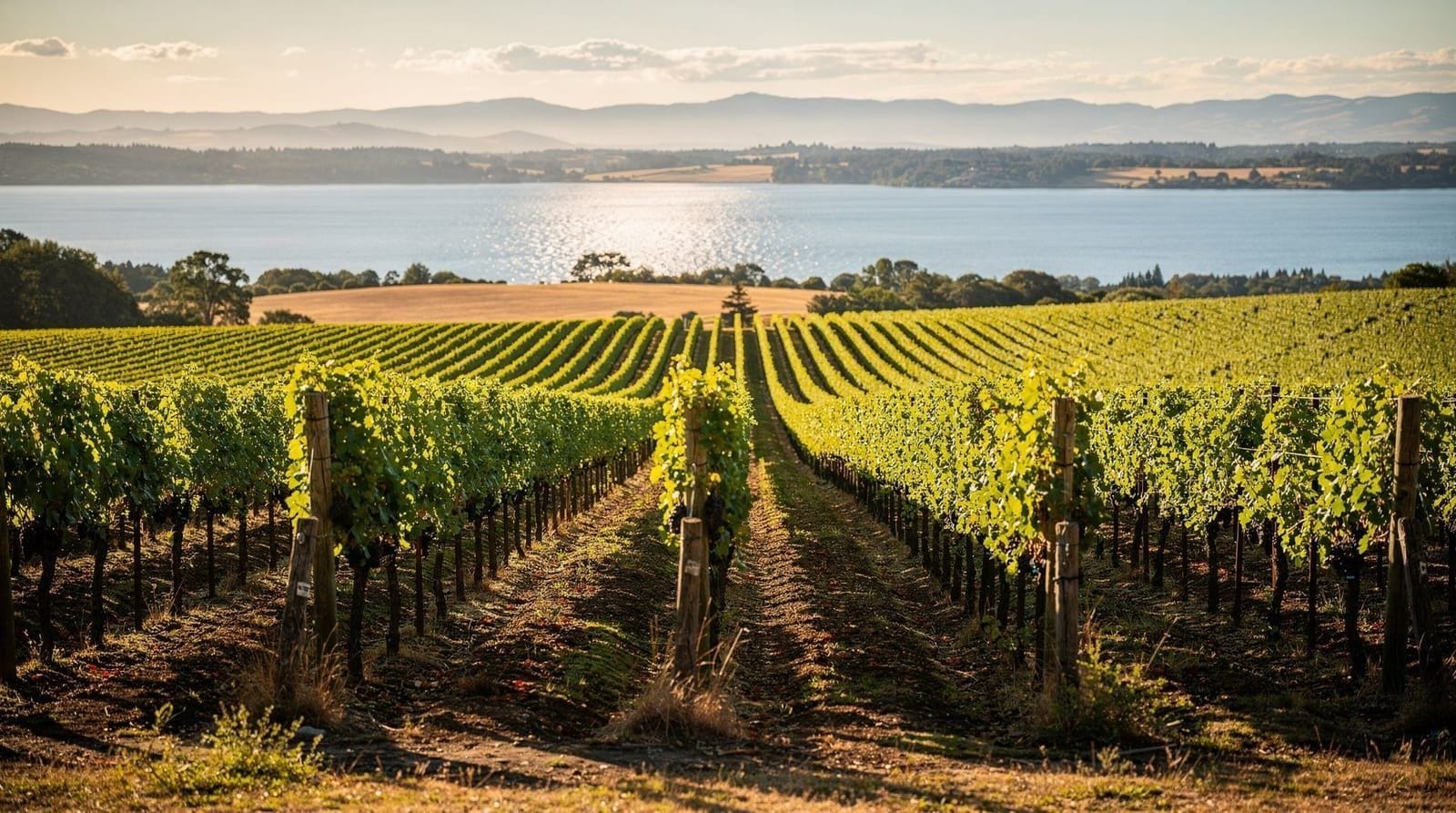
Prince Edward County sits about 2.5 hours east of Toronto on a peninsula jutting into Lake Ontario, and over the past two decades it has developed into Ontario’s second major wine region, with over 40 wineries built on the county’s distinctive limestone bedrock — a soil composition genuinely comparable to parts of Burgundy and Chablis in France, which is part of why the county has become known specifically for cool-climate Pinot Noir and Chardonnay rather than the broader varietal range Niagara covers.
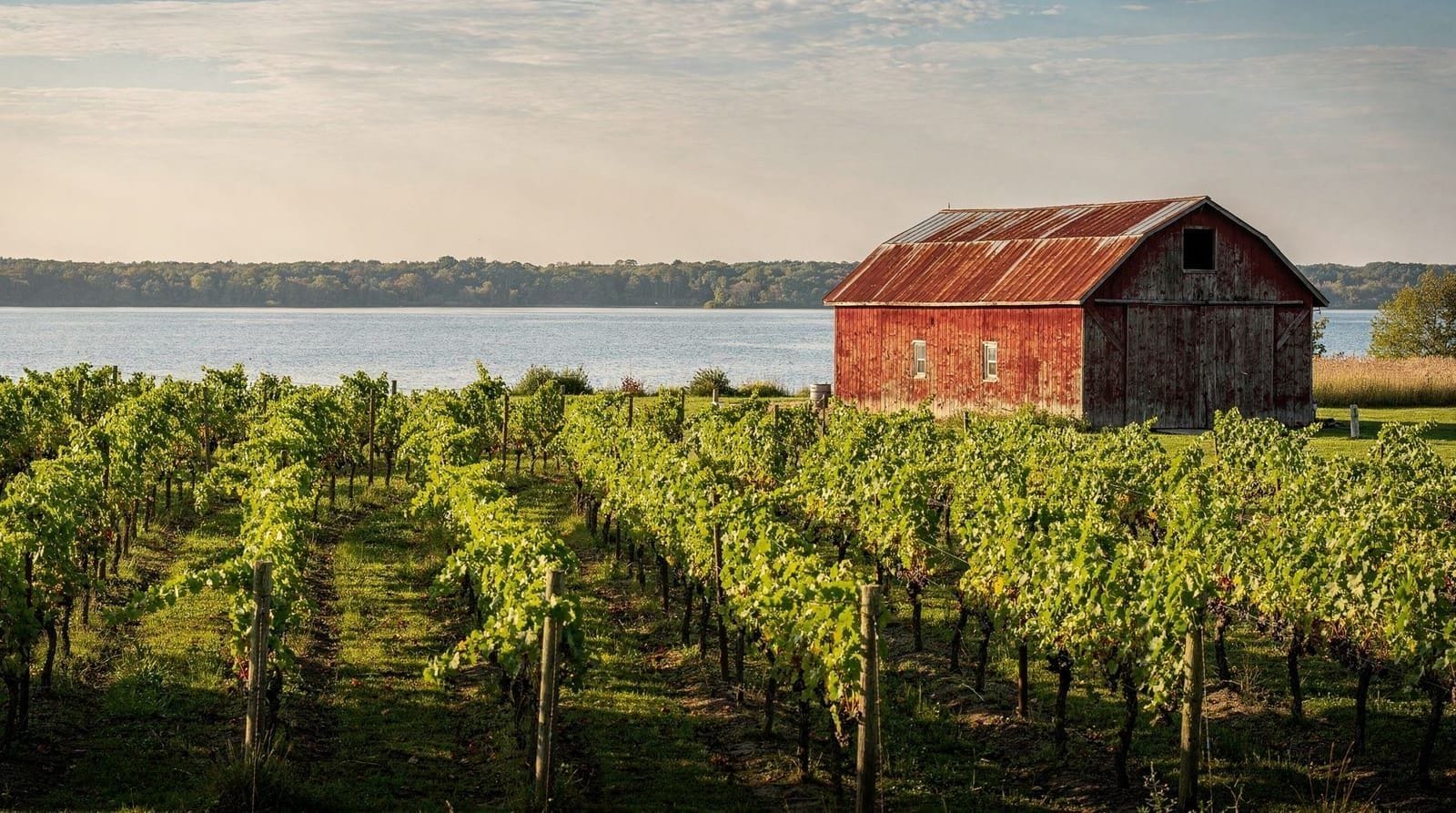
The scene here reads as more intimate and hands-on than Niagara’s — many wineries are small, owner-operated producers rather than large commercial operations, and tasting rooms often mean chatting directly with the person who made the wine rather than a hired tasting-room staff member reciting a script. That character is part of the county’s appeal for visitors who’ve already done a more polished Niagara trip and want a quieter, more personal alternative.
| Where | Prince Edward County, about 2.5 hours east of Toronto |
| Cost | Around CAD $10-25 for a tasting flight, often credited to a bottle |
| Best time | May-October; several producers reduce hours or close in winter |
| Getting there | Guided tour from Toronto, or self-drive with a designated driver |
| Compare | Niagara is closer and denser; see our Niagara vs PEC comparison below |
The wineries worth knowing
Prince Edward County’s producers are scattered across the peninsula’s back roads rather than clustered along one main strip, which rewards a bit of route planning. Look for wineries known specifically for Pinot Noir and Chardonnay — the county’s limestone soil suits both varieties particularly well — alongside a smaller number experimenting with other cool-climate grapes. Many of the county’s wineries pair a tasting room with a small on-site restaurant or food truck, useful for building lunch into your route rather than needing to leave the wine country to eat.
Booking a guided tour
The Prince Edward County private wine tour from Toronto covers transportation for the full day, a meaningful convenience given the 2.5-hour drive each way and the designated-driver problem that comes with any wine tasting day. A private tour also allows more flexibility in which wineries you visit compared to a fixed-group itinerary, useful if you have specific producers in mind.
Planning a day versus an overnight
Given the distance from Toronto, Prince Edward County works better as an overnight or weekend trip than a single, exhausting day-trip round-trip — our Prince Edward County day trip from Toronto guide covers the logistics if a single day is all your schedule allows, but an overnight lets you visit more wineries without rushing and adds time for Sandbanks Provincial Park’s beaches or Picton’s small-town main street. Accommodation in the county ranges from boutique inns to working-farm stays, generally booking up well ahead for summer weekends.
What to expect if you’ve never visited a small, owner-operated winery
If most of your wine tasting experience comes from larger, more commercial operations, a Prince Edward County visit can feel like a genuinely different activity rather than a smaller version of the same thing. Expect fewer formal amenities — some tasting rooms are converted farm buildings rather than purpose-built visitor centers, hours can be more limited or by-appointment-only outside peak season, and the person pouring your tasting is frequently also the person who grew the grapes and made the wine. This isn’t a lesser experience, just a different one, and many visitors who’ve already done a more polished Niagara circuit specifically seek out Prince Edward County for exactly this more grounded, working-vineyard character.
Combining wine with Sandbanks and Picton
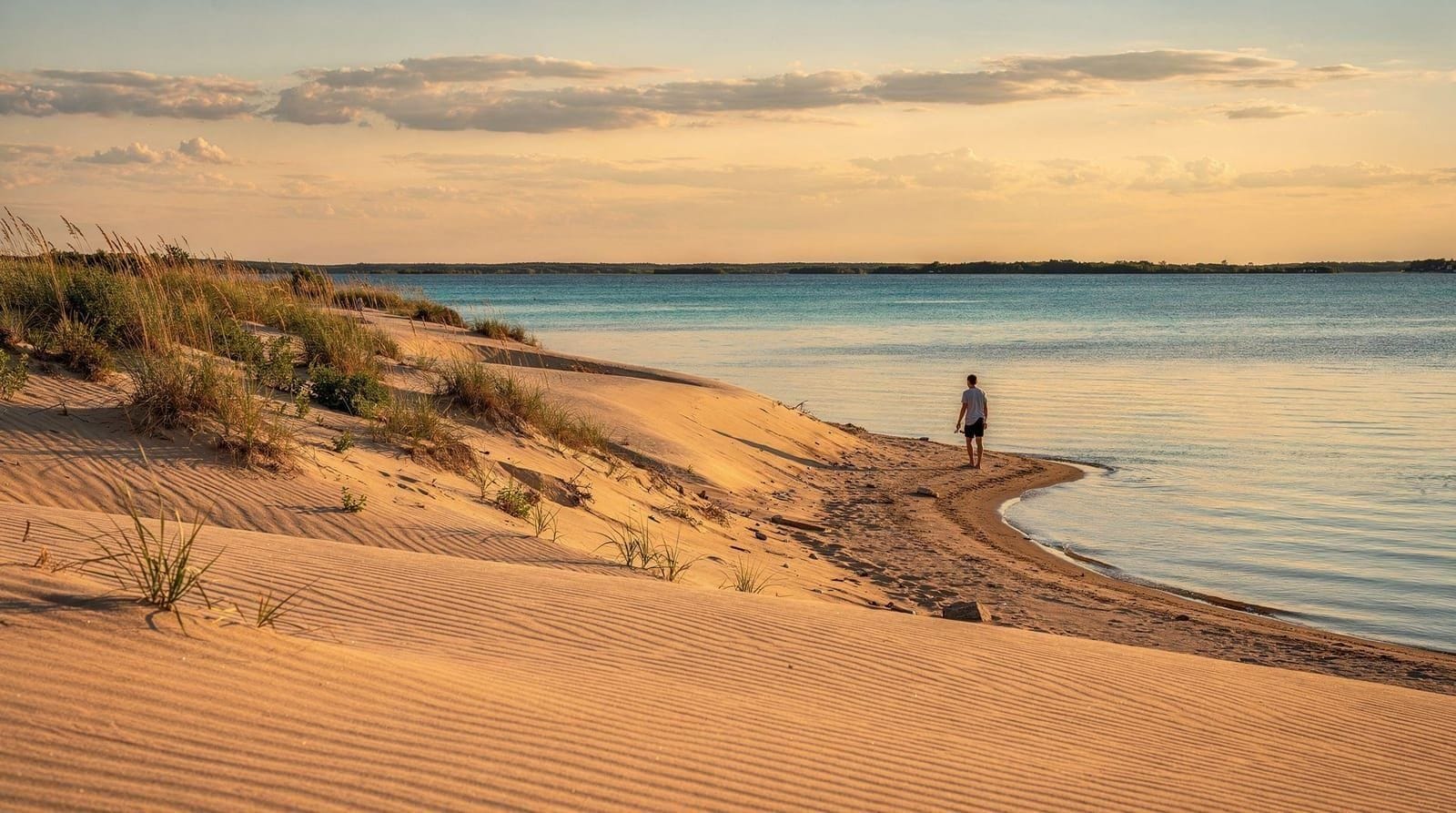
Prince Edward County isn’t only about wine — Sandbanks Provincial Park, with some of Ontario’s best freshwater beaches and dune systems, sits within the county and pairs naturally with a wine day, particularly in summer when a morning beach visit followed by afternoon tastings makes for a well-rounded day. Picton, the county’s main town, has its own small but growing food and shopping scene worth an hour or two if your route takes you through it between wineries.
How Prince Edward County compares to Niagara
The practical differences matter for trip planning: Niagara is closer to Toronto (1.5 hours versus 2.5), larger, and better set up for a single-day visit with more wineries and restaurants concentrated in a smaller area, particularly around Niagara-on-the-Lake. Prince Edward County is further, smaller, and better suited to a slower, more exploratory visit, ideally with an overnight. Our Niagara vs Prince Edward County wine comparison breaks down which region suits which kind of trip in more detail, and the Niagara wine country guide covers that region on its own.
The county’s newer generation of winemakers
Much of Prince Edward County’s wine industry has developed within the last two decades, considerably more recent than Niagara’s longer commercial history, and that newness shows up in the county’s character — many producers are first-generation winemakers who left other careers to plant vines here specifically because of the limestone soil’s reputation, rather than inheriting an established estate.
That background often makes for genuinely engaged, personally invested conversations in the tasting room, since you’re frequently talking to the person who chose this specific plot of land and made the wine in front of you, not a hired tasting-room employee reciting facts about a decades-old family business. It also means the county’s wine styles continue to evolve quickly year to year as producers refine their approach to a soil type Ontario winemaking is still relatively new to working with at this depth of investment.
Farm-to-table dining alongside the wineries
Prince Edward County’s wine scene developed alongside a broader farm-to-table food movement in the region, and several of the county’s best-regarded restaurants sit independent of any single winery, drawing on the same strong local agricultural base — orchards, fishing, small farms — that makes the wine itself distinctive. Building a stop at one of these restaurants into your wine day, rather than eating exclusively at winery-attached restaurants, is worth considering specifically in Prince Edward County, where the food scene has developed a reputation nearly as strong as the wine itself among Ontario food writers and repeat visitors.
Building a weekend around the wineries
A good county weekend starts with a loose structure rather than a rigid schedule. Pick one area of the peninsula per half-day, taste at a handful of producers that sit close together, and leave room to linger when a conversation in a tasting room turns interesting. Our Prince Edward County weekend itinerary lays out a pace that works, and the Toronto weekend escape shows how a shorter city-based trip compares if you can’t commit to the full drive.
If the county is one stop in a longer Ontario trip, the Ontario road trip in 7 days and the 10-day version both fit it in alongside other regions. Drivers heading east can also pair the wineries with Kingston or the Thousand Islands getaway, which makes the long drive feel worth the effort.
Tasting etiquette and how to get the most from a visit
Tasting at a small producer is a conversation, not a transaction. Ask what the winemaker was aiming for in a particular vintage, what the season did to the grapes, and which bottle they would open at home. Spitting is perfectly normal and lets you taste more producers without losing the afternoon; most tasting rooms provide a bucket without comment. Our wine tasting etiquette guide was written with Niagara in mind, but the basics of pacing, pouring and buying carry over directly to the county.
Plan around how you actually like to drink. If a flight leaves you favouring one style, buy a bottle at the winery where it was poured, since smaller producers often sell certain wines only at the cellar door. Ask whether the tasting fee is credited toward a purchase before you commit. And keep some room in the day for food, because tasting on an empty stomach is the quickest way to end a county afternoon early.
Beyond the grape: cider, craft drinks and other stops
Wine is only part of the county’s drinks scene. If your group includes people who prefer apples to grapes, the Ontario craft cider guide explains what to look for, and cideries make an easy change of pace between wineries. Visitors who like craft beer can compare notes with the best breweries in Toronto before heading east, and the Ontario wine region’s rising reputation puts the county in the wider context of the province’s wine story. For a more personal take on why the county wins people over, read why we love Prince Edward County.
If you’re still deciding between regions
Some travellers arrive at this guide unsure which wine region to choose. The wine country weekend planning guide walks through how to think about distance, budget and pace, while the Toronto and Niagara wine weekend gives a ready-made plan for the closer region. If Niagara wins out, the best wineries in Niagara-on-the-Lake is a good place to start, and a guided session such as a wine and chocolate tasting in Niagara-on-the-Lake gives you a relaxed introduction without needing to plan every stop yourself. Visitors who want to sample both regions on one trip can use the Niagara wine tour options compared guide to weigh how each style of tour fits a longer itinerary. For the seasonal side of Ontario wine, the icewine guide shows what the colder months offer.
Practical notes
- Designated driver: Essential, same as any Ontario wine region — arrange transportation before tasting begins.
- Route planning: The county’s wineries are spread across rural back roads; a rough plan grouping 3-4 geographically close wineries avoids unnecessary backtracking.
- Accommodation: Books up well ahead for summer weekends, particularly around Sandbanks’ peak beach season, June through August.
- Combining with Toronto: Given the distance, most visitors either commit to an overnight or accept a long single-day round trip — budget accordingly for either.
Why the limestone soil matters so much
It’s worth understanding specifically why Prince Edward County’s limestone bedrock gets so much attention from winemakers and wine writers alike. Limestone-based soil drains well, forcing vine roots to dig deep in search of water and minerals rather than spreading shallow and wide, which many winemakers believe produces more concentrated, complex fruit than richer, more fertile soil would.
The same soil type underlies some of Burgundy and Chablis’s most prized vineyard sites in France, and while Prince Edward County’s climate is considerably cooler and its wine industry vastly younger, the shared soil chemistry is the specific technical reason winemakers here talk about the county in the same breath as those famous French regions rather than making a vague marketing comparison. That said, the county’s vines also face a genuine practical challenge those established regions don’t: Ontario’s harsh winters mean many producers must partially bury their vines each fall to protect them from extreme cold, an extra layer of labor that adds to the cost and character of every bottle produced here.
Frequently asked questions about Prince Edward County wine
Is Prince Edward County wine better than Niagara wine?
Neither is objectively better — they’re distinct styles shaped by different soil and scale. Prince Edward County’s limestone terroir suits cool-climate Pinot Noir and Chardonnay particularly well; Niagara covers a broader range of varieties and styles across a larger, more established region.
How long should I spend in Prince Edward County for a wine trip?
A full weekend (two nights) allows a relaxed pace across 6-8 wineries plus time for Sandbanks or Picton. A single day trip from Toronto is possible but tight, given the 5-hour round-trip drive alone.
Is Prince Edward County wine expensive?
Tasting fees run comparable to Niagara, generally CAD $10-25 for a flight, often credited toward a bottle purchase. Bottle prices vary widely by producer and vintage.
Can I visit Prince Edward County wineries in winter?
Some remain open with reduced hours; many smaller producers close or operate by appointment only outside the May-October season. Check individual winery websites before planning an off-season visit.
What’s the best way to get to Prince Edward County without a car?
Practically difficult on your own — a guided tour with round-trip transportation from Toronto is the most realistic option for visitors without a vehicle, given the region’s rural, transit-poor layout.
Should I visit Niagara or Prince Edward County if I only have one day?
Niagara, given its closer proximity to Toronto and denser concentration of wineries — Prince Edward County’s distance makes a rushed single-day visit less satisfying than the same time spent in Niagara.
What else is there to do in Prince Edward County besides wine?
Sandbanks Provincial Park’s beaches, Picton’s small-town main street, and a growing cidery scene all pair naturally with a wine day — see things to do in Prince Edward County for the fuller picture.
Top experiences
Bookable activities with verified prices and instant confirmation on GetYourGuide.