Prince Edward County day trip from Toronto
Toronto: Private Prince Edward County Wine Day Tour
Can you visit Prince Edward County as a day trip from Toronto?
Yes, but it's a long one — about 2.5 hours each way by car, roughly 5 hours of driving total. A day trip works best if you pick either the wine region or Sandbanks beaches as the focus, since trying to cover both properly plus Picton's downtown pushes the day past comfortable limits.
Ontario’s quieter wine country, if you can spare the drive
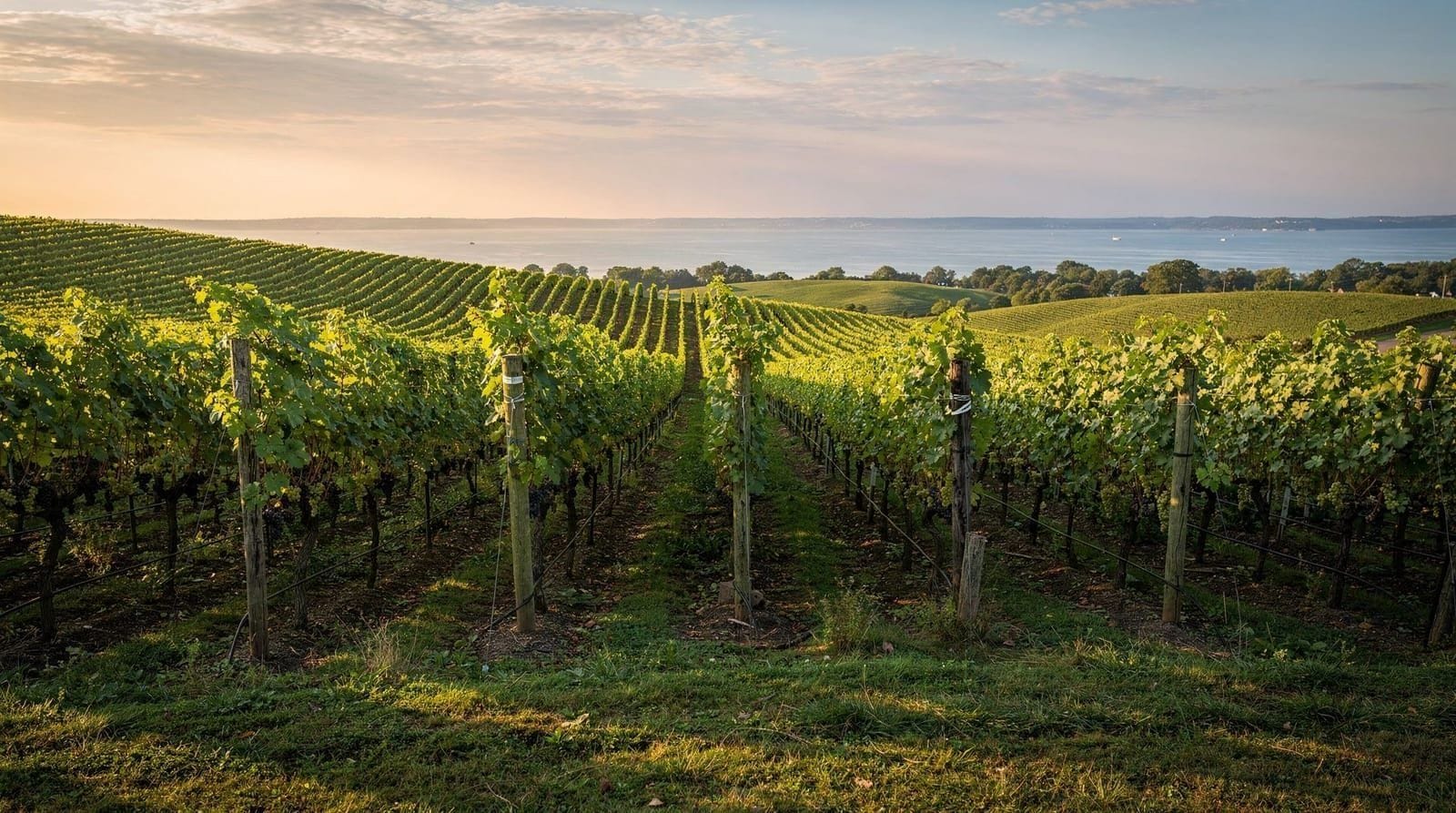
Prince Edward County — locals just call it “the County” — sits on a limestone peninsula jutting into Lake Ontario about two and a half hours east of Toronto, and it has spent the last two decades quietly building a reputation as the province’s more intimate, less commercial answer to Niagara wine country.
Roughly 40 wineries operate here, most of them small, family-run, and specializing in cool-climate varietals — chardonnay and pinot noir in particular, thanks to the limestone soil and lake-moderated microclimate. Add Sandbanks Provincial Park’s genuinely excellent freshwater beaches, the walkable heritage town of Picton, and a food scene built around local farms and oyster bars, and it’s easy to see why the County has become a favourite weekend escape for Torontonians who’ve already done Niagara a few times.
The catch for a day-tripper is the distance. At roughly 200 km and 2.5 hours each way, this is one of the longest single-day trips on the standard Toronto list, longer than Niagara and comparable to Algonquin. That reality should shape how you plan the day: pick a focus rather than trying to sample everything the County offers.
| Distance | About 200 km, 2.5 hours each way from Toronto |
| Cost | Around CAD 100-150/person wine-focused, CAD 40-60 beach-focused |
| Time needed | Full day; an overnight is more comfortable if your schedule allows |
| Getting there | Self-drive via Highway 401, or a guided wine tour with transport |
| Best time | Fall (September-October) for wine; June-early September for Sandbanks |
Getting there
The drive from Toronto follows Highway 401 east, then Highway 49 or County Road 62 south onto the peninsula, landing in Picton after roughly 2.5 hours in normal traffic — closer to 3 hours on a Friday evening or summer holiday weekend, when eastbound 401 traffic backs up with cottage-country and Kingston-bound drivers.
There’s no direct train service into the County. VIA Rail runs regular service from Toronto’s Union Station to Belleville (about 2 hours), the nearest station, but Belleville sits roughly 20 minutes from Picton by road, meaning you’d still need a taxi, rideshare, or rental car for the final leg — availability for which is patchier in a smaller city than in Toronto, so this isn’t a reliable train-only plan for a single day trip.
Given the distance and the fact that wine tasting is the main draw, a guided tour removes both the drive and the designated-driver problem in one move. The Toronto: Private Prince Edward County wine day tour handles the return drive and typically structures the day around three to four winery stops, which is a comfortable pace without over-scheduling.
What a wine-focused day looks like
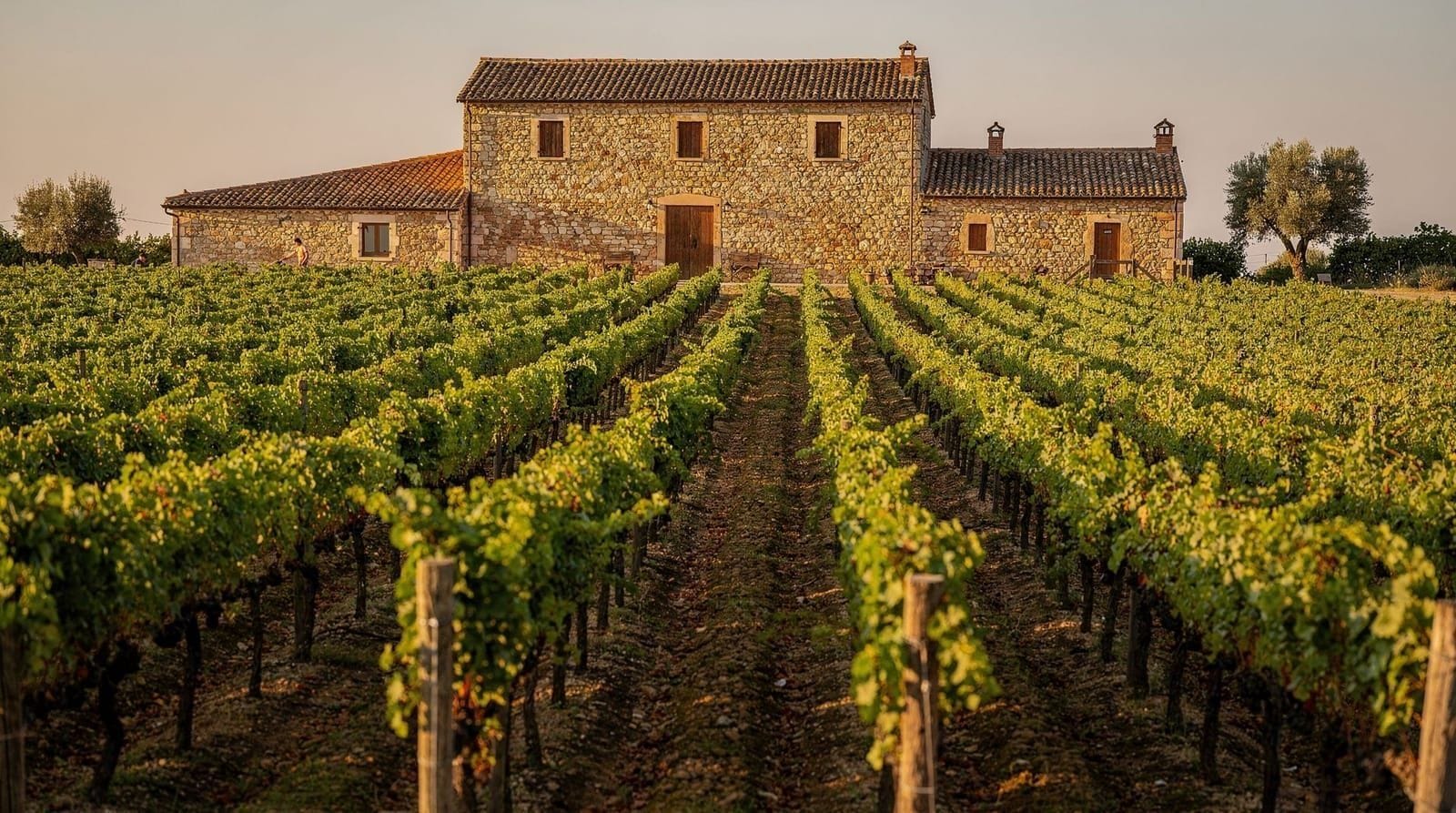
If wine is the priority, plan on visiting three to four wineries, spaced with lunch somewhere in the middle. Closson Chase, Norman Hardie, Huff Estates, The Grange of Prince Edward, and Rosehall Run are among the County’s more established names, each with a different style and setting — some rustic barn tasting rooms, others more polished. Most tastings run 15 to 25 CAD for a flight of four to six pours, and reservations are recommended in peak summer and fall, particularly for wineries with limited seating.
Lunch in or around Picton breaks up the driving between wineries nicely. The town’s small downtown has a handful of genuinely good restaurants built around local ingredients — this is oyster and farm-to-table territory, not fast casual — and a stop here doubles as your look at the County’s built heritage, a mix of 19th-century limestone buildings that give Picton its distinct character compared to more generic small-town Ontario.
What a beach-focused day looks like
Sandbanks Provincial Park, on the County’s southern edge, has some of the best freshwater beaches in Ontario — wide stretches of sand backed by genuine dune systems, unusual for the Great Lakes region. Outer Beach and Sandbanks Beach are the two main swimming areas, both with lifeguards in peak season, washroom facilities, and a day-use vehicle fee (in the 20 to 22 CAD range) that’s worth confirming before you go, since the park can and does close to new vehicle entries on the busiest July and August weekends once capacity is reached.
If beaches are the plan, this genuinely is a summer-only trip — the swimming season runs roughly June through early September, and outside that window Sandbanks is a scenic but chilly walk rather than a beach day. Combining a Sandbanks visit with one or two winery stops on the way in or out is realistic if you’re driving yourself and starting early.
Trying to do both in one day
It’s possible if you’re efficient and driving your own vehicle, but expect a long day: an early start (leaving Toronto by 7:30 or 8 a.m.), a couple of hours at Sandbanks in the morning before the beach crowds peak, then two winery stops and a late lunch in the afternoon before the drive back. This pace leaves little room for lingering, which somewhat defeats the point of a region built around slowing down. Most repeat visitors eventually decide the County deserves an overnight stay rather than a single rushed day, and if your schedule allows even one night, it substantially changes what’s realistic.
Why the County’s wine differs from Niagara’s
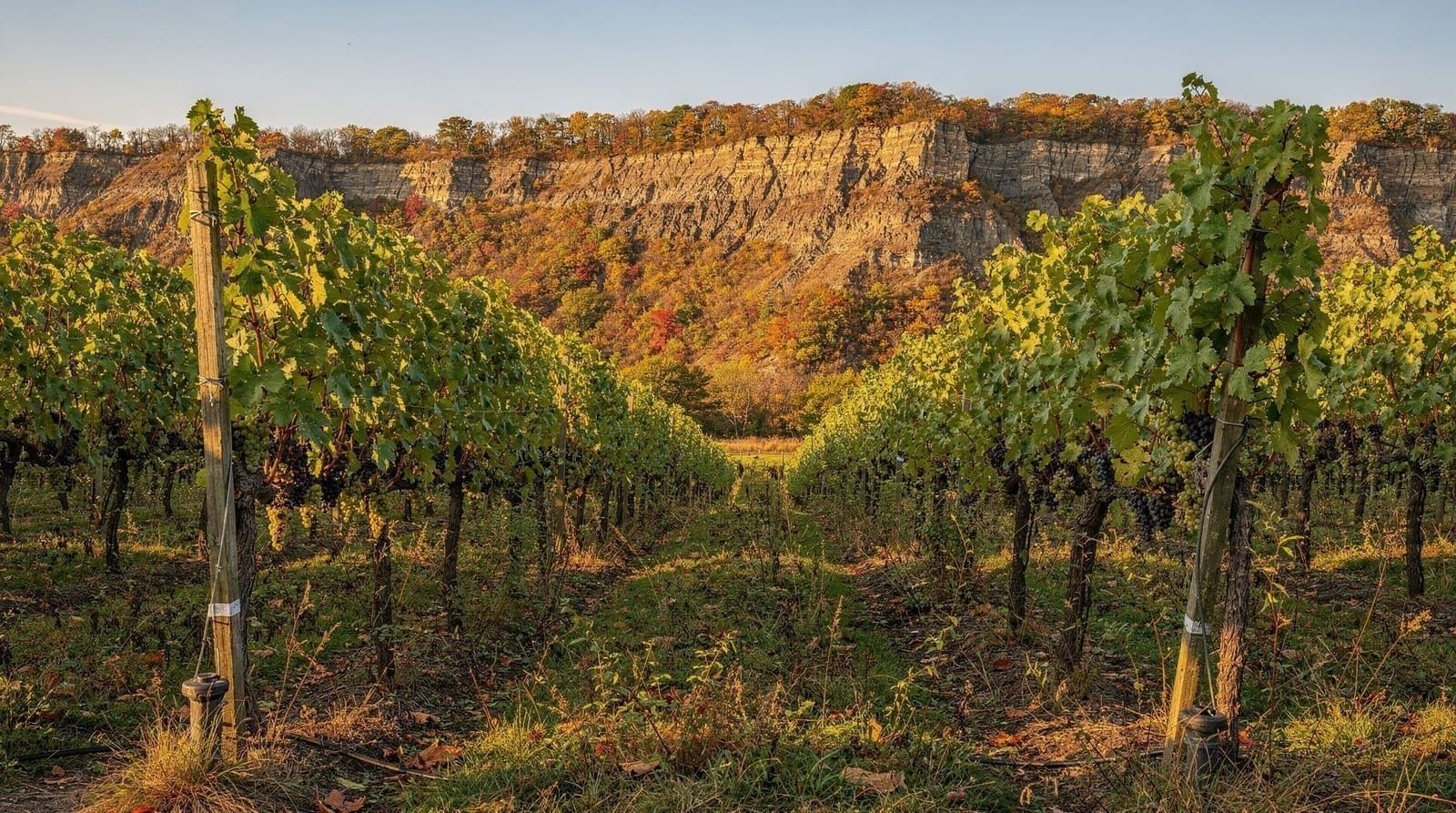
Prince Edward County’s limestone bedrock sits close enough to the surface in many vineyard sites that growers have to work around it directly, a distinct terroir from Niagara’s deeper glacial soils, and it shows in the wine. Chardonnay and pinot noir dominate here specifically because they’re the varietals best suited to the region’s cooler mesoclimate and mineral-heavy soil — a narrower focus than Niagara’s broader range of grape varieties, but one that’s earned the County a reputation among Canadian wine critics for punching above its weight on those two grapes specifically.
Many of the County’s winemakers are also relative newcomers to the industry compared to Niagara’s more established, multi-generational operations, having arrived over the past two decades specifically drawn by the terroir — which shows up in the smaller-scale, more experimental character of many tasting rooms compared to Niagara’s larger, more commercially polished visitor centres.
Farm-to-table beyond the wineries
The County’s food identity extends well past wine, built on a genuinely productive agricultural base — dairy farms, orchards, and a growing artisanal cheese scene supply many of the restaurants clustered in and around Picton. Prince Edward County oysters, farmed in the Bay of Quinte’s brackish waters, have become a specific point of local pride, showing up on menus across the region in a way that surprises visitors who don’t associate inland Ontario with oyster farming. If a day trip allows for it, seeking out a restaurant sourcing directly from County farms rather than a more generic countryside eatery meaningfully changes the quality of the meal, and it’s a detail worth asking about when choosing where to eat.
The Loyalist history behind Picton’s architecture
Prince Edward County was settled substantially by United Empire Loyalists — colonists who fled the newly independent United States after the American Revolution and resettled in British North America — and that history shaped the limestone architecture that gives Picton its distinct character today. Several of the town’s older buildings date to this early settlement period, and the County’s historical society maintains a few small museums and heritage sites worth a brief stop if the wine and beach itinerary leaves any spare time, offering context for why this particular stretch of Lake Ontario shoreline developed the way it did.
Seasonal notes
Summer (June to early September) is the only season for Sandbanks swimming and also the County’s busiest period for wineries and restaurants — book ahead for both. Fall (September into October) is arguably the best season for the wine-focused version of this trip: harvest activity at the wineries, comfortable driving weather, and noticeably thinner crowds once Labour Day passes. Winter sees most wineries reduce hours or shift to appointment-only tastings, and Sandbanks becomes a stark, empty, genuinely striking winter beach walk rather than a swimming destination. Spring is a quieter version of fall, with wineries reopening gradually through April and May.
What repeat visitors do differently
Torontonians who make return trips to the County tend to shift their approach after the first visit — rather than trying to hit the well-known wineries every time, many gravitate toward a rotating handful of smaller producers they’ve discovered, often ones without much of an online presence, learned about through word of mouth or a winery’s own recommendations of “who to visit next door.” If your day trip goes well and you’re considering a repeat visit, asking staff at whichever winery you enjoyed most for a couple of lesser-known recommendations nearby is a genuinely effective way to build a more personal, less crowded itinerary on a future trip, rather than repeating the same well-trodden circuit of the region’s biggest names.
Budget for a day trip
A wine-focused day with three tastings and lunch runs roughly 100 to 150 CAD per person if driving yourself, factoring gas, tasting fees, and food, though wine purchases can add meaningfully to that if you fall for a bottle or two (most wineries do offer to ship, which softens the “how do I get this home” problem). A beach-focused day is considerably cheaper — largely just the vehicle entry fee and food, landing closer to 40 to 60 CAD per person. A guided wine tour that includes transport and several tastings typically runs higher per person than the self-driven version, reflecting the value of not needing a designated driver and the door-to-door convenience for a trip this long.
Cideries and craft beverages beyond wine
Wine gets most of the attention, but the County has also developed a genuine cidery and craft beverage scene in recent years, drawing on the same apple-growing agricultural base that has long supported the region’s farms. A stop at a cidery alongside the winery circuit offers a lower-alcohol tasting option partway through the day, useful for pacing if driving yourself, and several of these smaller operations sit along the same rural roads as the wineries, making them easy to fold into an existing route without significant added driving.
Practical notes before you go
Book winery tastings in advance for summer and fall weekends — several of the County’s smaller operations have limited seating and don’t accommodate walk-ins reliably during peak season. If Sandbanks is part of the plan, check the park’s daily capacity status online before driving out, since it does turn away vehicles once full on the busiest days. Cell coverage across the County is generally reliable in town but patchier on the rural roads between wineries, so download a map of your planned route. If you’re driving and tasting, appoint a designated driver or stick to spit-and-sip at each stop — Ontario’s impaired driving laws are strictly enforced on rural highways.
Frequently asked questions about a Prince Edward County day trip
Is Prince Edward County worth the 2.5-hour drive from Toronto?
For wine and food enthusiasts, most who make the trip say yes, largely because the smaller-scale, less commercial wineries offer a different experience than Niagara’s larger operations. If the drive time is the main hesitation, consider whether an overnight stay makes more sense than compressing the visit into a single long day.
Should I book winery tastings in advance?
Yes, especially from June through October. Several of the County’s most popular wineries have limited tasting room seating and can turn away walk-ins on busy weekends, so a quick call or online booking a few days ahead removes that risk.
Is Sandbanks Provincial Park worth visiting outside summer?
The swimming season is short, but the dunes and beach are still worth a walk in spring and fall if you’re already in the area for wineries — just don’t plan a day trip specifically for a beach visit outside June through early September.
What’s the best way to get to Prince Edward County without driving yourself?
A guided wine day tour from Toronto is the most practical no-driving option, since public transit only reaches nearby Belleville and requires an additional taxi or rideshare for the final stretch into the County itself.
Can I visit Prince Edward County and Kingston or the Thousand Islands in the same trip?
They’re roughly an hour apart via Highway 401, so combining them works better as an overnight or multi-day trip than a single day from Toronto, given that either destination alone already represents a 2.5 to 3-hour drive each way from the city.
Is Prince Edward County better than Niagara for a day trip?
For a genuine single-day trip, no — see the Niagara wine country guide for a region that’s closer and better suited to compressing into one day. The County rewards the extra drive time mainly if you can stay overnight.
Top experiences
Bookable activities with verified prices and instant confirmation on GetYourGuide.