Sandbanks Provincial Park
Sandbanks has the world's largest baymouth dune formation and three sand beaches — what to know before a beach day in Prince Edward County.
Toronto: Private Prince Edward County Wine Day Tour
Quick facts
- Distance from Toronto
- 2.5 hours (215 km) by car
- Beaches
- Outlet Beach, Sandbanks Beach, Dunes Beach
- Dune height
- Up to 25 meters
- Vehicle permit
- Required daily or via Ontario Parks pass
A dune system, not just a beach
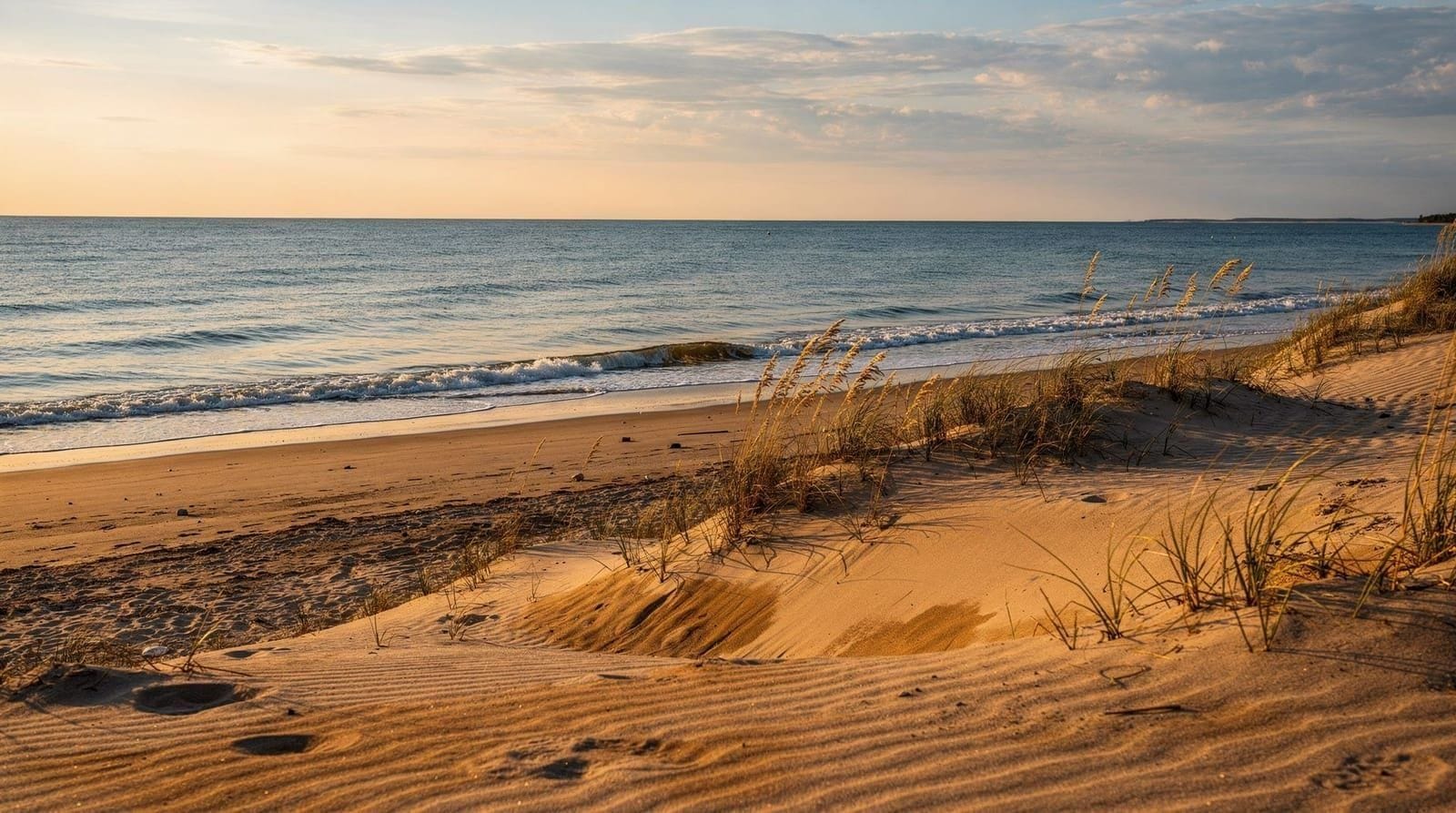
Sandbanks Provincial Park is best understood as a geological feature that happens to also be a great beach — it holds the largest baymouth barrier dune formation in the world, with dunes built up over roughly 11,000 years by wind and wave action off Lake Ontario. That distinction matters for how you plan a visit: the dunes themselves are a fragile system with marked trails, and wandering off-path (however tempting for photos) damages plant roots that hold the sand in place, which is why park staff are strict about staying on boardwalks and designated paths.
| Where | Prince Edward County, ~2.5 hrs / 215 km from Toronto |
| Time needed | Full day; longer if camping |
| Getting there | Car essential (Highway 401 to Highway 49) |
| Cost | Vehicle permit around CAD 20-25/day |
| Best time | July-August for swimming; May/June/Sept for fewer crowds |
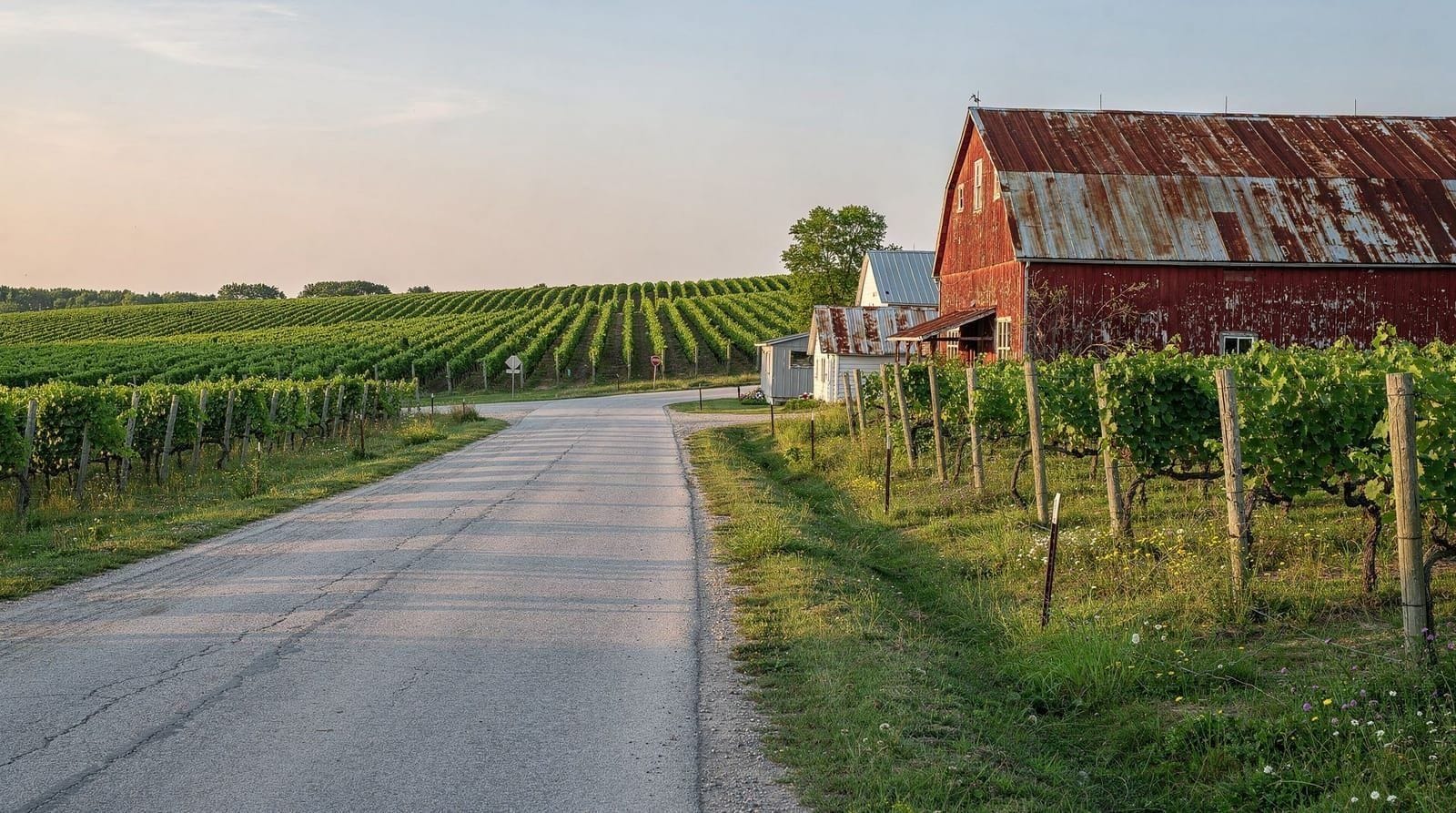
The park sits within Prince Edward County, about 15 minutes from Picton, and for most visitors it’s a day trip built around one of the county’s three beaches rather than an overnight stay, though the park does have a large campground for those who want to stay longer.
The three beaches
Outlet Beach is the park’s main swimming beach and the busiest — wide, sandy, with shallow water that warms up faster than the open lake, making it popular with families. Sandbanks Beach, on the west side, has the tallest dunes and a slightly wilder feel, backed by the Sandbanks Dunes Trail, a 1.5 km loop through the dune system. Dunes Beach, smaller and quieter than the other two, tends to draw fewer visitors even at peak times, making it the better choice if you’re looking for space to spread out.
Water temperatures in the shallow bays here run noticeably warmer than at Toronto’s beaches on Lake Ontario, since the park’s bays are more sheltered — by late July, swimming water can reach the low-to-mid 20s Celsius.
When the park fills up
On weekends in July and August, Sandbanks can reach vehicle capacity and turn cars away by mid-morning — this has become common enough that Ontario Parks now recommends arriving before 10am on peak summer weekends or booking a vehicle permit in advance through the Ontario Parks reservation system where available. Weekday visits are far more relaxed, and shoulder-season trips (May, June, and September) offer a genuinely different experience: nearly empty beaches, cooler but still swimmable water by late June, and none of the capacity anxiety.
Planning a beach day that actually works
A good Sandbanks day is mostly about sequencing. Arrive early, claim a stretch of sand while the lot is still calm, and swim in the morning when the beach is at its most pleasant. Save the dune walk for later, when the sun is high and you want a change of pace from the water. Families with young children tend to do best staying close to the shallow water at Outlet Beach and treating the dunes as a short, optional outing rather than the main event.
If you are choosing between several Ontario beach days, it helps to know what makes this one different. The shallow, sheltered bays and the dune landscape give it a character that the city waterfront cannot match, which is why many visitors who know the Toronto Islands or the Beaches still make the trip east. For a more city-based swim and sand option, the guide to the Beaches in Toronto covers what you can do without leaving town.
Think of the day as three blocks: a morning swim, a long unhurried lunch, and an afternoon walk or a winery stop. Trying to fit in every beach and every trail usually leaves people tired and sandy rather than satisfied. Pick one beach, one trail, and one other stop, and the day feels full without feeling rushed.
Hiking beyond the beach
Past the dune trails, the park has additional hiking through wooded areas and marshland, including sections that connect to birdwatching spots — Sandbanks sits on a migratory route and draws serious birders in spring and fall for warbler and waterfowl migration. The Cedar Sands Trail, away from the main beach crowds, is a quieter option for a longer walk through mixed forest and dune grassland.
Walking here is gentler than in the province’s northern parks, so it suits people who want fresh air without a committed hike. If you want something more demanding on another trip, Algonquin Park and the Niagara Escarpment trail guide offer longer routes. Bring patience for the sand itself, which slows every step and makes even a short loop feel like more effort than the distance suggests.
Camping and staying nearby
Sandbanks has one of Ontario’s largest provincial park campgrounds, with several hundred sites split across three campgrounds within the park. Summer weekends book out months in advance through the Ontario Parks reservation system, so this isn’t a spontaneous option in July or August. For visitors who’d rather not camp, Picton is the closest town with hotels, inns, and restaurants, a 15-minute drive from the park gates.
Getting there from Toronto
The drive from Toronto is about 2.5 hours (roughly 215 km) via Highway 401 east to Highway 49 south. There’s no public transit option into the park — no train, no bus route — so a car is essentially mandatory. If you’re staying in Picton without a car, taxis and rideshare exist but are limited in supply, especially on summer weekends when demand for a beach run spikes.
Driving, parking and renting a car
Because a car is essential, it is worth deciding early how you will get one. If you do not own a vehicle, the guide to renting a car in Ontario explains what to expect, and the Prince Edward County day trip from Toronto lays out a realistic schedule for the whole outing. Leave the city early to beat both the highway traffic and the park queue, and plan the return drive so you are not rushing to leave the beach at its best hour.
Anyone coming from the Toronto side who prefers not to drive can look at the GO Transit guide and the VIA Rail guide for the closest public options, but be clear-eyed that neither reaches the park gates, so you would still need a way to cover the final stretch.
Pairing Sandbanks with a winery day
Because the park is only 15–20 minutes from most of the Prince Edward County wine cluster, a common one-day plan is a morning at Sandbanks followed by an afternoon of winery visits, or the reverse if you want to swim off a wine-tasting lunch. The park’s day-use facilities (washrooms, a small snack concession at Outlet Beach) are enough to cover a few hours, but most visitors bring their own food for a full beach day. For travelers without a car who still want the beach-plus-wine combination, a guided day trip from Toronto that covers both Sandbanks and the county’s wineries removes the logistics entirely.
Private Prince Edward County wine tour from TorontoAnyone weighing whether Prince Edward County or Niagara makes the better wine day should also check the Niagara vs. Prince Edward County wine guide — the short version is Niagara is closer and larger, PEC is smaller and more boutique, and Sandbanks tips the balance toward PEC for anyone who wants a beach in the same day.
For a deeper look at the county’s wineries before you choose where to stop, the Prince Edward County wine guide and the wine country weekend planning guide help you build a tasting route. If you would rather read a more personal take on why people keep returning, why we love Prince Edward County gives the editorial view.
Fuelling the day before you leave Toronto
Food is the part of a Sandbanks day that people most often leave to chance. The park’s concessions are basic, so a good picnic makes a real difference. If you like to assemble one from the city’s best markets before you drive out, the guide to Kensington Market is a handy starting point, and a guided outing such as a walking food tour through Kensington Market is a fun way to spend an evening before an early beach start. It is an optional extra rather than part of the park visit, but it pairs well with a weekend built around the county.
What to bring
Beyond the obvious beach gear, bring cash or a card for the vehicle permit fee (day passes run in the $20–25 CAD range per vehicle, less with an Ontario Parks annual pass), sun protection since shade is limited on the open beaches, and water — the concession stands are basic and can run out of stock on the busiest days. Shoes with reasonable grip help for the dune trails, where soft sand and occasional exposed roots make barefoot walking impractical away from the beach itself.
Fitting Sandbanks into a longer trip
A single day at Sandbanks works well bolted onto a broader Prince Edward County trip. The Prince Edward County weekend itinerary builds a full two- or three-day plan around wineries, cideries, and the beach, and the things to do in Prince Edward County guide covers everything beyond the dunes if you’re staying longer than a single beach day. Travelers deciding whether to base themselves in Picton or make Sandbanks a day trip from Toronto should weigh the 2.5-hour drive against the value of an early morning arrival — arriving after 10am on a July or August weekend risks the lot filling before you even get there.
Travelling with children is easy to underestimate, so consider the family day trips from Toronto for comparison and ideas on keeping a long drive manageable. Snacks, a shade shelter and a change of clothes for everyone make the return journey far more pleasant.
Practical notes
The park operates on a seasonal schedule, with full facilities running from spring through fall and reduced services in winter, though the beaches and trails remain accessible year-round for those willing to bundle up for a cold-weather walk. Cell service is generally reliable throughout the park given its proximity to Picton, but can weaken near the more remote sections of the dune trails.
Frequently asked questions about Sandbanks Provincial Park
Is Sandbanks worth visiting if the beaches are full?
Yes, if you shift your plan — the dune trails, birdwatching areas, and Dunes Beach (the quietest of the three) are usually still accessible even when Outlet Beach reaches capacity. Visiting on a weekday avoids the issue entirely.
Do I need to pay to enter Sandbanks Provincial Park?
Yes, a daily vehicle permit is required, purchasable at the gate or, where available, in advance through the Ontario Parks system. An Ontario Parks annual pass covers entry if you plan to visit multiple provincial parks in a season.
Can I visit Sandbanks without a car?
It’s difficult — there’s no train or bus service directly to the park, and taxis from Picton are limited, especially on busy summer days. A rental car or a day tour that includes the park is the practical option for visitors without their own vehicle.
Which of the three beaches is best for families?
Outlet Beach, thanks to its shallow, gently sloping water and wider stretch of sand, is generally considered the most family-friendly of the three.
When is the best time to see the dunes without crowds?
May, June, and September offer noticeably thinner crowds than July and August, while still allowing enough warmth for a beach walk or, in June and September, a swim.
Is camping at Sandbanks hard to book?
Summer weekends fill up months ahead through the Ontario Parks reservation system. Weekday stays and shoulder-season camping are considerably easier to secure on shorter notice.
Can I combine Sandbanks with wine tasting in the same day?
Yes — most of the Prince Edward County wine cluster sits 15-20 minutes from the park, making a morning beach session followed by an afternoon of tastings (or the reverse) a common and easy pairing, whether self-driven or on a guided wine tour from Toronto.
Is Sandbanks better than Niagara for a wine-and-nature day?
They serve different trips — Niagara is closer to Toronto and has a larger, more polished wine scene, while Sandbanks pairs Prince Edward County’s smaller, boutique wineries with a genuinely exceptional beach the Niagara region doesn’t have.