A local's guide to Kensington Market
The neighborhood every Toronto guide recommends — here’s why, specifically
Kensington Market shows up on every “best of Toronto” list, which usually means one of two things: it’s genuinely worth the hype, or it’s coasted on reputation past the point of still deserving it. It’s the former, but with real caveats about timing and expectations that most guides skip. This is what actually makes it work, and what to plan around.
| Where | Bounded roughly by Spadina Ave, College St and Bathurst St |
| Best time | Weekday 10:30am-1pm, or last Sunday of the month (May-Oct) for Pedestrian Sunday |
| Time needed | 2-3 hours, more if combined with Chinatown |
| Food budget | Around $4-15 CAD per item at patty shops and stalls |
| Getting there | Short walk from Chinatown, 15-20 min from Downtown |
What Kensington Market actually is
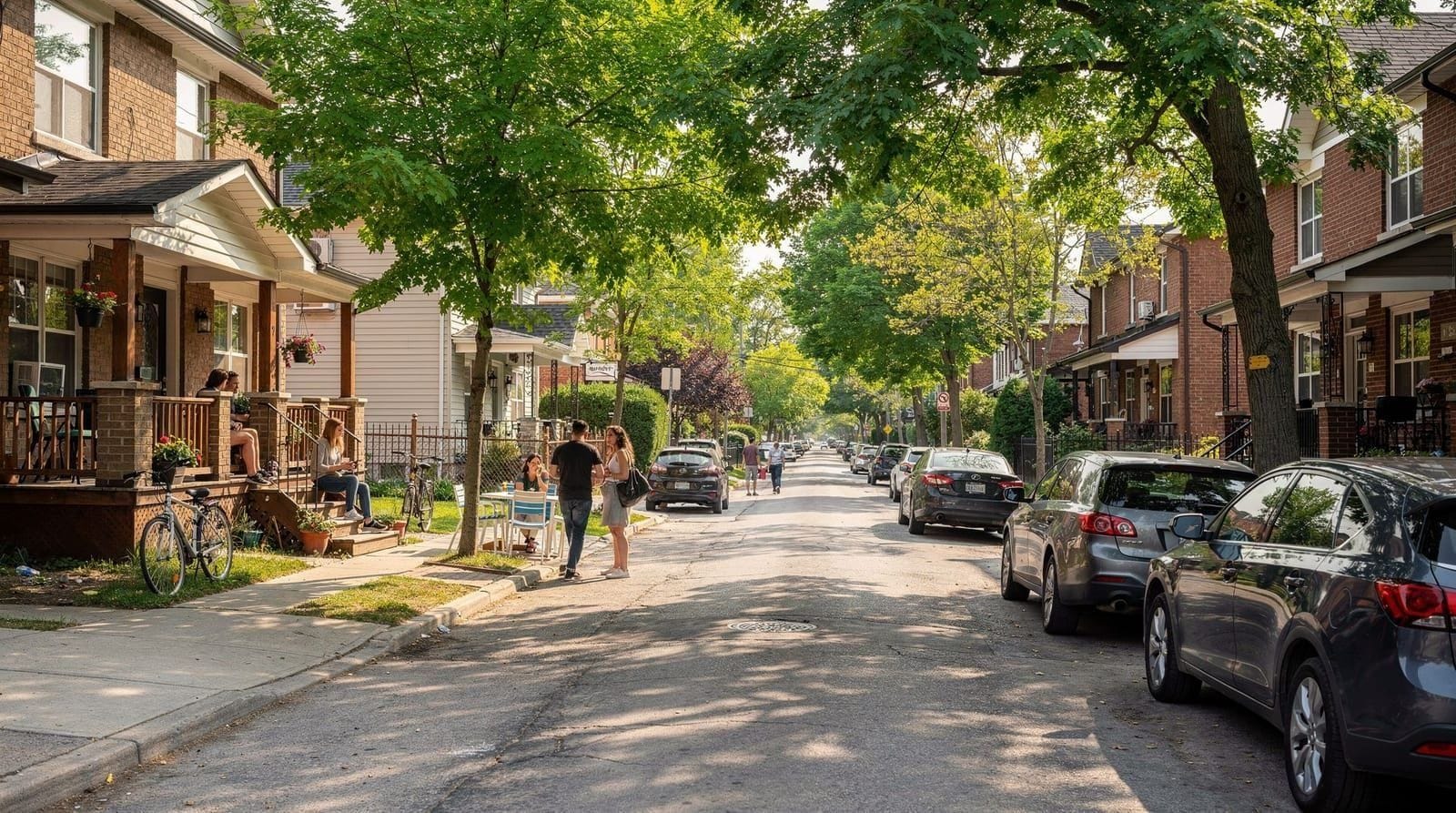
It’s a few square blocks bounded roughly by Spadina Avenue, College Street, and Bathurst Street, made up of narrow residential streets that happen to be lined with independent shops rather than a purpose-built shopping district. That distinction matters: it grew organically out of a Jewish immigrant market in the early 20th century, then layered on Portuguese, Caribbean, and more recently a broader mix of vintage clothing, vegan food, and small galleries. Unlike planned tourist zones, it still has actual residents living above most of the shops, which is part of why it retains a lived-in feel that more curated neighborhoods lose.
The best time to actually visit
Weekday late mornings (10:30am-1pm) are the sweet spot — vendors are open, the street energy is real, but you’re not fighting Saturday crowds. Last Sunday of the month (May through October) is Pedestrian Sunday, when cars are banned from the core streets and the neighborhood turns into an open-air festival with street performers and vendors spilling into the road — genuinely worth planning a visit around if your dates align, though expect it to be considerably more crowded than a normal day. Avoid Saturday afternoons in summer if you actually want to move through the neighborhood rather than shuffle with the crowd.
Where to eat, honestly
The patty shops (Jamaican beef, chicken, or vegetable patties, $4-6 CAD) are a legitimate quick-bite institution here, not a tourist gimmick — multiple long-running spots compete on the same block. Segovia and similar tapas spots handle the neighborhood’s Spanish and Portuguese heritage well for a sit-down meal. For a lower-commitment way to sample multiple vendors without picking wrong, a guided food tour genuinely earns its cost here, since the density of options makes a first-timer’s blind pick a coin flip:
Kensington Market international food tour Kensington Market ‘Taste the World’ food tourVintage shopping — what’s real and what’s inflated
Kensington’s vintage scene is genuinely deep, with several long-standing shops that source real, well-curated pieces rather than fast-fashion resold as “vintage.” Prices have crept up over the past several years as the neighborhood’s reputation grew — expect $25-60 CAD for a decent vintage jacket, more for standout pieces — but it’s still meaningfully cheaper and more interesting than the vintage sections of most mall-adjacent chains. Compare a few shops before buying; quality and pricing vary more than the neighborhood’s uniform “cool market” branding suggests.
Kensington’s connection to Chinatown
Kensington Market sits directly against Chinatown, and the two blend at the edges without a hard boundary — walking west to east across the pair covers an unusually wide range of cuisines and cultures in about 20 minutes. If you’re doing one, do both; treating them as separate half-day trips wastes time you could spend actually eating and browsing. Our Chinatown Toronto guide covers that side in more depth.
Toronto 2-hour Kensington Market Chinatown walking tourThe honest downside: it’s gotten more polished
Long-time residents and regular visitors will tell you Kensington has gentrified noticeably over the past decade — some of the roughest-edged, most affordable spots have given way to higher-priced boutique versions of the same concept. This is a real tension, not a marketing footnote, and it’s worth knowing you’re seeing a somewhat smoothed-over version of what made the neighborhood’s reputation in the first place. It’s still genuinely good — just be aware “authentic” here comes with an asterisk that applies to most beloved urban neighborhoods that got popular.
The market halls versus the street-level shops
Most first-timers only experience Kensington at street level, but a handful of interior market spaces — repurposed Victorian houses subdivided into tiny stalls — hold some of the best individual vendors in the neighborhood, from a spice merchant who’s been there for decades to small-batch coffee roasters running out of what used to be someone’s living room. These interior spaces are easy to miss if you’re only scanning storefronts, and they’re where a lot of the neighborhood’s actual character survives, away from the more Instagram-oriented street frontage that gets most of the attention.
The music and street performance scene
Kensington has an unusually active informal music scene for a neighborhood this size — buskers, a long-running reggae and dub sound system culture tied to the area’s Caribbean roots, and small bars that book live acts on weeknights without charging a cover. It’s not curated or promoted the way a formal live-music district would be, which is part of the appeal: you’re as likely to stumble into a good set as to plan around one. Evenings, especially Thursday through Saturday, are when this side of the neighborhood is most active.
How Kensington compares to other Toronto market neighborhoods
It’s worth being honest about how Kensington stacks up against St. Lawrence Market, Toronto’s other major food-and-market destination. St. Lawrence is a single indoor building with a curated, formal vendor structure — better for a focused one-hour visit with a clear plan. Kensington is sprawling, informal, and rewards wandering without an itinerary; it’s the better choice if you have a couple of hours to spare and want the neighborhood experience rather than an efficient shopping trip. Doing both on the same visit, on different days, gives a genuinely fuller sense of how Toronto’s food culture actually works day to day rather than in a single tourist-oriented stop.
A practical half-day plan
Start at the Baldwin Street end around 10:30am for coffee, work west through the vintage shops before the sidewalks fill up, grab a patty or taco around 12:30pm, and finish with a slower wander through the interior market stalls in the early afternoon once the initial lunch rush has cleared. This sequencing avoids the worst of the midday crowding while still catching the neighborhood at its most active — Kensington genuinely feels different, and quieter, after about 4pm on weekdays, which is worth knowing if you’d rather have the streets more to yourself even at the cost of some vendors already closing up.
Getting there and what to pair it with
Kensington is a short walk from Chinatown and a 15-20 minute walk (or quick streetcar) from Downtown, making it easy to combine with a broader day covering both. Our guide to Kensington Market has a full walking route if you want a structured plan rather than wandering, and our Toronto food tours guide covers additional options if the neighborhood’s specific tours don’t fit your schedule.
A final honest note on expectations
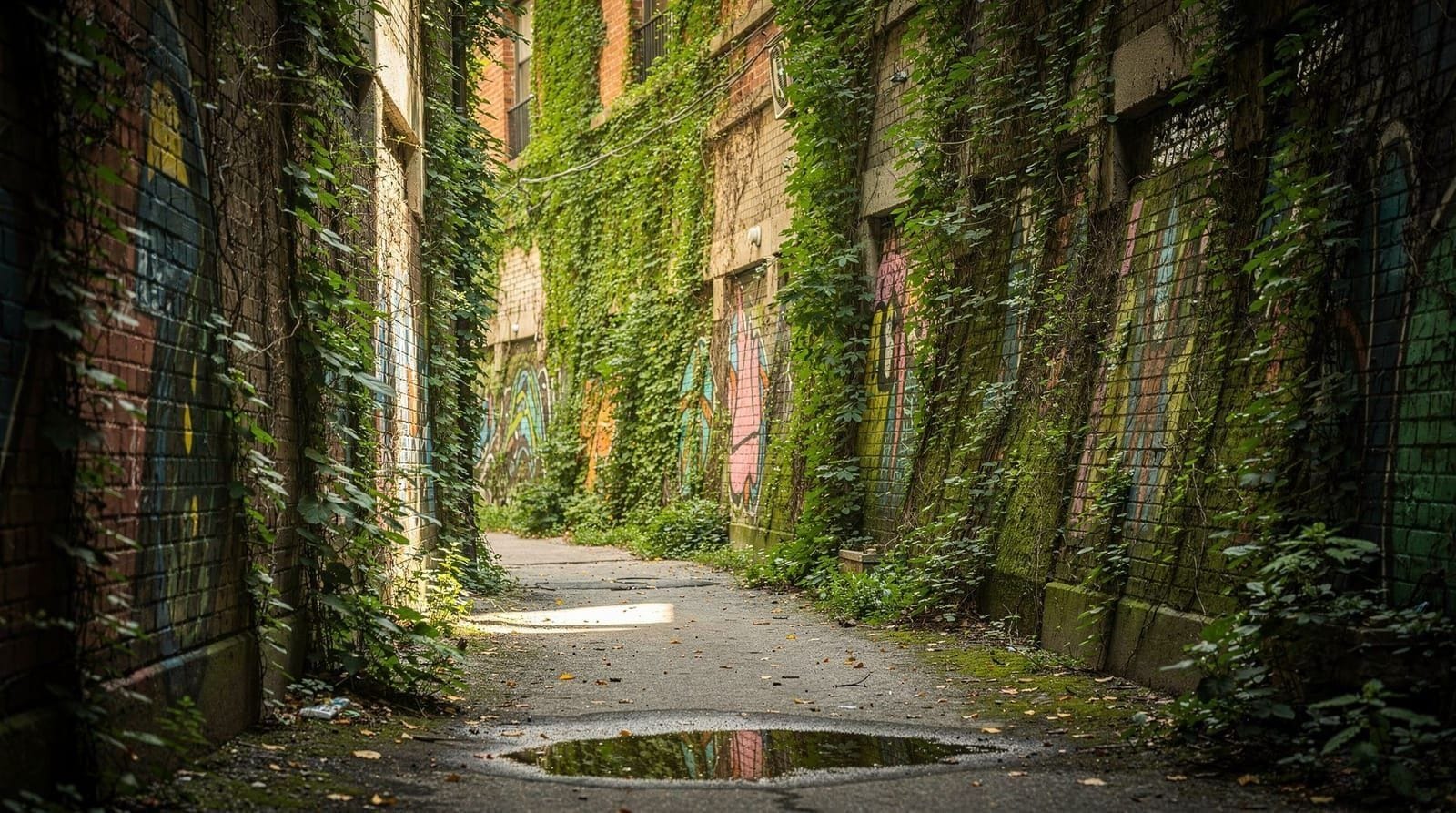
Kensington Market photographs well and has a strong social-media presence, which means some visitors arrive expecting something closer to a curated, Instagram-perfect backdrop than the genuinely lived-in, occasionally scruffy neighborhood it actually is. That rougher-around-the-edges quality is part of what makes it work — treat it as a real neighborhood you’re visiting rather than a set, and it delivers more than a polished, purpose-built tourist district ever could.
What to bring and what not to expect
Cash is still useful here — some of the smallest vendors and market-hall stalls prefer it, though most now take cards. Don’t expect climate control or polished retail interiors; many shops are small, sometimes cramped, converted residential spaces, part of the neighborhood’s character rather than a shortcoming. Comfortable shoes matter more here than almost anywhere else in Toronto, given how much ground a proper visit covers on foot.
Getting there by car versus transit, honestly
Driving in isn’t recommended if it can be avoided — Kensington’s narrow residential streets have limited, mostly metered street parking that fills fast, and the closest paid lots are a few blocks out on College or Spadina. Transit handles this neighborhood far better: the 510 Spadina or 505 Dundas streetcars both drop you within a few minutes’ walk, and it removes any need to think about parking at all while you wander. If you’re combining Kensington with a broader downtown day, transit also makes it trivial to continue on to Chinatown or Downtown afterward without backtracking to a parked car.
A rough budget for a half-day visit
| Item | Typical cost (CAD) |
|---|---|
| Patty or taco lunch | $4-8 |
| Sit-down tapas meal (Segovia-style) | $20-35 per person |
| Coffee from a market-hall roaster | $4-6 |
| Vintage jacket or standout piece | $25-60+ |
| Guided food tour (2-3 hrs) | Varies by operator, see tours below |
Budget roughly $30-50 CAD per person for food and a coffee if you’re not buying vintage, more if a piece of clothing catches your eye.
Is Kensington Market kid-friendly?
It works reasonably well for families with older kids or teens who can handle a few hours of walking and browsing, but it’s less suited to strollers given the narrow, sometimes uneven sidewalks and the density of foot traffic on weekends. Younger children may find the sensory overload — smells, crowds, tight spaces — more overwhelming than charming. A weekday morning visit, when the neighborhood is calmer, is the more forgiving option for families.
Frequently asked questions about Kensington Market
Is Kensington Market worth visiting?
Yes — it’s one of the few Toronto neighborhoods that lives up to its reputation, with a genuine mix of food, vintage shopping, and street culture that feels organic rather than manufactured for visitors.
What’s the best day to visit Kensington Market?
A weekday late morning for a calmer experience, or the last Sunday of the month (May-October) for Pedestrian Sunday if you want the neighborhood at its most festive and don’t mind bigger crowds.
Is Kensington Market safe?
Yes, it’s a well-populated, well-trafficked neighborhood with normal city-level precautions applying — no specific safety concerns beyond standard urban awareness.
How much time should I budget for Kensington Market?
Two to three hours covers a meaningful visit including food and shopping. Combine it with Chinatown next door for a half-day that covers significantly more ground.
Is Kensington Market expensive?
Food is genuinely affordable ($4-15 CAD for most items), while vintage clothing prices have risen with the neighborhood’s popularity ($25-60+ CAD for quality pieces) but remain reasonable compared to curated boutiques elsewhere in the city.
Can I drive to Kensington Market and park nearby?
You can, but it’s not the easiest option — street parking is limited and metered, and the closest paid lots sit a few blocks out on College or Spadina. The 510 Spadina or 505 Dundas streetcars are a more reliable way in, especially on weekends when street parking disappears fastest.