London, Ontario
Ontario's Forest City is a university town with a walkable downtown, Storybook Gardens and a manageable stop on a southwestern Ontario road trip.
Quick facts
- Distance from Toronto
- 2 hours (190 km) by car or direct VIA Rail
- Population
- About 440,000
- Nickname
- The Forest City
- Known for
- Western University, the Thames River, and Storybook Gardens
A city that borrowed its geography from England, twice
London, Ontario shares more than a name with England’s capital — it sits on a river called the Thames, and its founders, laying out the townsite in the early 1800s, deliberately modeled the street grid and river crossing points on London, England, complete with a plan (never fully realized) to make it Upper Canada’s capital. That ambition didn’t pan out (the honor went to Toronto), but the name and the river stuck, and the city grew instead into a regional hub for southwestern Ontario, nicknamed the Forest City for its dense tree canopy, one of the highest per-capita in Canada.
Today London functions less as a marquee tourist destination and more as a practical, livable stop on a route through southwestern Ontario — useful as a base, a meal stop, or a half-day detour rather than a multi-day trip in its own right for most Toronto-based visitors.
Western University and the city’s academic identity
Western University, one of Canada’s larger research universities, occupies a large, leafy campus on the city’s north side and shapes much of London’s restaurant and cultural scene, particularly in neighborhoods close to campus. The university’s presence gives London a younger, livelier undertone than its size and industrial history might otherwise suggest, especially during the academic year.
Downtown and the Thames River
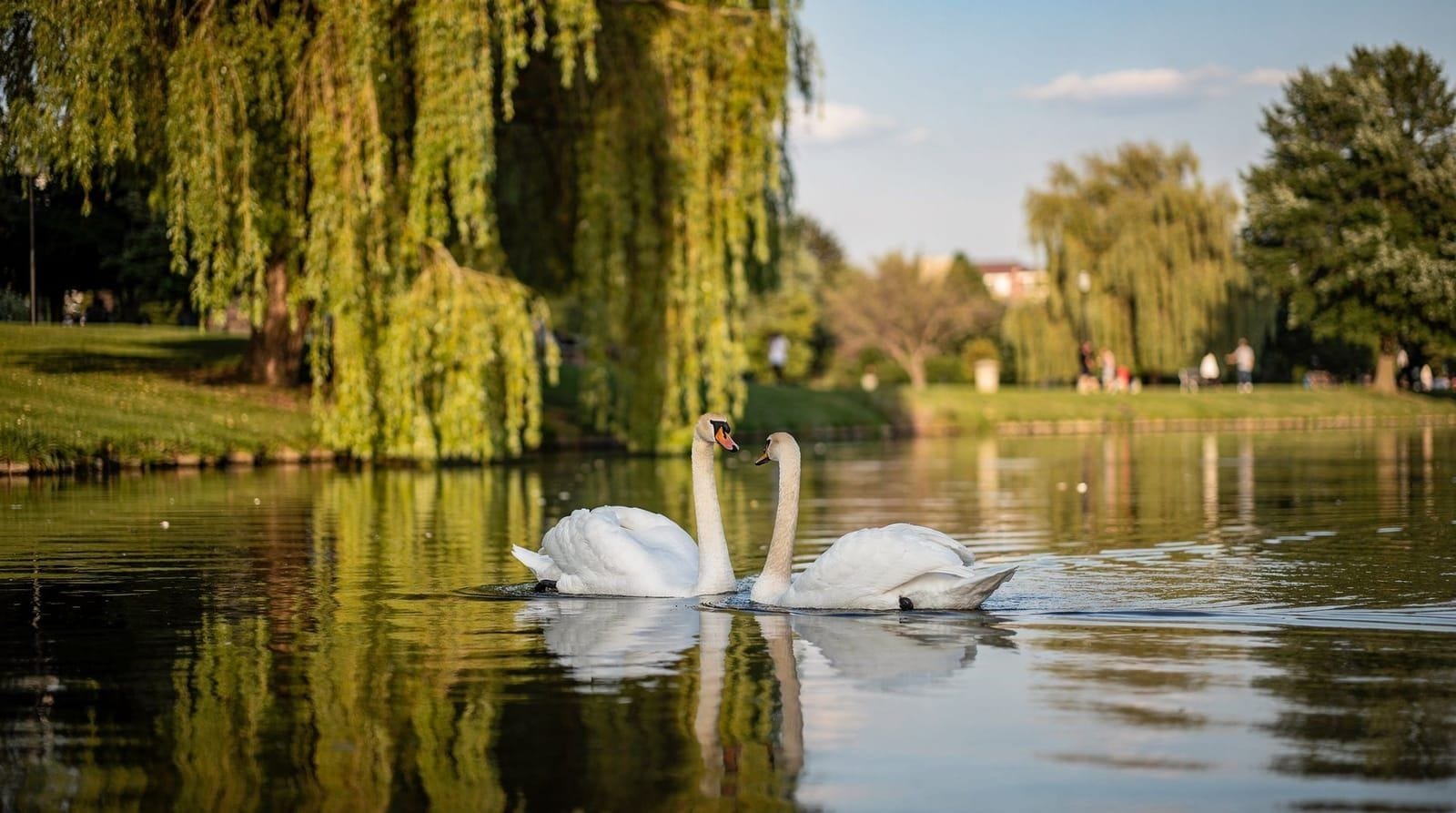
London’s downtown sits along the forks of the Thames River, where the north and south branches converge — a genuinely pleasant setting for a riverside walk, with paved trails running along both branches through parkland close to the city center. Covent Garden Market, a historic indoor market downtown, has operated in various forms since the 1840s and remains a reliable stop for food and local goods.
Storybook Gardens
Storybook Gardens, a family-oriented park within Springbank Park along the Thames, combines a small zoo, playground structures themed around fairy tales, and splash pad facilities — a low-key but consistently popular stop for families traveling with young children. It’s been a fixture of London’s family tourism offering for decades and remains one of the more reliably kid-friendly attractions in this part of southwestern Ontario.
Museum London and the city’s cultural institutions
Museum London, overlooking the forks of the Thames, houses both a regional history collection and a contemporary art gallery, giving visitors a reasonably substantial cultural stop without needing a full day. The city’s broader arts scene, bolstered by the university population, includes a range of smaller galleries and a live theatre and music circuit that punches above what a city outside Ontario’s largest metro areas typically supports.
Getting there from Toronto
London is about 2 hours (roughly 190 km) from Toronto via Highway 401, or a direct VIA Rail connection from Union Station that takes a comparable amount of time without the driving. Its position on Highway 401 roughly midway between Toronto and Windsor makes it a natural stopover point for anyone driving further southwest, including toward Windsor and the Detroit border crossing.
A stopover on a southwestern Ontario route
Because of its location and size, London works well as a practical midpoint on a longer southwestern Ontario itinerary — a lunch or overnight stop between Toronto and destinations further west, or a base for exploring nearby smaller towns without needing to backtrack. Stratford is under an hour northeast, making a combined visit realistic for travelers with an extra day to spend.
Neighborhoods and local character
Old East Village and Wortley Village, two of London’s more distinct neighborhoods, offer a different pace from the busier downtown core — Wortley Village in particular has a walkable strip of independent shops and cafés that gives a sense of the city’s residential character beyond its university and downtown identity.
When to visit
May through September covers the fullest range of outdoor attractions, including Storybook Gardens and the Thames River trails, and aligns with the city’s more active restaurant and events calendar. Winter is noticeably quieter, with most of the city’s appeal shifting indoors toward its museums and university-driven cultural scene.
Practical notes
London’s downtown and university-area neighborhoods are walkable once parked, but the city overall is spread out enough that a car (or at least occasional taxi/rideshare use) helps for visiting attractions like Storybook Gardens that sit further from the core. As a regional hub rather than a dense tourist center, expect a more functional, less curated visitor experience than smaller, more tourism-focused towns in the region.
A practical stopover, not a headline stop
Visitors sometimes arrive in London expecting a curated tourist town on the scale of Stratford or St. Jacobs and come away underwhelmed — that’s a mismatch of expectations rather than a real flaw in the city. London works best when it’s framed honestly from the start: a comfortable stop for a meal, a river walk, or an overnight on the way to or from southwestern Ontario, rather than a destination that justifies a dedicated multi-day trip on its own. Travelers building a longer loop through the region often combine a London stopover with Stratford for theatre or a heritage town, or push on toward Windsor for the border crossing.
A short itinerary if you have half a day
Start at the forks of the Thames near Museum London for a short riverside walk, then head to Covent Garden Market for lunch and browsing. If travelling with kids, swap the afternoon for Storybook Gardens in Springbank Park; without kids, spend it instead around Wortley Village’s independent shops and cafés for a slower, more residential read on the city. This half-day version covers London’s realistic highlights without needing a second day.
Where this fits in a longer trip
London sits on the direct route between Toronto and Windsor, and under an hour from Stratford, making it a natural midpoint on a southwestern Ontario loop rather than a stop most travelers plan a trip around on its own.
Frequently asked questions about London, Ontario
Is London, Ontario worth a dedicated trip from Toronto?
For most Toronto-based travelers, London works better as a stopover or half-day detour on a longer southwestern Ontario route than as a standalone multi-day destination, given its function as a regional service hub rather than a curated tourist town.
How far is London from Stratford?
About 45 minutes to an hour by car, making a combined visit realistic for travelers with a full day or more to spend in southwestern Ontario.
Is Storybook Gardens worth visiting without kids?
It’s specifically designed for families with young children, so adult visitors without kids will likely find it less compelling than London’s other attractions, like the Thames River trails or Museum London.
Can I get to London without a car?
Yes — VIA Rail offers a direct connection from Toronto’s Union Station in a travel time comparable to driving, and London’s downtown core is walkable once you arrive.
How far is London from Windsor?
About 2 hours by car via Highway 401, making London a natural midpoint stop for travelers continuing on toward Windsor and the US border at Detroit.