FIFA World Cup 2026 Toronto guide
Is Toronto a host city for the FIFA World Cup 2026?
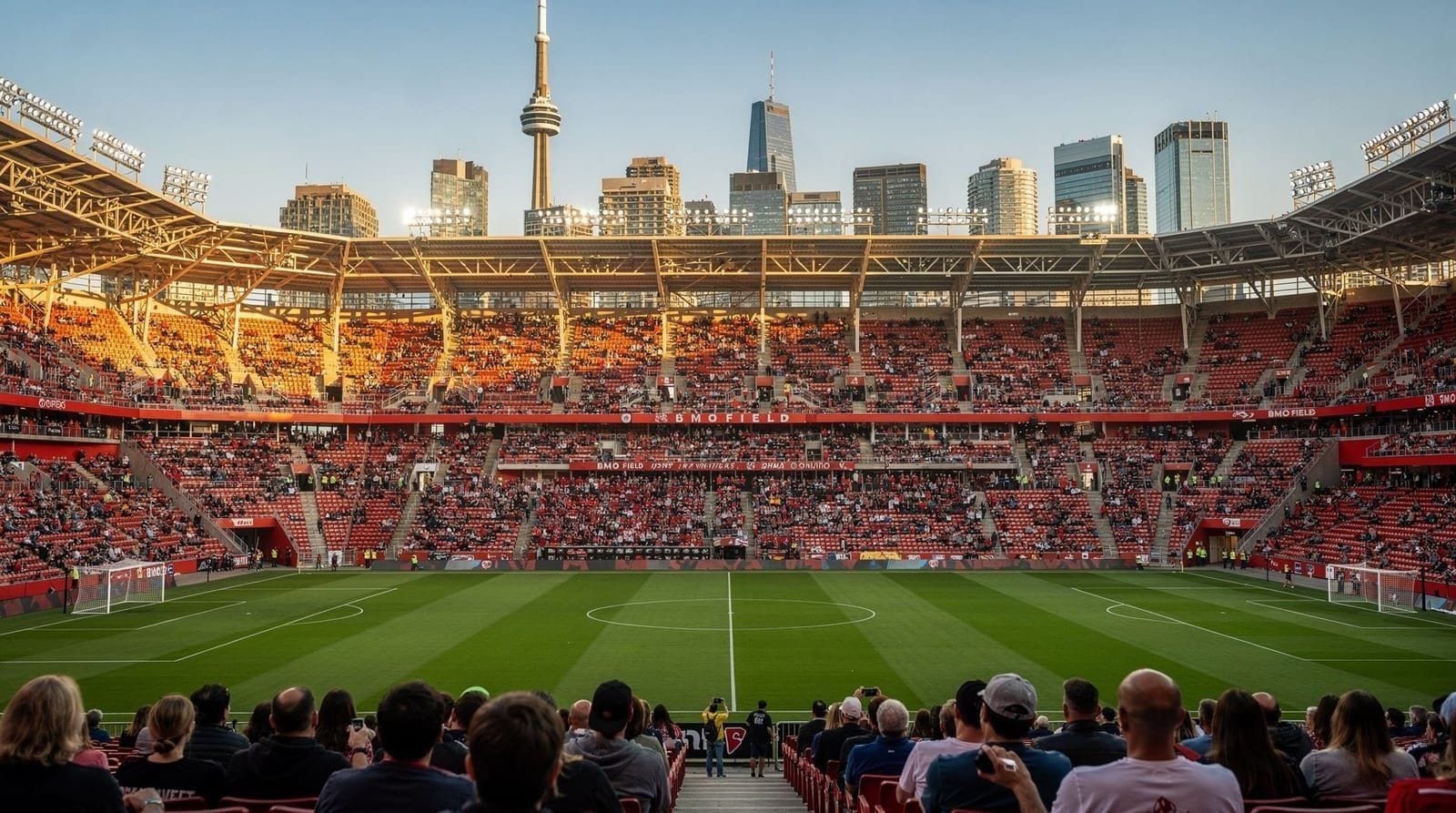
Yes. Toronto is one of the host cities for the 2026 FIFA World Cup, jointly hosted across Canada, the United States, and Mexico, with matches played at BMO Field on the Exhibition Place grounds, expanded and reconfigured from its usual Toronto FC capacity to accommodate World Cup crowds.
Toronto’s turn on the biggest stage in sports
The 2026 FIFA World Cup marks a genuinely unusual moment in Toronto’s sporting history: the first time the city has hosted matches at football’s biggest global tournament, as part of the first World Cup jointly staged across three nations — Canada, the United States, and Mexico. Toronto and Vancouver represent Canada’s two host cities, with Toronto’s matches played at BMO Field, the Exhibition Place stadium normally home to Major League Soccer’s Toronto FC, temporarily reconfigured and expanded to meet FIFA’s tournament-scale infrastructure and capacity requirements.
For a city that has spent decades building its sports identity around the Blue Jays, Raptors, and Maple Leafs, hosting World Cup matches represents a different kind of moment — genuinely international in scope, drawing visiting fans from participating nations around the world rather than the regional and cross-border rivalries that define Toronto’s usual professional sports calendar.
| Where | BMO Field, Exhibition Place, west of downtown |
| Cost | Tickets via FIFA official channels only; premium pricing |
| Getting there | 509/511 streetcar from downtown; driving strongly discouraged |
| Tickets | Book well ahead; demand is intense for host-city matches |
| Best time | Arrive well before kickoff to clear expanded security |
BMO Field: expanded for the tournament
BMO Field’s regular Toronto FC capacity sits at a scale appropriate for Major League Soccer, well below what FIFA requires for World Cup matches. For the tournament, the stadium underwent significant temporary expansion and reconfiguration, adding capacity and updating infrastructure to meet FIFA’s broadcast, hospitality, and crowd-management standards. This means the venue experience during the World Cup differs meaningfully from a standard Toronto FC match — expect a larger footprint, more extensive security screening, and considerably more elaborate approach and entry logistics than the club’s regular-season games.
The stadium’s location on the Exhibition Place grounds along Toronto’s lakeshore, west of the downtown core, remains the same as for Toronto FC games, but expect the surrounding area to be substantially busier and more heavily managed during the tournament, with road closures and enhanced security perimeters likely around match days.
Getting to matches
Given the scale of a World Cup event, transit is by far the most practical way to reach BMO Field on a match day. The 509 and 511 streetcar routes serve Exhibition Place directly from downtown, though expect these to be considerably busier and potentially subject to service adjustments during the tournament compared to a standard event day. Driving to the venue is strongly discouraged for major matches — parking capacity is limited relative to expanded crowd sizes, and road closures around Exhibition Place are likely for security and crowd-management purposes during the tournament window.
Budget significantly more time than usual for arrival, security screening, and entry — FIFA tournament matches typically require more extensive security procedures than domestic league games, and gates for major international tournaments generally open well ahead of kickoff to manage the larger crowds.
Fan zones and watching without a ticket
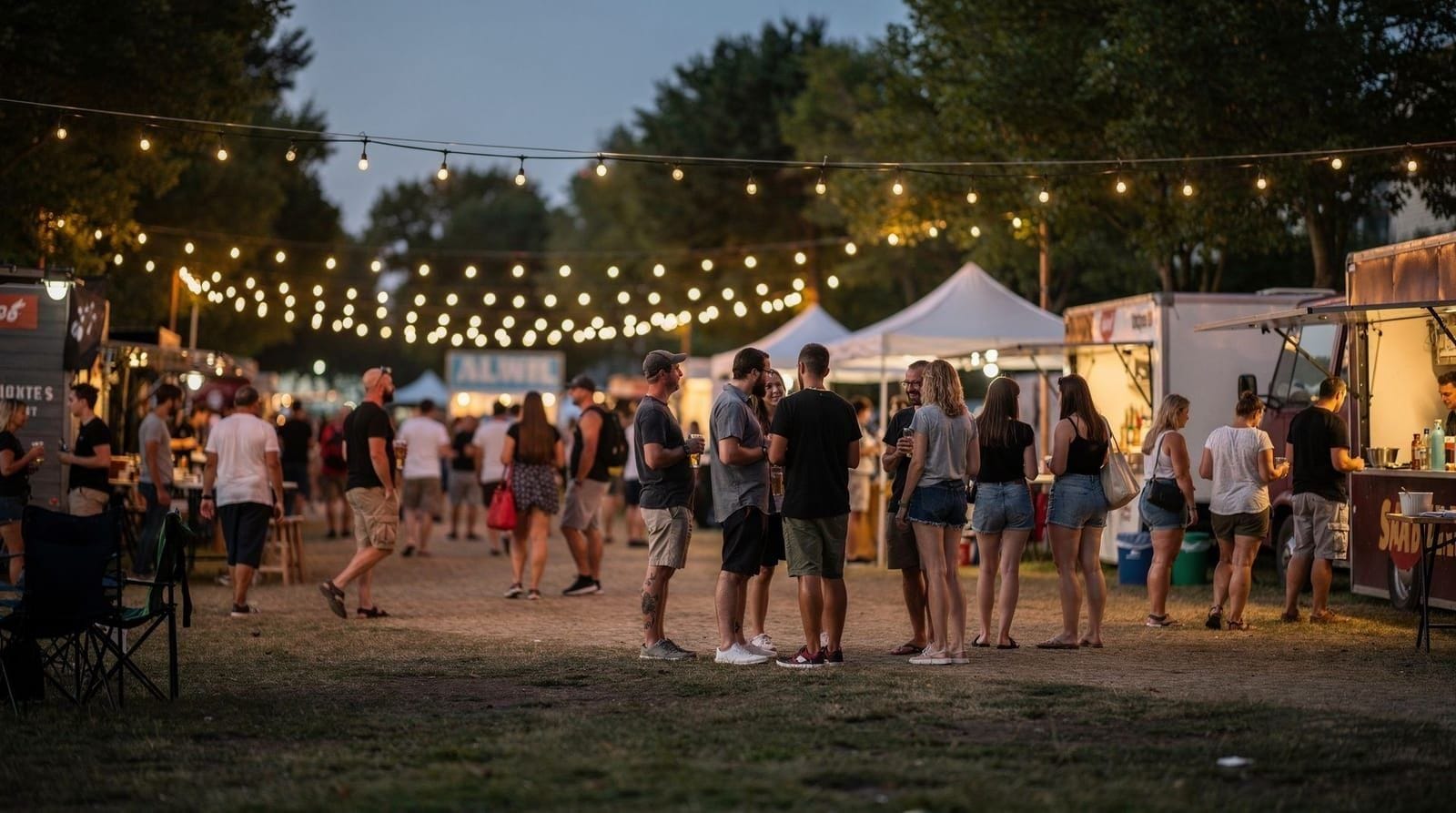
Major host cities for FIFA tournaments typically establish official fan festival zones — large public spaces with big screens, food and beverage vendors, and programming for supporters who don’t have match tickets, which are often themselves among the hardest and most expensive tickets in international sports given global demand. For Toronto’s World Cup hosting, check the City of Toronto’s official event communications and FIFA’s tournament site closer to your visit for the confirmed fan zone location, likely to be a prominent, easily accessible public space given the scale of expected attendance.
Beyond any official fan zone, expect the city’s downtown bars, pubs, and public spaces to embrace the tournament atmosphere broadly during Toronto’s hosted matches — this kind of citywide engagement, even without a ticket, is often cited by visitors to past host cities as one of the most memorable parts of experiencing a World Cup in person.
The first three-nation World Cup, and why that changes the format
The 2026 tournament represents a genuine departure from previous World Cups in structure as well as geography — expanded to 48 teams from the previous 32, the largest field in the tournament’s history, and jointly hosted across three countries for the first time, a logistical undertaking that required unprecedented coordination between Canadian, American, and Mexican organizing committees, transit authorities, and immigration systems.
For host cities like Toronto, this expanded format means a larger number of total matches distributed across more venues than any previous single-host or even prior two-host tournament, spreading both the opportunities and the infrastructure demands more broadly across North America than any World Cup before it.
What it means for Canadian soccer more broadly
Hosting World Cup matches represents a significant moment for Canadian soccer’s development and visibility, a sport that has historically operated in the shadow of hockey, basketball, and baseball in the country’s sporting consciousness. The men’s national team’s qualification for the 2022 World Cup — Canada’s first appearance in the tournament since 1986 — combined with the automatic qualification host nations receive for 2026, has brought a level of national attention to the sport that organizers and Canadian soccer administrators hope translates into longer-term growth in participation and fan interest, beyond the immediate excitement of the hosted matches themselves.
Security and logistics on a different scale than domestic sports
Major FIFA tournaments involve security coordination well beyond what any domestic sports event in Toronto typically requires, given the scale of international attention and the historical profile of the World Cup as a target for heightened security planning.
Expect a visible increase in police and security presence around BMO Field and any official fan zones during the tournament window, along with the kind of bag restrictions, screening procedures, and perimeter controls more commonly associated with major international events than a Toronto FC regular-season match. This is standard practice for World Cup host cities globally and shouldn’t be a surprise if you’ve attended other large-scale international sporting events, but it’s a meaningfully different experience than the city’s typical sports calendar.
Tickets
FIFA World Cup tickets are sold through FIFA’s official channels rather than through the venue or local club directly, and demand for host-city matches, particularly involving popular teams or later tournament rounds, is intense on a global scale. If attending a match is a priority for your visit, securing tickets well in advance through official channels — and being realistic about the premium pricing and competition for high-demand matches — is essential, since this is a fundamentally different ticket market than Toronto FC’s regular MLS season.
What else to expect in the city during the tournament
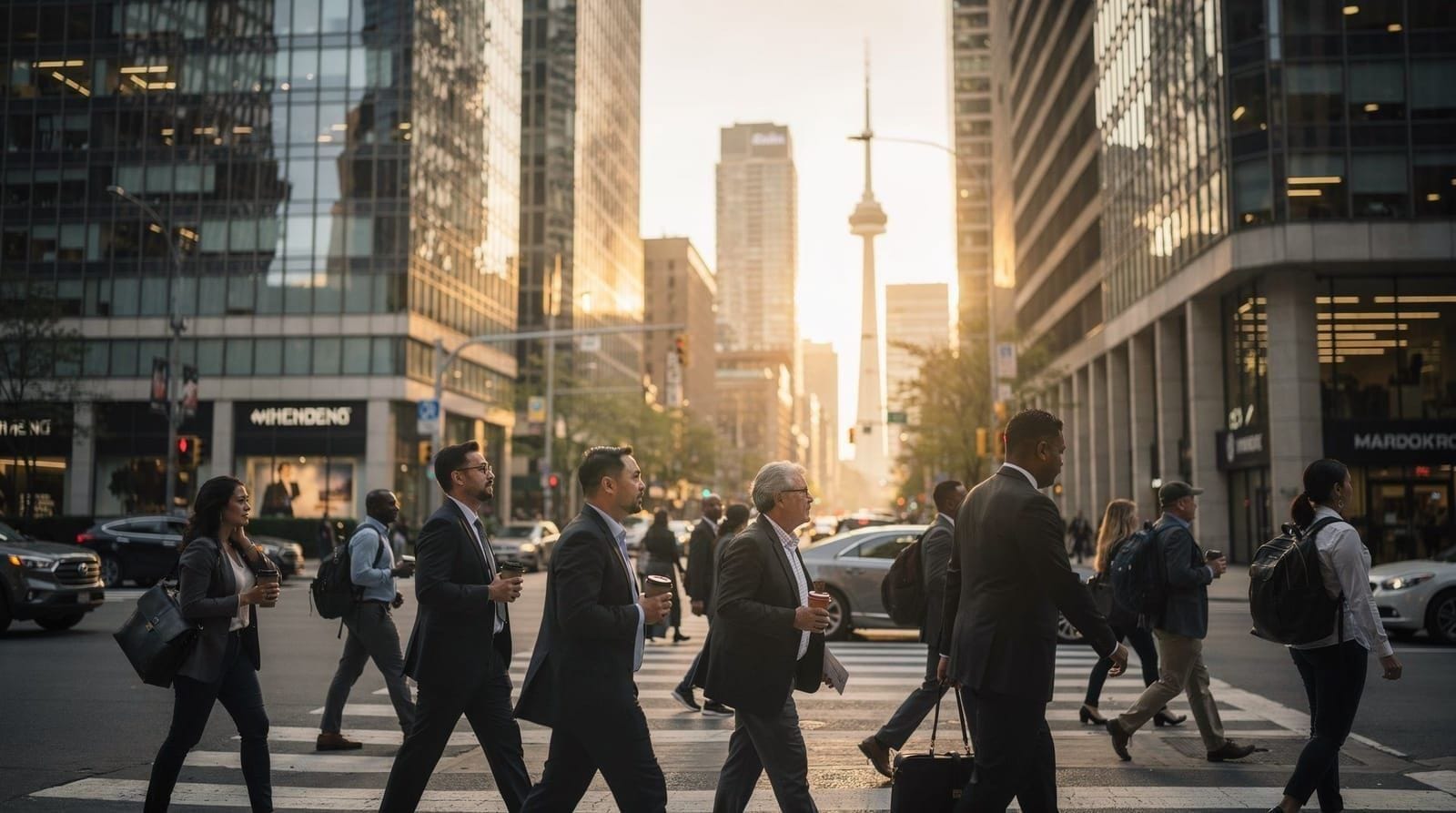
Expect Toronto’s downtown core, particularly areas near Exhibition Place and any official fan zones, to be considerably busier than usual during the tournament window, both from visiting international fans and from the broader civic excitement around hosting matches. Hotel availability and pricing in the city are likely to tighten significantly around match dates, so booking accommodations well ahead of your visit is worth prioritizing if your trip is timed around the tournament. Restaurants and bars near the stadium and downtown are likely to extend hours and lean into the tournament atmosphere, particularly on days when Toronto is hosting a match.
Combining a World Cup visit with the rest of Toronto
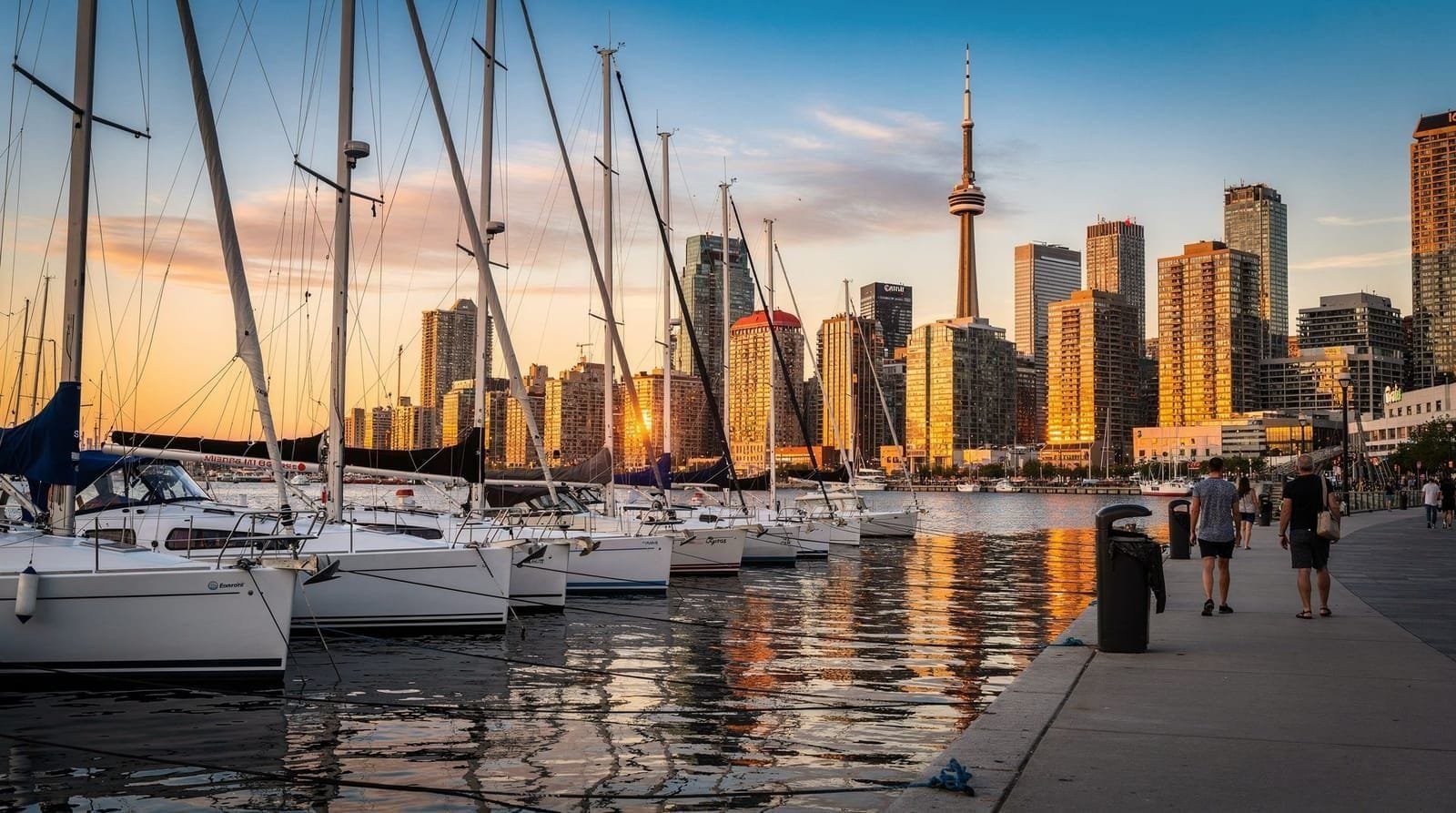
If your trip is centered on catching a match or experiencing the fan zone atmosphere, Toronto’s broader attractions remain fully accessible around the tournament schedule — the CN Tower, Harbourfront, and the Distillery District are all within reasonable reach of downtown accommodations and don’t require any tournament-specific planning beyond accounting for potentially busier crowds and pricing across the city during the World Cup window.
A trip built around a Toronto match makes for a natural pairing with a broader few days exploring the city’s usual attractions before or after the match itself, and fits naturally alongside a Toronto FC game if MLS play resumes around your visit.
A once-in-a-generation event for the city’s sports calendar
It’s worth putting the scale of this in perspective for anyone weighing whether to plan a visit around it: Toronto has never previously hosted matches at the world’s largest single sporting event, and given how host selection processes work for major FIFA tournaments, it’s reasonable to expect this to remain a rare occurrence for the city rather than something likely to repeat within the next decade or two. For visitors with any interest in international soccer, this genuinely is a different tier of event from the city’s regular sports calendar — comparable in global significance to hosting an Olympic event, though structured around a single sport rather than a multi-sport games.
Learning from past host cities
Toronto’s organizing committee and civic planners have drawn on the experience of previous World Cup and major-tournament host cities in preparing infrastructure, transit, and security plans, a body of accumulated knowledge from tournaments hosted in Brazil, Russia, and Qatar in recent cycles, each of which faced its own specific logistical challenges around a similar scale of international visitor influx. This history informs why Toronto’s hosting preparations emphasize transit capacity and fan zone infrastructure so heavily — lessons learned from prior hosts about where crowd and logistics bottlenecks tend to emerge during a tournament of this scale.
What to do if you don’t have match tickets
A trip timed around the World Cup doesn’t have to hinge on securing tickets to BMO Field itself. Beyond an official fan zone, treat the visit as a broader Toronto trip with the tournament as a backdrop — a downtown Toronto walking guide-style day, a stop at Harbourfront, and checking whatever else overlaps on the Toronto summer festivals guide calendar rounds out a satisfying visit even without stadium access.
Practical tips for visiting fans
Book accommodations and, if applicable, match tickets as early as possible given the scale of global demand for a World Cup host city. Budget considerably more time than usual for stadium arrival, security, and transit on match days, and expect service adjustments on the streetcar routes serving Exhibition Place.
Check official City of Toronto and FIFA channels directly for the most current information on fan zones, road closures, and any tournament-specific transit changes, since these details are managed at a civic and federal level rather than by any single venue or team. If you don’t have match tickets, plan around the citywide atmosphere instead — bars, public viewing areas, and the general energy around a hosted match are genuinely worth experiencing even without stadium access.
Building the rest of your trip around a match
A World Cup match is naturally the anchor of a visit timed around it, but it’s worth treating it as one part of a longer stay rather than the whole trip, given how much of downtown remains fully accessible around the tournament schedule. Pair a match day with a relaxed downtown Toronto walking day earlier in your trip, and check the Toronto summer festivals guide for what else overlaps with the tournament window, since Toronto’s summer calendar is typically packed regardless of the World Cup.
Frequently asked questions about the World Cup in Toronto
Is BMO Field the only World Cup venue in Toronto?
Yes, for Toronto specifically — BMO Field is the city’s designated match venue for the tournament. Canada’s other host city, Vancouver, uses its own separate venue, and matches are otherwise distributed across host cities in the United States and Mexico as part of the broader tournament structure.
How is BMO Field different during the World Cup compared to a regular Toronto FC game?
Expect a larger, reconfigured stadium footprint, considerably more extensive security procedures, and a broader event infrastructure around the venue reflecting FIFA’s tournament requirements, all substantially different from the more low-key experience of a standard MLS regular-season game at the same site.
Where can I watch World Cup matches in Toronto without a ticket?
Official fan zones, typically set up in a prominent downtown or public space by the host city, offer large-screen viewing and event programming without requiring a match ticket. Bars and public spaces across the city are also likely to embrace the tournament atmosphere broadly on match days.
Will hotel prices in Toronto increase during the World Cup?
Very likely, particularly around Toronto’s hosted match dates — major international tournaments consistently drive up accommodation demand and pricing in host cities, so booking well ahead of your visit is a reasonable precaution if your trip is timed around the tournament.
Is Toronto FC playing during the World Cup period?
Toronto FC’s Major League Soccer schedule and the FIFA World Cup are separate competitions, and any scheduling overlap or adjustment to the club’s own season around the tournament would be managed independently by MLS. Check the club’s official schedule directly for its games during the same period.