Little Italy Toronto food guide
The Great Canadian Food Tour: Toronto's Fusion Fare
What should I eat in Little Italy Toronto?
Gelato from one of College Street's longtime gelaterias, espresso at a traditional Italian café, and a sit-down trattoria dinner cover the neighborhood's core food identity. Budget CAD $25-45 per person for a full dinner, CAD $6-10 for gelato and coffee.
A neighborhood that outlasted its namesake community
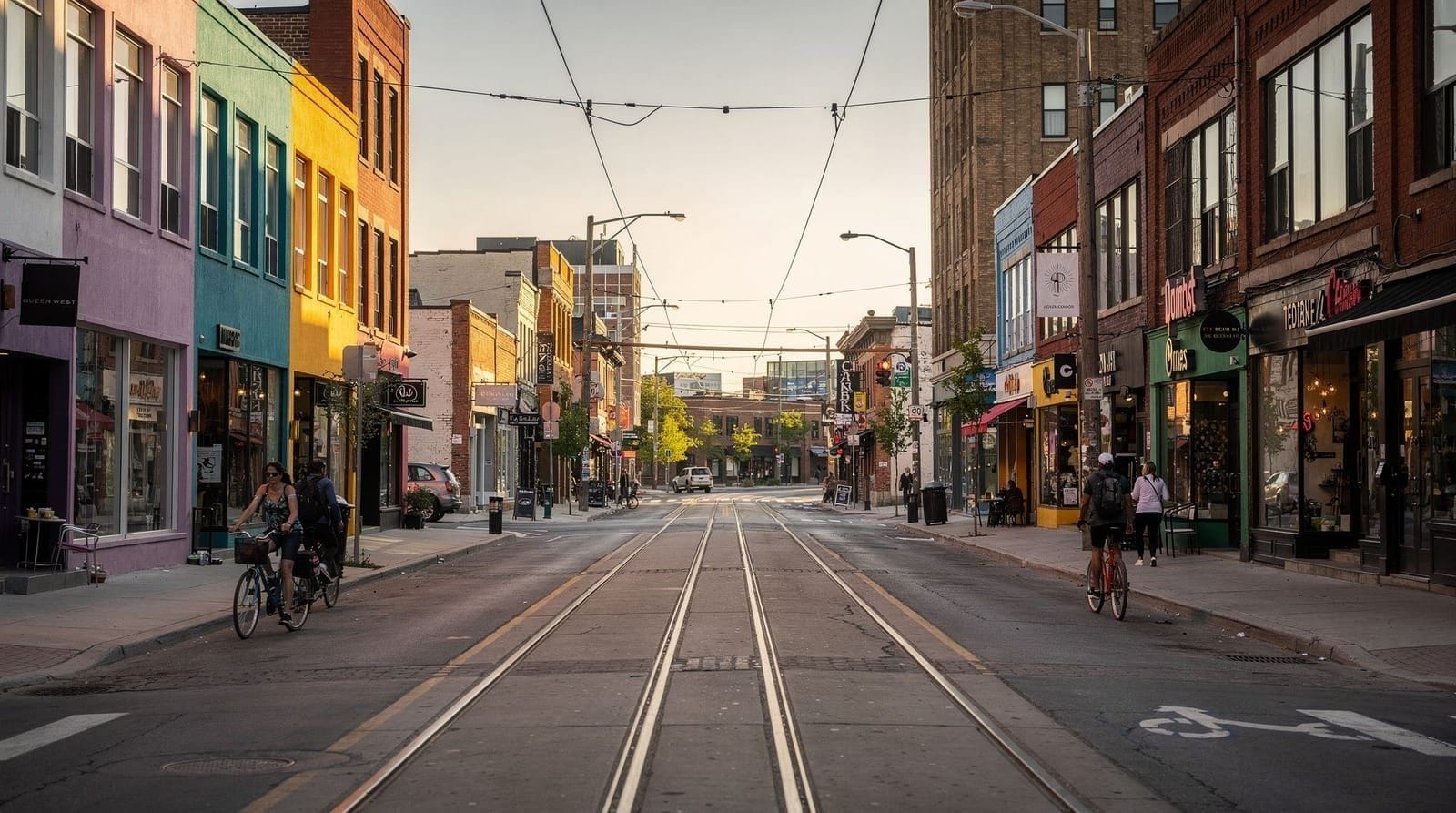
Little Italy runs along College Street between Bathurst Street and Shaw Street, and while the Italian-Canadian community that founded it in the mid-20th century has largely moved to the suburbs — Woodbridge and Vaughan now hold a much larger Italian-Canadian population than downtown Toronto — the street itself retains a strong concentration of Italian-owned restaurants, cafés, and cultural institutions, including the Columbus Centre further north. It reads less like a preserved theme district and more like a neighborhood that’s evolved while keeping its founding identity as the strongest thread running through it, with newer restaurants of other cuisines filling in around long-running Italian anchors rather than displacing them entirely.
| Where | College Street between Bathurst and Shaw, west end Toronto |
| Cost | Around CAD $25-45/person for dinner; CAD $6-10 for gelato and coffee |
| Getting there | 506 College streetcar, or a 20-25 minute walk from downtown |
| Pairs with | Kensington Market or Queen West |
| Best for | An evening that starts with dinner and continues into a bar |
Gelato and espresso: the daytime staples
Gelato is Little Italy’s most consistent draw, with several longtime gelaterias along College Street serving traditional Italian-style gelato — denser and less airy than North American ice cream — for CAD $6-9 a cup or cone. Espresso culture runs deep here too; several cafés along the strip have served the neighborhood since the 1960s-70s and still draw a loyal local crowd for a quick standing espresso rather than a sit-down coffee experience, closer to how it’s done in Italy than the sit-and-linger café culture found elsewhere in the city.
Dinner: trattorias and beyond
College Street’s trattorias run the range from casual, family-style Italian-American classics to more contemporary Italian cooking, with mains typically CAD $22-38. The strip has also diversified over the past decade to include strong Ethiopian, Middle Eastern, and other cuisines interspersed with the Italian anchors, giving Little Italy a genuinely broader food identity than its name suggests — worth knowing if a purely Italian dinner isn’t the only thing you’re after.
Little Italy as a bar and nightlife strip
Beyond food, College Street has a strong bar scene, particularly known for showing international soccer matches — the neighborhood gets especially lively during major tournaments, reflecting both its Italian-Canadian roots and Toronto’s broader multicultural soccer fan base. It’s a reasonable choice for an evening that starts with dinner and continues into a bar rather than ending the night early, distinct from the more restaurant-focused, earlier-closing character of some other Toronto food neighborhoods.
A guided introduction
If you’d rather have a guide explain the neighborhood’s layered history — Italian-Canadian roots, newer immigrant communities, and the College Street strip’s evolution — alongside a tasting walk, the fusion fare food tour covers Little Italy as part of a broader look at how Toronto’s food scene blends immigrant traditions across neighborhoods, useful context if Little Italy is one stop among several on your Toronto food itinerary rather than the sole focus. Our Toronto food tours guide has the fuller lineup of guided options across the city if you’re comparing more than one.
Late-night eating in Little Italy
Little Italy is one of the more reliable Toronto neighborhoods for eating past 10pm, an underrated advantage for visitors dealing with jet lag or simply arriving from an evening flight into Pearson. Several trattorias and casual pizza spots along College Street keep kitchens open until midnight or later on weekends, and the neighborhood’s bar culture means even establishments that stop serving full meals often still offer a limited late-night snack menu. This stands in contrast to some other Toronto food neighborhoods, where kitchens close by 9 or 10pm even on a Friday or Saturday night, making Little Italy a reasonable fallback if your schedule has you looking for dinner later than a typical North American restaurant’s last seating.
Getting there and pairing it with the rest of your day
Little Italy sits a 20-25 minute walk or a short ride on the 506 College streetcar west of downtown, close enough to Kensington Market (15-20 minutes on foot) that combining both into one day is reasonable, though it makes for a heavily food-focused day given both neighborhoods’ strengths. It’s also a short distance from the University of Toronto campus and Bickford Park, useful if your visit includes an academic or outdoor break between meals.
How Little Italy compares to Toronto’s other food strips
Little Italy’s trattoria-and-gelato format is closer to a sit-down neighborhood strip than Kensington Market’s counter-service grazing or Chinatown’s dense, budget-friendly density. Where Kensington rewards moving between four or five small stalls in an hour, Little Italy rewards picking one or two spots and lingering — a reservation-friendly, later-closing neighborhood built around actual meals rather than a food crawl. If your trip includes multiple Toronto food neighborhoods, treating Little Italy as your sit-down dinner night rather than another grazing stop tends to make better use of both its kitchens and its later hours.
The College Street strip, block by block
Little Italy’s main stretch runs roughly from Bathurst Street west to Grace Street, with the density of restaurants and cafés peaking around Clinton Street and Manning Avenue. The eastern end, closer to Bathurst, tends toward slightly more upscale contemporary restaurants, while the western stretch toward Grace Street has a more relaxed, neighborhood-diner feel with lower prices and less turnover of trendy new openings. Walking the full strip end to end takes about 15-20 minutes, making it easy to scope out a few options before committing to dinner rather than booking ahead based on a review alone — a useful approach if you’re the type of traveler who likes to see a restaurant’s dining room and read the posted menu before deciding.
Little Italy during major events
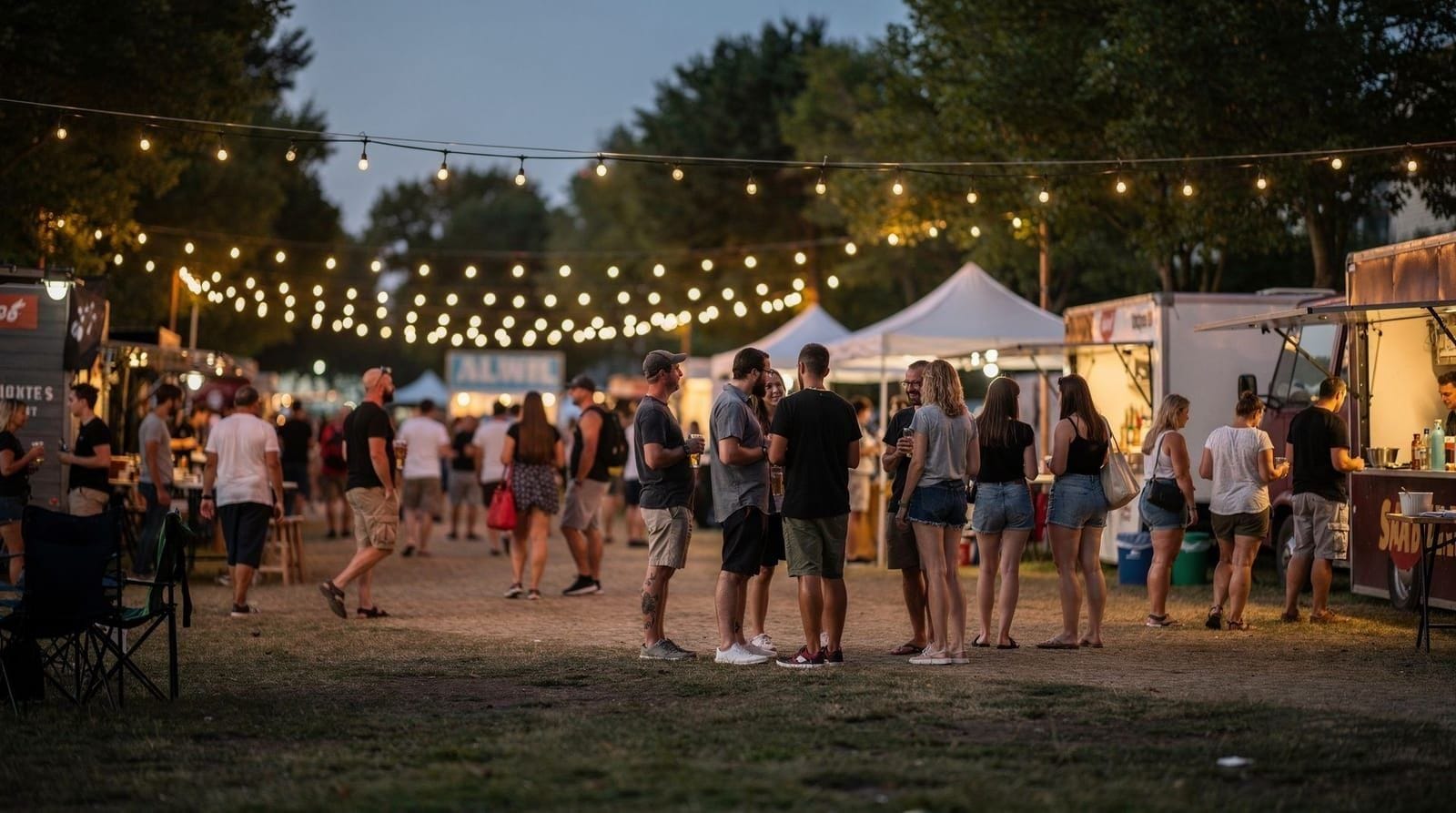
The neighborhood transforms noticeably during two annual moments worth knowing about if your visit lines up with either. Taste of Little Italy, a summer street festival, closes College Street to traffic for a weekend of food vendors, live music, and restaurant patios spilling into the road — a genuinely festive, crowded version of the neighborhood distinct from a typical weeknight visit; see our Toronto summer festivals guide for how it fits alongside the city’s other seasonal events.
And during major international soccer tournaments, particularly ones involving Italy, the strip becomes one of the loudest, most flag-draped celebration zones in the city, with honking cars and impromptu street parties after a win — worth experiencing at least once if your dates happen to align, though also worth avoiding if you’re looking for a quiet dinner.
Practical notes
- Hours: Cafés open early, around 7-8am; restaurants typically run through standard dinner hours into late evening, with bars staying open later than many other Toronto food districts.
- Reservations: Recommended for weekend dinners at the more popular trattorias; walk-ins are generally fine on weeknights.
- Payment: Cards accepted everywhere; older-school espresso bars sometimes prefer cash for a quick standing coffee.
- Parking: Limited and metered along College Street; side streets have some availability but fill quickly on weekend evenings.
A short history of College Street’s Italian roots
Italian immigration to Toronto surged after the Second World War, with many newcomers settling first around College Street given its proximity to factory jobs and affordable housing at the time. Over subsequent decades, the neighborhood built out the institutions that gave it its lasting identity — parish churches, social clubs, and small family businesses that, in several cases, remain open under the same family’s ownership today.
The Columbus Centre, a short distance north of College Street proper, emerged as a broader cultural anchor for the city’s Italian-Canadian community as the population itself began dispersing to the suburbs starting in the 1970s and 80s, a pattern common to many North American immigrant enclaves as a community’s second and third generations gain the means to move to larger suburban homes while the original neighborhood evolves under new ownership and new arrivals.
Frequently asked questions about Little Italy Toronto food
Is Little Italy in Toronto worth visiting if the Italian community has moved elsewhere?
Yes — the food and café culture along College Street remains genuinely strong, and the neighborhood’s evolution into a broader, still Italian-anchored food strip is itself an interesting story about how Toronto neighborhoods change over time.
What’s the best gelato shop in Little Italy?
Several longtime gelaterias along College Street are worth trying; ask locals for a current favorite, since quality and popularity shift over the years, but the tradition of good gelato on this strip has held steady for decades.
How does Little Italy compare to Toronto’s actual larger Italian-Canadian community in Woodbridge?
Woodbridge and Vaughan, in the Greater Toronto Area, hold a much larger Italian-Canadian population today, with a more suburban, less walkable food scene built around larger restaurants and specialty grocers rather than College Street’s dense, pedestrian-friendly strip.
Is Little Italy good for solo dining?
Yes, especially the espresso bars and gelaterias, which fit a solo traveler’s pace well. Several trattorias also comfortably accommodate solo diners at counter or bar seating.
Can I do Little Italy and Queen West in the same day?
Yes, they’re a short streetcar ride or 15-20 minute walk apart, and combining an afternoon in Queen West with an evening in Little Italy is a reasonable way to see two distinct west-end Toronto neighborhoods without excessive backtracking.
Is Little Italy expensive?
It spans a range — casual trattorias and gelato are affordable, CAD $6-25, while the strip’s more upscale contemporary Italian restaurants run comparable to Distillery District pricing, CAD $30-50 per person for dinner.
Is Little Italy worth it compared to Kensington Market for a single food-focused evening?
They’re not really competing for the same slot — Kensington Market is a daytime graze, while Little Italy is built for a sit-down dinner that runs later into the evening. Most food-focused visitors do both on separate outings rather than choosing one over the other.
Top experiences
Bookable activities with verified prices and instant confirmation on GetYourGuide.