Pride Toronto guide
When is Pride Toronto and where does it happen?
Pride Toronto runs across several weeks in June, culminating in a final weekend centered on Church-Wellesley Village (the Church Street corridor known locally as 'the Village'), with the main parade typically closing out the festival on the last Sunday of June. It's one of the largest Pride festivals in North America and is free to attend.
One of North America’s largest Pride festivals
Pride Toronto has grown from a small 1981 protest march — organized in response to a series of police raids on gay bathhouses that year — into one of the largest Pride festivals in North America, drawing well over a million attendees across its full program each June. What started as a demonstration remains, at its core, a political event as much as a celebration, and that history is worth knowing before treating the festival as purely a street party.
The festival’s programming spans several weeks through June, building toward a final weekend anchored by the main Pride Parade, typically held on the last Sunday of the month. The bulk of the physical footprint centers on Church-Wellesley Village — known locally simply as “the Village” — the stretch of Church Street between Bloor and Carlton that has been Toronto’s central LGBTQ+ neighborhood for decades.
| When | Several weeks through June, culminating the last Sunday of the month |
| Where | Church-Wellesley Village (Church Street, Bloor to Carlton) |
| Cost | Free for the parade, marches, and most street programming |
| Getting there | Subway Line 1 to Wellesley or College station |
| Best time to arrive | A couple of hours early for a parade viewing spot |
The Village
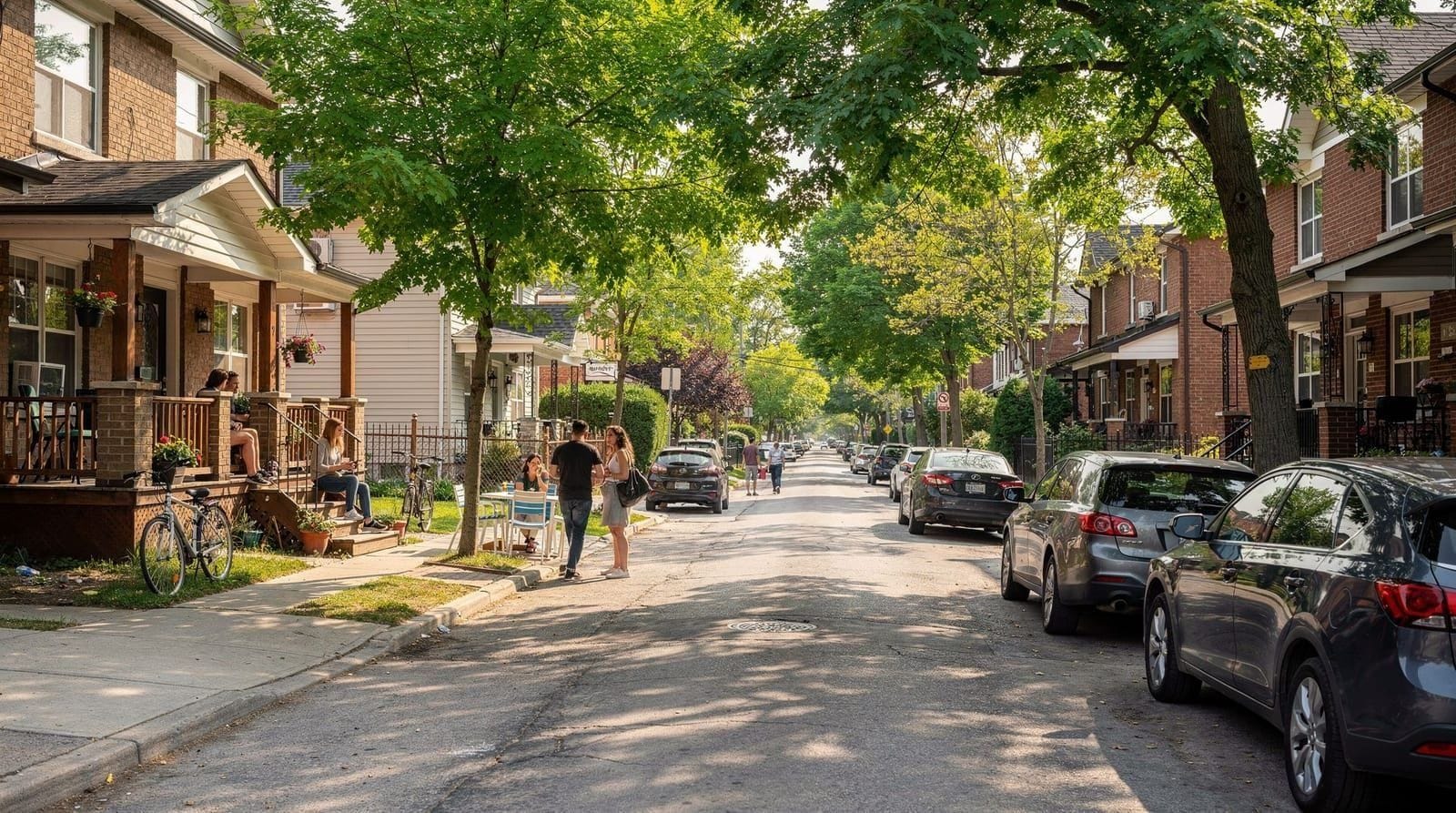
Church-Wellesley Village functions as Toronto’s LGBTQ+ commercial and social hub year-round, not just during Pride — a dense stretch of bars, restaurants, and community organizations along Church Street. During Pride weekend, the street closes to traffic entirely and fills with vendor booths, stages, and a genuinely massive crowd. Outside of festival season, it’s a worthwhile, considerably calmer neighborhood to visit on its own, with a distinct identity from the rest of downtown.
Beyond the festival itself, the Village is home to landmarks with their own significant history that are easy to miss amid Pride weekend’s crowds. Buddies in Bad Times Theatre, one of the longest continuously running queer theatre companies in the world, has staged work from the neighborhood for decades and runs programming well beyond the festival season.
Cawthra Square Park, just off the main Church Street strip, holds an AIDS Memorial listing the names of community members lost to the epidemic, a quiet, often overlooked space that stands in deliberate contrast to the noise and color of the festival crowds passing a block away. Local businesses along Church Street, many independently owned and operating for decades, form the neighborhood’s everyday backbone the rest of the year, when the crowds thin out and the Village returns to functioning as a lower-key residential and commercial strip rather than a festival ground.
The parade, and the marches that lead up to it
The main Pride Parade is the festival’s largest single event, a procession of floats, community organizations, and marchers typically running from the Church-Wellesley area toward the downtown core, drawing enormous crowds along the entire route. Arriving early — a couple of hours before the scheduled start — is standard practice if you want a clear viewing spot, since prime positions along the barricaded route fill fast.
Separately, the Trans March and the Dyke March each run on different days during the festival weekend, organized independently and each with their own history and community roots in Toronto’s LGBTQ+ activism — both predate their formal inclusion in many other cities’ Pride programming, and both remain deliberately distinct from the larger, more corporate-sponsored main parade.
Free programming beyond the parade
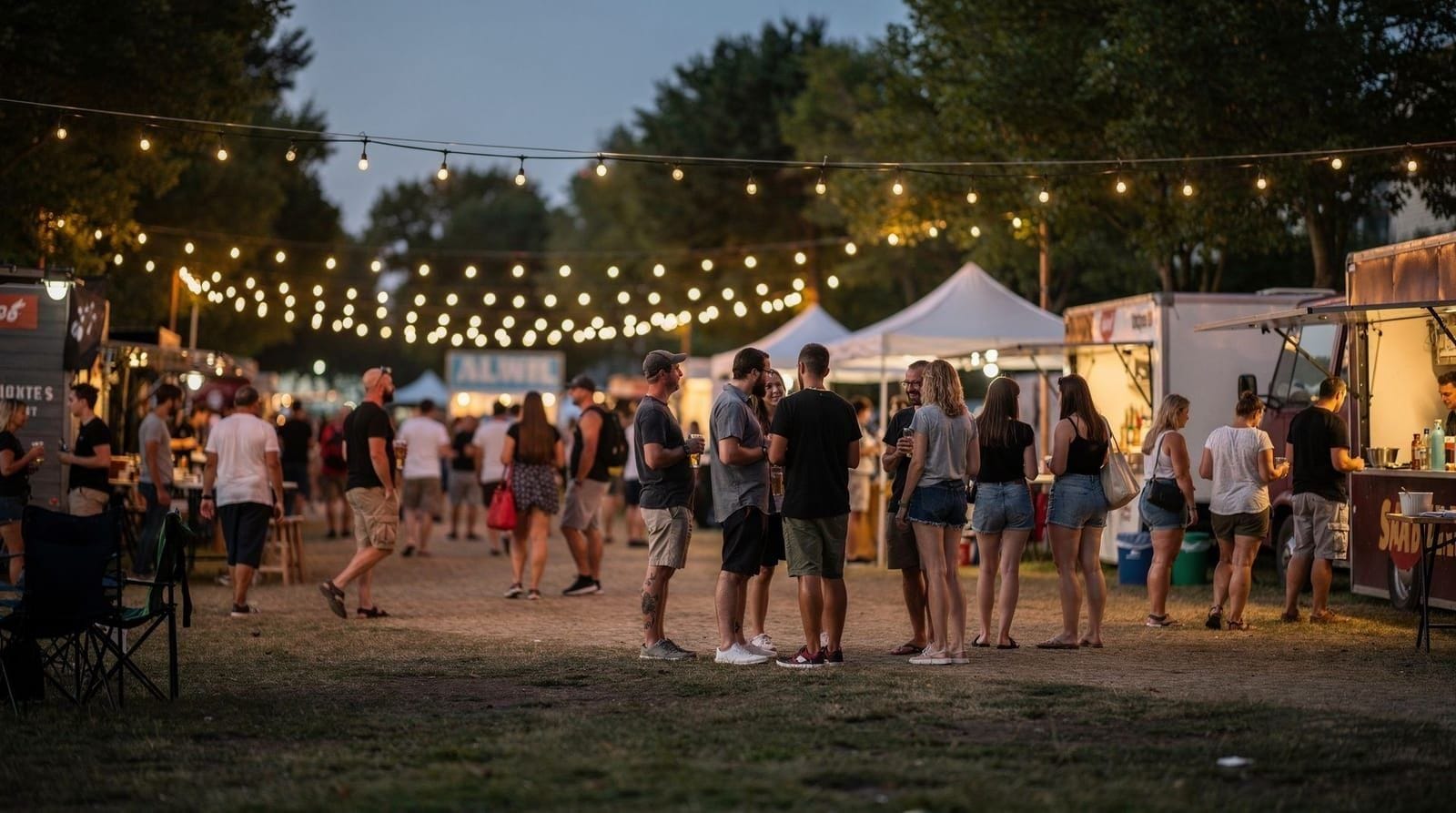
Much of Pride Toronto’s footprint is free, open street-festival programming rather than ticketed events — stages with live music and performances set up along Church Street and in nearby Barbara Hall Park, community organization booths, and food vendors, running across the festival weekend and, in a lighter form, throughout the broader June program. Some evening events and after-parties at Village clubs and bars do charge admission separately.
Timing and crowds
The final festival weekend, capped by the parade, is by far the busiest stretch — expect significant crowds throughout the Village and along the parade route, comparable to what we describe in our Caribana Toronto guide for a similarly large summer street event, and correspondingly limited hotel availability in the immediate area. Earlier in June, Pride Month programming runs at a considerably lower intensity, with smaller community events, film screenings, and talks that offer a way to engage with the festival’s broader calendar without the peak-weekend crowds.
Where to stay and how to get around
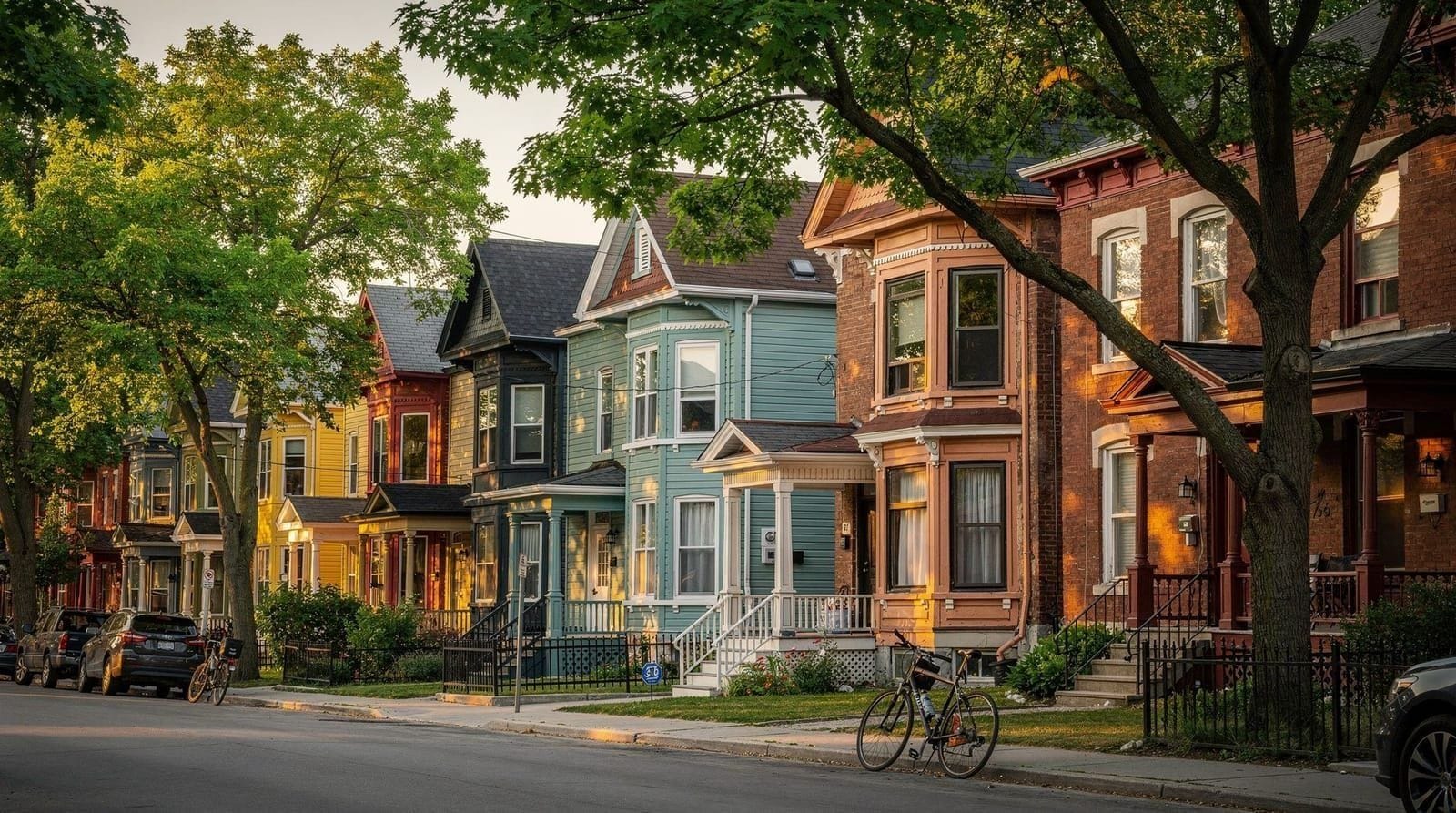
Staying directly within Church-Wellesley Village puts you closest to the festival’s core, though the limited hotel inventory in the immediate neighborhood sells out fast and prices rise for the festival weekend. Downtown hotels a short subway ride or 15-20 minute walk away are a more available, often more affordable alternative — our guide to the best Toronto neighborhoods to stay covers the trade-offs in more detail. The subway’s Line 1, with a stop at Wellesley or College, connects easily to the Village from most downtown hotel clusters, and it’s generally more reliable than driving given the parade weekend’s street closures.
A note on Toronto’s broader reception of Pride
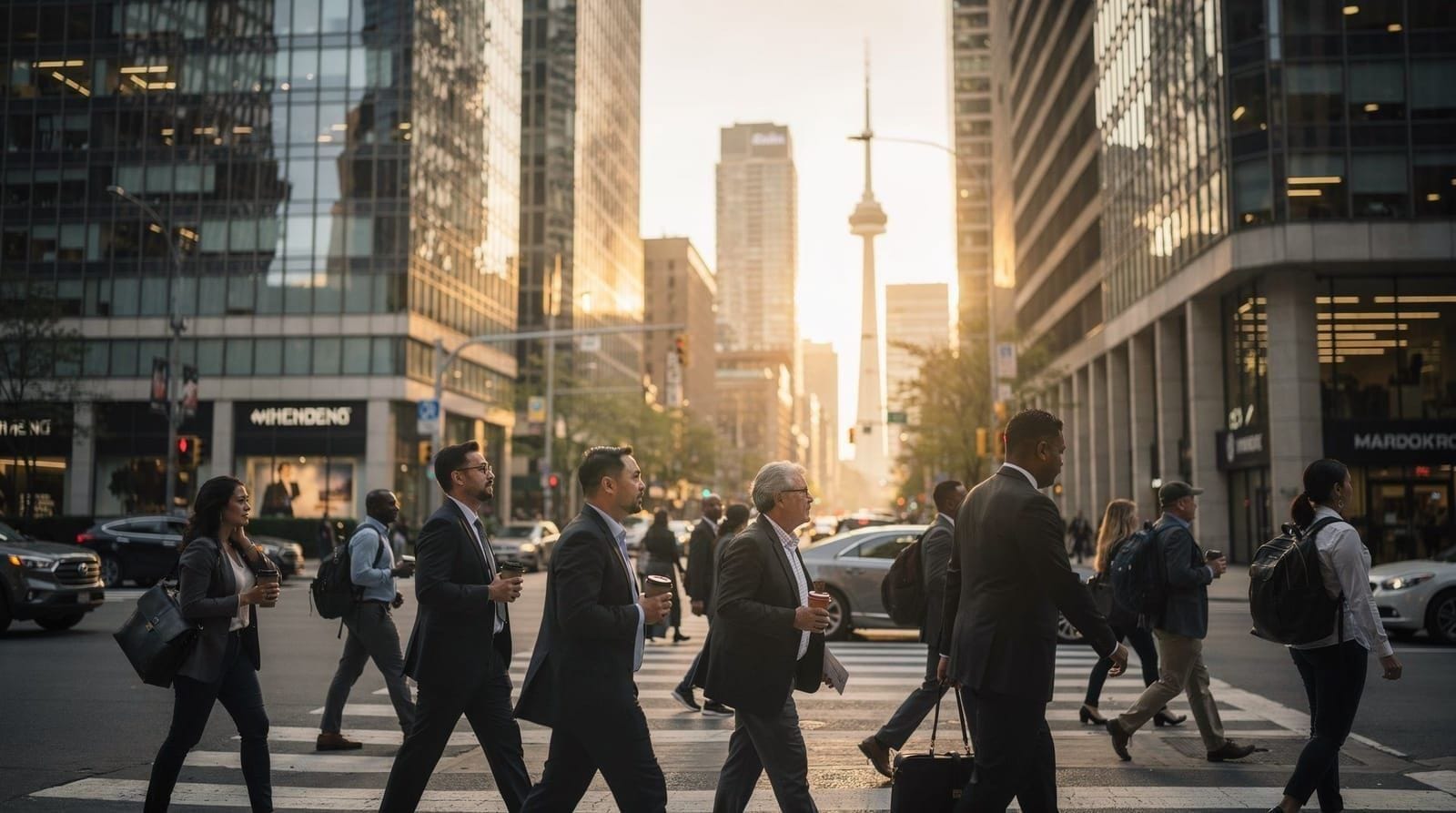
Toronto’s civic identity leans heavily into its self-image as an inclusive, multicultural city — a theme our piece on how Canadians really feel about tourists explores in more depth — and Pride has become one of the clearest annual expressions of that — city buildings and businesses across the downtown core, not just within the Village, often display Pride programming and rainbow signage throughout June, well beyond the festival’s immediate footprint.
That said, like any large city, Toronto’s actual day-to-day reception varies, and Pride Toronto itself has navigated its own internal debates over the years about corporate sponsorship and which community groups should be centered in the festival’s programming — worth knowing if you’re interested in the event’s context rather than just its street-party surface.
Pairing it with the rest of your visit
Pride weekend overlaps with the start of Toronto’s broader summer festival season, and our Toronto summer festivals guide covers what else is running around the same stretch of the calendar, including the lead-up to the Toronto Jazz Festival and the Canadian National Exhibition later in the summer. If you’re building a walking route through downtown around your festival attendance, our downtown Toronto walking guide connects the Church-Wellesley area to the rest of the core.
The 1981 bathhouse raids and how Pride became political
On the night of February 5, 1981, Toronto police raided four gay bathhouses across the city in a coordinated operation later referred to publicly as Operation Soap, arresting close to 300 men under Canada’s bawdy-house laws — at the time, the largest mass arrest in the country since the October Crisis a decade earlier.
The raids were carried out with a level of force and public humiliation, officers smashed doors, detained men were paraded through the streets, and the arrests were reported in local media with names attached, that shocked even parts of the city not otherwise engaged with gay rights politics. The following night, an estimated 3,000 people marched in protest along Yonge Street, an event now widely regarded as Toronto’s own version of the Stonewall uprising and the direct organizing spark behind what became the city’s annual Pride march.
The first Pride Day events followed later that year, initially organized informally by community groups rather than any single incorporated body. Through the 1980s the march grew year over year, shifting gradually from a protest-first framing toward a broader celebration, though the two threads, protest and celebration, have never fully separated, and organizers and participants continue to debate how much weight each should carry in any given year’s programming.
Pride Toronto formally incorporated as a non-profit organization in the 1990s to manage the festival’s growing logistics, and that organizational shift brought its own tensions. As the event scaled through the 2000s and 2010s, corporate sponsorship became a significant funding source: banks, telecoms, and other large companies began marching with branded floats and contingents, a shift that drew criticism from parts of the community who felt the festival’s political roots were being diluted by corporate branding.
That tension came to a head in 2016, when Black Lives Matter Toronto, marching as an invited group in that year’s parade, staged a sit-in protest partway along the route, halting the parade for roughly half an hour to demand, among other things, the removal of uniformed police floats from future Pride parades. The demand set off a multi-year debate within the organization and the broader community about police participation that was revisited and adjusted in subsequent years, and it remains a reference point whenever the festival’s relationship with institutional and corporate partners comes up.
None of this is hidden history — Pride Toronto’s own archives and public materials reference the bathhouse raids and the organization’s more contentious internal debates directly. Grassroots community stages and programming, including long-running Black queer community events like Blockorama, continue to run alongside the festival’s larger corporate-sponsored stages, a reminder that the event was never a single, uniform thing even as it grew into one of the largest Pride festivals in North America.
For a visitor arriving mainly for the parade and street party, that layered history isn’t required reading, but it explains why the festival’s tone shifts noticeably depending on which stage or program you’re standing in front of on any given day.
Practical notes
- Cost: Free for the parade, marches, and most street festival programming; some club events and after-parties charge separate admission.
- Crowds: Extremely high on the main parade day; arrive early for a route viewing spot, and expect packed transit on the day of.
- Accessibility: The Village’s main streets are flat and paved; the parade route has designated accessible viewing areas in past years, worth checking current details for ahead of your visit.
- Weather: Late June in Toronto typically runs warm, occasionally humid — sun protection and water matter if you’re standing along the parade route for an extended period.
Pride Toronto rewards showing up for more than just the parade itself — the Village’s year-round community and the festival’s broader free programming offer a fuller picture than the single, extremely crowded parade day alone.
Frequently asked questions about Pride Toronto
Is Pride Toronto free?
Yes, the parade, marches, and most of the street festival programming along Church Street are free and open to the public. Some ticketed after-parties and club events run separately and do charge admission, and prices for those vary considerably by venue and headliner.
What’s the difference between the Pride Parade, the Dyke March, and the Trans March?
All three are distinct marches held on different days during Pride weekend, each with its own organizing community and route, typically finishing along or near Church Street. The Trans March and Dyke March both predate their inclusion in some other cities’ official Pride programming and remain community-organized events with their own history in Toronto, run independently of the larger, more corporate-facing main parade.
Is Pride Toronto family-friendly?
Much of the daytime street festival programming is family-friendly, with the organization running dedicated family Pride programming in past years. The parade and evening club scene skew adult, and content along the parade route varies from year to year, so it’s worth checking current-year family programming specifically if attending with children.
How crowded does Church Street get during Pride?
Extremely crowded on the main festival weekend, particularly along the parade route — arriving early to claim a viewing spot is standard practice for the parade itself. Weekday events during the broader June-long Pride Month programming are considerably calmer, and are a good option if you want to experience the festival without the peak-weekend density.
Where should I stay for Pride Toronto?
Staying within or near Church-Wellesley Village puts you closest to the action, though hotel availability in the immediate area is limited and prices rise during festival weekend. Downtown hotels a short walk or transit ride away are a reasonable, often more available alternative, particularly if you book several weeks ahead of the festival.
Is Toronto a good city to visit for Pride even if I don’t want to attend organized events?
Yes — the Village itself is worth visiting any time of year, and during Pride weekend the whole city, not just Church Street, tends to carry a visible, welcoming atmosphere, with rainbow flags and displays well beyond the festival’s core footprint. Even a walk through downtown during the festival window gives a sense of the city’s engagement with the event.
What else is happening in Toronto around Pride weekend?
Pride overlaps with the start of summer festival season — see the Toronto summer festivals guide for what else is running, including the lead-up to the Toronto Jazz Festival.