Safety tips for Toronto guide
Is Toronto safe for tourists?
Yes — Toronto is consistently ranked among Canada's safest major cities, and violent crime targeting tourists is rare. Standard city precautions apply: stay aware in quieter areas after dark, use official taxis or rideshare apps, and watch for the same pickpocket and scam patterns common to any major tourist destination.
Toronto’s actual safety record, without the exaggeration
Toronto is genuinely one of North America’s safer major cities, and most visitors experience zero safety issues beyond the ordinary precautions that apply to any large city anywhere in the world. That said, “safe” doesn’t mean “no precautions needed” — this guide covers the honest, specific things worth knowing rather than either alarmist warnings or a false sense that nothing could possibly go wrong.
| Overall risk | Low — comparable to other large, safe North American cities |
| Main concern | Opportunistic pickpocketing, not violent crime |
| Emergency number | 911 (police, fire, medical) |
| Non-emergency police | Toronto Police Service non-emergency line |
| Travel insurance | Genuinely worth arranging — Canada’s healthcare doesn’t cover visitors |
Overall crime picture
Violent crime in Toronto is low relative to comparably sized US cities, and the crime that does occur is overwhelmingly concentrated in specific circumstances (targeted disputes, not random attacks on tourists) rather than posing a general threat to visitors moving through typical tourist areas. Property crime — bike theft, car break-ins, opportunistic pickpocketing in crowded areas — is more common and the more realistic concern for most visitors than anything violent.
Areas to be mindful of after dark
Toronto doesn’t have a single “avoid this neighborhood entirely” area the way some cities do, but a few specific pockets warrant slightly more awareness after dark, particularly the Dundas and Jarvis intersection area at the fringe of Cabbagetown, and parts of Regent Park, though the latter has undergone substantial redevelopment and gentrification in recent years that’s meaningfully changed its character. None of these areas are “no-go zones” — they’re places to apply slightly heightened, ordinary-city-precaution awareness rather than places to avoid entirely, particularly if you have a specific reason to be there (a restaurant reservation, for instance).
Downtown, the Distillery District, and the waterfront: genuinely well-lit and busy
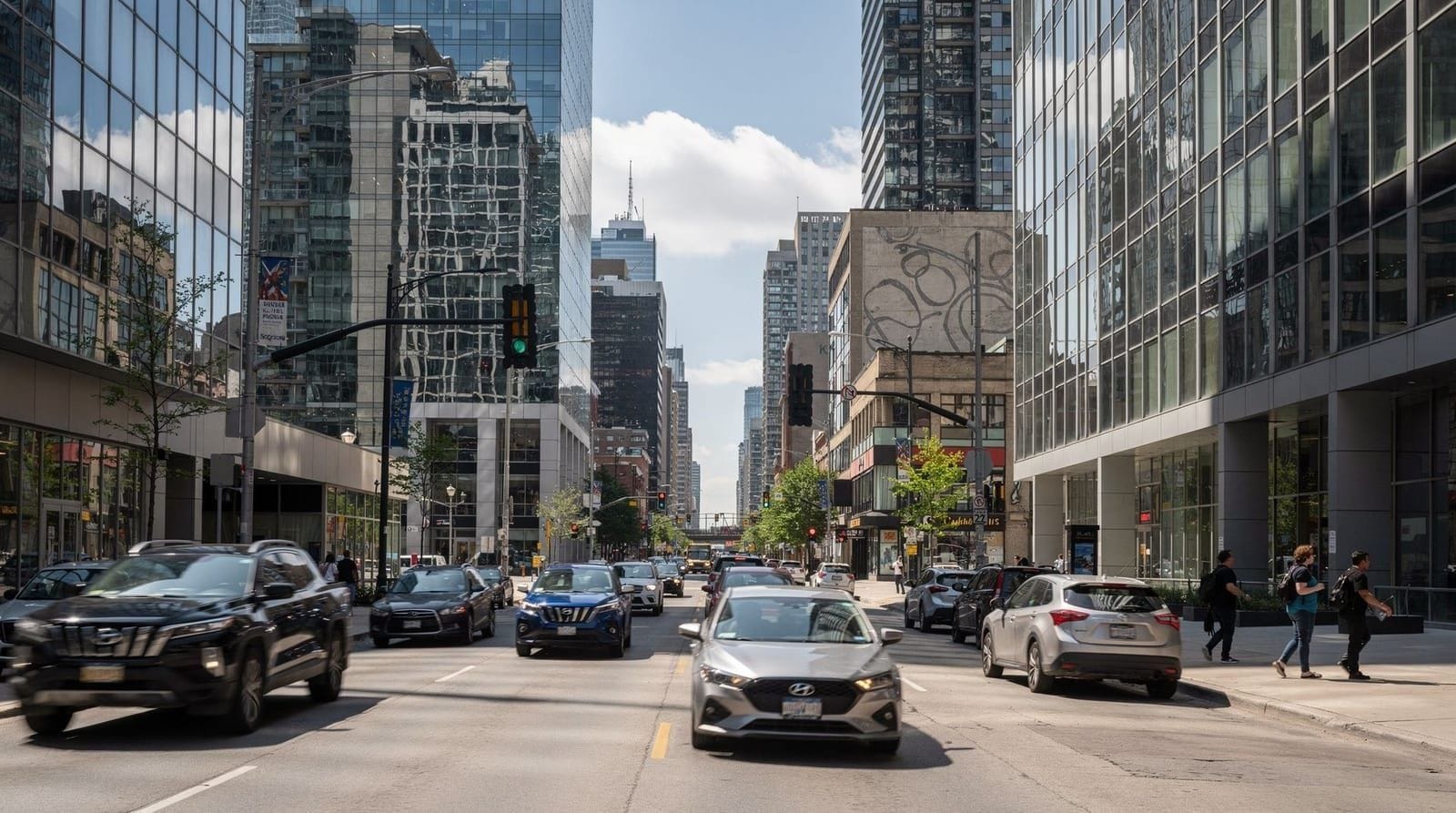
The areas most visitors actually spend their time — downtown core, the Distillery District, Harbourfront, and most of the neighborhoods covered on this site — are well-lit, busy well into the evening, and see heavy foot traffic even at night, particularly in summer. Standard precautions (staying aware of your surroundings, not displaying obvious expensive items unnecessarily) apply, but there’s no need for special anxiety walking these areas after dinner or an evening event.
Common tourist scams to watch for
Toronto sees relatively few organized tourist-targeting scams compared to some destinations, but a handful of general patterns are worth knowing. Unofficial “guides” or ticket sellers near major attractions occasionally approach tourists offering skip-the-line tickets or “insider” tours at inflated prices — legitimate attractions sell tickets through official websites or on-site box offices, and unsolicited street offers are worth declining. Distracted pickpocketing in crowded tourist areas (busy subway platforms, packed festival crowds) follows the same patterns as any major city — keep bags zipped and in front of you in dense crowds, and be extra aware during major events like TIFF or the CNE when crowd density peaks.
If your itinerary includes Niagara Falls, be aware that the tourist-scam density is genuinely higher there than in Toronto proper — see Niagara Falls scams to avoid for specific patterns to watch for in that particular tourist zone.
Taxis, rideshare, and getting around safely at night
Stick to official taxis (hailed at a marked taxi stand or called through a licensed dispatch) or licensed rideshare apps (Uber and Lyft both operate extensively in Toronto) rather than accepting rides from unmarked vehicles or unsolicited offers, standard advice for any major city. See the Toronto taxi vs Uber honest guide for a fuller comparison of the two options, including relative safety and reliability considerations. The TTC subway and transit system is generally safe late into the evening as well, with the Blue Night Network of overnight buses covering major routes after the subway closes.
Weather-related safety
Toronto’s winters bring genuine cold-weather risks worth taking seriously if you’re not used to them — temperatures of -10 to -20°C are common from December through February, and frostbite and hypothermia are real risks for underdressed visitors caught outside for extended periods. Dress in proper layers, limit extended outdoor exposure on the coldest days, and know that public buildings, malls, and the PATH underground network all offer warm indoor refuge if conditions turn severe during your visit. Summer brings occasional heat warnings and the possibility of sudden thunderstorms — check forecasts if you’re planning extended outdoor time, particularly at the Toronto Islands or High Park.
Water safety at the Toronto Islands and Beaches
If you’re swimming at the Toronto Islands or The Beaches, check current water quality advisories before entering Lake Ontario — the city posts regular beach water quality testing results, since heavy rainfall can occasionally trigger temporary swim advisories due to runoff. This is a routine, well-managed system rather than a persistent concern, but worth a quick check on a swim-focused day.
Health and emergency services
Dial 911 for police, fire, or medical emergencies, consistent with US emergency numbering. Toronto has excellent hospital and urgent care infrastructure, though as covered in the Canada eTA & visa guide, Canada’s public healthcare system doesn’t cover non-residents — travel medical insurance is genuinely worth arranging before your trip given potentially significant costs for visitors requiring treatment.
Solo travelers and women traveling alone
Toronto is generally considered a comfortable city for solo travelers, including women traveling alone, with well-populated tourist areas, reliable transit, and a generally respectful public culture. Standard solo-travel precautions apply — sharing your itinerary with someone at home, being mindful of drink safety at bars, and trusting your instincts if a situation feels off — the same baseline advice relevant to solo travel in any major city.
Protecting your belongings
Beyond pickpocket awareness in crowds, standard precautions apply to hotel rooms (use the in-room safe for passports and valuables) and public spaces (don’t leave bags unattended, even briefly, in cafés or on transit). Toronto doesn’t have an unusually elevated theft problem compared to other major tourist destinations, but opportunistic theft of unattended items happens in any busy city, and a moment’s carelessness is the most common cause.
Drink safety and nightlife precautions
Toronto’s bar and nightlife scene, concentrated in areas like Queen West and the Entertainment District, follows standard nightlife safety practices found in most major cities — never leave a drink unattended, be cautious accepting drinks from strangers, and arrange your route home (rideshare, a pre-planned late-night transit route, or a group departure) before you’ve had several drinks rather than figuring it out in the moment. Ontario’s legal drinking age is 19, and bars and clubs check ID rigorously, including for visitors who may look older than the local legal minimum — carry a passport or other government ID if you plan on being out at bars.
Traveling with valuables and electronics
If you’re carrying a laptop, camera equipment, or other high-value items, standard precautions — not leaving them visible in a parked rental car, using a hotel safe, and carrying a bag with secure zippers rather than open pockets in crowded areas — cover most realistic risk. Toronto’s downtown core has active street-level security presence around major commercial and tourist areas, and businesses are generally accustomed to visitors carrying cameras and other equipment without it drawing particular attention, unlike some destinations where visibly expensive gear invites more scrutiny.
LGBTQ+ traveler safety
Toronto is widely regarded as one of the more LGBTQ+-friendly major cities in North America, with a well-established Church-Wellesley Village neighborhood and Pride Toronto (held each June) drawing hundreds of thousands of attendees as one of the world’s larger Pride celebrations. Canada’s federal and Ontario provincial legal protections are strong, and most visitors report feeling comfortable and welcome throughout the city, though, as with any destination, ordinary situational awareness remains sensible practice regardless of specific identity.
Safety on day trips outside Toronto
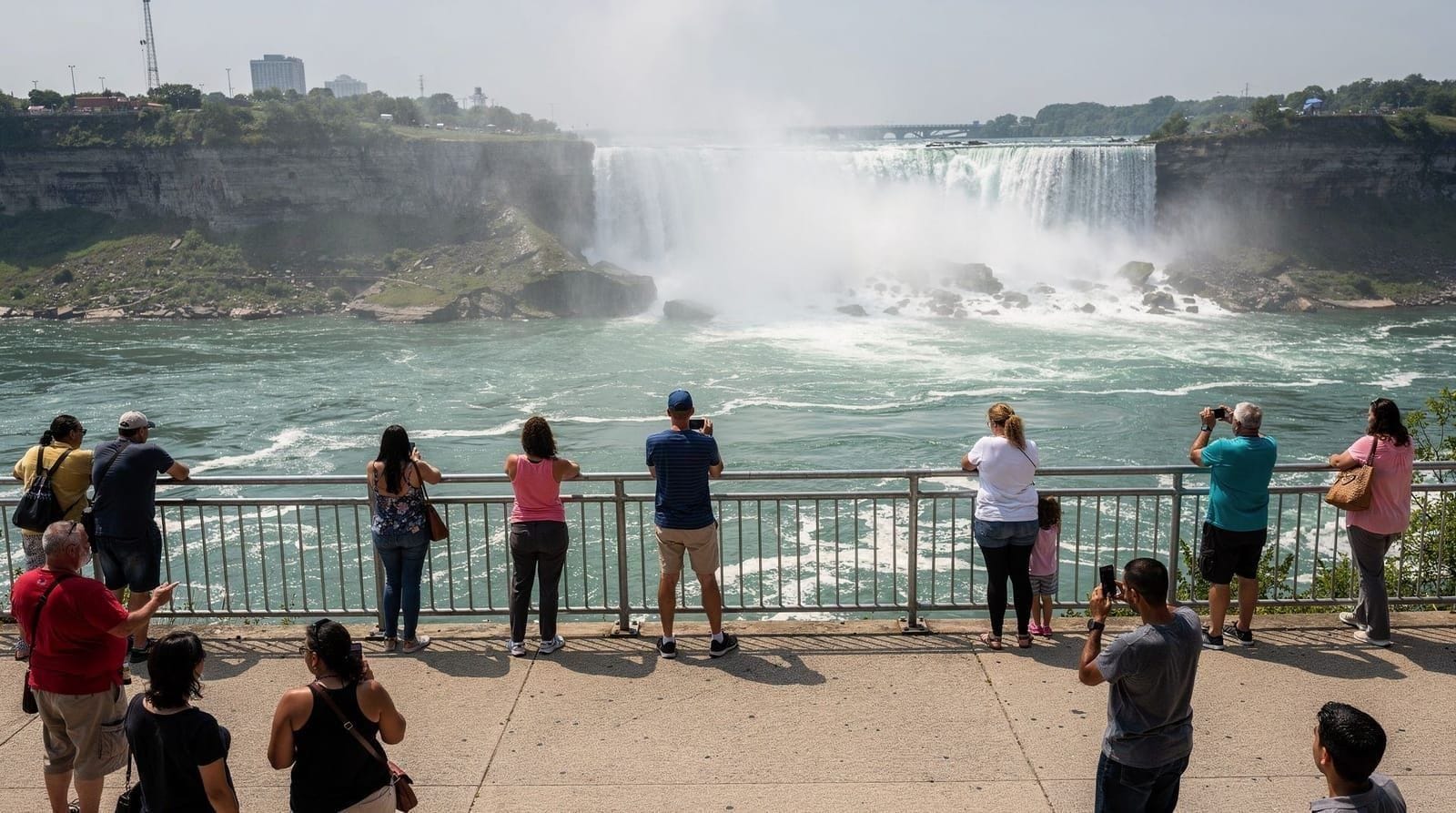
Most of the day-trip destinations covered on this site are comparably safe to Toronto itself, but a few practical considerations differ once you leave the city. Niagara Falls sees a much higher density of tourist-facing scams than Toronto proper — see the dedicated scams guide above for specifics — and mist from the falls makes railings and viewing platforms genuinely slippery in any season, so keep footing in mind at the Table Rock and Journey Behind the Falls areas.
If you’re heading into Algonquin Provincial Park or the deeper Muskoka backcountry, cell coverage weakens considerably away from the main highways — download offline maps in advance, carry a paper map as backup, and let someone know your planned route before a backcountry hike, standard wilderness safety practice regardless of experience level. Wildlife encounters (black bears, in particular) are uncommon but not impossible in Algonquin and Muskoka; store food properly at campsites and give any wildlife you do encounter plenty of distance.
Driving safety on Ontario highways
If you’re renting a car for a day trip to wine country, Prince Edward County, or cottage country, Ontario’s highway network is well-maintained and driving norms are broadly similar to the northern US — the main adjustments for international visitors are metric speed limits (posted in km/h, not mph) and winter driving conditions from roughly November through March, when snow squalls and icy patches can appear with little warning on highways like the 400 and 401.
Winter tires aren’t legally required in Ontario the way they are in Quebec, but rental agencies typically fit all-season or winter tires appropriately for the season, and driving noticeably below the posted limit in poor conditions is normal, expected behavior rather than something that will annoy other drivers. If you’re not comfortable with winter highway driving, GO Transit covers several of the most popular day-trip routes without requiring a car at all.
Staying informed during severe weather
Environment Canada issues advance warnings for severe weather — winter storms, summer thunderstorms, and the occasional heat warning — through its public alerting system, and most Toronto hotels and visitor information points will flag significant weather disruptions affecting transit or major attractions.
If a winter storm is forecast during your visit, build a buffer day into plans involving Muskoka or other regions reachable primarily by car, since cottage-country roads are sometimes the last to be plowed after a significant snowfall. Public buildings, the PATH underground network, and Toronto’s shelter and warming-centre system all provide indoor refuge during extreme cold alerts, a genuinely useful thing to know if you’re caught outside during an unexpectedly sharp cold snap.
Reporting an incident or getting help while traveling
If you experience theft, a scam, or any incident requiring police involvement, Toronto Police Service has a non-emergency line for reports that don’t require an immediate 911 response, along with in-person reporting at local divisions — useful for insurance claims or lost-item reports where immediate police presence isn’t necessary. Your country’s consulate or embassy in Toronto (several are located in the city, given its status as Canada’s largest city) can assist with lost passports or more serious emergencies affecting foreign visitors specifically.
Traveling with children
Toronto is a genuinely comfortable city for family travel from a safety standpoint — well-populated tourist areas, reliable transit with elevator access at most subway stations, and a generally child-friendly public culture. The main practical precautions are the same ones that apply anywhere: agree on a meeting point if you get separated in a crowded space like the Toronto Islands ferry terminal or a festival, and keep young children within reach on the subway platform edge, where the gap between train and platform is a real if minor hazard. See things to do with kids in Toronto for broader family trip planning beyond the safety angle.
Money, ATMs, and card safety
Stick to ATMs inside banks or well-lit, busy retail locations rather than standalone street machines late at night, standard advice for avoiding card-skimming devices in any city. Toronto is heavily card-based — most purchases, including transit fares via the PRESTO card or contactless tap, don’t require carrying much cash, which itself reduces one common risk. If you’re withdrawing cash for the Saturday Farmers’ Market or similar cash-preferred vendors, a mid-morning withdrawal at a bank branch ATM downtown is a sensible, low-risk approach.
How Toronto’s safety compares to other major North American cities
Visitors arriving from smaller cities or rural areas sometimes overestimate urban risk based on media coverage of US cities with genuinely different crime profiles. Toronto’s violent crime rate sits well below most comparably sized American cities, and its overall safety profile is closer to other large Canadian and Northern European cities than to the perception many international visitors arrive with. That said, “safer than average” doesn’t mean “requires zero awareness” — the practical precautions in this guide apply regardless of how favorably Toronto compares statistically to anywhere else.
Frequently asked questions about safety in Toronto
Is Toronto safe to walk around at night?
Yes, in the areas most visitors frequent — downtown, the Distillery District, and the waterfront are well-lit and busy into the evening. A few specific pockets, like parts of Regent Park and the Dundas-Jarvis intersection, warrant slightly more awareness.
Are there common scams targeting tourists in Toronto?
Relatively few compared to some destinations, though unofficial ticket sellers near major attractions and distracted pickpocketing in crowded areas are worth being aware of, similar to any major tourist city.
Is the TTC safe to use at night?
Generally yes, with standard transit precautions — the Blue Night Network of overnight buses covers major routes after the subway closes around 1:30am.
Do I need travel medical insurance for a Toronto trip?
Yes, genuinely worth arranging — Canada’s public healthcare system doesn’t cover visitors, and medical costs for non-residents can be substantial without insurance.
Is Toronto safe for solo female travelers?
Generally yes — Toronto is considered a comfortable city for solo travelers, with well-populated tourist areas and reliable transit, though standard solo-travel precautions still apply.
Are Niagara Falls scams different from Toronto scams?
Yes — Niagara Falls has a notably higher density of tourist-targeting scams (aggressive rabatteurs, fake guides) than Toronto proper. See the dedicated Niagara Falls scams guide for specific patterns to watch for there.
Is Toronto welcoming to LGBTQ+ travelers?
Yes — Toronto is widely regarded as one of North America’s more LGBTQ+-friendly major cities, with strong legal protections and a well-established Church-Wellesley Village neighborhood.
What should I do if I’m the victim of theft or a scam in Toronto?
Contact Toronto Police Service’s non-emergency line for reports not requiring immediate response, useful for insurance claims, and reach out to your country’s consulate or embassy in Toronto if the incident involves a lost passport or a more serious situation.
Is Toronto safe for families traveling with young children?
Yes — well-populated tourist areas, elevator-accessible transit, and a generally family-friendly public culture make it a comfortable city for kids. Agree on a meeting point in crowded spots like festivals or the Toronto Islands ferry terminal in case of separation.